
Imagine a sudden emergency striking your home or neighborhood. Are you confident that your beloved pet will be safe, comfortable, and cared for?
When disaster hits, your furry friend relies on you more than ever. That’s why pet emergency preparedness isn’t just a good idea—it’s essential. You’ll discover simple, practical steps to create a pet “go-bag,” develop a clear evacuation plan, and ensure your pet’s health and safety no matter what happens.
Don’t wait until it’s too late—read on to protect your pet and gain peace of mind when it matters most.
Pet Emergency Kit Essentials
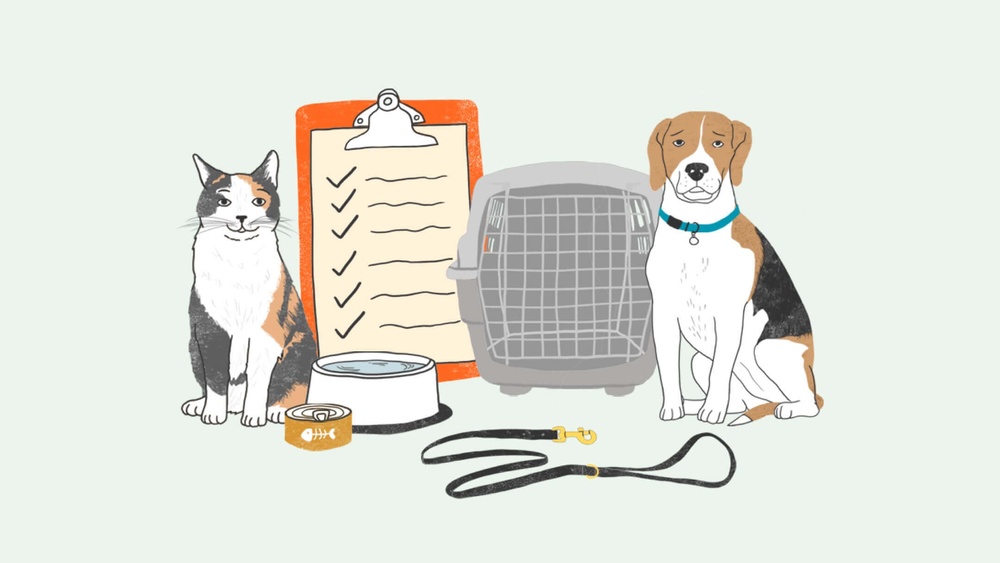
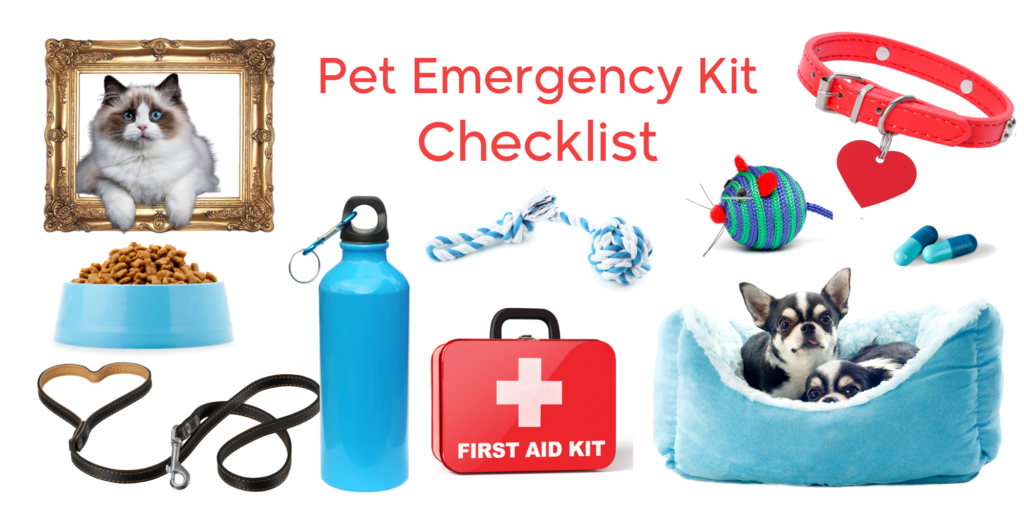
Preparing a pet emergency kit is vital for your pet’s safety during unexpected situations. A well-packed kit ensures your pet has everything they need to stay healthy and calm. Focus on essentials that cover food, water, medical care, hygiene, and comfort. Each item plays a key role in managing stress and health risks.
Food And Water Supplies
Store at least three to seven days of your pet’s regular food. Use airtight containers to keep food fresh and safe. Pack a portable water bowl and enough clean water for the same period. Hydration is crucial, especially during hot weather or stressful events.
Medications And First-aid
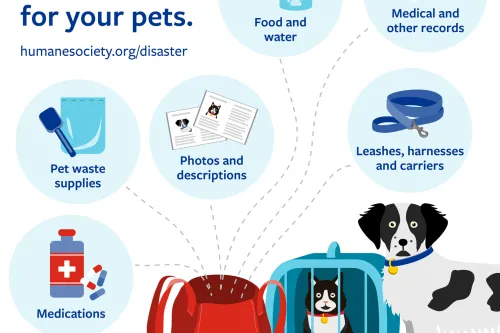
Keep a two-week supply of all prescribed medications in a waterproof container. Include basic first-aid supplies like bandages, gauze, and antiseptic wipes. A pet first-aid book can guide you through minor injuries and emergencies. Regularly update your kit after each use.
Sanitation And Hygiene
Pack pet litter or absorbent pads for cats and dogs. Bring a small litter box or disposable trays if needed. Include paper towels, plastic bags, and cleaning wipes to maintain hygiene. Proper sanitation reduces the risk of infections and keeps your pet comfortable.
Comfort Items
Add your pet’s favorite toy, blanket, or bed to the emergency kit. Familiar items help reduce anxiety in strange environments. Include treats to reward good behavior and keep morale high. Comfort items support your pet’s emotional well-being during stressful times.
Credit: www.humaneworld.org
Identification And Documentation
Proper identification and documentation play a vital role in pet emergency preparedness. Clear identification helps rescue workers find your pet if you become separated. Organized documents provide quick access to important health and ownership details.
Keeping your pet’s information up-to-date and easy to find saves time and stress. It also improves your pet’s chances of safe return and proper care during emergencies.
Microchips And Id Tags
Microchips offer a permanent way to identify your pet. A small chip implanted under the skin links to your contact information. Make sure your details are current in the microchip registry.
ID tags are a simple, visible form of identification. Attach tags to your pet’s collar with your phone number and address. Use durable materials that can withstand harsh conditions.
Important Medical Records
Medical records provide essential health information for emergency responders. Include vaccination history, allergies, medications, and any chronic conditions. Store these records in a waterproof folder or digital file.
Keep your veterinarian’s contact details handy. In an emergency, quick access to medical history can guide treatment and save your pet’s life.
Photos And Registration Papers
Recent photos help identify your pet easily. Choose clear images showing your pet’s face and unique markings. Keep both digital and printed copies in your emergency kit.
Registration papers prove ownership and may be required by shelters or authorities. Include licenses, adoption papers, and microchip registration. Organize these documents with your medical records for easy access.
Safe Transport And Shelter
Transporting pets safely during emergencies is vital. A calm, secure trip reduces stress for pets and owners. Preparing for shelter ensures pets stay protected and comfortable in unfamiliar places.
Carriers And Leashes
Choose carriers that fit your pet well. It should allow them to sit, stand, and turn easily. A strong, leak-proof carrier helps during long trips. Always have a backup leash and collar ready. Attach ID tags to collars before travel. Practice using carriers and leashes with your pet to reduce anxiety.
Pet-friendly Shelters And Hotels
Locate shelters and hotels that accept pets before emergencies. Many places have rules about size and number of pets. Call ahead to confirm pet policies and availability. Pack familiar items like blankets and toys to ease your pet’s stress. Plan routes to these locations for quick access during evacuation.
Labeling And Contact Info
Label all pet items with your contact information. Use waterproof labels on carriers, leashes, and bowls. Attach tags with your name, phone number, and address. Keep a current photo of your pet for identification. Store emergency contact numbers in your phone and written down in your pet’s bag.
Credit: main.sbcounty.gov
Planning And Communication
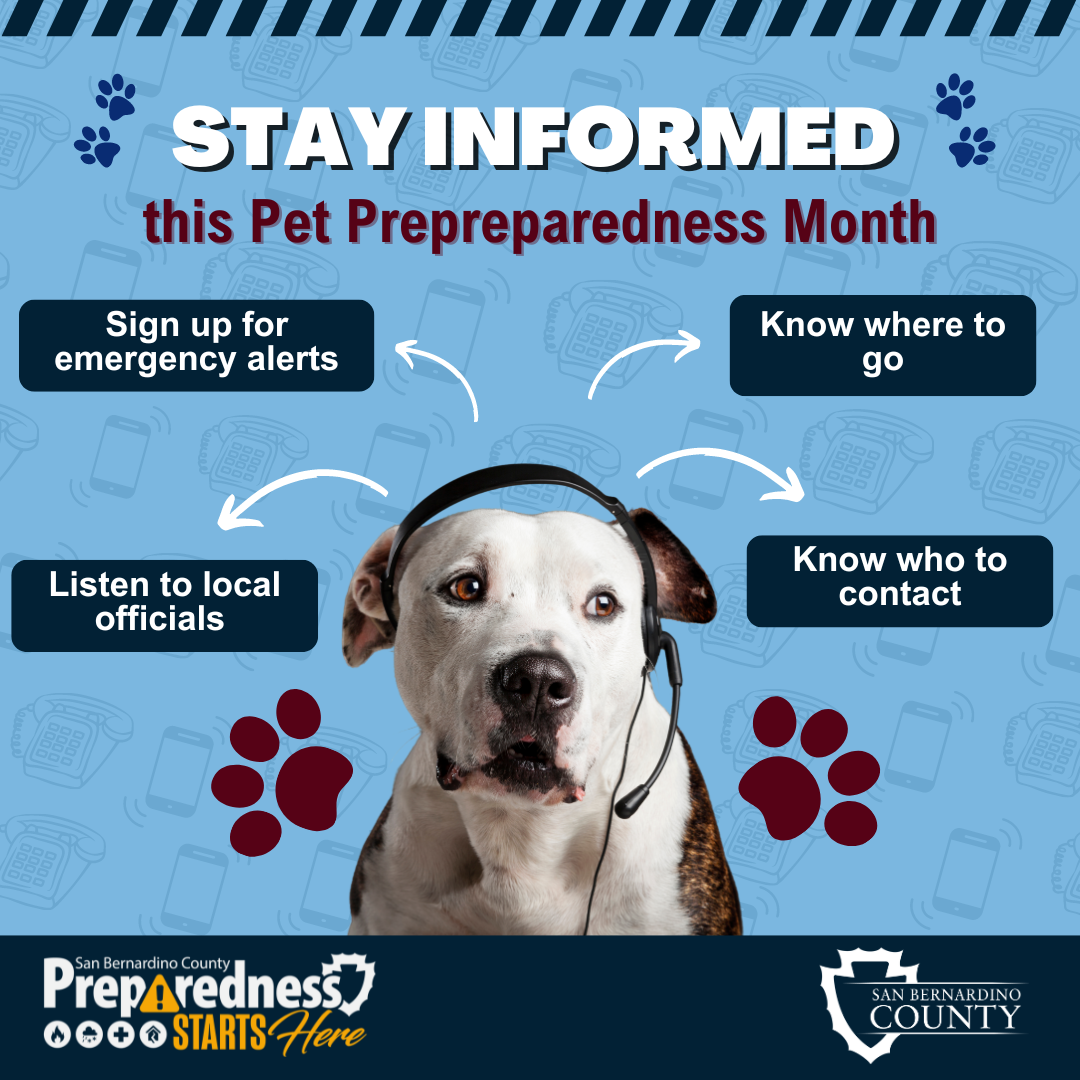
Planning and communication form the backbone of pet emergency preparedness. Clear plans and open communication help keep pets safe during crises. Knowing what steps to take reduces panic and confusion. It also ensures pets receive the care they need promptly.
Effective planning means creating detailed strategies for evacuation and care. Communication involves sharing these plans with family, friends, and veterinarians. Both work together to protect pets and ease stress in emergencies.
Emergency Evacuation Plans
Prepare a clear evacuation plan for your pet. Identify pet-friendly shelters and hotels nearby. Map out multiple routes to reach these safe places. Practice evacuations to make the process smooth. Keep leashes, carriers, and ID tags ready at all times. Ensure everyone in the household knows the plan well.
Veterinarian Consultation
Speak with your veterinarian about emergency needs. Discuss your pet’s health conditions and medications. Ask for advice on first aid and care during disasters. Request updated vaccination and medical records. Keep the veterinarian’s contact info handy. This helps provide quick, accurate care when needed.
Regular Kit Maintenance
Check your pet’s emergency kit every month. Replace expired food, water, and medications promptly. Inspect first aid supplies and refill when low. Update documents like vaccination records and photos regularly. Make sure comfort items remain clean and intact. Proper maintenance ensures readiness at all times.
Credit: www.animalrescueri.org
Frequently Asked Questions
How To Prepare For A Pet Emergency?
Prepare a pet emergency kit with food, water, medications, and a first-aid kit. Include ID tags, vaccination records, a carrier, and comfort items. Create a pet-friendly evacuation plan and ensure your pet has a microchip. Regularly update supplies and consult your veterinarian for specific needs.
What Are The 10 Essential Survival Kit Items?
The 10 essential survival kit items include water, non-perishable food, first-aid kit, flashlight, multi-tool, matches, emergency blanket, whistle, map, and communication device.
How To Keep Pets Safe In An Emergency?
Create a pet emergency kit with food, water, meds, and documents. Use carriers, ID tags, and microchips. Plan pet-friendly shelters and update supplies regularly.
What Are The 5 P’s Of Disaster Preparedness?
The 5 P’s of disaster preparedness are: Proper planning, Preparedness, Prevention, Protection, and Practice. These ensure safety and readiness during emergencies.
Conclusion
Preparing for pet emergencies protects your furry friends. Keep a ready go-bag with food, water, and medicine. Update important documents and ID tags regularly. Know safe places that welcome pets during disasters. Practice your evacuation plan to stay calm and quick.
Small steps today mean big safety for your pets tomorrow. Stay alert, stay prepared, and keep your pets safe always.