
The Emergency Preparedness Rule by CMS sets clear requirements for healthcare providers. It ensures safety during disasters for Medicare and Medicaid participants.
This rule helps hospitals, clinics, and other healthcare suppliers prepare for emergencies like storms, fires, or pandemics. Providers must have plans to protect patients and staff and continue care without interruption. The CMS rule covers risk assessment, communication, training, and testing of emergency plans.
Meeting these standards improves response times and reduces harm during crises. Staying compliant with CMS rules also helps facilities avoid penalties. Overall, the Emergency Preparedness Rule aims to keep healthcare services safe and available when emergencies strike. This guide explains key points of the CMS regulation and why it matters to providers and patients.
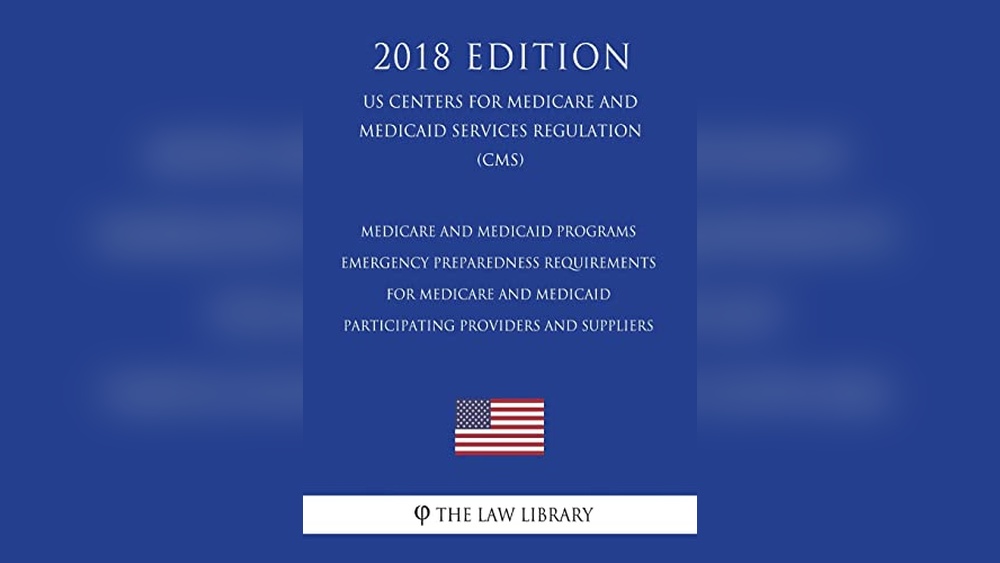
Medicare And Medicaid Programs – Emergency Preparedness Requirements For Medicare And Medicaid Participating Providers And Suppliers

The Medicare and Medicaid Programs – Emergency Preparedness Requirements guide is ideal for healthcare administrators, providers, and suppliers participating in Medicare and Medicaid who need to ensure compliance with federal emergency preparedness regulations. This comprehensive resource is perfect for those responsible for developing, implementing, or overseeing emergency preparedness plans within healthcare facilities.
Pros:
- Comprehensive coverage of emergency preparedness requirements specific to Medicare and Medicaid providers.
- Published by a reputable source, CreateSpace Independent Publishing Platform, ensuring reliable and authoritative content.
- Detailed 350-page manual that provides thorough guidance on regulatory compliance.
- Compact and manageable dimensions (10.0 x 7.0 x 0.79 inches) making it easy to reference.
- Up-to-date information as of 2018 publication date, reflecting current CMS regulations.
Cons:
- Content may be too technical or dense for casual readers or those unfamiliar with healthcare regulations.
- Publication date from 2018 may mean some information could be outdated with recent regulatory changes.
- Focused specifically on Medicare and Medicaid providers, limiting usefulness to other healthcare sectors.
This guide provides an in-depth explanation of the emergency preparedness requirements mandated by the US Centers for Medicare & Medicaid Services (CMS). It covers essential topics such as risk assessment, emergency planning, communication protocols, and training procedures that healthcare providers and suppliers must follow. By understanding these regulatory standards, users can better prepare their facilities to handle emergencies effectively and maintain compliance.
The benefits of using this resource include improved readiness for natural disasters, pandemics, and other emergencies that could disrupt healthcare services. Additionally, it helps organizations avoid penalties and potential loss of Medicare and Medicaid participation by ensuring adherence to CMS regulations. Its detailed instructions and structured approach make it a valuable tool for maintaining patient safety and operational continuity in critical situations.
Frequently Asked Questions
What Is The Emergency Preparedness Rule Cms?
The Emergency Preparedness Rule CMS requires Medicare and Medicaid providers to have emergency plans. It ensures patient safety during disasters. Providers must develop policies, procedures, and communication plans. The rule aims to improve readiness for emergencies like natural disasters and pandemics.
Who Must Comply With Cms Emergency Preparedness Rules?
All Medicare and Medicaid participating providers and suppliers must comply. This includes hospitals, nursing homes, and home health agencies. Compliance ensures they are prepared to protect patients during emergencies. The rule promotes uniform readiness standards across healthcare settings.
What Are The Key Elements Of Cms Preparedness Requirements?
Providers must create emergency plans, policies, and procedures. They need to conduct training and testing regularly. Communication plans must include coordination with local emergency officials. Documentation of all preparedness activities is mandatory under the rule.
When Did The Cms Emergency Preparedness Rule Take Effect?
The rule was finalized in 2016 and became effective on November 15, 2017. Providers had until November 15, 2018, to comply fully. This timeline allowed healthcare entities to implement necessary emergency protocols.
How Does The Rule Improve Patient Safety In Emergencies?
By enforcing comprehensive preparedness, the rule ensures continuous care during crises. It mandates risk assessments and coordinated responses to emergencies. This reduces disruptions and protects vulnerable patients. The rule enhances overall healthcare system resilience.
Conclusion
The Emergency Preparedness Rule by CMS sets clear rules for healthcare providers. It helps protect patients during disasters like storms or power outages. Providers must plan, train staff, and check their readiness regularly. These steps make sure care continues even in emergencies.
Meeting these rules is important for Medicare and Medicaid participation. It also improves safety for everyone in healthcare facilities. Staying prepared can save lives and reduce confusion when disasters happen. Following CMS guidelines shows a strong commitment to patient care.
Every provider should understand and apply these requirements well. Doing so builds trust and supports a safer healthcare system for all.