When disaster strikes, will you be ready? Having the right emergency preparedness products at your fingertips can make all the difference in keeping you and your loved ones safe.
Imagine facing a sudden power outage, severe weather, or any unexpected crisis without the essential supplies you need. That’s why preparing now is crucial. You’ll discover the must-have items to stockpile, simple ways to build your emergency kit, and how to choose products that fit your unique needs.
Don’t wait for an emergency to find out you’re unprepared—take control of your safety today. Keep reading to learn exactly what you need to stay ready for anything life throws your way.

Credit: www.amazon.com
Essential Emergency Supplies
Essential emergency supplies form the backbone of any preparedness plan. They help you stay safe and comfortable during unexpected events. Having the right items ready can make a big difference. Focus on basic needs like water, food, tools, and special care items. These essentials cover most survival situations.
Water And Hydration Options
Water is the most critical supply in an emergency. Store at least one gallon per person per day. Choose bottled water or water storage containers. Water purification tablets or filters add safety. Keep a variety of options to ensure clean drinking water.
Non-perishable Food Choices
Non-perishable foods last long without refrigeration. Stock canned goods, dried fruits, nuts, and granola bars. Choose items high in calories and nutrients. Ready-to-eat meals save time and effort. Rotate food supplies regularly to keep them fresh.
Manual Can Openers And Utensils
Manual can openers are essential when power fails. Include durable and easy-to-use models in your kit. Pack basic utensils like forks, spoons, and knives. Lightweight and compact tools improve convenience. Don’t forget plates and cups for easy meal service.
Special Needs Items
Consider unique needs of family members. Include baby formula, diapers, and medications. Pack hearing aids batteries or mobility aids if needed. Keep extra glasses or contact lenses handy. Prepare for pets with food and water supplies too.

Credit: www.amazon.com
Health And Hygiene Gear
Health and hygiene gear plays a vital role in emergency preparedness. Keeping clean and managing injuries prevent infections and promote well-being. These products help maintain health during tough times. Proper gear supports safety and comfort in emergencies.
Comprehensive First-aid Kits
First-aid kits are essential for treating injuries quickly. They contain bandages, antiseptics, and tools for minor wounds. A complete kit includes scissors, tweezers, and gloves. Choose kits that cover cuts, burns, and sprains. Regularly check and restock supplies to stay ready.
Sanitation And Personal Hygiene
Sanitation items reduce the risk of illness and keep people clean. Include hand sanitizers, wet wipes, and soap in your kit. Portable toilets and waste bags manage waste safely. Toothbrushes, toothpaste, and feminine hygiene products support personal care. Cleanliness prevents disease and improves comfort.
Medications And Medical Supplies
Stock essential medications for common conditions like pain and allergies. Include prescription drugs if needed. Medical supplies such as thermometers and blood pressure monitors help track health. Remember to store medications properly and check expiration dates. Access to medicine is crucial during emergencies.
Tools And Utility Items
Tools and utility items are vital during emergencies. They help you stay safe and manage unexpected situations effectively. These items provide light, communication, repair options, and ways to signal for help. Choosing the right tools can make a big difference in an emergency.
Flashlights And Battery Options
Flashlights provide essential light in dark conditions. LED flashlights last longer and use less power. Carry extra batteries or choose rechargeable options. Solar-powered flashlights offer light without needing batteries. Always test your flashlight before an emergency.
Emergency Radios And Communication
Emergency radios keep you informed during disasters. They receive weather alerts and emergency broadcasts. Hand-crank or solar radios do not need batteries. Some radios include built-in flashlights and USB chargers. Staying connected can save lives.
Multi-use Tools And Repair Supplies
Multi-use tools combine several functions in one device. Examples include knives, screwdrivers, and pliers. Repair supplies like duct tape and zip ties fix gear quickly. Carry small tool kits for basic repairs. These tools help you adapt and fix problems fast.
Signaling Devices
Signaling devices help rescuers find you. Whistles make loud sounds without using energy. Signal mirrors reflect sunlight to attract attention. Bright colored flags or flares increase visibility. Keep these devices accessible at all times.
Important Documents And Safety
Keeping important documents safe is a key part of emergency preparedness. These papers prove your identity and protect your rights. They also help you access services quickly after a disaster. Having these documents ready can reduce stress during an emergency.
Storing copies of your documents securely ensures you can find them fast. Knowing who to contact in an emergency speeds up help. Using proper storage tools protects your papers from damage and loss.
Copies Of Identification And Insurance
Make copies of your ID cards, passports, and driver’s licenses. Include copies of health, home, and auto insurance policies. Store these copies separately from the originals. This prevents losing everything if one set is damaged or lost. Keep digital copies on a secure device or cloud service for easy access.
Emergency Contact Information
Write down phone numbers and addresses of family and friends. Include local emergency services and your doctor’s contact info. Share this list with trusted people. Keep a printed copy in your emergency kit. This information helps responders and loved ones stay connected.
Secure Storage Solutions
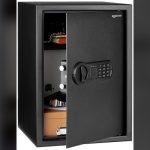
Use waterproof and fireproof containers to store important documents. Lockboxes or safes provide added security at home. For travel, use portable document holders that protect from water and tearing. Digital encryption and password protection guard electronic copies. These steps keep your documents safe and accessible.
Specialized Kits And Gear
Specialized kits and gear are essential for effective emergency preparedness. They provide targeted supplies designed for specific needs and situations. Choosing the right kit can make a big difference during a crisis. These kits save time and reduce stress by keeping important items organized.
Each kit focuses on a unique purpose. Some include tools for survival, while others cater to families or pets. Location-specific gear addresses risks tied to certain environments. Understanding these options helps you prepare better and stay safe.
Survival Kits And Backpacks
Survival kits contain basic tools like water, food, and first aid. Backpacks make it easy to carry these items on the go. Many kits include a flashlight, knife, and emergency blanket. They are compact, lightweight, and designed for quick access. Ideal for hiking, natural disasters, or power outages.
Pet And Baby Supplies
Specialized kits for pets and babies cover unique needs. Baby kits often include diapers, formula, and wipes. Pet kits provide food, water, and medicine for animals. These kits ensure care for vulnerable family members. They help avoid last-minute panic during emergencies.
Location-specific Equipment
Location-specific equipment targets regional threats. Coastal areas may need flood gear and water rescue tools. Mountain regions require cold weather clothing and navigation aids. Urban kits might focus on fire safety and shelter options. Tailoring gear to your location boosts preparedness and safety.
Where To Buy Emergency Products
Knowing where to buy emergency preparedness products is essential. Supplies must be reliable and accessible. Choosing the right source saves time and ensures quality. Options include online stores and local shops. Each has its own benefits. Understanding these options helps you prepare better.
Trusted Online Suppliers
Many online stores specialize in emergency products. They offer a wide range of items. You can find kits, tools, and food supplies. Online shopping is convenient and often has customer reviews. Look for suppliers with good ratings and clear return policies. Fast shipping is important during urgent needs.
Local Retailers And Delivery Options
Local stores provide quick access to emergency items. Hardware stores and outdoor shops often stock essential gear. Visiting a store lets you see products before buying. Some retailers offer home delivery services. This option combines speed with the ability to check items physically. Check local availability before heading out.
Comparing Prices And Quality
Price differences exist between sellers. Cheap products may lack durability or safety features. Focus on quality and value for money. Compare prices online and in stores. Read product descriptions carefully. Look for certifications and warranty information. Spending more upfront can save trouble later.
Stockpiling Tips And Strategies
Preparing for emergencies requires more than just buying supplies. Smart stockpiling helps ensure you have what you need when it matters most. Thoughtful planning saves time and reduces stress during crises. Use these tips and strategies to build and maintain your emergency supplies effectively.
Building A Balanced Emergency Kit
Start by collecting essential items like water, food, and first aid. Include tools such as flashlights, batteries, and a multi-tool. Add hygiene products and important documents. Balance non-perishable food with fresh items if possible. Keep your kit compact but comprehensive. This balance prepares you for various situations and durations.
Rotating Supplies For Freshness
Check your supplies regularly to avoid expired items. Use older food and replace it with fresh stock. Set reminders every few months for inspection. Rotate medications and batteries to maintain effectiveness. This habit keeps your kit ready and reliable at all times.
Adapting Kits For Family Needs
Consider the specific needs of each family member. Include baby formula, pet food, or special medications. Adjust quantities based on family size and health conditions. Keep comfort items for children and elderly members. Customizing your kit ensures everyone stays safe and cared for.

Credit: www.redcross.org
Frequently Asked Questions
What Items Should I Stockpile For An Emergency?
Stockpile water, non-perishable food, first-aid kit, sanitation supplies, flashlight with batteries, radio, manual can opener, medications, and important documents. Include pet, baby, and special dietary items based on your needs and location.
What Are The 10 Essential Survival Kit Items?
The 10 essential survival kit items are water, non-perishable food, first-aid kit, flashlight, extra batteries, radio, manual can opener, sanitation supplies, important documents, and medications.
What Are 10 Items In An Emergency Kit List?
An emergency kit should include water, non-perishable food, first-aid kit, flashlight with batteries, radio, manual can opener, hygiene items, important documents, medications, and multi-tool.
What To Stockpile For 72 Hours?
Stockpile at least one gallon of water per person daily, non-perishable food, a first-aid kit, flashlight, batteries, radio, manual can opener, hygiene supplies, medications, and important documents for 72 hours. Include special needs items for infants, pets, or elderly family members.
Conclusion
Preparing with the right emergency products saves lives and reduces stress. Keep water, food, and first-aid supplies ready at all times. Simple tools like flashlights and radios help during power outages. Tailor your kit to your family’s specific needs. Regularly check and update your supplies for safety.
Being prepared means acting early and staying calm. Stay safe, stay ready, and protect your loved ones.