Imagine a sudden fire alarm blaring through your office or a severe weather warning flashing on your screen. Do you know exactly what steps you and your team should take to stay safe?
Your company’s emergency preparedness plan is the key to turning chaos into calm when every second counts. This plan doesn’t just protect your business—it safeguards your people, your reputation, and your future. You’ll discover simple, clear strategies to create an emergency plan that works for your workplace.
Read on to learn how you can prepare your team, reduce risks, and respond effectively when the unexpected happens. Your readiness starts here.

Credit: www.embroker.com
Emergency Plan Basics
Creating a solid emergency plan is vital for every company. It prepares staff and protects assets during crises. Understanding the basics helps build a strong foundation. This ensures quick, organized responses to emergencies. Every business should know the core elements of an emergency plan.
Purpose And Importance
An emergency plan guides actions during unexpected events. It reduces confusion and limits damage. Clear steps help protect employees and property. Plans improve safety and minimize downtime. A prepared company recovers faster and stays operational. Being ready shows care for staff and clients alike.
Legal Requirements
Many regions require companies to have emergency plans. Laws often specify what must be included. Plans should cover fire drills, evacuation routes, and communication methods. Employers must train workers on these procedures. Meeting legal standards avoids fines and penalties. Compliance also builds trust with employees and partners.
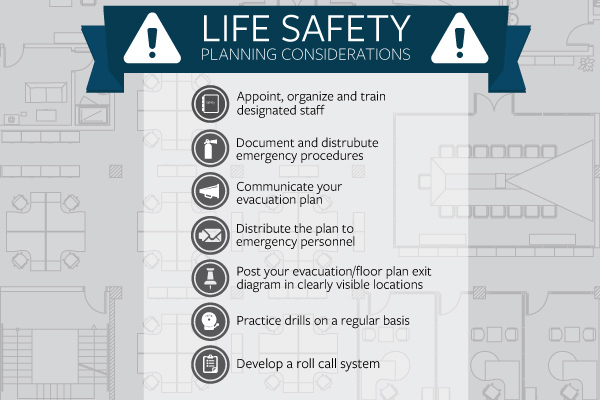
Credit: heltonins.com
Key Plan Components
An effective Company Emergency Preparedness Plan rests on several essential parts. These components work together to protect employees and ensure smooth operations during a crisis. Each section has a clear purpose to guide actions and reduce risks.
Clear communication and defined roles make the plan practical. It must cover how to report emergencies, how to evacuate safely, and how to manage critical tasks. Tracking all personnel and assigning rescue or medical duties also play vital roles. Accurate contact details keep everyone connected.
Emergency Reporting Methods
Employees must know how to report emergencies quickly. The plan should describe alarm systems and phone numbers to call. Clear instructions help prevent confusion and speed up the response time.
Evacuation Procedures
Evacuation routes should be clearly marked and easy to follow. The plan must state when and how to leave the building safely. Regular drills help employees remember these steps.
Critical Operations Handling
Some tasks must continue even during emergencies. The plan identifies which employees stay to manage these operations. It ensures critical systems remain functional until it is safe to stop.
Personnel Accountability
Knowing who is safe is crucial after evacuation. The plan sets a system to check and account for all staff members. This process helps emergency teams focus on those who may need help.
Rescue And Medical Roles
Certain employees receive training for rescue or medical aid. The plan defines their responsibilities and how to act during emergencies. Their skills can save lives and reduce injuries.
Contact Information
The plan includes up-to-date contact details for emergency coordinators and local responders. This information allows quick communication and coordination during a crisis. Everyone should have easy access to these contacts.
Evacuation Planning
Evacuation planning is a vital part of any company emergency preparedness plan. It ensures everyone knows how to leave the building safely and quickly during an emergency. A clear evacuation plan reduces panic and confusion. It saves lives and minimizes injuries. Preparing detailed evacuation steps helps employees act calmly and efficiently. Proper planning means fewer risks and faster recovery after an incident.
Escape Route Design
Escape routes must be simple and easy to follow. They should lead directly to safe exits without obstacles. Routes need clear signs and good lighting. Wide corridors prevent crowding during evacuation. Multiple escape paths reduce the risk of being trapped. Regular checks ensure routes remain free and accessible. Employees should be familiar with all possible escape routes.
Assembly Points
Assembly points are safe outdoor areas away from the building. They provide a spot to gather after evacuation. These points help count all employees quickly. Assembly points must be easy to reach and marked clearly. They should be far from fire hazards or falling debris. Assign someone to manage the group and report missing persons. Employees must know the location of assembly points before an emergency.
Floor Plan Integration
Integrate evacuation routes into the company’s floor plans. Display maps at key locations on each floor. These maps show escape routes, exits, and assembly points. Floor plans help visitors and new employees understand evacuation paths. Keep plans updated after any layout changes. Training sessions should include reviewing floor plan details. Clear visual guides reduce confusion during an emergency.
Training And Drills
Training and drills form the backbone of a strong company emergency preparedness plan. They prepare employees to act swiftly and safely during emergencies. Regular practice builds confidence and reduces panic. A well-trained team can save lives and minimize damage.
Employee Training Programs
Employee training programs teach essential emergency skills. These programs cover evacuation routes, fire extinguisher use, and first aid basics. Training should be clear and easy to follow. Use simple language and visual aids to help understanding. Regular updates keep skills sharp and knowledge current.
Regular Drill Scheduling
Scheduling regular drills ensures readiness at all times. Drills simulate real emergencies to test response speed and coordination. Conduct drills at different times and conditions. This variety helps employees prepare for any situation. Consistency in drills builds muscle memory for quick actions.
Evaluating Drill Effectiveness
Evaluating drill effectiveness identifies strengths and weaknesses. Observe employee reactions and note any delays or confusion. Collect feedback to improve training and procedures. Update the emergency plan based on drill outcomes. Continuous improvement ensures better safety and preparedness.
Plan Maintenance
Maintaining an emergency preparedness plan is vital for every company. A plan must stay current and effective to protect employees and assets. Regular maintenance helps identify gaps and improve response strategies. It keeps everyone ready for unexpected situations.
Updating Floor Plans
Floor plans must reflect the current layout of the workplace. Changes in furniture, exits, or rooms need immediate updates. Accurate floor plans help employees find escape routes quickly. Clear maps also assist emergency responders in navigating the building. Update these plans at least once a year or after any renovation.
Reviewing Procedures
Emergency procedures require regular reviews to ensure clarity and efficiency. Check if steps are easy to follow and practical for all staff. Remove outdated actions and add new safety measures. Review procedures after drills or real emergencies. This practice improves safety and reduces confusion during crises.
Incorporating Feedback
Feedback from employees and responders is valuable for plan improvement. Listen to suggestions and concerns from those involved in drills. Use their experiences to adjust and strengthen the plan. Encourage open communication about what worked and what did not. This approach creates a safer workplace and builds trust.

Credit: wasip.com
Emergency Response Coordination
Effective emergency response coordination is vital for any company’s preparedness plan. It ensures a swift, organized reaction during crises. Coordination brings together people inside and outside the company to act as one. This unified approach reduces confusion and speeds up recovery. Planning roles and clear communication are key parts of this process.
Internal Team Roles
Assign clear roles to staff before an emergency happens. Each person should know their duties and responsibilities. Some may lead evacuation efforts, others provide first aid or manage communication. Having trained team members ready improves safety and response times. Regular drills help staff stay prepared and confident.
External Agency Collaboration
Work closely with local emergency services like fire, police, and medical teams. Share your emergency plan with these agencies. Invite them to review and suggest improvements. This cooperation ensures faster assistance and better support during an incident. Building strong relationships with external agencies is essential.
Communication Strategies
Develop clear communication methods for emergencies. Use multiple channels like alarms, emails, texts, and loudspeakers. Make sure messages are simple and easy to understand. Keep contact lists updated for quick notification. Regular testing of communication tools helps avoid failures during real emergencies.
Technology And Tools
Technology plays a vital role in any company emergency preparedness plan. It helps teams act fast and stay organized during a crisis. Using the right tools reduces confusion and improves safety. Companies can rely on advanced systems to alert employees, track personnel, and manage resources effectively.
Alarm And Notification Systems
Alarm systems warn employees about emergencies quickly. These systems include sirens, flashing lights, and voice alerts. Notification tools also send messages via email, text, or apps. Immediate alerts help people evacuate safely and follow instructions. Reliable alarms prevent delays and reduce risks during emergencies.
Tracking And Accounting Software
Tracking software helps account for all employees during an emergency. It uses check-ins and GPS to verify who is safe. Managers can see real-time data on personnel locations. This software speeds up headcounts and identifies missing individuals. Accurate tracking improves rescue efforts and decision making.
Resource Management
Resource management tools organize emergency supplies and equipment. They track inventory levels and locations of essential items. This ensures quick access to first aid kits, fire extinguishers, and safety gear. Proper resource management supports efficient response and recovery. It keeps the emergency plan running smoothly.
Common Challenges
Creating an effective Company Emergency Preparedness Plan is essential. Challenges arise that can slow down or weaken the plan’s success. Understanding these common obstacles helps businesses prepare better and protect everyone involved.
Employee Compliance
Getting all employees to follow the emergency plan is difficult. Some may ignore safety drills or forget procedures. Training must be clear and repeated often. Simple instructions help workers remember what to do. Regular practice builds confidence and habit. Without compliance, the plan cannot work well.
Plan Accessibility
The emergency plan must be easy to find and use. Storing it in only one place causes problems during a crisis. Employees need quick access to the plan anytime, anywhere. Digital copies on phones or computers improve availability. Physical copies in common areas also help. Accessibility ensures everyone knows what to do fast.
Adapting To Different Emergencies
Emergencies vary widely, from fires to severe weather. A one-size-fits-all plan often falls short. The plan must cover many types of hazards clearly. It should also allow updates as new risks appear. Flexibility in the plan helps employees react well to any situation. Preparing for multiple scenarios increases overall safety.
Frequently Asked Questions
What Are The 5 P’s Of Preparedness?
The 5 P’s of preparedness are: Proper Planning Prevents Poor Performance. They emphasize planning, preparation, practice, protection, and persistence.
What Are The 5 Components Of An Emergency Plan?
The five components of an emergency plan are emergency reporting, evacuation procedures, critical operations, personnel accounting, and rescue or medical duties.
What Are The Minimum Osha Requirements For An Eap?
OSHA requires an EAP to include emergency reporting methods, evacuation procedures with escape routes, critical operations, personnel accounting, rescue duties, and contact information. Employers must train employees and conduct regular drills to ensure readiness.
What Must A Company Emergency Action Plan Include?
A company emergency action plan must include emergency reporting methods, clear evacuation routes, personnel accounting, critical operation procedures, rescue roles, and key contact information.
Conclusion
A strong company emergency preparedness plan saves lives and protects assets. It guides employees on how to act during crises. Clear steps for reporting emergencies and evacuations matter most. Everyone should know their role and escape routes well. Regular training keeps the plan effective and up to date.
Preparedness reduces panic and helps recovery after incidents. Start building your plan today to keep your workplace safe.