
When an emergency strikes, having a solid plan can make all the difference in keeping people safe and operations running smoothly. But how do you know if your emergency preparedness plan covers all the critical points?
That’s where a CMS checklist for emergency preparedness comes in. This checklist is your step-by-step guide to making sure you’ve thought of everything—from evacuation plans to communication strategies. If you want to protect your facility, your staff, and those you serve, keep reading.
We’ll walk you through the essential items you need to check off so you’re ready for whatever comes your way. Don’t leave your safety to chance—make sure your emergency plan is complete and effective.
Emergency Preparedness Basics
Emergency preparedness is essential for healthcare facilities and providers. It ensures safety, minimizes risks, and maintains care during crises. Understanding the basics sets the foundation for effective planning and response.
Preparedness involves clear goals, following rules, and knowing each person’s duties. This section covers the key objectives, regulatory requirements, and roles of stakeholders in emergency preparedness.
Key Objectives
The primary goal is to protect patients, staff, and visitors. Facilities must maintain operations during emergencies. Quick and organized response reduces harm. Evacuation plans and communication systems are vital. Continuous training and regular drills improve readiness.
Regulatory Requirements
Compliance with CMS emergency preparedness rules is mandatory. Facilities need written plans covering various hazards. Plans must be updated and tested annually. Documentation should be accessible to all staff. Reporting and coordination with local agencies are required.
Stakeholder Roles
Leadership oversees planning and resource allocation. Staff members follow protocols and participate in training. Emergency coordinators manage drills and updates. External partners like local emergency services support response efforts. Clear roles ensure coordinated action during crises.

Credit: mednetcompliance.com
Risk Assessment
Risk assessment forms the foundation of any solid emergency preparedness plan. It helps organizations understand potential dangers and weaknesses. This understanding guides the creation of effective strategies to protect lives and property.
Conducting a thorough risk assessment ensures readiness for unexpected events. It involves spotting hazards, analyzing vulnerabilities, and ranking risks. Each step sharpens focus on areas needing attention.
Identifying Hazards
Start by listing all possible hazards that could impact your facility. These include natural events like floods, fires, or storms. Also consider human-made threats such as power outages or chemical spills. Knowing these hazards helps in crafting tailored responses.
Evaluating Vulnerabilities
Next, examine how your facility and people might be vulnerable to hazards. Check structural weaknesses, equipment limits, and staff preparedness. Identify groups needing extra help, such as elderly residents or those with disabilities. This evaluation points out where improvements are crucial.
Prioritizing Risks
Finally, rank risks by their likelihood and potential impact. Focus resources on the most serious threats first. This prioritization ensures efficient use of time and funds. It helps keep everyone safer during emergencies.
Evacuation Planning
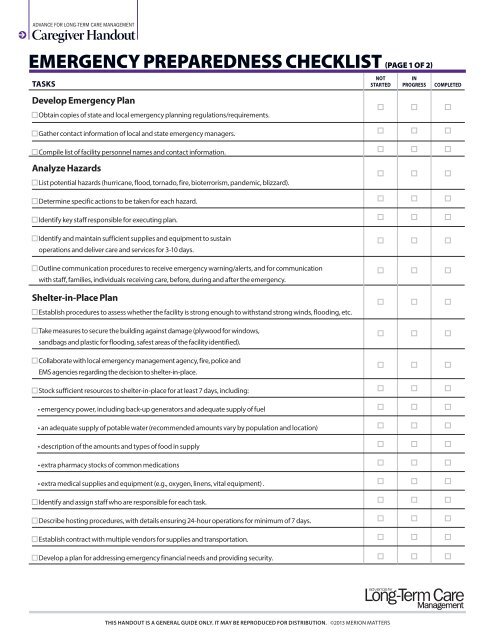
Evacuation planning plays a critical role in emergency preparedness. It helps protect lives by ensuring quick and safe exits during emergencies. A clear, practiced plan reduces confusion and panic. Every facility must have a detailed evacuation plan tailored to its unique needs.
This section covers key elements of evacuation planning. Focus areas include evacuation routes, assisting vulnerable individuals, and transportation arrangements. Each part contributes to smooth and efficient evacuations.
Evacuation Routes
Identify multiple evacuation routes for safety. Mark routes clearly and keep them free of obstacles. Regularly check signs and lighting to ensure visibility. Train staff and residents on these routes to boost confidence. Having more than one route avoids bottlenecks during emergencies.
Assisting Vulnerable Individuals
Plan for residents needing extra help. Include those with disabilities, elderly, and children. Assign staff or volunteers to assist them promptly. Ensure evacuation equipment suits their needs, like wheelchairs or stretchers. Practice scenarios to improve response and reduce delays.
Transportation Arrangements
Arrange transport options before emergencies happen. Coordinate with local agencies, bus companies, or ambulance services. Keep a list of available vehicles and contact information ready. Plan routes for pickup and drop-off points. Confirm drivers and vehicles are trained for emergency situations.
Credit: www.yumpu.com
Communication Strategies
Effective communication is vital during emergencies. Clear strategies ensure everyone stays informed and safe. These strategies cover messages inside the organization and to the public. Proper planning reduces confusion and speeds up response times.
Internal Communication
Communicate quickly with all staff members. Use clear, simple language to avoid misunderstandings. Designate communication leaders for each department. Share emergency roles and responsibilities in advance. Conduct regular drills to practice communication plans. Keep contact lists updated for all employees. Use multiple channels to reach everyone fast. Encourage staff to report issues immediately.
External Notifications
Notify residents, families, and visitors promptly. Prepare templates for common emergency messages. Use clear, calm language to reduce panic. Coordinate with local emergency services for accurate updates. Share information on evacuation routes and shelter locations. Provide regular updates until the situation resolves. Use phone calls, texts, or emails as needed. Ensure messages reach people with special needs.
Use Of Technology
Leverage technology to improve communication speed and reach. Use mass notification systems for quick alerts. Implement two-way communication tools for feedback. Use social media to share updates with the community. Ensure backup power for communication devices. Train staff on emergency communication technology. Test all systems regularly to ensure reliability. Choose easy-to-use tools for all users.
Resource Management
Effective resource management plays a critical role in emergency preparedness. It ensures that all necessary materials and equipment are available and ready for use. Proper management reduces risks and helps staff respond quickly and confidently during emergencies.
Organizing resources ahead of time supports smooth operations and protects everyone involved. This section outlines key areas to focus on in resource management for emergency preparedness.
Emergency Supplies
Stockpile essential emergency supplies in an accessible location. Items should include water, non-perishable food, flashlights, batteries, and blankets. Regularly check expiration dates and replace old items. Keep supplies organized and easy to find during a crisis.
Medical Equipment
Maintain medical equipment in good working order. This includes first aid kits, oxygen tanks, and emergency medications. Train staff on proper use and storage. Ensure backup equipment is available in case of failure or high demand.
Facility Security Measures
Implement security measures to protect the facility and resources. Secure entry points and install surveillance systems if possible. Prepare materials such as plywood and sandbags to protect against environmental damage. Identify safe areas for shelter within the building.
Staff Training
Staff training is essential for effective emergency preparedness in any healthcare setting. Well-trained staff respond quickly and confidently during emergencies. Training builds knowledge, skills, and teamwork. It reduces errors and improves safety for everyone involved. Regular practice and clear role assignments keep staff ready. Training also helps staff develop skills needed for various emergency situations.
Regular Drills
Regular drills simulate real emergency situations. They help staff practice their response actions. Drills reveal gaps in plans and training. Staff learn how to stay calm and act fast. Frequent drills build muscle memory and confidence. They prepare staff for different types of emergencies.
Role Assignments
Clear role assignments ensure every staff member knows their duties. Assign roles based on skills and experience. Roles include communication, evacuation, medical aid, and safety checks. Role clarity reduces confusion and duplication of efforts. Staff should practice their assigned roles during drills. This helps the team work smoothly under pressure.
Skill Development
Skill development focuses on improving specific emergency tasks. Train staff in first aid, fire safety, and equipment use. Provide updates on new emergency procedures and tools. Encourage continuous learning through workshops and courses. Skilled staff can handle emergencies more effectively. Ongoing skill development enhances overall preparedness.
Plan Maintenance
Maintaining your emergency preparedness plan ensures it stays effective and ready for any crisis. Regular checks keep the plan current, accurate, and easy to use. A well-maintained plan supports quick decisions and smooth actions during emergencies.
Annual Reviews
Review your emergency plan at least once a year. Check every section for relevance and accuracy. Confirm contact details, roles, and procedures are up to date. Annual reviews help spot gaps and outdated information. This process keeps your plan reliable and ready to protect everyone.
Plan Updates
Update the plan whenever changes occur in your facility or staff. Add new risks or remove outdated ones. Adjust evacuation routes if the building layout changes. Reflect lessons learned from drills or real events. Keeping the plan current improves safety and response times.
Documentation Accessibility
Make sure the emergency plan is easy to find by all staff. Store printed copies in visible, secure locations. Provide digital access through shared drives or apps. Train staff on where and how to access the plan fast. Quick access to documentation saves precious time during emergencies.
Credit: content.civicplus.com
Special Considerations
Special considerations are essential in emergency preparedness plans. They address unique challenges and specific needs during crises. These factors ensure safety and effective response for all involved.
Planning must cover health threats, care requirements, and community coordination. Ignoring these details can lead to gaps in protection and response.
Handling Emerging Infections
Emerging infections require rapid detection and response. Facilities must have protocols to isolate and treat infected individuals. Staff training on infection control is crucial. Personal protective equipment (PPE) should be readily available and used properly. Regular updates on new health threats help keep everyone prepared.
Long-term Care Needs
Long-term care residents need special attention during emergencies. Plans should include medication management and continuity of care. Evacuation procedures must consider mobility and cognitive challenges. Communication with families is vital to ease anxiety. Backup power and medical supplies must be ensured for ongoing treatment.
Coordination With Local Agencies
Effective emergency response depends on strong local agency partnerships. Communication channels with fire, police, and health departments must be clear. Joint training exercises improve readiness and teamwork. Sharing resources helps manage large-scale events better. These collaborations enhance safety and recovery efforts for all.
Frequently Asked Questions
What Is A Cms Checklist For Emergency Preparedness?
A CMS checklist outlines essential steps healthcare facilities must follow. It ensures compliance with federal emergency preparedness regulations. The checklist covers evacuation plans, communication protocols, and resource management. It helps facilities stay ready for natural disasters and other emergencies.
Why Is Cms Emergency Preparedness Important?
CMS emergency preparedness protects patients and staff during crises. It ensures continuity of care and safety in healthcare settings. Compliance reduces risks and meets federal standards. Proper planning minimizes disruptions and improves response efficiency during emergencies.
How Often Should Cms Emergency Plans Be Reviewed?
CMS emergency plans must be reviewed at least annually. Regular updates address new risks and changes in facility operations. This ensures plans remain effective and compliant with CMS regulations. Staff should be trained on any updates promptly.
What Key Elements Are In A Cms Emergency Plan?
Key elements include evacuation procedures, communication systems, and resource management. The plan must identify roles, responsibilities, and emergency contacts. It should also address securing the facility and supporting vulnerable populations. Documentation must be accessible to all staff.
Conclusion
A strong emergency plan saves lives and reduces risks. Follow the CMS checklist step-by-step. Keep your plan clear, simple, and updated yearly. Train your team and practice drills often. Stay ready to protect everyone during a crisis. Preparedness brings confidence and safety to all.
Start today and build a safer tomorrow.