
Your bathroom deserves more than just functionality—it should inspire and refresh you every day. Choosing the right bath tile design can transform your space from ordinary to extraordinary.
Whether you want a sleek, modern look or a cozy, classic vibe, the perfect tile can make all the difference. You’ll discover bathroom bath tile design ideas that fit your style, budget, and space. Ready to find tiles that bring your dream bathroom to life?
Keep reading and get inspired to create a space you’ll love stepping into.
Tile Types
Choosing the right tile type shapes the look and feel of your bathroom. Tiles protect walls and floors from water damage. They also add texture, color, and style. Different tile materials offer unique benefits and aesthetics. Consider your bathroom’s style and maintenance needs when selecting tile types.
Ceramic And Porcelain
Ceramic and porcelain tiles are popular for bathrooms. They resist water and stains well. Porcelain is denser and less porous than ceramic. Both come in many colors and patterns. These tiles are easy to clean and maintain. They fit any bathroom style, from classic to modern.
Natural Stone
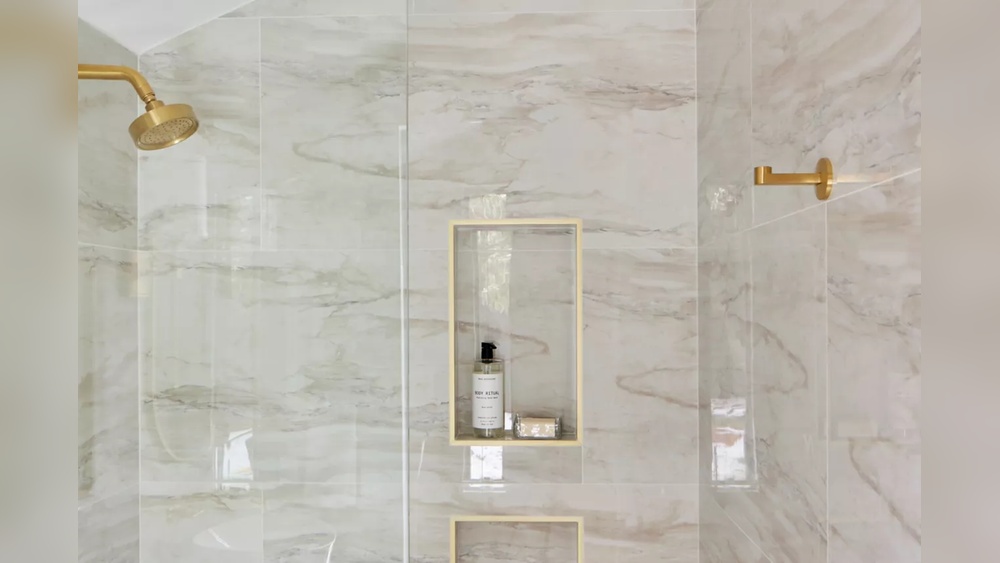
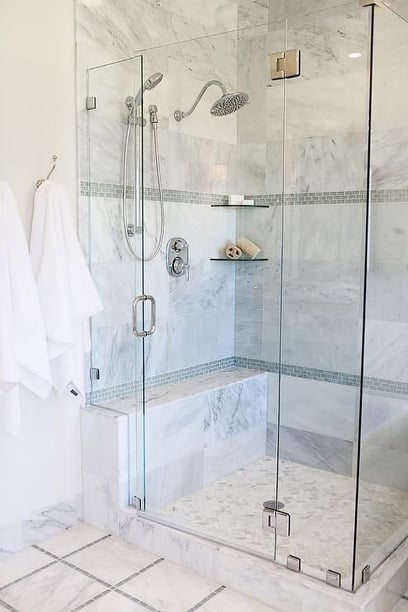
Natural stone tiles include marble, granite, and slate. They bring luxury and natural beauty to bathrooms. Each stone tile is unique with different veins and colors. Stone requires sealing to prevent water damage. It adds warmth and texture to shower walls and floors.
Glass And Mosaic
Glass tiles brighten bathrooms with their shine and color. They reflect light, making spaces look larger. Mosaic tiles combine small pieces of glass or stone. These tiles create artistic patterns and designs. They suit backsplashes, shower accents, and feature walls.
Terracotta And Cement
Terracotta tiles offer a warm, rustic look. They have earthy tones and a natural finish. Cement tiles come in bold patterns and colors. Both types are durable and can handle moisture. They add character and charm to traditional or modern bathrooms.

Credit: advancedesignstudio.com
Color Schemes
Choosing the right color scheme for bathroom bath tiles sets the mood and style of the entire space. Colors influence how large or cozy your bathroom feels. They can brighten the room or create a calming retreat. Picking colors that match your taste and bathroom size is key.
Neutral Tones
Neutral tones like beige, gray, and white create a timeless look. These colors make the bathroom feel clean and spacious. Neutral tiles work well with any decor style. They offer flexibility for adding colorful accessories later. Soft neutrals bring warmth without overwhelming the space.
Bold And Bright
Bold and bright colors add energy and personality. Vivid blues, reds, or greens create a striking statement. Use bright tiles on one wall or in the shower area. They bring fun and vibrancy to the bathroom. Bright colors work best in larger bathrooms for balance.
Monochrome Looks
Monochrome tile schemes use shades of one color. Black, white, or gray tiles in varying shades create depth. This style looks modern and elegant. It fits well in minimalist and contemporary bathrooms. Monochrome designs keep the space simple yet stylish.
Pastel Shades
Pastel shades like soft pink, mint green, or baby blue offer a gentle, soothing feel. These colors brighten the bathroom without being too loud. Pastel tiles work great in small bathrooms to add light. They create a fresh and airy atmosphere for relaxation.
Tile Patterns
Tile patterns can transform a bathroom’s look and feel. They add texture and style to simple surfaces. Choosing the right pattern creates visual interest and defines the space.
Different tile arrangements suit different bathroom sizes and themes. Some patterns bring a classic vibe. Others offer a modern or playful touch. The layout can make your bathroom appear larger or cozier.
Herringbone And Chevron
Herringbone tiles form a zigzag pattern with a sharp, angled design. This pattern adds movement and depth to walls or floors. It works well with rectangular tiles and creates a classic yet trendy look.
Chevron tiles are similar but have a continuous V shape. The ends of each tile meet perfectly, creating a seamless flow. Chevron looks elegant and suits modern or traditional bathrooms alike.
Subway And Brick
Subway tiles are rectangular and often laid in a staggered pattern. This classic style mimics brick walls and offers a clean, timeless look. It fits any bathroom style, from simple to sophisticated.
The brick pattern is a variation of subway tiles. The offset rows resemble a brick wall’s structure. It adds texture and interest without overwhelming the space. Easy to install and maintain.
Hexagon And Geometric
Hexagon tiles bring a unique, honeycomb effect to bathroom floors or backsplashes. Their six-sided shape offers a modern, geometric appeal. You can mix colors for a playful or subtle look.
Geometric patterns use shapes like triangles, diamonds, or squares. They create bold designs and artistic floors. Ideal for those wanting a striking, creative bathroom space.
Vertical And Horizontal Layouts
Horizontal tile layouts stretch the room’s width, making small bathrooms appear wider. They create a calm, orderly feel. This layout suits subway and rectangular tiles best.
Vertical tile arrangements draw the eye upward, adding height to the room. Perfect for low ceilings or compact spaces. Vertical patterns bring a fresh and modern touch to walls or showers.
Credit: www.baycitiesconstruction.com
Textured Tiles
Textured tiles add depth and interest to bathroom walls and floors. They create a unique look that simple flat tiles cannot match. These tiles bring a tactile element that enhances the space’s style and feel. Textured tiles suit various bathroom designs, from modern to classic. They also help hide water spots and smudges better than smooth tiles.
Fluted And Ribbed
Fluted and ribbed tiles feature grooves or ridges that run in straight lines. These patterns create shadows and light play, adding visual movement. They work well on shower walls and backsplashes to add subtle texture. The linear design helps elongate small spaces, making bathrooms feel larger. Fluted and ribbed tiles come in many colors and sizes.
3d And Sculpted
3D and sculpted tiles have raised or recessed designs. These tiles stand out with bold patterns and shapes. They create a strong focal point in the bathroom. Use them on one wall or behind the vanity for dramatic effect. These tiles bring a sense of luxury and artistry to the room. Choose simple colors to keep the look balanced.
Matte Vs Glossy Finishes
Matte textured tiles offer a soft, natural appearance. They hide water spots and fingerprints well. Matte finishes feel smooth but not shiny. Glossy textured tiles reflect more light, brightening the space. They can make small bathrooms look larger and cleaner. However, glossy surfaces show smudges more easily. Both finishes work well with texture, depending on the style desired.
Feature Walls
Feature walls transform ordinary bathrooms into stunning spaces. They highlight a specific area with eye-catching tiles. This adds depth and character without overwhelming the room. Choosing the right tile pattern, texture, and color creates a unique focal point. Feature walls balance style and function in bathroom design.
Accent Shower Walls
Accent shower walls make showers stand out. Use bold, colorful tiles or intricate patterns. Contrasting tiles from the rest of the bathroom create visual interest. Textured tiles add a tactile element, making the space inviting. This design elevates the shower area, turning it into a centerpiece.
Backsplashes And Niches
Backsplashes protect walls and enhance style. Choose tiles that complement sinks and countertops. Niches within showers provide space and style. Tile niches with mosaic or small patterned tiles for detail. Both backsplashes and niches offer functional beauty in bathroom design.
Floor-to-ceiling Designs
Floor-to-ceiling tile designs create a dramatic effect. They make bathrooms feel taller and more spacious. Large-format tiles work well for a seamless look. Vertical patterns guide the eye upward for added height. This technique turns walls into bold, artistic statements.
:strip_icc()/Meredith.BKB.Greenville.Stilwell.Bath_2_preview-020edb0b4d8d44ad873910583fe02f4d.jpg)
Credit: www.bhg.com
Small Bathroom Tips
Small bathrooms need smart tile choices to feel bigger and brighter. Using the right tiles can open the space and add style without crowding it. Focus on colors, tile size, and surface finish to create a fresh look.
Light Colors To Open Space
Light colors make a small bathroom look larger. Whites, creams, and soft pastels reflect light well. These shades create an airy and open feel. Avoid dark colors that absorb light and shrink the space visually.
Large Format Tiles
Large tiles reduce the number of grout lines. Fewer grout lines make the floor or wall appear less busy. This effect helps the bathroom feel more spacious and neat. Use rectangular or square large tiles for a clean look.
Reflective Surfaces
Glossy tiles bounce light around the room. This adds brightness and depth to small bathrooms. Consider polished ceramic or glass tiles for walls or backsplashes. Reflective surfaces make the space feel fresh and lively.
Mixing Materials
Mixing materials in bathroom bath tile design creates a unique and inviting space. Combining different textures and finishes adds depth and personality. It breaks the monotony often seen in single-material designs. This approach offers endless possibilities for creativity. It also helps balance style and function in the bathroom.
Combining Tile And Wood
Tile and wood together bring warmth and durability. Wood adds a natural, cozy feeling to the bathroom. Tiles provide water resistance and easy maintenance. Use wood-look tiles for a moisture-friendly option. Real wood can be placed in areas away from direct water. This mix softens the coldness of tile and creates visual interest.
Metallic Accents
Metallic accents add a modern, sleek touch to tile designs. Brushed brass, copper, or stainless steel work well in bathrooms. Use metal trim or inlays within tile patterns. Small metallic pieces catch light and add shine. This contrast highlights tile shapes and colors. It also gives a luxurious feel without overwhelming the space.
Using Grout As A Design Element
Grout color influences the overall look of tiled surfaces. Dark grout with light tiles creates a bold, graphic effect. Light grout with dark tiles offers a subtle, seamless look. Colored grout can complement or contrast tile shades. It can emphasize geometric patterns or shapes. Using grout creatively adds an extra layer of design without extra cost.
Maintenance And Durability
Choosing the right bathroom bath tile involves more than just style. Maintenance and durability play key roles in keeping your bathroom looking fresh for years. Tiles must handle moisture and daily wear without losing charm.
Understanding how tiles resist water, how to clean them properly, and which types last longer helps you make smart choices. This section explores these important factors for bathroom bath tiles.
Water Resistance
Bathroom tiles face constant exposure to water and steam. Good water resistance prevents damage and mold growth. Porcelain and ceramic tiles have high water resistance, making them ideal for wet areas. Natural stone tiles need sealing to improve water resistance. Ensure grout lines are sealed to stop water from seeping in. Proper water resistance extends tile life and keeps your bathroom safe and clean.
Cleaning Tips
Cleaning bathroom tiles regularly keeps them bright and hygienic. Use mild soap and warm water for daily cleaning. Avoid harsh chemicals that may damage tile surfaces. A soft brush helps remove dirt from grout lines. Dry tiles after cleaning to prevent water spots and mold. Regular maintenance reduces stains and keeps tiles looking new longer.
Long-lasting Choices
Durable tiles save time and money by lasting many years. Porcelain tiles are dense and strong, perfect for high-traffic bathrooms. Ceramic tiles offer good durability at a lower cost. Natural stones like granite and slate provide toughness but need care. Choose tiles rated for bathroom use to ensure long-lasting performance. Durable tiles keep your bathroom beautiful with minimal upkeep.
Eco-friendly Options
Eco-friendly bathroom bath tile options help protect the environment. They reduce waste and save natural resources. Choosing green tiles also creates a healthier home space. These tiles combine style with sustainability for your bathroom.
Recycled Tiles
Recycled tiles use waste materials like glass or ceramic. This process lowers landfill waste and cuts down on raw material use. Recycled tiles come in many colors and patterns. They add unique charm while supporting eco-conscious living.
Sustainable Materials
Tiles made from sustainable materials include bamboo, cork, and clay. These materials grow quickly or are abundant in nature. They need less energy to produce compared to conventional tiles. Sustainable tiles offer natural textures and earthy tones for bathrooms.
Low-impact Manufacturing
Low-impact manufacturing reduces pollution and energy use. Factories may use solar power or recycle water. This process limits harmful chemicals and carbon emissions. Choosing tiles made this way supports cleaner production and a safer planet.
Frequently Asked Questions
What Is The Current Trend On Bathroom Tile?
Current bathroom tile trends include large-format tiles, bold patterns, natural textures, and neutral tones for a modern, stylish look.
What Is The 1/3 Rule For Tile?
The 1/3 rule for tile means offsetting tile joints by one-third of the tile’s length. This creates a balanced, visually appealing pattern. It prevents alignment of grout lines, reducing a grid-like look. This technique enhances design flow and adds interest to tiled surfaces.
What Is The 3/4/5 Rule For Tiling?
The 3/4/5 rule for tiling ensures square corners by measuring 3, 4, and 5 units along edges to form a right triangle. This method helps align tiles accurately during installation for perfect right angles.
What Color Tile Is Best For A Bathroom?
Light-colored tiles like white, beige, or soft gray work best for bathrooms. They brighten space and create a clean, fresh look.
Conclusion
Choosing the right bathroom bath tile design can refresh your space easily. Simple patterns can make small bathrooms look bigger. Bold colors add personality without overwhelming the room. Textured tiles bring a cozy, natural feel to your bath. Mixing different shapes creates a unique, stylish look.
Remember to pick tiles that resist water and clean well. Your bathroom can become both beautiful and practical. Start with ideas that match your style and budget. Enjoy the process of transforming your bath with tile creativity.