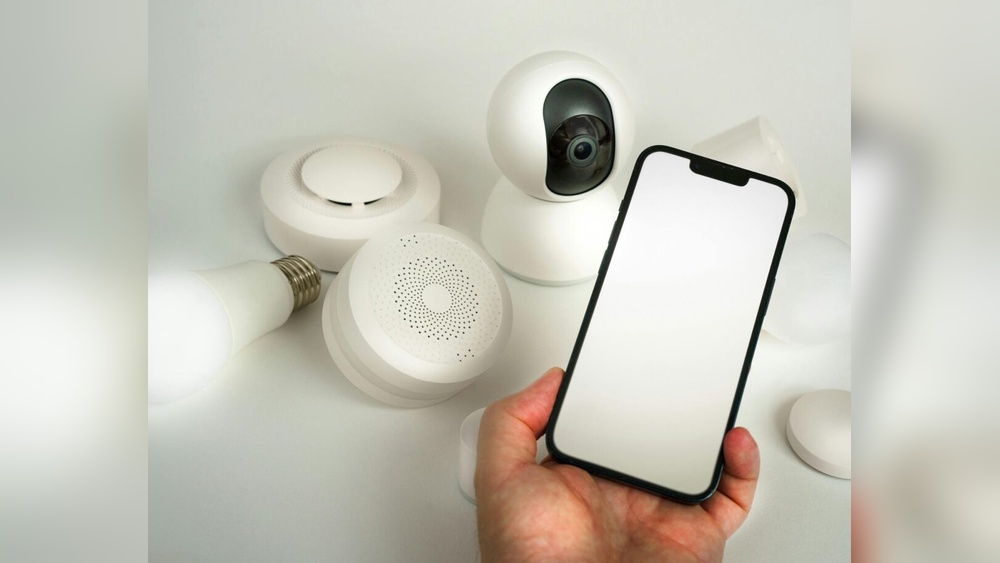

Your home is your sanctuary, and keeping it safe is a top priority. But traditional security measures can feel outdated and sometimes complicated.
What if you could protect your home with gadgets that are not only smart but also easy to use and packed with innovative features? Imagine having eyes everywhere, instant alerts on your phone, and systems that learn and adapt to keep you safer than ever before.
You’ll discover the latest breakthrough gadgets designed to transform your home security. Ready to upgrade your peace of mind and take control like never before? Keep reading to find out which smart devices can make your home truly secure.
Smart Cameras
Smart cameras have become a key part of modern home security. They let you watch your home from anywhere using your smartphone. These cameras offer real-time alerts and clear video footage. Their smart features help catch unusual activity quickly and keep your home safer.
Smart cameras vary by where they are used. Some work best inside, some outside, and others fit perfectly at your door. Each type serves a special purpose to protect your home better.
Indoor Cameras
Indoor cameras keep an eye on your home’s inside spaces. They are small and easy to place on shelves or walls. Many indoor cameras have night vision to see in the dark. Two-way audio lets you talk to people inside your home. These cameras help watch pets, kids, or any unexpected visitors.
Outdoor Cameras
Outdoor cameras protect your home’s outside areas. They are built to resist rain, wind, and sun. Many come with motion detection to alert you to movement near your house. Some models include floodlights to scare off intruders. Outdoor cameras cover driveways, yards, and entry points clearly.
Doorbell Cameras
Doorbell cameras add security right at your front door. They show who is visiting before you open the door. These cameras often have built-in microphones and speakers. You can speak with visitors or delivery people remotely. Doorbell cameras also record videos to check any missed visitors later.

Credit: theweek.com
Alarm Systems
Alarm systems form the core of home security. They alert homeowners about unauthorized entries. Modern alarms use smart technology for faster, clearer alerts.
These systems vary from simple alarms to complex setups with sensors and cameras. Choosing the right alarm system depends on your home’s needs and budget.
Wireless Alarms
Wireless alarms are easy to install and flexible. They use Wi-Fi or Bluetooth to connect sensors and alarms. No wires mean less damage to walls and faster setup.
These alarms send alerts directly to your phone. You can control and monitor your home from anywhere. Battery-powered models offer backup during power outages.
Diy Security Kits
DIY kits let you install alarms without experts. They include sensors, alarms, and a control panel. Instructions are simple and tools often come with the kit.
DIY kits save money and allow customization. You can add cameras or extra sensors later. They work well for renters or small homes.
Professional Monitoring
Professional monitoring services watch your alarm 24/7. When triggered, they contact you and emergency services. This adds an extra layer of security and peace of mind.
Some services offer fast response times and customer support. They may also include smartphone apps for real-time alerts. Professional monitoring suits larger homes and high-risk areas.
Motion Sensors
Motion sensors play a key role in home security systems. They detect movement and alert homeowners to potential threats. These sensors can cover large areas and work day and night. Their quick response helps prevent break-ins and keeps homes safe.
Battery-powered Sensors
Battery-powered motion sensors offer easy installation. They do not need wires or power outlets. This flexibility allows placement in many spots around your home. Long battery life means fewer replacements. These sensors continue working during power outages.
Wi-fi Enabled Sensors
Wi-Fi enabled motion sensors connect directly to your home network. They send instant alerts to your phone or device. These sensors provide real-time updates no matter where you are. Remote monitoring helps you react quickly to any movement detected.
Integration With Smart Devices
Many motion sensors work with smart home systems. They can trigger alarms, lights, or cameras automatically. This integration enhances your security setup without extra effort. You can control all devices from one app, making management simple and efficient.
Smart Locks
Smart locks bring new levels of safety and ease to home security. They replace traditional keys with modern technology. With these locks, managing who enters your home is simple and safe. Smart locks fit many door types and styles. They provide convenience and peace of mind for every household.
Keyless Entry
Keyless entry means no more lost or stolen keys. You can open your door using a code, card, or smartphone app. This feature allows easy access for family and friends without handing out physical keys. Keyless systems often include temporary codes for visitors. These locks help prevent unauthorized entry and increase home safety.
Remote Access
Remote access lets you control your lock from anywhere. Use your phone or computer to lock or unlock your door. This is useful when you forget to lock the door or need to let someone in while away. Remote access also shows if your door is locked. It gives full control and updates on your home’s security status.
Biometric Options
Biometric smart locks use fingerprints or facial recognition. These options offer high security by allowing only registered users to enter. Biometrics are fast and hard to fake. They remove the need to remember codes or carry keys. This technology suits those who want extra protection and ease of use.
Lighting Solutions
Lighting plays a key role in home security. Bright and well-placed lights can deter burglars and alert homeowners to activity outside. Modern lighting solutions use smart technology to enhance safety and convenience. These gadgets offer more than just illumination. They provide active protection and peace of mind.
Motion-activated Lights
Motion-activated lights turn on when they detect movement nearby. This sudden light can scare off intruders. These lights also help homeowners see clearly at night. Many models use energy-efficient LEDs to save power. They activate only when needed, making them eco-friendly and cost-effective.
Smart Bulbs
Smart bulbs connect to your phone or smart home system. You can control them remotely to turn lights on or off. Some smart bulbs change colors to simulate occupancy. This trick makes it seem like someone is home. Scheduling lights to turn on at certain times adds extra security. Many smart bulbs also offer dimming and energy monitoring features.
Integration With Security Systems
Lighting solutions can link with home security systems. When an alarm triggers, lights can flash or brighten automatically. This visual alert helps notify neighbors and scare intruders. Integration allows lights to work with cameras and sensors. This creates a complete security network for your home. Automating lights with security devices increases protection and ease of use.
Credit: digicrusader.com
Home Automation Hubs
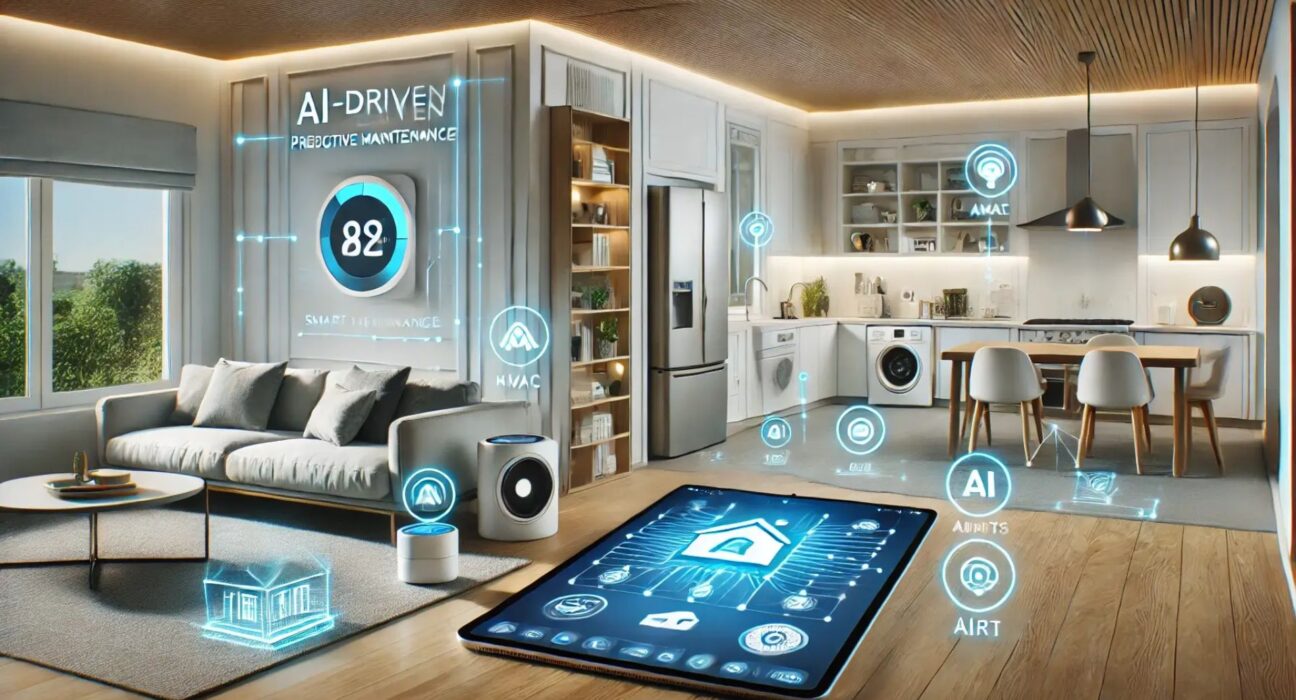
Home automation hubs are the heart of modern home security systems. They connect various smart devices, making security management simple and effective. These hubs let you control cameras, alarms, locks, and sensors from one place. This creates a seamless security experience that is easy to use and reliable.
Central Control Units
Central control units serve as the brain of your home security setup. They gather data from all connected devices and process it quickly. With a control unit, you can monitor your home in real-time. It also allows you to set security rules and get instant alerts. These units often feature easy-to-use interfaces, making security accessible for everyone.
Voice Assistant Integration
Voice assistant integration adds hands-free control to your security system. You can use simple voice commands to arm or disarm alarms. Controlling cameras and lights through voice saves time and effort. Popular assistants like Alexa, Google Assistant, and Siri work with many hubs. This integration enhances convenience and makes managing your home security smoother.
Device Compatibility
Device compatibility is key for a flexible security system. Home automation hubs support a wide range of smart gadgets. This includes cameras, door locks, motion sensors, and more. Compatibility ensures all devices work well together without issues. It also allows users to expand their system easily over time. Choosing a hub with broad compatibility future-proofs your home security.
Emerging Technologies
Emerging technologies are shaping the future of home security. These innovations improve protection and provide peace of mind. Smart homes now use advanced tools to detect and prevent threats quickly.
These new devices offer more than just cameras and alarms. They use intelligent systems to analyze situations and respond effectively. Homeowners can monitor their property easily and stay informed in real time.
Ai-powered Security
Artificial intelligence (AI) helps security systems learn and adapt. It can identify unusual activity and reduce false alarms. AI-powered cameras recognize patterns and alert homeowners about suspicious behavior.
These smart systems work day and night without tiring. They improve accuracy and speed in threat detection. AI also enables devices to communicate and coordinate for better protection.
Facial Recognition
Facial recognition technology adds a new layer of security. It identifies familiar faces and alerts owners about strangers. This feature helps control access to homes and restricts entry to unwanted visitors.
Systems with facial recognition become smarter over time. They can distinguish between family members, friends, and unknown people. This technology also speeds up unlocking doors without keys or codes.
Predictive Analytics
Predictive analytics uses data to forecast potential security risks. It analyzes past events and detects patterns that may indicate future threats. This allows homeowners to act before problems arise.
Smart security gadgets use these insights to improve safety plans. They can suggest adjustments and prepare for unusual activities. Predictive analytics makes home security more proactive and effective.
Choosing The Right Gadgets
Choosing the right gadgets for home security is key to protecting your space effectively. Each home has unique needs and challenges. Picking devices that match these needs ensures better safety. It also saves money and avoids unnecessary hassle. This section guides you through important factors before buying security gadgets.
Assessing Home Needs
Start by examining your home’s layout and risk areas. Identify entry points like doors and windows. Consider locations that need constant monitoring. Think about pets or children who might trigger sensors. Choose gadgets that fit these specific spots. Decide if you need cameras, alarms, or motion sensors. This step helps in selecting the most useful devices for your home.
Budget Considerations
Set a clear budget for your home security system. Balance between cost and features carefully. More expensive gadgets offer advanced functions but may not be necessary. Look for reliable brands that fit your price range. Factor in costs for installation and maintenance. Avoid overspending on gadgets you won’t use. Planning your budget helps in getting the best value.
Installation Tips
Install gadgets where they cover wide areas and are hard to tamper with. Follow manufacturer instructions for proper setup. Test devices after installation to ensure they work correctly. Use smart placement to avoid blind spots and false alarms. Consider professional help if the system is complex. Good installation maximizes the effectiveness of your security gadgets.
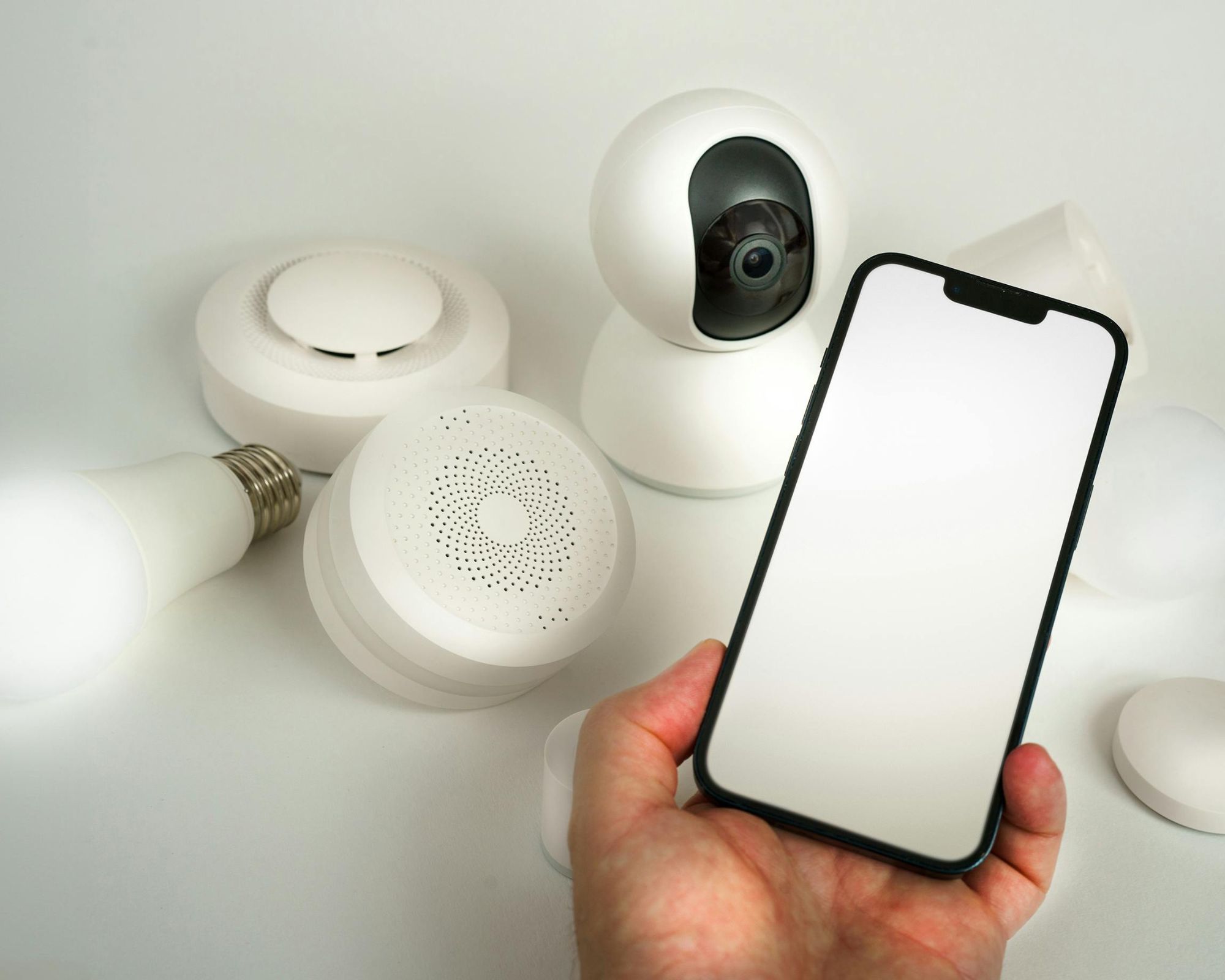
Credit: lessisanewmore.com
Frequently Asked Questions
What Are Some Smart Home Gadgets?
Smart home gadgets include smart speakers, security cameras, smart thermostats, smart locks, and smart lighting systems. They enhance convenience, security, and energy efficiency in homes. Popular brands are Google Nest, Ring, Ecobee, and Eufy. These devices connect via Wi-Fi and support voice control.
What Is The Best Home Security Device?
The best home security device combines smart cameras, motion sensors, and alarms for comprehensive protection. Popular options include Ring Alarm, Google Nest Cam, and Arlo systems. Choose devices with easy installation, reliable app control, and real-time alerts to secure your home effectively.
What Are Examples Of Security Gadgets?
Examples of security gadgets include smart cameras, motion sensors, alarm systems, doorbell cameras, and wireless security kits. These devices enhance home protection and monitoring.
Can Spy Gadgets Improve Home Security?
Spy gadgets enhance home security by providing real-time monitoring and discreet surveillance. They deter intruders and alert homeowners quickly. Using advanced technology, these devices improve safety and offer peace of mind effectively.
Conclusion
Innovative gadgets make home security easier and smarter today. Many options fit different needs and budgets. These tools help protect your family and property well. Choose devices that work best for your home setup. Stay safe with technology designed to keep you secure.
Small steps bring big peace of mind each day. Keep your home guarded with these smart solutions.