

Imagine cutting your home heating bills while making your living space smarter and more comfortable. That’s exactly what an energy-saving smart home heating system can do for you.
But have you ever wondered how these advanced systems are made or where they come from? Welcome to the world of energy-saving smart home heating system manufacturing plants—where innovation meets efficiency. You’ll discover how these plants bring together cutting-edge technology and eco-friendly design to create heating solutions that save energy, reduce costs, and help protect the environment.
Ready to learn how your next smart heating system is crafted and why it’s a game-changer for your home? Let’s dive in.
Credit: news.panasonic.com
Smart Heating Technologies
Smart heating technologies improve home comfort and cut energy costs. These systems use modern methods to heat homes efficiently. They adjust heating based on real-time needs. This reduces wasted energy and lowers bills. Homes stay warm while using less power. Smart heating also supports environmental care by reducing emissions.
Geothermal Heat Pumps
Geothermal heat pumps use the earth’s stable temperature. Pipes buried underground carry water or refrigerant. This fluid absorbs heat from the ground in winter. It releases heat back in summer, cooling the home. This system uses less electricity than traditional heating. It works quietly and lasts longer. Homeowners save money and reduce carbon footprints.
Heat Pump Systems
Heat pump systems transfer heat from outside to inside. They work in both heating and cooling modes. These pumps use electricity efficiently to move heat. They do not create heat by burning fuel. Modern heat pumps adapt to changing temperatures. This keeps homes comfortable year-round. They reduce energy use compared to older systems.
Smart Thermostats
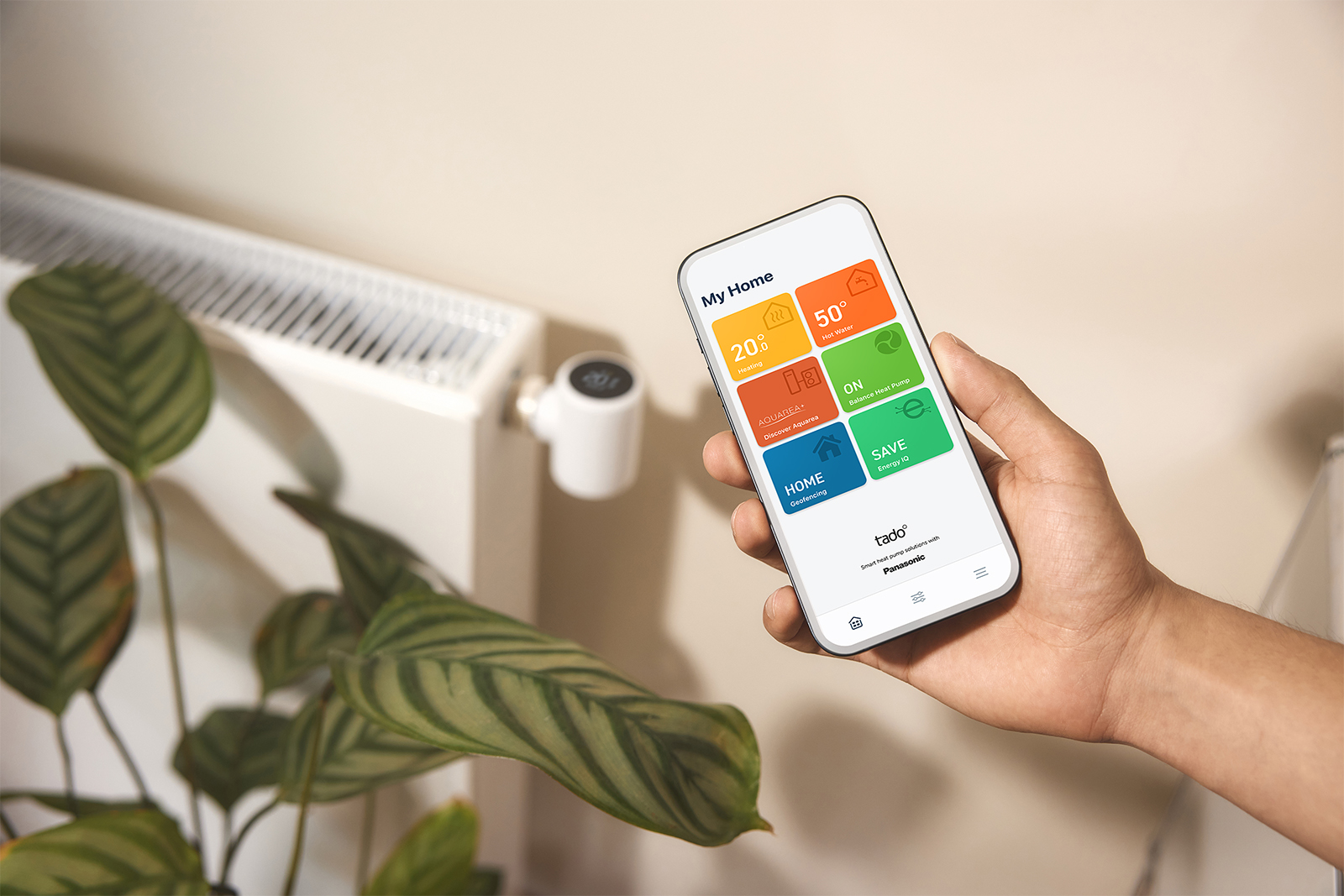
Smart thermostats control home temperature automatically. They learn daily routines and adjust heating schedules. Users can control them remotely with smartphones. These devices optimize heating times and reduce waste. They provide energy reports and suggest savings. Smart thermostats improve comfort and lower energy bills. Installation is simple and fits most heating systems.
Energy Efficiency Benefits
Energy efficiency is a key advantage of smart home heating systems. These systems use advanced technology to manage heat use carefully. The focus is on saving energy without losing comfort.
Smart heating controls adjust temperatures based on your daily routine and weather changes. This means less energy is wasted heating empty rooms or during warm days. The result is a heating system that works smarter, not harder.
Reducing Energy Consumption
Smart heating systems use sensors and timers to reduce energy use. They heat only when needed and avoid overheating spaces. This targeted heating lowers the total energy your home requires.
By controlling the heating precisely, the system cuts down on unnecessary power use. This helps save energy every day, making the home more efficient.
Lowering Carbon Footprint
Using less energy means producing fewer carbon emissions. Smart heating systems support a cleaner environment by reducing greenhouse gases. They rely on efficient energy use rather than more fuel.
Homes with smart heating contribute less to air pollution. This supports global efforts to fight climate change and protect natural resources.
Cost Savings For Consumers
Lower energy use leads to smaller utility bills. Smart heating systems can help consumers save money monthly. These savings add up over time, easing household expenses.
Investing in energy-efficient heating reduces the need for costly repairs and replacements. Consumers get lasting value from a system designed to save energy and money.
Manufacturing Plant Setup
Setting up a manufacturing plant for energy-saving smart home heating systems demands careful planning. The right setup ensures efficient production and high-quality products. It also helps reduce waste and energy use during manufacturing.
Choosing the right location, designing a smooth production process, and enforcing strict quality control are key steps. Each part of the setup influences the plant’s success and product reliability.
Location Selection Criteria
Selecting the ideal site affects costs and logistics. The plant should be near suppliers to cut material transport time. Access to skilled workers is essential for smooth operations. A location with stable power and water supply supports continuous production. Local laws and environmental rules must also be easy to comply with. Proximity to major markets reduces shipping costs and time.
Production Process Overview
The manufacturing process starts with raw material inspection. Components are then assembled with precision machines. Smart heating system parts require careful electronic integration. Testing at each stage prevents defects from moving forward. Final assembly combines mechanical and electronic parts. Automated systems speed up production and reduce errors. Packaging is designed to protect products and minimize waste.
Quality Control Measures
Quality control ensures every product meets strict standards. Inspections happen at raw material intake and after assembly. Functional tests check smart heating system performance. Defective units are removed before packaging. Continuous monitoring of machines keeps production steady. Staff training focuses on quality and safety. Documentation helps track issues and improve processes over time.

Credit: www.constellation.com
Integration With Smart Homes
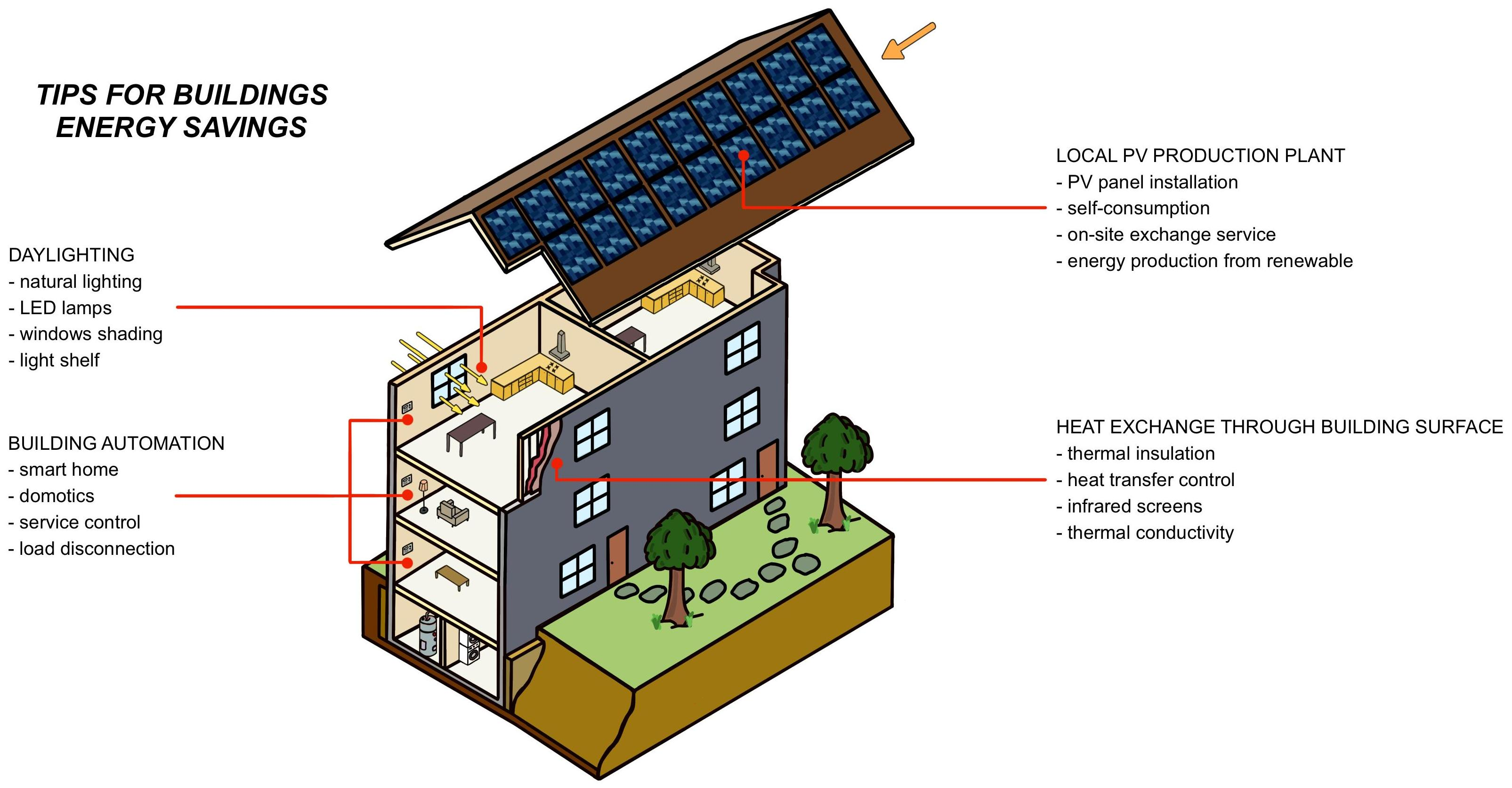
Integration with smart homes transforms traditional heating systems into intelligent energy savers. These systems connect seamlessly with other devices to improve comfort and reduce waste. Smart home heating systems adapt to daily routines and weather changes automatically. This integration makes homes more efficient and easier to manage.
Iot Connectivity
Smart heating systems use IoT to link with home networks. This connection allows remote control via smartphones or tablets. Users can check and adjust heating from anywhere, saving energy when away. The system also communicates with other smart devices to optimize overall home energy use.
Ai-enabled Temperature Control
Artificial intelligence helps the system learn user habits and preferences. It predicts the best times to heat rooms, balancing comfort and energy savings. The system adjusts settings based on weather forecasts and occupancy patterns. This smart control reduces unnecessary heating and lowers energy bills.
User-friendly Interfaces
Interfaces are designed for simple and clear use. Touchscreens, apps, and voice commands make controlling heating easy. Clear displays show current temperature and energy use. This helps users make informed decisions to keep their homes comfortable and efficient.
Sustainability Impact
The sustainability impact of an energy-saving smart home heating system manufacturing plant is significant. It drives the creation of products that reduce energy waste. These systems help lower carbon footprints and protect natural resources. The manufacturing process itself follows eco-friendly practices to minimize environmental harm. This commitment supports a cleaner, greener future for communities.
Eco-friendly Hvac Systems
These heating systems use less energy and produce fewer emissions. They rely on renewable sources and advanced technology. Components are designed to last longer and be recyclable. The plant focuses on reducing waste during production. This approach cuts pollution and conserves raw materials.
Reducing Fossil Fuel Dependence
The smart systems reduce the need for oil and gas heating. They often use electricity from clean sources like solar or wind. This shift lowers greenhouse gas emissions drastically. The manufacturing plant promotes innovation in alternative energy integration. It helps households move away from fossil fuels.
Supporting Green Building Initiatives
The heating systems align well with green building standards. They improve energy efficiency and indoor air quality. Builders prefer these systems for eco-conscious construction projects. The plant collaborates with green certification programs. This partnership accelerates sustainable development in housing.
Market Trends And Growth
The market for energy-saving smart home heating systems is growing rapidly. More people want to cut energy costs and reduce their carbon footprint. This demand drives manufacturers to improve technology and increase production. Understanding market trends helps businesses plan for future growth and innovation.
Demand In Austin, Texas
Austin shows strong demand for smart heating systems. The city has many energy-conscious homeowners. Local incentives promote use of energy-efficient products. This support increases sales and manufacturing activity. Austin’s climate also encourages efficient heating solutions. Manufacturers see Austin as a key growth area.
Global Adoption Rates
Smart heating systems gain popularity worldwide. Many countries push for greener energy use. Rising energy costs make smart systems attractive. Urban areas lead in adopting new technology. Adoption rates grow fastest in Europe and North America. Growth spreads to Asia and other regions.
Future Innovations
Manufacturers focus on smarter, more efficient systems. Integration with AI and IoT improves control and savings. New materials and sensors enhance system performance. Systems will better adapt to user habits and weather. Innovation reduces costs and boosts energy savings. These advances will shape future market growth.
Challenges And Solutions
Building an energy-saving smart home heating system manufacturing plant faces many challenges. These obstacles range from technical issues to market-related problems. Finding effective solutions is key to success. Each challenge requires careful planning and smart strategies.
Technical Barriers
Developing smart heating systems involves complex technology. Integrating sensors, software, and hardware is difficult. Systems must be reliable, accurate, and easy to use. Testing and quality control take time and resources. Manufacturers need skilled engineers and advanced tools. Overcoming these barriers improves product performance and customer satisfaction.
Cost And Accessibility
High production costs limit access to smart heating systems. Expensive parts and technology increase the final price. This can discourage buyers, especially in low-income areas. Manufacturers must find cost-effective materials and methods. Producing affordable products helps expand the market. Offering flexible payment plans or subsidies can also improve accessibility.
Consumer Education
Many people do not understand smart heating benefits. Lack of knowledge slows adoption and sales. Clear, simple information is needed to explain how systems save energy. Demonstrations and user guides make the technology less intimidating. Educating consumers builds trust and encourages smarter heating choices. This education supports a greener and more energy-efficient future.
Credit: www.mdpi.com
Frequently Asked Questions
What Is The Most Energy Efficient Type Of Heating System?
Geothermal heat pumps rank as the most energy-efficient heating systems. They use Earth’s stable underground temperature for heating. This method reduces energy use and lowers utility bills effectively.
What Is The Most Environmentally Friendly Hvac System?
Geothermal heat pumps are the most environmentally friendly HVAC systems. They use Earth’s stable temperature for efficient heating and cooling, reducing fossil fuel reliance and cutting energy use significantly.
Are Smart Heating Systems Worth It?
Smart heating systems save energy by optimizing temperature control and reducing waste. They enhance comfort and lower bills, proving cost-effective long-term.
Do Smart Home Devices Save Energy?
Smart home devices like thermostats and bulbs reduce energy use by optimizing consumption. Some devices may increase energy use.
Conclusion
Energy-saving smart home heating systems cut energy use and costs. These systems adjust heat precisely, avoiding waste and discomfort. Manufacturing plants in Austin create reliable, efficient products for many homes. Choosing smart heating helps protect the environment by lowering fossil fuel reliance.
This technology supports a greener future with cleaner energy use. Smart heating systems fit modern homes well and improve daily comfort. Investing in these systems brings long-term savings and energy benefits. Smart home heating is a practical step toward efficient living.