
Are you struggling to make the most of your small bathroom? Imagine turning that cramped space into a sleek, modern wet room that feels open and stylish.
Wet room designs for small bathrooms offer a smart way to maximize every inch without sacrificing comfort or style. Whether you want a seamless shower area or a bathroom that feels larger and more inviting, this guide will show you how to transform your space with practical ideas and clever layouts.
Keep reading to discover how your small bathroom can become a stunning wet room that works perfectly for your daily routine.
Space-saving Layouts
Space-saving layouts make wet rooms ideal for small bathrooms. They optimize every inch without crowding the area. Careful planning ensures comfort and style in compact spaces. Wet rooms open new possibilities for efficient bathroom designs.
Compact Wet Room Footprints
Compact wet rooms fit easily into small bathrooms. They use minimal floor space while providing full shower functions. A simple drain and waterproof floor keep water contained. Clear glass panels create an open feel without barriers. Compact designs reduce clutter and improve movement.
Alcove And Corner Solutions
Alcove wet rooms use three walls to save space. Corner wet rooms fit neatly into unused corners. Both layouts free up central floor area for other bathroom needs. Frameless glass or curtains stop water from spilling out. These solutions maximize room flow and usability.
Open Plan Designs
Open plan wet rooms remove shower enclosures entirely. This creates seamless space and easy access. A slight floor slope directs water to the drain. Light colors and large tiles enhance the spacious feel. Open plans work well in tiny bathrooms by reducing visual clutter.
Waterproofing Essentials
Waterproofing is crucial in wet room designs, especially in small bathrooms. It prevents water damage and keeps the room safe and durable. Proper waterproofing stops leaks and mold growth, protecting your investment. Every detail counts in creating a watertight space.
Materials That Resist Moisture
Select materials that block water effectively. Cement boards and waterproof drywall offer strong resistance. Use waterproof membranes under tiles for extra protection. Silicone and acrylic sealants also guard against moisture. These materials help maintain a dry, clean environment.
Floor Slope And Drainage Tips
The floor must slope gently toward the drain. A slope of about 1-2% ensures water flows away quickly. Place the drain in the lowest spot of the floor. Avoid flat floors that cause water pooling. Proper drainage prevents slips and water damage.
Sealing Techniques
Seal all joints, corners, and edges carefully. Use waterproof tape or liquid sealant on seams. Pay special attention to areas around drains and fixtures. Reseal regularly to maintain protection over time. Good sealing keeps water contained and the structure sound.
Shower Styles For Small Wet Rooms
Shower styles shape the feel and function of small wet rooms. Choosing the right style maximizes space and comfort. Small wet rooms benefit from simple, open designs that avoid clutter. The focus stays on clean lines and easy access. Here are three shower styles ideal for small wet rooms.
Walk-in Showers Without Doors
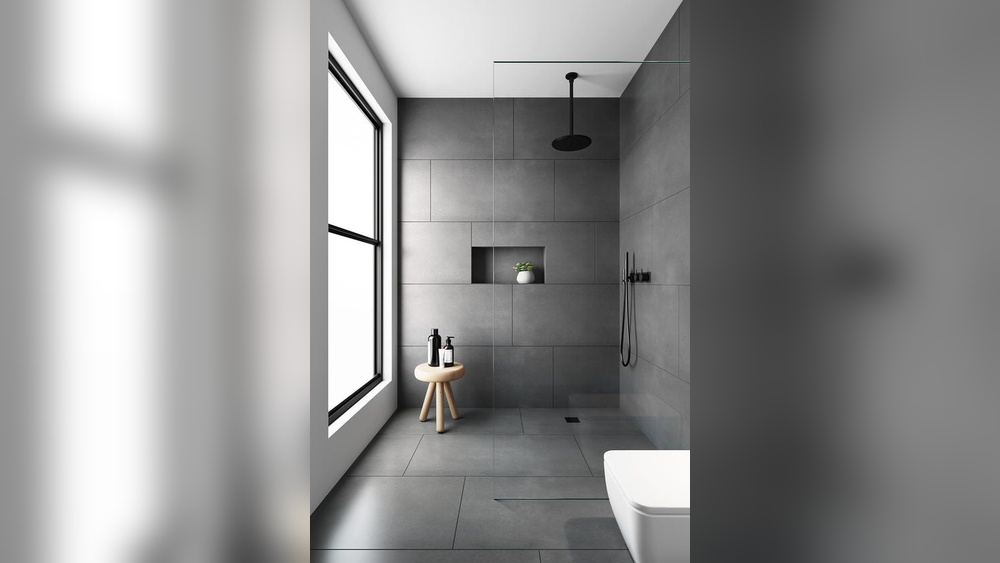
Walk-in showers without doors create a spacious, open look. They remove barriers and make the room feel larger. Water flows freely to a drain, keeping the floor safe. These showers suit narrow spaces and tight corners. Easy entry and exit improve accessibility and comfort.
Frameless Glass Panels
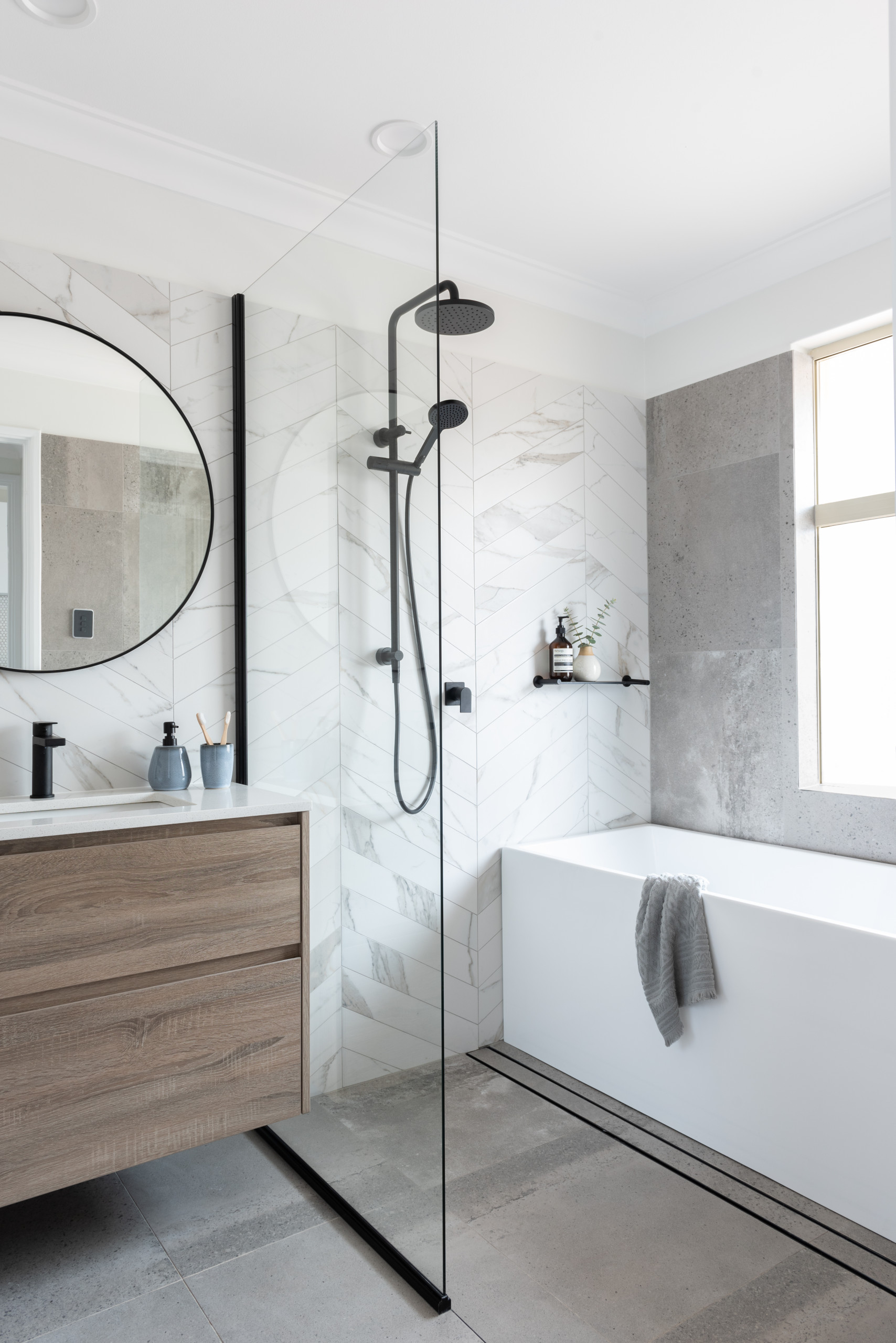
Frameless glass panels keep the wet room airy and bright. They act as a splash guard without closing off space. The clear glass adds modern style and reflects light well. Panels are easy to clean and maintain. They provide a sleek finish while preserving the room’s openness.
Wet Room Shower Heads
Wet room shower heads come in various shapes and sizes. Rainfall shower heads give a gentle, full-body spray. Wall-mounted heads save space and focus water where needed. Adjustable heads add flexibility for users of different heights. Selecting the right shower head enhances the overall wet room experience.
Credit: www.houzz.com
Storage Ideas To Maximize Space
Maximizing storage in a small wet room is essential for keeping the space tidy. Smart storage helps avoid clutter and makes the bathroom feel larger. Clever storage ideas create more room for essentials without crowding the area. Here are practical options to optimize storage in small wet rooms.
Built-in Niches And Ledges
Built-in niches fit neatly into shower walls. They provide space for soaps, shampoos, and other items. These recessed shelves keep products off the floor and counters. Ledges along the wall offer extra storage without using floor space. Both options blend into the design and maintain a clean look.
Wall-mounted Cabinets
Wall-mounted cabinets free up floor area. They offer closed storage for toiletries and towels. Choose slim, tall cabinets to save space. Floating cabinets create an open feeling below and make cleaning easier. Using the wall for storage keeps the room organized and spacious.
Hidden Storage Solutions
Hidden storage hides clutter from view and keeps the room neat. Examples include under-sink cabinets and mirrored medicine cabinets. These storage spots are practical and stylish. They help store items out of sight but within reach. Hidden storage is perfect for small bathrooms with limited space.
Fixtures And Fittings
Choosing the right fixtures and fittings is key for small wet room designs. They save space and improve the bathroom’s look. Compact and smart fixtures keep the room open and functional. Every piece should blend style with practicality.
Wall-mounted Toilets
Wall-mounted toilets free up floor space. They make cleaning easier and create a neat look. These toilets have a slim tank hidden inside the wall. This design fits perfectly in small bathrooms.
They also add a modern touch. The floating style gives the room more openness. Choose models with soft-close seats to avoid noise and damage.
Slimline Vanity Units
Slimline vanity units offer storage without bulk. Their narrow depth fits well in tight spaces. These vanities keep essentials handy without crowding the room. Look for units with drawers or shelves to organize toiletries.
The sleek design keeps the wet room looking tidy. Light colors and simple shapes enhance the sense of space. A wall-hung vanity can also create more floor clearance.
Space-saving Taps And Faucets
Space-saving taps and faucets reduce clutter around the sink. Compact designs use less space but still provide good water flow. Mixer taps combine hot and cold water in one lever for ease.
Choose wall-mounted taps to free up countertop area. Chrome or matte finishes add style without overwhelming the room. Small taps keep the wet room functional and stylish.
Tile Choices And Patterns
Choosing the right tiles and patterns is key for wet room designs in small bathrooms. Tiles affect the look, feel, and safety of the space. Smart tile choices make the room appear larger and more open.
Patterns can guide the eye and add interest without crowding the area. The right combination of size, texture, and color creates a stylish and functional wet room.
Large Format Tiles
Large format tiles cover more area with fewer grout lines. This creates a smooth, seamless look that opens up the space visually. Fewer grout lines also mean less cleaning and maintenance.
Choose tiles with a matte finish to reduce slip risks. Large tiles work well on both floors and walls, giving a cohesive look. They suit modern and minimalist wet room designs perfectly.
Non-slip Flooring Options
Safety is important in wet rooms. Non-slip tiles keep floors secure when wet. Look for tiles with textured surfaces or anti-slip ratings.
Ceramic and porcelain tiles with a rough finish offer good grip. Avoid glossy tiles on the floor, as they can become slippery. Non-slip flooring helps prevent accidents in small wet rooms.
Color Schemes To Enhance Space
Light colors make small bathrooms feel bigger and brighter. Whites, soft grays, and pale blues reflect light well. Use these shades on walls and floors for an airy feel.
Contrasting grout colors can highlight tile patterns without overwhelming the room. Avoid dark colors that shrink the space visually. A balanced color scheme creates a fresh and spacious wet room.
Lighting Techniques
Lighting plays a key role in enhancing wet room designs for small bathrooms. Good lighting creates a sense of space and highlights design features. It also improves safety and functionality in a wet environment.
Careful use of lighting techniques can make a small bathroom feel brighter and larger. A mix of natural and artificial light works best. Below are effective lighting ideas to brighten your wet room.
Natural Light Maximization
Natural light opens up small wet rooms and reduces the need for artificial light. Use frosted or clear glass windows to bring in daylight while maintaining privacy. Skylights are great if wall windows are not possible. Keep window treatments minimal to allow maximum light flow. Reflective surfaces like tiles and mirrors help spread natural light across the room.
Recessed And Ambient Lighting
Recessed lights offer clean, unobtrusive illumination ideal for small wet rooms. Place them evenly on the ceiling to avoid dark spots. Use warm white bulbs for a cozy feel. Ambient lighting adds softness and depth. Consider LED strips around the ceiling or under shelves. These lights create a relaxing atmosphere without taking up space.
Mirror Lighting Ideas
Mirrors boost light and space perception in small bathrooms. Install LED lights around or behind mirrors for even illumination. This reduces shadows on the face, perfect for grooming. Backlit mirrors add a modern touch and improve visibility. Choose moisture-resistant fixtures to ensure safety in wet conditions.

Credit: 34stjohn.com
Keeping The Space Clutter-free
Keeping a wet room in a small bathroom clutter-free is key to a neat and relaxing space. Wet rooms often lack traditional shower enclosures, so careful planning helps keep items organized and dry. Clear surfaces and smart storage prevent mess and make the room feel larger. Use simple design tricks to keep everything in its place.
Minimalist Accessories
Choose only essential accessories to avoid crowding the space. Keep toiletries in small, matching containers. Use wall-mounted soap dispensers and toothbrush holders to free up countertop space. Pick sleek designs that blend with the room’s style. Minimalist items reduce visual clutter and make cleaning easier.
Smart Organization Hacks
Use vertical storage to save floor space. Install shelves or niches in shower walls for shampoo and soap. Hooks and towel bars keep towels off surfaces. Consider waterproof baskets for extra storage. Label containers to find items quickly. Smart organization keeps everything accessible and tidy.
Maintaining Dry Zones
Create dry zones by placing shelves and storage away from direct water spray. Use glass screens or partial dividers to separate wet and dry areas. Keep towels and toilet paper in sealed holders or cabinets. Regularly wipe surfaces to prevent water build-up. Dry zones protect items and keep the room fresh.
Design Tips For Accessibility
Designing a wet room for a small bathroom requires careful planning to ensure accessibility for everyone. Accessibility means making the space safe and easy to use, especially for those with limited mobility. Simple design choices can help create a wet room that supports independence and comfort.
Elderly-friendly Features
Choose fixtures at comfortable heights to reduce bending or stretching. Install a walk-in shower with no steps to avoid tripping. Use a shower seat for resting and stability. Bright lighting helps improve visibility for older users. Clear space around the toilet and sink allows easy movement.
Slip-resistant Surfaces
Use slip-resistant tiles on the floor to prevent falls. Textured surfaces offer better grip even when wet. Avoid smooth, glossy finishes that become slippery. Consider mats with suction cups for extra safety. Regularly clean surfaces to remove soap residue and water spots.
Grab Bars And Support
Install grab bars near the shower, toilet, and sink. Bars should be sturdy and securely fixed to the wall. Place them at reachable heights for easy support. Use foldable or retractable bars to save space. These bars help users balance and reduce the risk of falls.
Common Challenges And Solutions
Designing a wet room in a small bathroom brings unique challenges. Managing water, ventilation, and protecting soft furnishings require careful planning. Smart solutions help create a functional and stylish space without compromising comfort.
Managing Water Spread
Water can easily spread across the entire wet room floor. Installing a slight floor slope directs water toward the drain. Use waterproof materials like tiles or sealed concrete. Glass screens or low barriers help contain splashes without closing off space. Regularly check seals and grout to avoid leaks and damage.
Ventilation Strategies
Wet rooms produce a lot of moisture. Proper ventilation stops mold and dampness. Install a strong extractor fan to remove humid air quickly. Keep windows open if possible to improve airflow. Use moisture-resistant paint to protect walls and ceilings. Good ventilation keeps the bathroom fresh and healthy.
Maintaining Soft Furnishings
Towels and mats can get wet easily in a wet room. Place hooks or heated towel rails away from direct water flow. Choose quick-dry materials for mats and shower curtains. Store extra towels in a dry cabinet or shelf. This keeps soft furnishings fresh and prevents mildew.
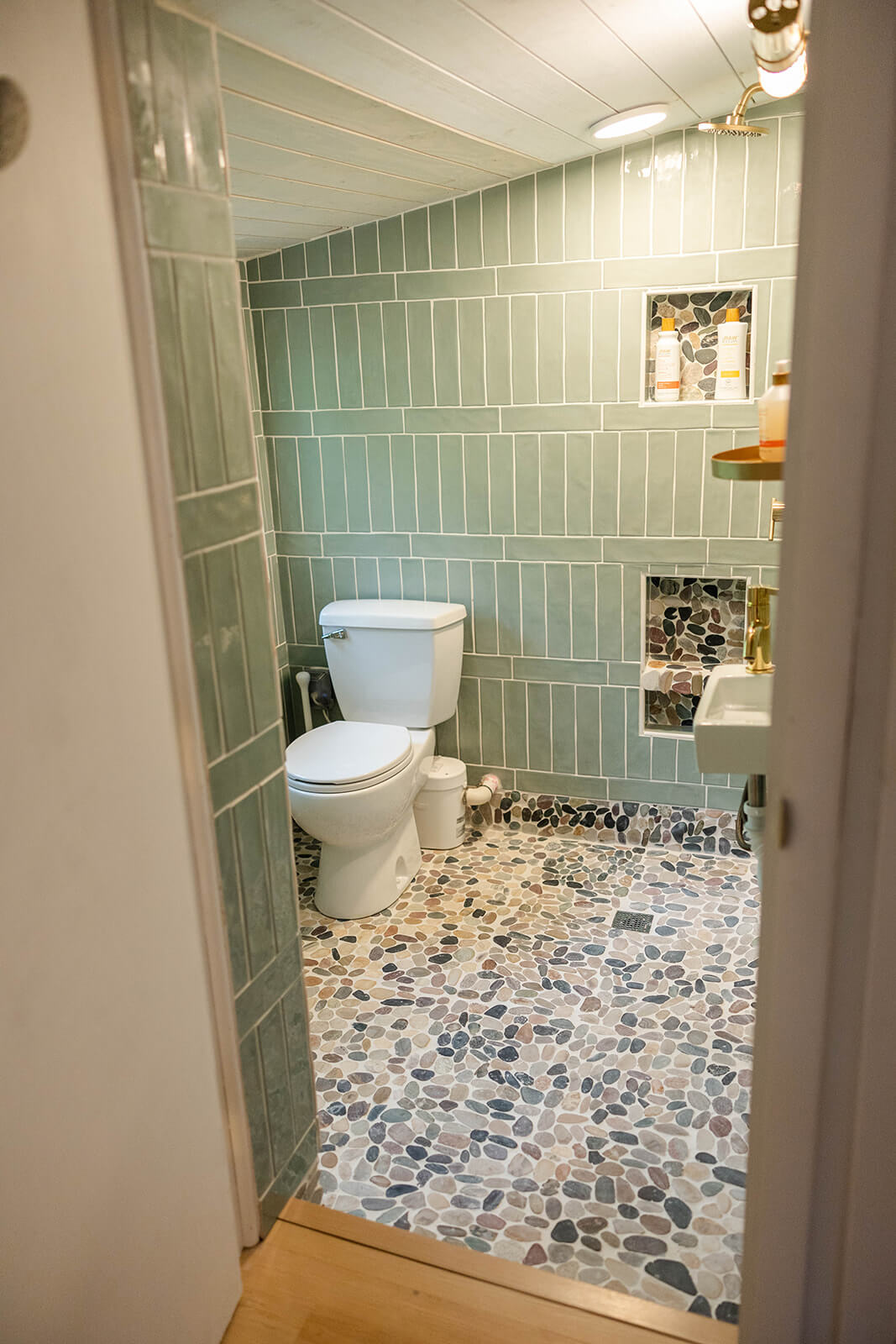
Credit: alifeunfolding.com
Frequently Asked Questions
Can You Have A Wet Room In A Small Bathroom?
Yes, you can have a wet room in a small bathroom. Use waterproof materials, install a drain, and add glass screens to save space and keep water contained.
What Is The Downside Of A Wetroom?
A wet room can cause the entire bathroom to get wet, making it hard to keep towels and soft items dry.
What Is The Best Shower Style For A Small Bathroom?
Alcove walk-in showers suit small bathrooms best. They fit between three walls, saving space. Frameless glass doors add a modern, open feel while containing water efficiently. Wet rooms also work well, offering seamless, open shower areas that maximize space and light.
What Is The Smallest Space Needed For A Wet Room?
The smallest space for a wet room is typically around 1. 5 to 2 square meters. This allows enough room for a shower area and essential fixtures. Proper waterproofing and drainage are crucial in compact wet room designs to prevent water damage and ensure functionality.
Conclusion
Small bathroom wet room designs maximize space and add style. Open layouts create a sleek, modern look while making cleaning easier. Use light colors and smart storage to keep the room airy and organized. Proper drainage and water-resistant materials prevent damage.
Simple touches like glass screens help control water flow without crowding. These designs prove that even tiny bathrooms can feel spacious and comfortable. Embrace wet room ideas to make the most of your small bathroom space.