Is your textured fiberglass shower floor looking dull or grimy? Cleaning it might seem tricky because of its rough surface, but with the right approach, you can restore its shine and keep it spotless.
You don’t have to struggle with stubborn stains or slippery soap scum anymore. In this guide, you’ll discover simple, effective methods to clean your textured fiberglass shower floor safely and thoroughly. By following these easy steps, you’ll enjoy a fresher, more inviting shower every time you step in.
Ready to transform your shower floor? Let’s dive in!
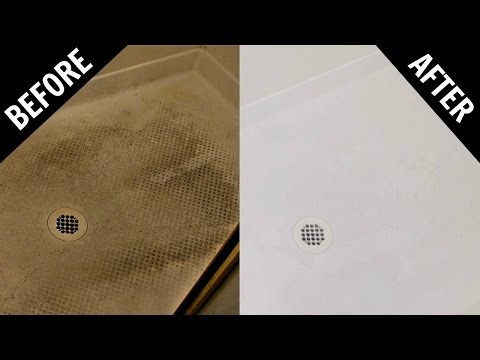
Credit: www.youtube.com
Choosing The Right Cleaner
Choosing the right cleaner is key to keeping your textured fiberglass shower floor spotless. The wrong cleaner can damage the surface or leave residue behind. Select a cleaner that cleans well but is gentle on fiberglass.
Fiberglass is sensitive to harsh chemicals, so care is essential. Many cleaners are available, but not all suit textured surfaces. Consider what type of cleaner fits your needs and safety preferences.
Natural Vs Chemical Options
Natural cleaners use ingredients like baking soda, vinegar, and lemon juice. They are gentle and safe for most surfaces. These options reduce exposure to strong chemicals and fumes.
Chemical cleaners often work faster and handle tough stains well. They may contain bleach or ammonia, which can harm fiberglass if used wrongly. Always check labels to avoid harsh acids or abrasives.
Natural cleaners take more time but protect your shower floor better. Chemical cleaners require careful use and rinsing to prevent damage. Choose based on your cleaning needs and comfort with chemicals.
Safe Cleaners For Fiberglass
Look for cleaners labeled safe for fiberglass or plastic surfaces. Mild dish soap mixed with warm water is a simple, effective choice. Use a soft brush or sponge to scrub gently without scratching.
Baking soda combined with water forms a mild paste that cleans without harm. White vinegar diluted with water also removes soap scum and mildew safely. Avoid harsh scrubbing pads or steel wool.
Commercial fiberglass cleaners are available and usually safe if used as directed. Always test a small area first to check for any adverse reaction. Proper rinsing after cleaning prevents residue build-up.
Preparing The Shower Floor
Preparing the shower floor is the first step to a successful clean. It helps remove surface dirt and sets the stage for deeper cleaning. Taking time here makes the whole process easier and more effective.
Removing Loose Dirt And Debris
Start by removing any loose dirt from the shower floor. Use a soft broom or a handheld vacuum to clear dust and hair. Pay attention to corners and textured areas where dirt hides. This step prevents scratching the fiberglass during cleaning.
Ventilating The Area
Open windows or turn on the bathroom fan to ventilate the space. Good airflow helps dry the floor faster after cleaning. It also reduces strong smells from cleaning products. Proper ventilation keeps the room fresh and safe.
Cleaning Techniques
Cleaning textured fiberglass shower floors requires specific techniques to maintain their appearance and safety. The texture helps prevent slipping but can trap dirt and grime. Using the right cleaning methods removes buildup without damaging the surface. This section covers effective ways to clean your shower floor safely and thoroughly.
Using Baking Soda And Vinegar
Baking soda and vinegar form a natural cleaning duo. Sprinkle baking soda over the wet floor. Then spray white vinegar on top. The mixture will fizz and lift dirt from the textured surface. Let it sit for 10 minutes to break down grime. Rinse well with warm water to remove all residue. This method cleans gently and avoids harsh chemicals.
Scrubbing Methods For Textured Surfaces
Use a soft-bristle brush to scrub the floor. Hard brushes can scratch fiberglass. Focus on areas with visible stains or soap scum. Move the brush in circular motions to reach into the texture. Avoid using steel wool or rough pads. After scrubbing, rinse thoroughly to clear loosened dirt. Regular scrubbing keeps the texture clean and safe.
Applying Commercial Cleaners
Select cleaners made for fiberglass surfaces. Read labels to avoid bleach or abrasive ingredients. Spray the cleaner evenly over the floor. Allow it to sit for the recommended time. Use a soft brush or sponge to clean the texture. Rinse the floor well to remove all cleaner traces. Commercial products can remove tough stains but use them sparingly.
Tackling Stubborn Stains
Stubborn stains on a textured fiberglass shower floor need extra care. Dirt and soap scum hide in grooves and textured areas. Simple scrubbing may not remove these tough spots. Use targeted cleaning methods to bring back the shine. Patience and the right tools help tackle these persistent stains effectively.
Spot Treatment Tips
Start with a gentle cleaner and a soft brush. Apply the cleaner directly on the stain. Let it sit for 5 to 10 minutes to loosen dirt. Use a toothbrush or small scrub brush to scrub gently. Avoid harsh scrubbing that can damage the texture. Rinse with warm water and check the stain. Repeat if the stain remains. For tough spots, try a paste of baking soda and water. Apply the paste on the stain, scrub gently, and rinse well.
Using Mineral Oil And Other Remedies
Mineral oil can help remove stains and restore shine. Apply a small amount on a cloth. Rub gently over the stained area. Let the oil sit for 15 minutes. Wipe off the excess oil with a clean cloth. Mineral oil works well on soap scum and water stains. Another remedy is white vinegar diluted with water. Spray the mixture on the stain and let it sit for 10 minutes. Scrub lightly and rinse thoroughly. Avoid using strong chemicals that may harm fiberglass. Test any remedy on a small area first to ensure safety.
Maintaining Cleanliness
Maintaining cleanliness in a textured fiberglass shower floor keeps it safe and looking great. Dirt and soap scum can build up in the grooves and make it slippery or ugly. Regular care stops grime from settling deep into the texture.
Simple habits help keep the shower floor fresh and healthy. These prevent damage and extend the life of your shower floor. Clean floors feel good underfoot and reduce the risk of slips.
Regular Cleaning Schedule
Clean the shower floor at least twice a week. Use a soft brush to reach into the textured surface. Mild cleaners or a mix of baking soda and water work well. Avoid harsh chemicals that can damage fiberglass.
Rinse the floor thoroughly with warm water after each cleaning. Dry it with a towel or let it air dry. A consistent schedule stops stains and buildup from forming.
Preventing Mold And Mildew
Keep the shower dry to prevent mold and mildew growth. Use a squeegee to remove water after each use. Make sure the bathroom has good ventilation, like a fan or open window.
Spray a solution of white vinegar and water once a week. This natural mix stops mold and mildew before they start. Mold can hide in textured surfaces, so regular treatment is key.

Credit: www.reddit.com
Restoring Fiberglass Shine
Restoring the shine of a textured fiberglass shower floor brings back its fresh, clean look. Over time, scratches, stains, and dullness can make the surface appear old and worn. Simple cleaning is not enough to renew the fiberglass’s natural gloss. This section explains key steps to repair and protect your shower floor, enhancing its shine and durability.
Sanding And Repairing Cracks
Start by inspecting the fiberglass surface for cracks or rough spots. Use fine-grit sandpaper to smooth out scratches and edges carefully. Sand lightly to avoid damaging the texture. For small cracks, apply a fiberglass repair kit following the product instructions. Allow the repair to dry completely before sanding it smooth. This process removes imperfections and prepares the surface for the next step.
Applying Protective Coatings
After repairs, apply a protective coating designed for fiberglass. Choose a clear gel coat or a specialized fiberglass sealant. These coatings guard against water damage, stains, and wear. Use a clean brush or roller to spread the coating evenly. Let it dry fully to create a glossy, protective layer. This step restores shine and extends the life of your shower floor.
Credit: www.reddit.com
Frequently Asked Questions
How To Clean A Fiberglass Tub With Textured Bottom?
Scrub the textured fiberglass tub bottom gently using baking soda and water paste. Rinse with white vinegar for stains. Use a soft brush to avoid scratches. Dry thoroughly to prevent mold and mildew buildup. Repeat weekly for best results.
Are Textured Shower Trays Hard To Clean?
Textured shower trays can be slightly harder to clean due to grooves trapping dirt. Regular scrubbing with mild cleaners keeps them clean and fresh.
How To Remove Stains From Textured Bathroom Floor?
Use a tile cleaner or neutral base cleaner with a soft-bristle brush. Scrub gently to avoid damage. Rinse thoroughly and dry. For stubborn stains, apply baking soda paste or white vinegar, then scrub and rinse well. Repeat as needed for a clean textured bathroom floor.
How To Make A Fiberglass Shower Look New Again?
Clean the fiberglass shower with a baking soda paste to remove stains. Sand gently with fine-grit sandpaper. Apply epoxy-based repair resin for a smooth, fresh finish.
Conclusion
Keeping your textured fiberglass shower floor clean takes simple steps. Use gentle cleaners like baking soda and vinegar. Scrub carefully to avoid damage. Rinse well to remove all residue. Clean regularly to prevent buildup and stains. A clean shower floor looks fresh and feels safe.
Follow these tips to maintain your shower’s texture and shine. Regular care keeps your bathroom inviting and healthy. Start today for a cleaner, safer shower floor.