
When you think about your floors, how often do you consider the texture of the wood beneath your feet? The texture of wood flooring isn’t just about how it looks—it’s about how it feels, how it changes the atmosphere of your space, and even how it plays with light throughout the day.
Whether you want a sleek modern finish or a warm, rustic charm, the right floor texture can transform your entire room. You’ll discover why floor texture wood matters, how it influences your home’s style, and simple ways to choose the perfect texture for your floors.
Ready to give your space that unique touch? Let’s dive in and explore the world of wood floor textures together.
Wood Floor Texture Types
Wood floor texture types add character and depth to any room. They influence the look and feel of your space. Choosing the right texture can enhance your home’s style and comfort. Each texture offers a unique pattern and finish that fits different tastes and needs.
Natural Grain Patterns
Natural grain patterns show the wood’s true beauty. They highlight the organic lines and knots in the wood. These patterns give floors a warm, authentic look. Each plank has a different design, making the floor unique. Natural grains work well in both modern and rustic homes.
Hand-scraped Finishes
Hand-scraped finishes create a textured, handcrafted feel. Craftsmen use tools to add small grooves and marks. This finish hides scratches and dents well. It gives floors a cozy, vintage charm. Hand-scraped wood adds character and a touch of history.
Wire-brushed Surfaces
Wire-brushed surfaces have a slightly rough texture. A wire brush removes the soft wood fibers on the surface. This reveals the wood’s natural grain more clearly. The finish feels textured but smooth enough to walk on. Wire-brushed floors offer a rustic yet refined look.
Distressed And Aged Looks
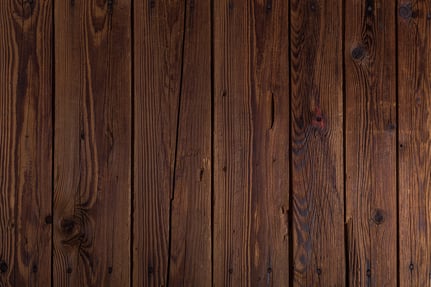
Distressed and aged looks make floors appear older and worn. These textures include scratches, dents, and knots. The style suits farmhouse and vintage interior designs. It adds warmth and a lived-in feel to rooms. Distressed wood hides wear and tear well over time.
Smooth And Polished Textures
Smooth and polished textures offer a sleek, modern appearance. The surface is finely sanded and coated with a glossy finish. This texture reflects light and brightens the room. It feels soft and easy to clean. Polished wood is perfect for elegant and contemporary spaces.
Credit: castlebespokeflooring.com
Popular Wood Floor Designs
Wood floors bring warmth and style to any room. Choosing the right design enhances a home’s character. Popular wood floor designs offer variety and charm. Each pattern creates a unique look and feel.
These designs suit different tastes and spaces. They highlight the natural beauty of wood texture. Simple or complex, wood floor patterns add personality.
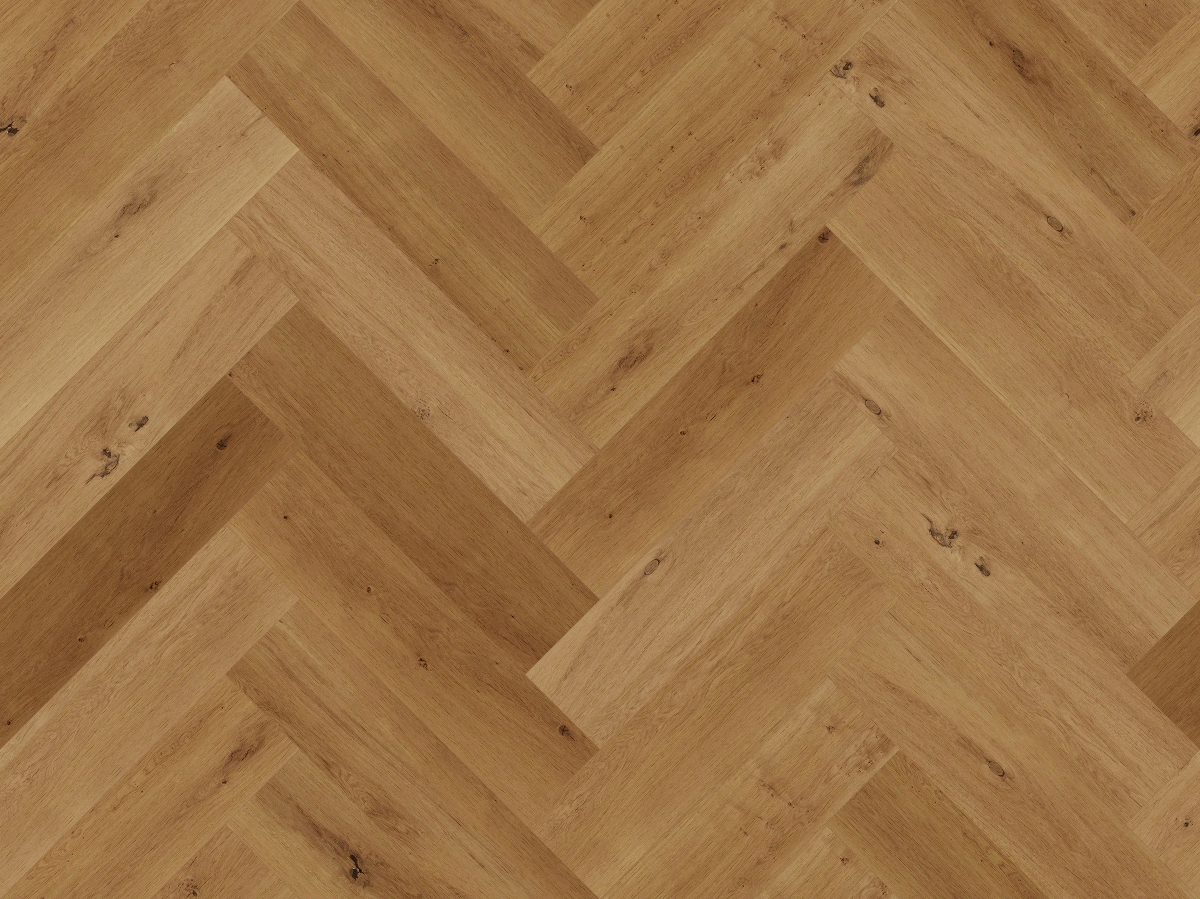
Herringbone Patterns
Herringbone features short planks arranged in a zigzag shape. This pattern creates movement and depth. It works well in both classic and modern interiors. Herringbone floors add sophistication without being too bold.
Parquet Styles
Parquet flooring uses small wood pieces in geometric patterns. Squares, triangles, and diamonds are common shapes. This style offers a decorative, artistic look. Parquet floors suit traditional and elegant spaces perfectly.
Wide Plank Flooring
Wide planks show more wood grain and texture. They give a room a spacious and rustic feel. This design highlights natural wood variations. Wide plank floors bring warmth and simplicity to any home.
Chevron Layouts
Chevron resembles herringbone but with angled ends meeting in a V shape. This creates a clean, continuous zigzag effect. Chevron floors add a modern and dynamic touch. They are perfect for stylish, contemporary rooms.
Mixed Wood Tones
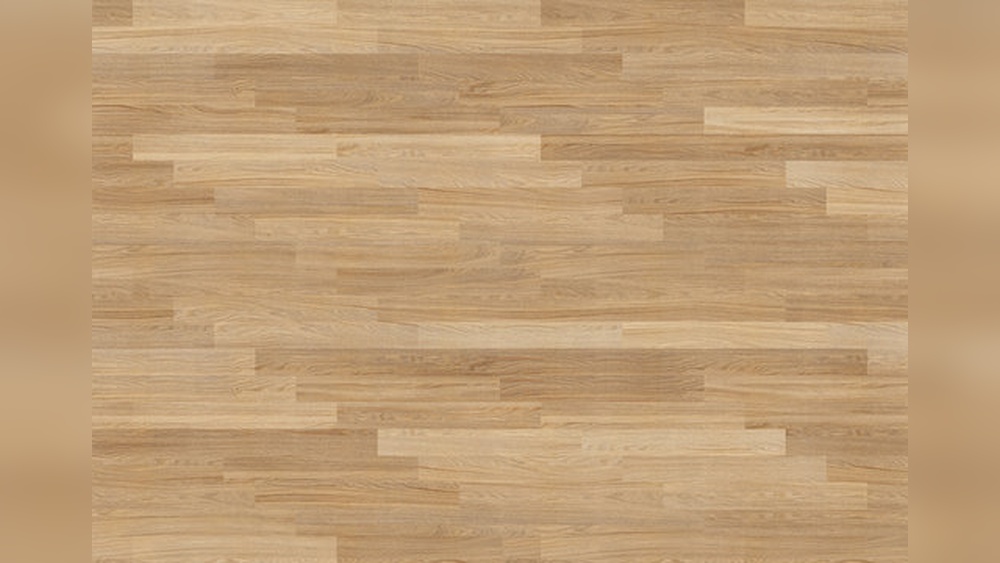
Mixed wood tones combine different shades in one floor. Light and dark woods create contrast and interest. This design adds depth and texture to floors. Mixed tones suit eclectic and vibrant home styles.
Choosing The Right Texture
Choosing the right texture for wood flooring affects both the look and feel of a room. Texture adds depth and character to wood floors. It also influences safety, comfort, and maintenance needs. Understanding how to pick the right texture makes your flooring choice smarter and more satisfying.
Matching Interior Styles
Different wood textures suit different interior designs. Smooth, polished textures fit modern and minimalist rooms well. Rough or distressed textures add charm to rustic or farmhouse styles. Choose a texture that enhances your room’s overall theme and mood.
Considering Foot Traffic
High-traffic areas need durable textures that hide wear and tear. Textured or hand-scraped wood can mask scratches better than glossy surfaces. Low-traffic rooms can handle smoother, delicate finishes without quick damage.
Balancing Aesthetics And Function
Texture should look good and serve a purpose. Matte textures reduce glare and hide dust. Glossy textures reflect light but show dirt easily. Pick a texture that fits your daily life and cleaning habits.
Lighting Effects On Texture
Lighting changes how wood texture appears. Natural light highlights grain and depth in rough textures. Artificial light can make smooth surfaces shine. Test samples under your room’s lighting before finalizing your choice.
Maintenance And Durability
Textured floors may require more cleaning to remove dirt from crevices. Smooth floors are easier to sweep and mop. Consider the time you want to spend on care and the floor’s lifespan when picking texture.
Enhancing Space With Wood Texture
Wood texture transforms any room by adding natural beauty and character. It enhances space by bringing warmth and tactile interest to floors. The visual appeal of wood grain creates layers that invite touch and admiration. This texture balances style with comfort in various interior designs.
Using wood texture on floors helps define and enrich living areas. It creates a cozy atmosphere while maintaining elegance. The versatility of wood allows it to fit rustic or modern themes smoothly. This makes wood flooring a popular choice for enhancing homes and offices alike.
Creating Warmth And Depth
Wood texture adds warmth to cold or plain spaces. It creates depth by showing natural patterns in the grain. This warmth invites people to relax and stay longer. The layered look of wood floors makes rooms feel more alive and welcoming.
Highlighting Natural Grain
Natural wood grain tells a unique story in every plank. Highlighting these grains brings out wood’s organic beauty. Patterns vary from smooth waves to bold lines, giving floors a one-of-a-kind look. Using finishes that enhance grain adds detail and richness.
Adding Rustic Charm
Rustic charm comes from rougher, uneven wood textures. These floors show knots, cracks, and natural imperfections. They add character and a lived-in feel to rooms. Rustic wood floors fit well with farmhouse or vintage styles.
Modern Minimalist Approaches
Minimalist designs use wood texture in subtle ways. Smooth, light-colored wood floors create clean, open spaces. Texture is gentle but still noticeable, adding softness to sharp lines. This approach keeps rooms simple yet warm and inviting.
Using Texture To Define Zones
Wood texture can separate areas without walls or partitions. Different grains or finishes mark living, dining, or work zones. This visual division guides movement and use of space. Textured floors add function and style at the same time.
Installation Tips For Textured Floors
Installing textured wood floors requires careful attention to detail. Proper steps ensure durability and a beautiful finish. Follow these tips to achieve a smooth, lasting installation.
Preparing Subfloor Surfaces
Start by cleaning the subfloor thoroughly. Remove dust, dirt, and debris for better adhesion. Check for moisture levels and fix any dampness issues. Make sure the surface is flat and solid before installation.
Selecting Adhesives And Fasteners
Choose adhesives suitable for textured wood floors. Use strong, flexible glue to hold the texture in place. Select nails or screws that will not damage the wood texture. Use fasteners evenly to avoid lifting or gaps.
Dealing With Uneven Surfaces
Fill low spots with leveling compound for a smooth base. Sand down high areas to prevent bumps under the floor. Use a straightedge to find uneven places easily. Proper leveling helps avoid damage and uneven wear.
Combining Textures Seamlessly
Match wood grain direction for a natural flow. Use transition strips between different textures or colors. Plan layout carefully to blend textures without sharp breaks. Tight seams prevent dirt buildup and improve appearance.
Finishing And Sealing Options
Apply a finish that enhances the wood’s texture and color. Use sealants that protect against moisture and wear. Choose matte or satin finishes for a natural look. Regular maintenance keeps textured floors looking fresh longer.
Maintaining Textured Wood Floors
Textured wood floors add natural beauty and warmth to any room. Maintaining these floors keeps their unique look intact. Regular care prevents damage and preserves texture depth. Simple routines protect your investment and extend floor life.
Cleaning Best Practices
Use a soft broom or vacuum with a wood floor attachment. Avoid harsh brushes that can scratch the surface. Clean spills quickly with a damp cloth. Use wood-safe cleaners diluted in water. Do not soak the floor or use steam mops.
Repairing Scratches And Dents
Minor scratches can be fixed with wood markers or putty sticks. Match the floor color carefully for a natural look. For dents, place a damp cloth over the area. Apply a warm iron briefly to swell the wood fibers. Repeat as needed but avoid overheating.
Refinishing Textured Surfaces
Refinishing requires gentle sanding to keep texture patterns. Use fine-grit sandpaper and sand by hand if possible. Apply a compatible stain or finish that enhances texture depth. Test products on a small area first. Allow proper drying time between coats.
Protecting Against Moisture
Moisture harms textured wood floors by causing warping and mold. Use mats at entryways to reduce water and dirt. Clean up water spills immediately. Maintain indoor humidity between 35% and 55%. Avoid wet mops or standing water on floors.
Extending Floor Life
Place felt pads under furniture legs to prevent scratches. Rotate rugs and mats to avoid uneven wear. Regularly inspect floors for damage and address issues quickly. Keep pet nails trimmed to reduce scratches. Follow a consistent cleaning and maintenance schedule.
Sourcing Quality Wood Textures
Sourcing quality wood textures is essential for beautiful and durable flooring. The right wood texture adds character and warmth to any space. It also influences the floor’s look and feel over time. Choosing the best wood texture starts with understanding options and suppliers.
Local Vs Imported Woods
Local woods often blend well with the environment. They usually cost less due to lower shipping fees. Imported woods offer unique grains and colors not found nearby. They bring exotic beauty and different hardness levels. Both types can provide high quality textures. The choice depends on style, budget, and availability.
Sustainable And Eco-friendly Options
Sustainability matters in wood sourcing today. Look for woods from responsibly managed forests. Certifications like FSC ensure ethical harvesting. Reclaimed wood also offers an eco-friendly choice. These options help protect forests and reduce waste. They deliver natural beauty without harming the planet.
Custom Textured Flooring
Custom textures create a unique floor surface. Techniques like hand-scraping or wire-brushing enhance wood grain. They add depth and character to plain wood. Custom textures suit traditional or modern designs. This option lets homeowners personalize their floors fully.
Trusted Manufacturers And Brands
Choose brands known for consistent quality and service. Established manufacturers maintain strict standards for wood textures. They offer warranty and support. Reading reviews and checking samples helps verify trustworthiness. Reliable brands save time and provide peace of mind.
Online Resources And Inspiration
Many websites showcase wood texture ideas and suppliers. Free texture libraries and design blogs inspire creativity. Online stores let you compare wood types and finishes easily. Digital tools help visualize wood textures in rooms. Use these resources for smarter, confident choices.
Credit: architextures.org

Credit: www.havwoods.com
Frequently Asked Questions
What Is The Best Wood Texture For Flooring?
The best wood texture for flooring depends on your style and durability needs. Oak and herringbone are popular choices for their natural grain and strength. Smooth textures give a modern look, while distressed finishes offer rustic charm. Choose based on your room’s design and foot traffic.
How To Maintain Wood Floor Texture Quality?
Maintain wood floor texture quality by regular cleaning with a soft broom or vacuum. Avoid harsh chemicals; use wood-friendly cleaners. Wipe spills immediately to prevent stains. Periodically, apply a protective sealant or polish to keep the texture vibrant and durable.
Can Wood Floor Texture Affect Room Ambiance?
Yes, wood floor texture greatly affects room ambiance. Smooth, glossy textures reflect light and create a modern, spacious feel. Rough, matte textures add warmth and coziness. The wood grain pattern also influences style, from rustic to elegant, shaping the room’s overall mood.
Are Wood Floor Textures Suitable For High-traffic Areas?
Wood floor textures are suitable for high-traffic areas if properly chosen and maintained. Hardwoods like oak or maple with a durable finish resist wear well. Textured surfaces hide scratches better than smooth ones. Regular upkeep ensures longevity despite heavy foot traffic.
Conclusion
Choosing the right wood floor texture can change any room’s feel. It adds warmth, style, and character easily. Simple textures offer a clean look, while detailed grains bring natural beauty. Maintenance is easy with the right finish and care. Wood textures fit many design styles and budgets well.
Think about the room’s use and lighting before deciding. This helps create a cozy, inviting space everyone will enjoy. Wood floor texture remains a timeless choice for lasting charm.