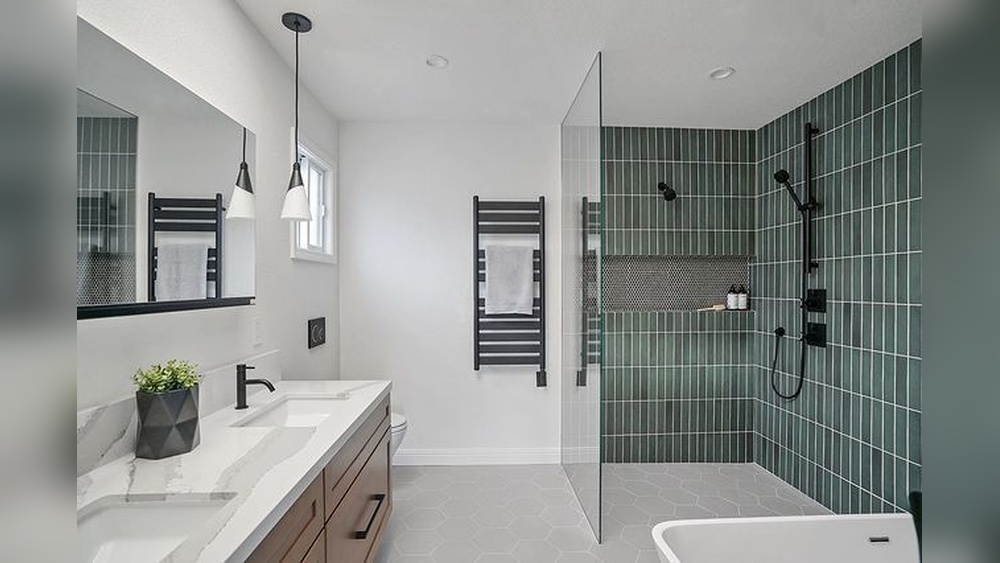

Imagine stepping into a bathroom where every inch feels open, sleek, and effortlessly modern. Wet room bathroom designs are transforming how you experience this essential space, blending style with smart functionality.
If you’re looking to maximize your bathroom’s potential, whether it’s small or spacious, a wet room might be the perfect solution for you. This design not only creates a seamless flow but also makes cleaning easier and adds a touch of luxury to your daily routine.
Ready to discover how to create your own stylish, practical wet room? Keep reading to unlock inspiring ideas and expert tips that will help you design a bathroom tailored just for you.
Benefits Of Wet Room Bathrooms
Wet room bathrooms offer several advantages that make them a popular choice. They maximize bathroom space and create a sleek, modern look. Their open design improves accessibility and enhances safety for all users. These benefits make wet rooms practical and stylish.
Space Efficiency
Wet rooms use open-plan layouts without bulky shower enclosures. This design frees up floor space, making small bathrooms feel larger. It allows for flexible placement of fixtures and easier movement inside the room. Space efficiency is ideal for compact homes or apartments.
Modern Aesthetic
Wet rooms provide a clean, minimalist style that suits modern interiors. The seamless floor and wall surfaces create a smooth, unified look. Using tiles or waterproof panels adds texture and color options. This design gives bathrooms a fresh, updated appearance.
Accessibility And Safety
Wet rooms remove steps and barriers, making showers easier to enter. This feature benefits elderly people and those with mobility issues. Non-slip flooring options improve safety by reducing fall risks. The open space also allows for the use of support rails and seating.
Credit: alifeunfolding.com
Essential Design Elements
Designing a wet room bathroom requires careful planning. Essential elements ensure the space is functional and safe. Proper design adds style and comfort. Focus on waterproofing, flooring, drainage, lighting, and ventilation.
Waterproofing Techniques
Waterproofing protects the walls and floor from moisture damage. Use waterproof membranes under tiles for a strong barrier. Seal all joints and corners tightly. Choose materials that resist water and mold. Effective waterproofing prevents leaks and structural issues.
Flooring And Drainage
Flooring must be slip-resistant and water-friendly. Tiles with texture improve safety. The floor should slope gently toward the drain. This slope guides water away quickly. Install a linear or central drain for efficient water flow. Good drainage keeps the room dry and clean.
Lighting And Ventilation
Bright lighting makes the wet room feel spacious and fresh. Use waterproof light fixtures for safety. Natural light adds warmth and reduces dampness. Proper ventilation removes excess moisture from the air. Install an extractor fan or a window to keep air moving. Good airflow prevents mold and maintains air quality.
Styles And Trends
Wet room bathrooms have become a popular choice for modern homes. Their open and seamless design offers a unique experience. Different styles and trends cater to various tastes and spaces. Whether you prefer simplicity or luxury, wet rooms adapt well. Trends show a shift towards sleek, functional, and elegant designs. These designs enhance both small and large bathroom areas.
Minimalist Designs
Minimalist wet rooms focus on clean lines and simple shapes. They use neutral colors and smooth surfaces. Glass panels replace bulky shower doors for openness. Storage is hidden to keep the space clutter-free. Lighting is soft yet bright enough for comfort. This style suits those who like calm and order in their space.
Luxury And Spa-inspired
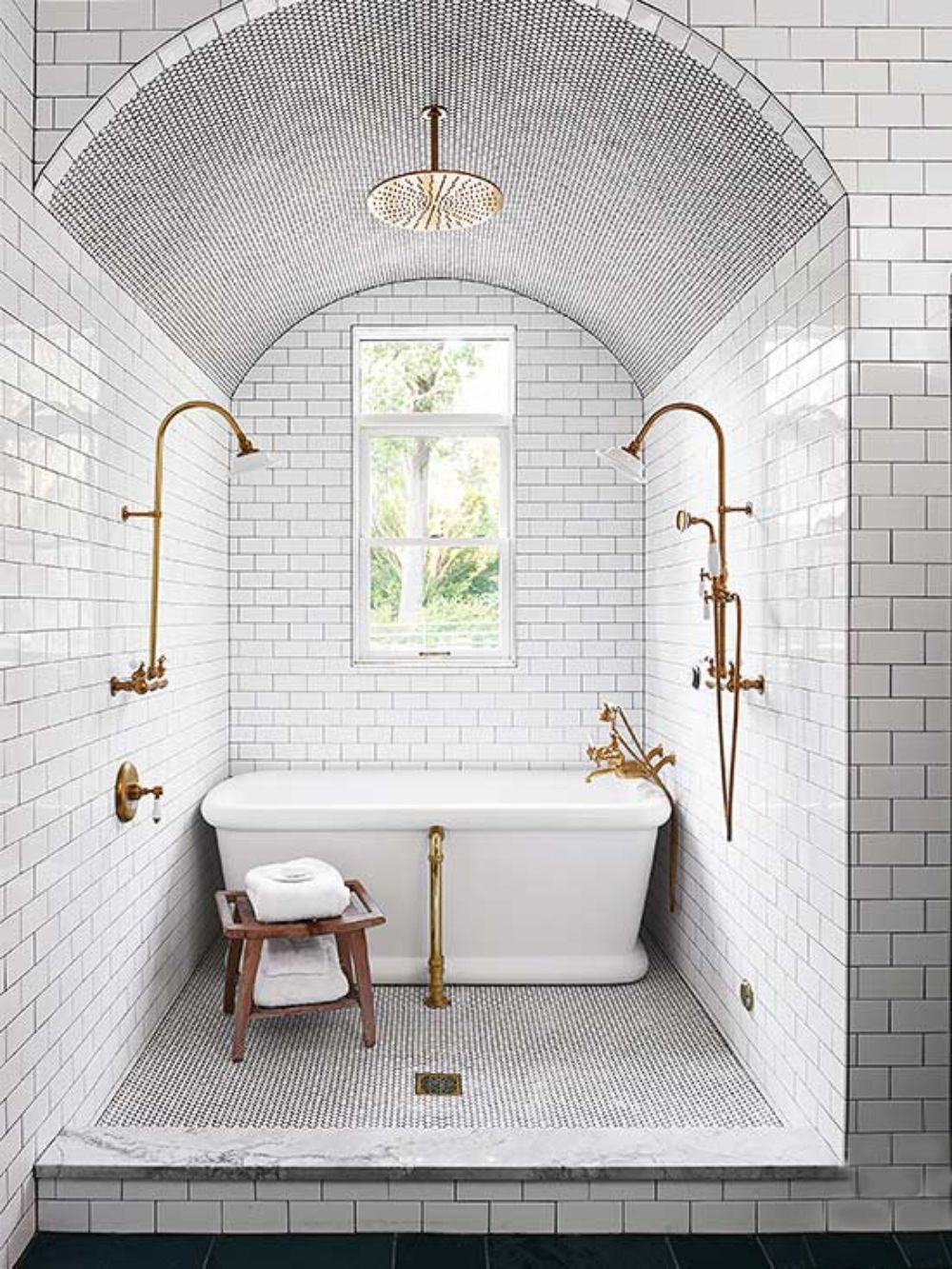
Luxury wet rooms bring spa-like comfort into your home. They feature high-end materials like marble and natural stone. Rain showers and built-in benches add to the relaxation. Warm lighting and plants create a soothing atmosphere. These designs often include advanced features like heated floors. This style is perfect for anyone who wants to relax and pamper themselves daily.
Compact Wet Rooms
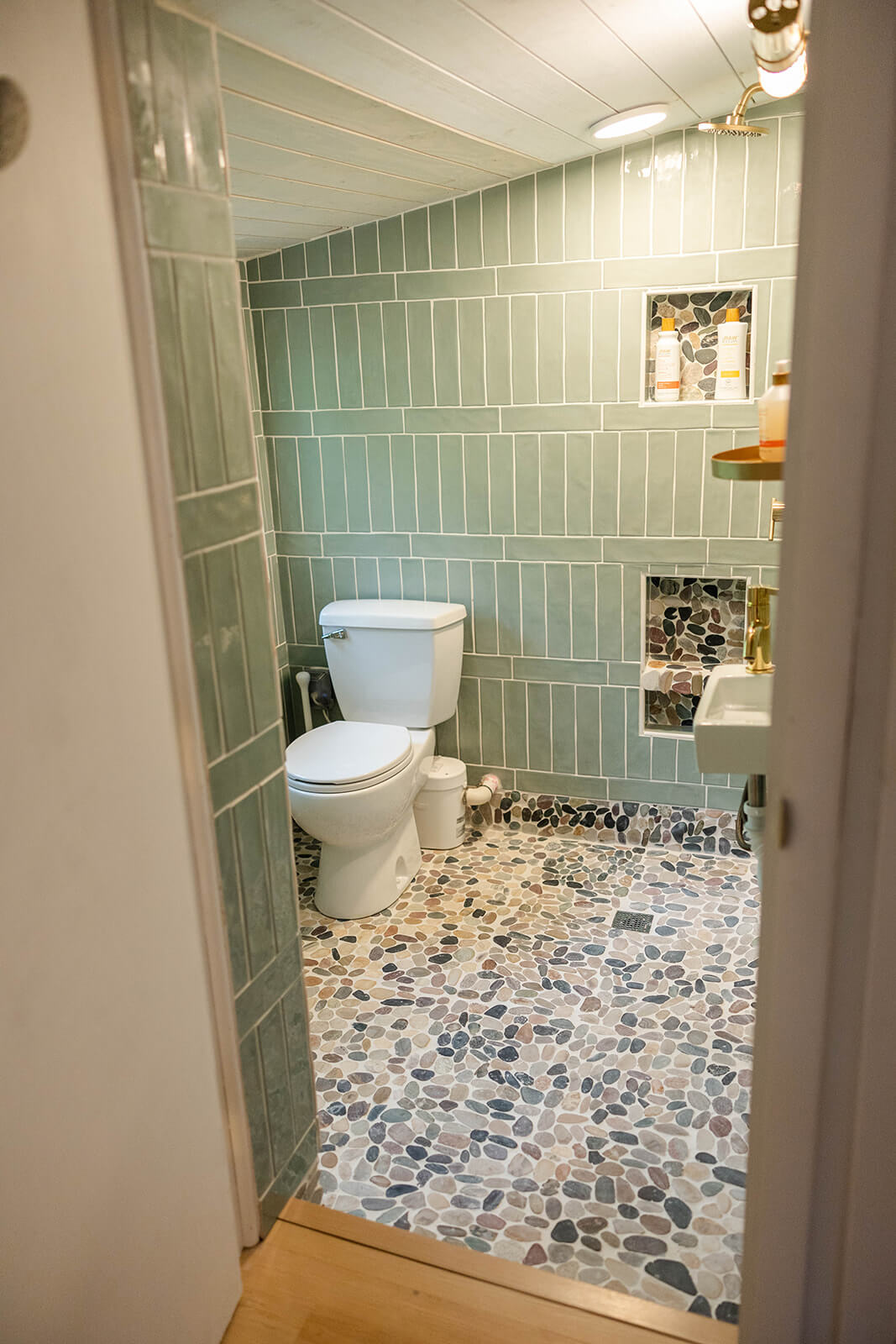
Compact wet rooms make the most of small spaces. They use clever layouts to fit all essentials comfortably. Wall-mounted fixtures save floor space and add style. Light colors and mirrors make the room feel bigger. Waterproof materials protect the entire area from moisture. This trend suits apartments and homes with limited bathroom space.
Material Choices
Choosing the right materials is crucial for wet room bathroom designs. Materials must handle water well and resist damage. They also shape the room’s style and feel. Smart material choices create a safe, durable, and attractive wet room.
Tiles And Wall Finishes
Tiles are the top choice for wet room walls and floors. Porcelain and ceramic tiles resist water and stains. Large tiles reduce grout lines, making cleaning easier. Textured tiles add grip, preventing slips. Waterproof wall panels offer a sleek, seamless look. Choose light colors to make the space feel larger and brighter.
Glass And Screens
Glass screens keep water inside the shower area. Clear glass makes the room look open and airy. Frosted or textured glass adds privacy without closing the space. Toughened safety glass is strong and safe. Frameless glass screens create a modern, minimalist style. Easy-to-clean glass prevents water spots and mold buildup.
Fixtures And Fittings
Fixtures must resist rust and corrosion in wet rooms. Stainless steel and chrome finishes work well. Wall-mounted taps save space and simplify cleaning. Rain showers and handheld showerheads add luxury and flexibility. Choose fittings with smooth surfaces to avoid dirt traps. Quality fixtures last longer and keep the wet room looking fresh.
Planning Dimensions
Planning dimensions is key to a successful wet room bathroom design. The size of the space impacts comfort and functionality. Proper measurements ensure easy movement and prevent water damage. Wet rooms require careful thought about space to fit essential elements.
Minimum Space Requirements
The smallest wet room should be at least 1.5 square meters. This size allows room for a shower area and basic fixtures. A minimum width of 900mm is needed for door access. Keep space open to avoid cramped feel and water splash issues.
Ideal Room Sizes
An ideal wet room size ranges from 3 to 5 square meters. This space fits a shower, toilet, and basin comfortably. Larger rooms provide flexibility for storage and seating. More space improves accessibility and creates a spa-like atmosphere.
Layout Considerations
Plan the layout to direct water flow toward the drain. Position fixtures away from the door to keep dry zones. Use glass screens or partial walls to control water spray. Ensure enough clearance for movement and cleaning tasks.
Credit: farmhouseliving.com
Cost Factors
Understanding the cost factors of wet room bathroom designs helps plan your budget wisely. Wet rooms need special materials and skilled labor. Maintenance costs also affect the total expense. Consider each factor carefully for a successful project.
Budgeting For Materials
Material costs vary based on quality and style. Waterproof membranes and tiles are essential in wet rooms. Choose slip-resistant tiles for safety and durability. Glass panels and drainage systems add to material expenses. Simple materials lower costs but check for durability. Plan for extra materials to cover mistakes or cuts.
Labor And Installation
Installing a wet room requires skilled professionals. Waterproofing must be done precisely to avoid leaks. Floor leveling and drainage installation add to labor time. Labor costs depend on the complexity of the design. Experienced installers may charge more but ensure quality work. Improper installation leads to costly repairs later.
Long-term Maintenance
Wet rooms need regular cleaning to prevent mold and mildew. Drain systems require occasional checks and unclogging. Tiles and seals may need resealing every few years. Investing in quality materials reduces maintenance needs. Plan for some upkeep costs in your budget. Proper care extends the life of your wet room.
Challenges And Solutions
Designing a wet room bathroom brings unique challenges. These spaces must manage water effectively without traditional shower enclosures. Careful planning helps maintain comfort and cleanliness. The following sections explore common issues and practical solutions for wet room designs.
Managing Water Spread
Water can easily spread across the entire bathroom floor. This makes slipping a big risk. Installing a slight floor slope directs water toward the drain. Using waterproof wall panels prevents water damage on walls. A glass screen or half wall can limit water spray while keeping the open feel.
Keeping Soft Furnishings Dry
Soft items like towels and rugs absorb moisture quickly. This can cause mildew and odors. Place towel racks away from direct water spray. Use quick-dry or water-resistant mats near the shower area. Consider built-in shelves or niches for storing soft items safely out of wet zones.
Ensuring Proper Drainage
Efficient drainage is vital to avoid standing water. A large, well-placed drain captures water fast. Linear drains work well along one side of the wet room. Regular cleaning prevents blockages and keeps water flowing freely. Waterproof membranes beneath the floor add an extra layer of protection.

Credit: blacklinerenovations.com
Inspiration From Real Projects
Maintaining a wet room bathroom requires regular care to keep it looking fresh and working well. These spaces are designed to be open and wet, so cleaning and upkeep need special attention. Proper maintenance stops water damage and keeps the space hygienic and safe.
Cleaning Strategies
Use a mild cleaner suitable for tiles and glass. Avoid harsh chemicals that can damage surfaces. Wipe down wet areas after use to reduce water spots. Clean drains regularly to prevent blockages. A squeegee helps remove water from walls and floors. Clean grout lines with a soft brush to avoid mold buildup.
Preventing Mold And Mildew
Ventilate the room well by using an extractor fan or opening a window. Keep the room as dry as possible between uses. Use mold-resistant paint or sealant on walls and ceilings. Check corners and hidden areas often for early signs of mold. Remove any mold immediately with a gentle cleaner to stop spread. Use moisture absorbers if humidity is high.
Regular Waterproofing Checks
Inspect seals around drains, edges, and joints every few months. Look for cracks or peeling in waterproof membranes. Repair any damage quickly to avoid leaks. Schedule a professional waterproofing check yearly. Waterproofing keeps water contained and protects walls and floors. Maintaining good waterproofing extends the wet room’s lifespan.
Frequently Asked Questions
What Is The Downside Of A Wetroom?
A wetroom can cause the entire bathroom to become wet, making it hard to keep towels and toilet paper dry.
How Much Does It Cost To Make Your Bathroom A Wet Room?
Converting a bathroom into a wet room typically costs between $3,000 and $10,000. Costs depend on size, waterproofing, and design choices.
How Big Does A Bathroom Need To Be For A Wet Room?
A wet room needs at least 30 to 40 square feet for comfort. Smaller spaces require careful drainage and waterproofing.
Are Wet Rooms Still In Style?
Wet rooms remain stylish and popular for modern, minimalist bathrooms. They offer sleek design and easy maintenance. Their open, spacious feel suits small and large spaces alike. Proper waterproofing and drainage keep them functional and attractive. Wet rooms continue to enhance contemporary bathroom trends.
Conclusion
Wet room bathroom designs offer style and practicality for any home. They create a spacious feel and are easy to clean. Water flows freely, making showers comfortable and accessible. Choosing the right materials ensures safety and durability. Small or large, wet rooms can fit many spaces well.
With thoughtful planning, you can enjoy a sleek, modern bathroom. Embrace simplicity and functionality in your next bathroom upgrade. Wet rooms blend beauty with convenience seamlessly. A smart choice for those who value both form and function.