
Are you looking to transform your concrete floors from plain and dull to striking and full of character? Understanding concrete flooring texture is the key to unlocking a world of design possibilities that can enhance your space’s look and feel instantly.
Whether you want a smooth, polished surface or a rugged, stamped pattern that mimics natural stone or wood, the right texture can make all the difference. You’ll discover simple yet effective techniques to add texture to your concrete floors, practical tips to choose the best finish for your needs, and expert advice to ensure your floors not only look amazing but also stand the test of time.
Ready to give your floors a stunning makeover? Let’s dive into everything you need to know about concrete flooring texture!
Credit: stock.adobe.com
Types Of Concrete Textures
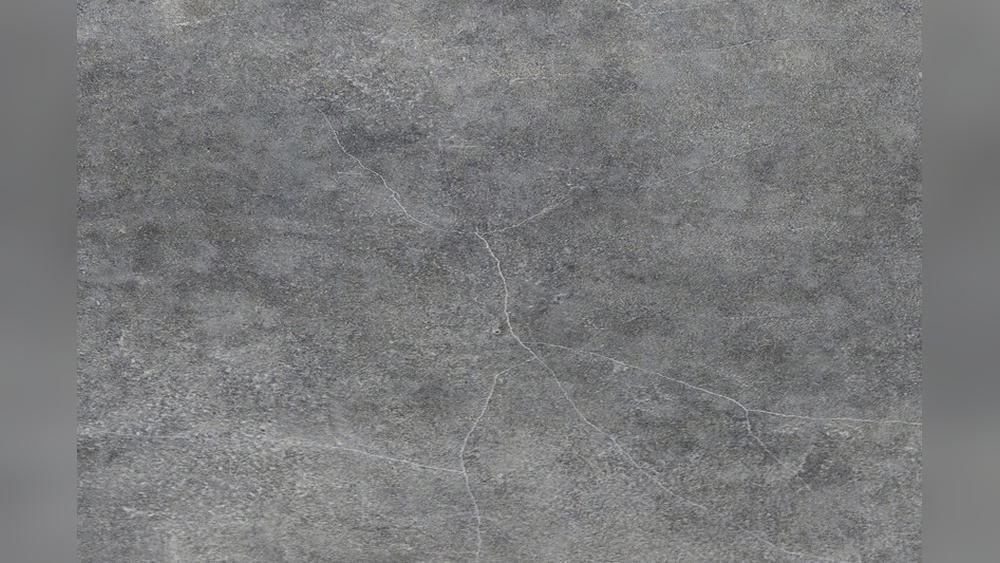
Concrete flooring offers many texture options to enhance its look and feel. Different textures change the surface appearance and improve safety. They also help concrete fit various design styles and uses. Choosing the right texture can make floors more attractive and practical.
Stamped Concrete Patterns
Stamped concrete mimics natural materials like stone or brick. Patterns are pressed into wet concrete using special mats or stamps. This method creates detailed, decorative surfaces. It works well for patios and walkways. Stamped concrete adds charm without high costs.
Knockdown Texture Finish
The knockdown texture is soft and flat with gentle peaks. After spraying or troweling, a flat tool smooths the concrete surface. This creates a unique, rustic look. It also reduces slipperiness. This finish is popular for indoor and outdoor floors.
Broom Finish Surface
A broom finish gives concrete a rough texture. After pouring, a broom is swept across the wet surface. This leaves fine lines that improve traction. It prevents slipping in wet conditions. It is common for driveways and sidewalks.
Polished Concrete Look
Polished concrete is smooth and shiny. The surface is ground and buffed with diamond pads. This finish looks modern and clean. It is easy to maintain and lasts long. Polished floors are popular in homes and businesses.
Hammered Texture Style
The hammered texture has a rugged, pitted surface. It is made by tapping the concrete with a hammer or special tool. This creates small indentations for a rough look. Hammered concrete adds a natural, stone-like feel. It is good for patios and garden paths.

Credit: www.freepik.com
Methods For Adding Texture
Adding texture to concrete flooring enhances both its appearance and safety. Various methods create distinct looks and tactile experiences. Each technique suits different project needs and styles. Understanding how to add texture helps achieve the perfect finish for any space.
Applying Overlays With Trowel Or Spray
Concrete overlays offer a fresh surface to add texture. You can spread them by hand with a trowel or apply using a spray. Troweling creates smooth or patterned textures depending on pressure and movement. Spraying allows for uniform coverage with a variety of texture options. Overlays can mimic stone, brick, or other finishes.
Using Stamping Mats On Wet Concrete
Stamping mats press patterns into freshly poured concrete. These mats come in many designs like wood grain or tile shapes. Place the mats on wet concrete and press firmly for clear impressions. This method creates decorative, textured floors that look like natural materials. It is popular for patios, walkways, and driveways.
Creating Non-skid Surfaces
Non-skid textures improve safety on concrete floors. You can add grit by broadcasting sand or small aggregates onto wet concrete. Broom finishing is another way by dragging a broom across the surface for subtle grooves. These textures reduce slip risks in wet or oily areas. They work well in garages, kitchens, and outdoor spaces.
Mixing And Preparing Materials
Proper mixing ensures consistent texture and durability. Combine cement, sand, and additives according to product instructions. For overlays, prepare a smooth slurry with water and bonding agents. Stir materials thoroughly to avoid lumps or weak spots. Clean the floor surface well before application to improve adhesion and finish quality.
Tools And Materials Needed
Creating textured concrete floors requires specific tools and materials. These items help achieve the desired look and ensure durability. Proper preparation and application depend on having the right equipment at hand.
Each tool serves a unique purpose during the texturing process. Understanding their roles makes the project smoother and the results more professional. Below are the essential tools and materials needed for concrete flooring texture.
Primer And Sealers
Primers prepare the concrete surface for overlays or finishes. They improve adhesion and prevent peeling. Sealers protect the textured surface from stains, moisture, and wear. Choosing the right primer and sealer is vital for long-lasting texture.
Texture Sprayers And Hopper Guns
Texture sprayers evenly apply coatings or overlays on the floor. Hopper guns help spray thick materials like stucco or textured paint. These tools allow quick and uniform coverage, essential for large surfaces. They control the texture’s thickness and pattern.
Trowels And Hand Tools
Trowels smooth and spread concrete or overlays. Different sizes and shapes create various textures. Hand tools, like brushes and rollers, add fine texture details. Skilled use of these tools shapes the floor’s final look.
Concrete Stamps And Mats
Stamps and mats imprint patterns into wet concrete. They create designs like stone, brick, or tile textures. These tools come in many styles for decorative flooring. Using stamps requires timing and pressure for clear imprints.
Protective Gear And Accessories
Safety gear protects from dust, chemicals, and sharp tools. Gloves, masks, and goggles are essential. Knee pads help during long work periods on floors. Having the right accessories ensures a safe and efficient project.
Preparation Steps
Proper preparation is key for achieving a durable and attractive concrete floor texture. Each step sets the stage for the texture to bond well and last long. Skipping any part can cause peeling or uneven surfaces. Follow these essential preparation steps closely.
Cleaning The Concrete Surface
Start by removing all dirt, dust, and debris from the concrete. Use a broom or vacuum to clear loose particles. Then wash the surface with water and a mild detergent. Scrub stubborn stains with a brush. Rinse thoroughly and let it dry completely. A clean surface helps the texture stick better.
Priming For Better Adhesion
Apply a primer if you plan to use an overlay or coating. Primers improve the bond between the concrete and the texture layer. Choose one suitable for your concrete type. Use a roller or brush to spread the primer evenly. Allow it to dry fully before moving on. This step prevents peeling and flaking.
Ensuring Proper Concrete Thickness
Check the thickness of your concrete slab before texturing. Thin slabs may crack or fail under pressure. Ideally, the concrete should be at least four inches thick for most textures. Thicker slabs provide better support and durability. Consult a professional if unsure about your slab’s thickness.
Timing For Texture Application
Apply the texture at the right time to avoid problems. For fresh concrete, wait until it has set but is still damp. For overlays, ensure the primer is fully dry. Avoid applying texture in extreme temperatures or high humidity. Proper timing ensures the texture cures well and stays intact.
Design Ideas And Inspirations
Concrete flooring offers endless design possibilities. Its texture can transform any space into a stylish area. Different techniques create unique looks that suit various tastes and settings.
Explore creative ideas to enhance your concrete floors. These inspirations blend beauty and durability in smart ways. Discover textures that mimic natural materials or bring new patterns to life.
Mimicking Natural Stone And Brick
Concrete can replicate the charm of stone and brick perfectly. Stamping methods press patterns onto wet concrete. This process creates realistic textures and shapes. Choose from slate, cobblestone, or classic brick styles. These options add a warm, rustic feel to floors. Ideal for patios or garden paths, they blend well with outdoor spaces.
Wood-look Concrete Floors
Concrete floors can imitate wood grain and planks. This look suits homes seeking a cozy, natural vibe. Staining and stamping combine to form wood-like patterns. Floors gain the appearance of hardwood without maintenance worries. This style works well indoors and on covered decks. It offers the warmth of wood with concrete’s strength.
Seamless And Forest Floor Effects
Seamless concrete creates smooth, flowing surfaces free of joints. This effect suits modern interiors and commercial spaces. Adding forest floor textures gives an earthy, organic touch. Use stamping tools to mimic leaves or bark patterns. These designs bring nature’s feel inside, softening cold concrete floors. They create a calm, inviting atmosphere in any room.
Custom Patterns For Patios And Decks
Custom concrete patterns let you personalize outdoor living spaces. Designs can range from geometric shapes to abstract art. Stencils and stamps help craft unique floor textures. These patterns add character and style to patios and decks. They enhance outdoor gatherings with a creative, finished look. Choose colors and shapes that match your home’s style perfectly.

Credit: unsplash.com
Maintenance And Durability
Concrete flooring textures offer both style and strength. Proper maintenance keeps these floors looking great for years. Understanding durability helps protect your investment. Simple care steps prevent damage and wear. Follow easy tips to maintain texture and color. This guide covers sealing, cleaning, repairs, and lifespan extension.
Sealing And Protecting Textured Floors
Sealing textured concrete prevents stains and moisture damage. Use a high-quality sealant designed for concrete surfaces. Apply sealant evenly with a roller or sprayer. Allow it to dry fully before foot traffic. Reseal floors every few years to maintain protection. This also enhances color and texture depth.
Cleaning Tips For Different Textures
Textured floors collect dirt in grooves and patterns. Sweep regularly with a soft broom to remove loose debris. Mop with a mild detergent and warm water for deeper cleaning. Avoid harsh chemicals that can erode sealants. For rough textures, use a soft brush to clean crevices gently. Dry floors thoroughly after washing to prevent slipping.
Repairing Surface Damage
Cracks and chips can appear over time on textured floors. Small cracks fill easily with concrete patch or epoxy filler. Match the patch color to the floor for a seamless look. For larger damage, consider professional resurfacing. Repair quickly to avoid further cracking or moisture infiltration. Regular inspections catch problems early.
Extending Floor Lifespan
Protect floors from heavy impacts and sharp objects. Use furniture pads to prevent scratching and dents. Avoid dragging heavy items across textured surfaces. Maintain proper humidity to reduce concrete expansion and contraction. Clean spills immediately to prevent stains. Consistent care maximizes durability and keeps floors attractive.
Cost And Product Options
Concrete flooring texture adds style and safety to any space. Costs vary depending on the product and method chosen. Options range from simple broom finishes to intricate stamped patterns. Each choice affects both price and appearance. Understanding the product types and service options helps plan your budget effectively.
Popular Texture Products
Stamped concrete is a favorite for patios and walkways. It uses rubber stamps to create patterns like stone or brick. Overlay products add texture on existing floors for a new look. Knockdown overlays provide a smooth, slightly raised finish. Broom finishes are affordable and simple to apply. Each product varies in price and complexity.
Diy Vs Professional Services
DIY texturing saves money but needs skill and time. Simple broom or spray textures work well for beginners. Professional services offer expert results for complex patterns. Pros use specialized tools for lasting finishes. Hiring a pro reduces mistakes and repairs. Costs rise with labor but improve quality and durability.
Budgeting For Concrete Texturing
Texturing costs depend on product, area size, and labor. Materials alone can range from $30 to $300 per project. Professional installation may add $2 to $10 per square foot. Plan for extra costs like primers or sealers. Setting a clear budget helps avoid surprises. Compare product prices and labor fees before deciding.
Where To Buy Materials In Austin, Texas
Austin offers many stores for concrete texturing supplies. Home improvement centers like Home Depot stock overlays and stamps. Local suppliers may have specialty products and expert advice. Online retailers provide a wide range with delivery options. Choose stores with good reviews for quality materials. Visit multiple places to compare prices and availability.
Frequently Asked Questions
What Is Textured Concrete Called?
Textured concrete is commonly called stamped concrete. It features patterns imprinted on wet concrete using special tools. This decorative finish enhances patios, sidewalks, and pool decks with designs resembling stone, wood, or brick. Stamped concrete combines durability with aesthetic appeal for outdoor surfaces.
How To Add Texture To Concrete Floor?
Add texture to a concrete floor by cleaning it, then applying an overlay with a trowel or spray. Use stamping tools on wet concrete or create a broom finish. Finish with a protective sealer for durability and enhanced appearance.
What Is Poor Man’s Concrete?
Poor man’s concrete is a low-cost mix using cement, sand, gravel, and water for basic construction needs.
What Are Popular Concrete Texture Styles?
Popular concrete texture styles include stamped, broom finish, exposed aggregate, polished, and knockdown textures. Each offers unique aesthetics and slip resistance.
Conclusion
Concrete flooring texture adds style and safety to any space. It offers many design choices, from smooth to rough finishes. Textured floors resist slipping and hide wear well. Applying texture requires simple tools and basic steps. Choose the right method to match your space’s needs.
Proper care keeps textured concrete looking great for years. This makes textured concrete a smart, practical option. Explore textures to find the perfect look for your floor.