
Imagine stepping into your bathroom and feeling like you’ve entered a sleek, spa-like space designed just for you. That’s exactly what a bathroom wet room can do.
If you want to transform your bathroom into a modern, stylish, and practical area, wet room designs offer the perfect solution. They maximize space, reduce clutter, and add a touch of luxury that you’ll enjoy every day. Whether your bathroom is large or small, you’ll discover ideas that fit your style and needs.
Ready to explore how you can create your dream wet room? Keep reading to uncover inspiring designs and smart tips that make your bathroom both beautiful and functional.
Benefits Of Wet Rooms
Wet rooms offer many advantages for bathroom design. They combine style, function, and convenience. This design creates an open, level surface with no shower tray or screen. Water drains through a waterproof floor system. The benefits extend beyond looks and space. Wet rooms improve bathroom usability and comfort.
Space Efficiency
Wet rooms make the most of limited space. Without bulky shower enclosures, the area feels larger and freer. The open-plan layout allows flexible placement of fixtures. Compact bathrooms gain a sense of openness. It fits well in apartments and smaller homes.
Accessibility Features
Wet rooms provide easy access for everyone. The level floor removes barriers for wheelchairs and walkers. No steps or raised edges reduce fall risks. It suits elderly or disabled users better than traditional bathrooms. The design supports safe and independent bathing.
Modern Aesthetic Appeal
Wet rooms bring a sleek, contemporary look. Clean lines and smooth surfaces create a minimalist vibe. Materials like tile, stone, and glass enhance style and durability. The seamless design fits modern interiors perfectly. It adds a fresh, elegant touch to any bathroom.

Credit: 34stjohn.com
Key Design Elements
Designing a bathroom wet room requires careful attention to key elements. These elements ensure the space is functional, safe, and stylish. Proper planning helps prevent water damage and enhances the room’s look. Three main areas need focus: waterproofing, drainage, and material choice. Each one plays a vital role in the success of your wet room design.
Waterproofing Essentials
Waterproofing is the foundation of any wet room. It stops water from damaging walls and floors. Use a waterproof membrane on all surfaces exposed to water. Seal corners and joints carefully to avoid leaks. Proper waterproofing protects your home and extends the life of your wet room.
Drainage Solutions
Good drainage prevents water from pooling on the floor. A well-placed drain allows water to flow away quickly. Consider linear or point drains depending on your design. The floor should slope gently towards the drain to guide water flow. Effective drainage keeps the room dry and safe.
Choosing The Right Materials
Select materials that resist water and humidity. Tiles are a popular choice for floors and walls. Use non-slip tiles to reduce the risk of falls. Avoid materials that absorb water or stain easily. Durable, easy-to-clean surfaces maintain the wet room’s fresh look.
Popular Layouts
Bathroom wet rooms offer versatile design options to suit various spaces and styles. Popular layouts focus on maximizing usability and aesthetics. These layouts range from open and airy to compact and efficient, or even luxurious and spa-like. Each style brings unique benefits to enhance your bathroom experience.
Open Plan Wet Rooms
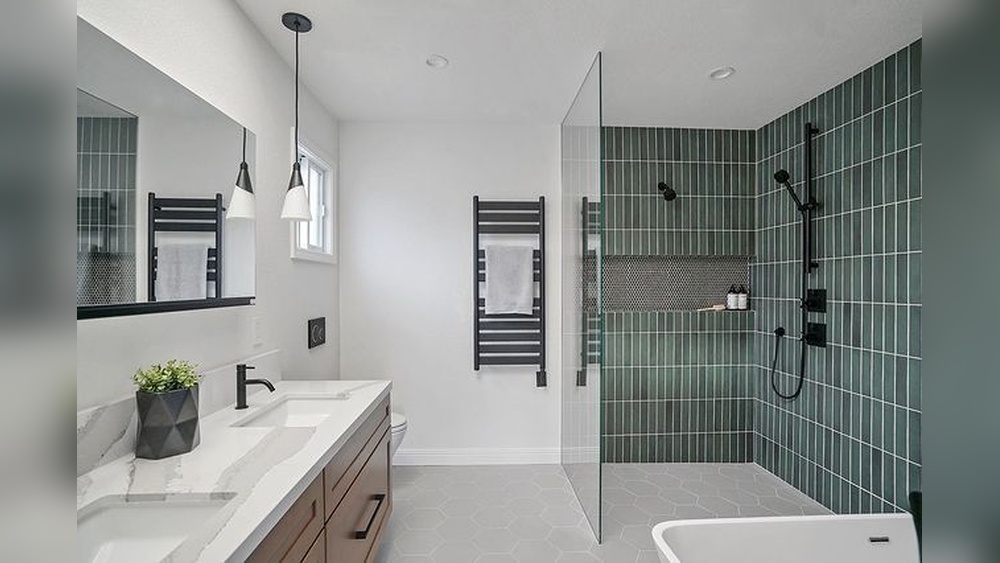
Open plan wet rooms create a spacious, flowing area without barriers. The shower area blends seamlessly with the rest of the bathroom. This design suits larger spaces and modern homes. Floor-to-ceiling glass panels often separate wet and dry zones. Open plan layouts improve light flow and accessibility. They also give a clean, minimalist look that feels fresh.
Compact Wet Room Designs
Compact wet rooms fit perfectly in small bathrooms or tight spaces. Clever use of space keeps the area functional and stylish. Wall-mounted fixtures and built-in storage save room. Wet walls and floors ensure water drains efficiently. This layout maximizes comfort without crowding the room. Compact designs work well in apartments or guest bathrooms.
Luxury Spa-inspired Wet Rooms
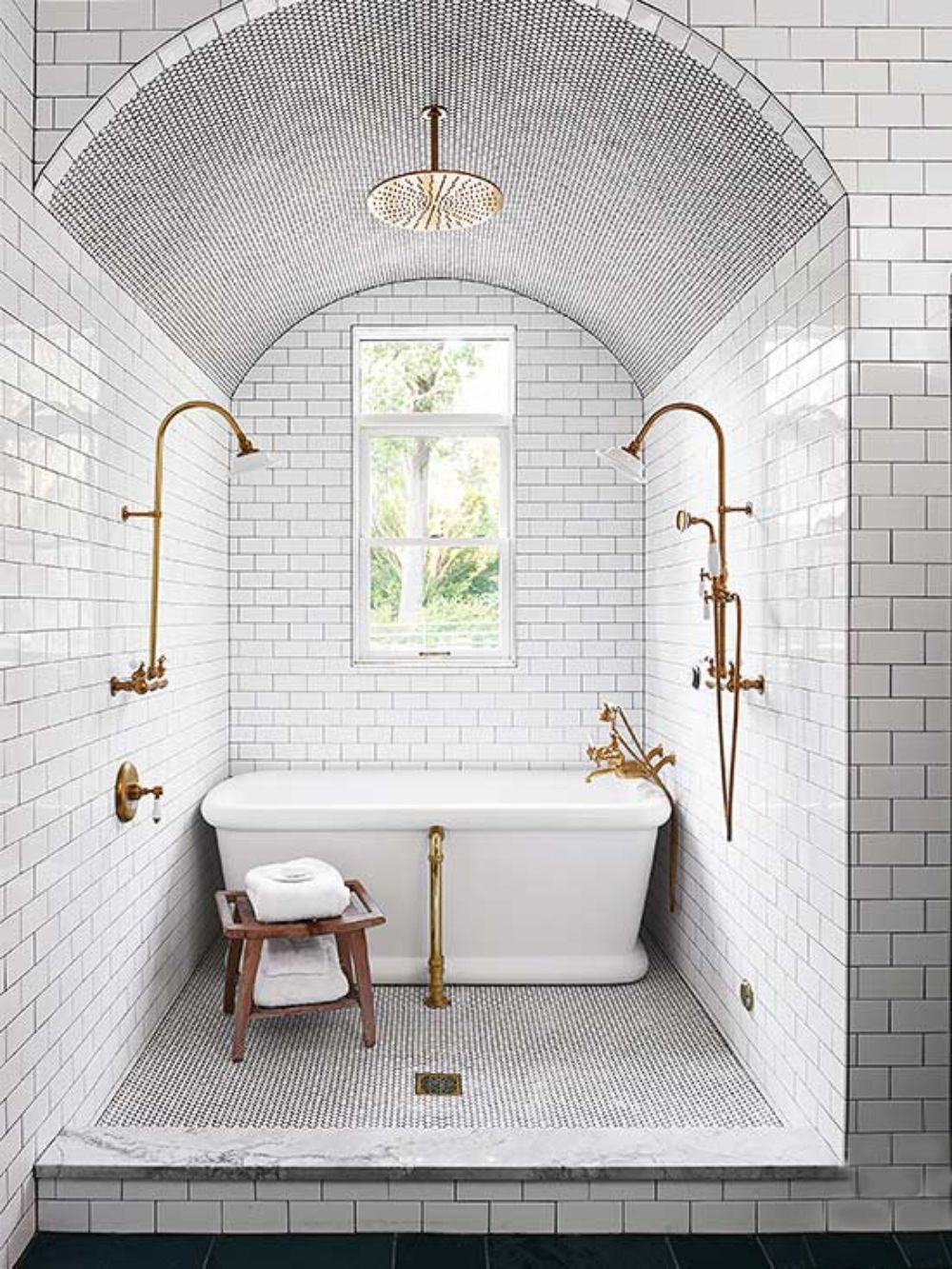
Luxury spa-inspired wet rooms offer a high-end, relaxing retreat. Features include rain showers, mood lighting, and natural materials. Stone tiles, wood accents, and plants add warmth and texture. These designs focus on comfort and indulgence. Heated floors and towel rails increase coziness. Spa-inspired wet rooms bring a peaceful, resort-like feel home.
Material Choices
Choosing the right materials shapes the look and function of your bathroom wet room. Materials must handle moisture well and last long. They also create the style and feel of the space. This section highlights key material choices for wet rooms.
Tiles And Stone Options
Tiles and natural stone are common wet room surfaces. Porcelain and ceramic tiles resist water and are easy to clean. Large-format tiles reduce grout lines, cutting maintenance. Natural stones like slate or marble add luxury but need sealing. Textured tiles help prevent slips. Color and pattern choices bring personality to your wet room.
Glass And Metal Fixtures
Glass panels create an open, airy feel. Toughened safety glass stands up to daily use. Frameless glass looks sleek and modern. Metal fixtures like chrome or brushed nickel resist corrosion. Choose rust-proof materials for showerheads, taps, and drains. These fixtures add shine and durability to wet rooms.
Water-resistant Paints And Finishes
Water-resistant paints protect walls from dampness. Look for paints labeled for bathrooms or high humidity. These paints prevent mold and peeling. Semi-gloss or satin finishes work best for wet areas. Sealants and waterproof membranes add extra defense beneath tiles or paint. Proper finishes keep your wet room fresh and safe.
Lighting And Ventilation
Lighting and ventilation play key roles in bathroom wet room designs. Proper light creates a bright and welcoming space. Good ventilation keeps the area fresh and free from dampness. Both elements improve comfort and hygiene in wet rooms.
Natural Light Integration
Natural light enhances the look of any wet room. Large windows or skylights bring in sunlight. This light reduces the need for artificial lighting during the day. It also makes the space feel bigger and more open. Frosted glass can maintain privacy without blocking light.
Moisture-control Ventilation
Ventilation removes excess moisture that causes mold and mildew. Extractor fans help to keep air dry and fresh. Position fans near wet areas for best results. A well-ventilated wet room lasts longer and stays healthier. Air vents also help air circulate without letting heat escape.
Ambient And Task Lighting
Ambient lighting sets the room’s overall mood. Soft ceiling lights work well for this purpose. Task lighting focuses on specific areas like mirrors or shower zones. LED strips or wall lights give clear illumination for grooming. Combining both types improves function and style in wet rooms.
Storage Solutions
Storage plays a key role in bathroom wet room designs. It keeps the space tidy and organized. Good storage solutions protect your items from water damage. They also help maximize the limited space in wet rooms.
Built-in Shelves
Built-in shelves fit seamlessly into wet room walls. They provide easy access to toiletries and towels. These shelves save floor space and keep items dry. Choose materials that resist moisture to ensure durability.
Waterproof Cabinets
Waterproof cabinets offer secure storage in wet conditions. They prevent water from damaging your essentials. These cabinets come in various sizes to fit any wet room. Their sealed design keeps contents safe and dry.
Creative Space Savers
Creative space savers make the most of small wet rooms. Use corner shelves or hanging baskets to free up floor space. Magnetic strips or hooks keep tools within reach. These ideas add function without clutter.
Common Challenges
Wet room designs are evolving fast, blending style with function. These spaces open up bathrooms and create a seamless shower area. New trends focus on simplicity, color, and technology. They make wet rooms more appealing and user-friendly.
Minimalist Styles
Minimalist wet rooms highlight clean lines and open space. They use neutral colors like white, gray, and beige. Fixtures stay simple and sleek, avoiding clutter. Glass panels keep the area open and bright. This style creates a calm and modern feel.
Bold Color Accents
Adding bold colors gives wet rooms a fresh look. Bright tiles, painted walls, or colorful accessories stand out. Deep blues, greens, and even reds add personality. These accents break the neutral palette and draw attention. They make the space lively and unique.
Smart Technology Integration
Smart features improve comfort and convenience in wet rooms. Digital controls adjust water temperature and pressure easily. LED lighting can change color and brightness. Heated floors keep feet warm and dry. These technologies make daily routines smoother and more enjoyable.
Trends In Wet Room Design
Deciding between DIY and professional installation for bathroom wet rooms is important. Wet rooms require careful planning and precise work. Mistakes can cause leaks and costly repairs. Understanding when to take on the project yourself and when to hire experts helps ensure success.
When To Diy
DIY suits small projects with simple layouts. Basic waterproofing and tiling can be done by confident homeowners. You need good tools and patience. Learning from tutorials and guides helps avoid common mistakes. Simple wet room designs save money and add personal touch. Avoid DIY if the project involves plumbing or complex waterproofing.
Hiring Experts
Professionals have skills for plumbing, waterproofing, and tiling. They ensure water flows correctly to drains. Experts use quality materials that last longer. Hiring pros reduces the risk of leaks and damage. They follow building codes and safety rules. Professionals complete work faster and with better finish. Complex wet rooms require expert knowledge for best results.
Cost Considerations
DIY projects save labor costs but may need more time. Mistakes can increase expenses if fixes are required. Professional installation costs more upfront. This covers skilled labor, materials, and warranties. Investing in experts often prevents future repairs. Budget for both options and weigh risks. Choose the option that fits your skills and budget best.
Diy Vs Professional Installation
Maintaining a bathroom wet room keeps it looking fresh and working well. Regular care prevents damage and extends the life of your space. Simple habits help avoid costly repairs and keep the room safe and clean. Follow these maintenance tips to enjoy your wet room every day.
Regular Cleaning Routines
Clean your wet room at least twice a week. Use a mild detergent and warm water for floors and walls. Avoid harsh chemicals that can damage waterproof surfaces. Wipe down glass screens and fixtures after use to stop water spots. Dry floors with a squeegee or mop to prevent slippery surfaces.
Preventing Mold And Mildew
Ventilate the wet room properly to reduce moisture build-up. Leave the door or window open after showering to let air circulate. Use a dehumidifier if the room lacks natural ventilation. Check corners and grout lines regularly for mold signs. Clean affected areas with a vinegar solution or a mold remover safe for wet rooms.
Long-term Care Advice
Inspect seals and grout annually to catch cracks or gaps early. Replace worn seals to maintain waterproofing. Regrout tiles every few years to keep surfaces sealed. Schedule professional checks for drainage and waterproof membranes. Avoid heavy impact or dragging sharp objects on floors and walls.

Credit: 34stjohn.com
Credit: farmhouseliving.com
Frequently Asked Questions
What Is The Downside Of A Wetroom?
Wetrooms can cause water to spread easily, requiring excellent waterproofing. They may also increase heating costs and reduce privacy.
How To Make A Bathroom A Wet Room?
Install a waterproof membrane and slope the floor for drainage. Use water-resistant materials on walls and floors. Add a drain and a barrier-free shower area. Ensure proper ventilation to prevent mold. Seal all joints and edges to keep water contained.
How Much Would It Cost To Build A Wet Room?
Building a wet room typically costs between $2,000 and $7,000. Prices vary by size, materials, and labor complexity. Higher-end designs and waterproofing increase expenses. Always budget for quality waterproofing to avoid future issues.
Is $10,000 Enough For A Bathroom Remodel?
Yes, $10,000 can cover a basic bathroom remodel. Focus on essential updates like fixtures, paint, and flooring to stay within budget.
Conclusion
Bathroom wet room designs offer style and practical benefits. They create open, easy-to-clean spaces that suit many homes. Choosing the right materials keeps your wet room safe and durable. Simple layouts make your bathroom feel larger and more inviting. Small or large, wet rooms adapt well to any size.
With thoughtful design, you can enjoy comfort and convenience every day. Wet rooms bring a fresh, modern look to your bathroom. Consider your needs and space to find the perfect fit. Embrace the wet room trend for a sleek, functional bathroom space.