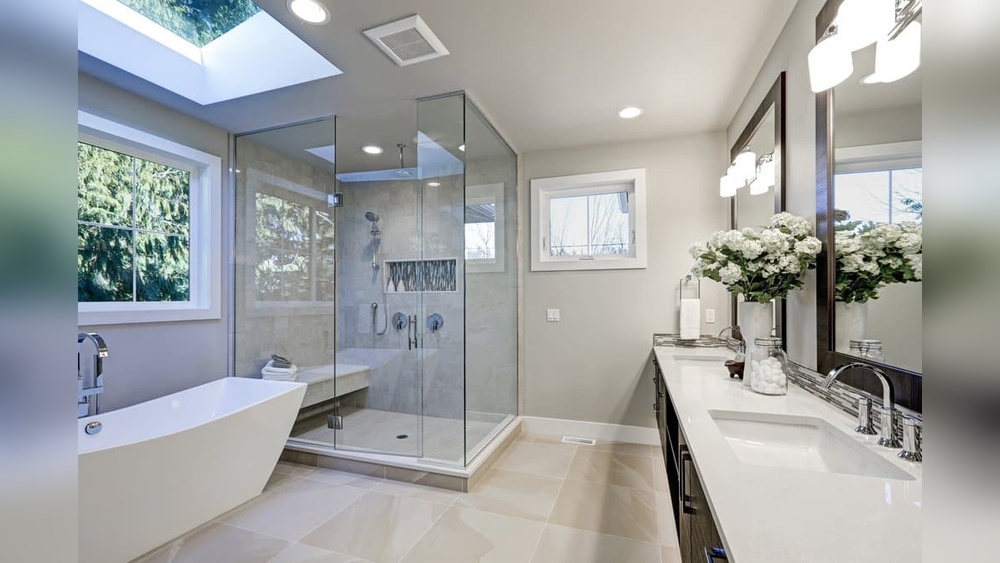

When it comes to transforming your bathroom into a bright, inviting space, the right lighting makes all the difference. Bathroom recessed lighting design is a smart way to achieve a clean, modern look while ensuring every corner is well-lit and functional.
You might wonder how to position these lights for the best effect or which fixtures work safely in damp areas like showers. You’ll discover practical tips on choosing and placing recessed lights that not only enhance your bathroom’s style but also improve safety and energy efficiency.
Keep reading, and you’ll learn how to create a lighting setup that perfectly fits your bathroom’s size and mood, making your daily routine easier and more enjoyable.
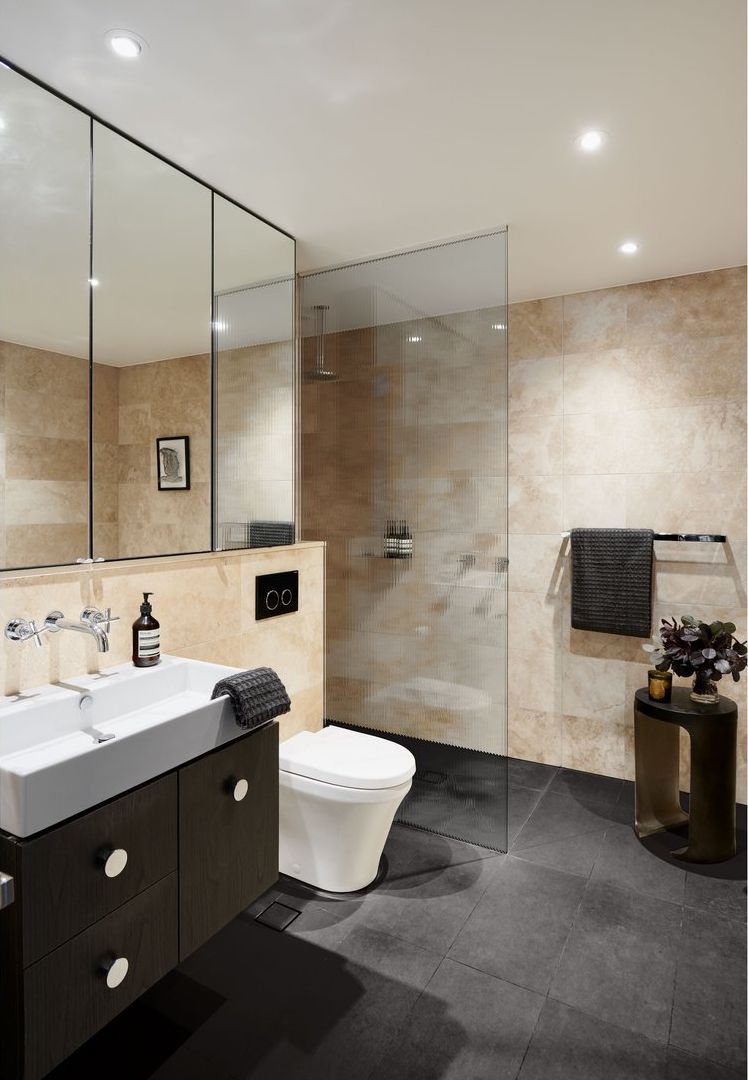
Credit: www.lightopia.com
Benefits Of Recessed Lighting
Recessed lighting offers many benefits for bathroom spaces. It provides clean, bright light without cluttering ceilings. This type of lighting fits flush with the ceiling, creating a neat and modern look. It enhances safety, style, and efficiency in the bathroom. Here are some key benefits of recessed lighting in bathroom design.
Safety In Moist Environments
Bathrooms have high humidity and moisture. Recessed lights with wet-rated fixtures resist water damage. They reduce the risk of electrical hazards. Properly installed recessed lights keep the bathroom safe. They prevent accidents caused by poor lighting or wet surfaces.
Modern Aesthetic Appeal
Recessed lights blend smoothly with any bathroom decor. They create a sleek, uncluttered ceiling appearance. This lighting style updates the bathroom’s look instantly. It highlights features without drawing attention to the light source. The result is a clean and fresh space.
Versatile Lighting Functions
Recessed lighting can serve many purposes. Use them as general lighting, task lighting, or accent lighting. They brighten the whole room or focus on specific areas. Adjustable trims add flexibility to the lighting design. This versatility fits any bathroom size or layout.
Energy Efficiency With Leds
LED recessed lights use less energy than traditional bulbs. They last longer, reducing maintenance and replacement costs. LEDs produce less heat, improving bathroom comfort. Lower energy use means lower utility bills. Choosing LED recessed lights supports eco-friendly living.
Choosing Fixtures For Bathrooms
Choosing the right fixtures for bathroom recessed lighting is key for safety and style. Bathrooms have unique needs because of moisture and space. Fixtures must handle wet conditions without damage. Also, their size should fit the bathroom layout well. Lighting quality depends on the bulbs used. Good fixtures enhance the room’s look and function.
Wet And Damp Location Ratings
Bathroom fixtures need specific ratings for moisture exposure. Wet location fixtures can handle direct water contact. Damp location fixtures resist humidity but avoid direct water. Use wet-rated fixtures inside showers or near tubs. Damp-rated fixtures work well in other bathroom areas. These ratings ensure safety and longer fixture life.
Appropriate Fixture Sizes
Fixture size affects the room’s balance and light spread. Small bathrooms need compact fixtures that do not overwhelm space. Larger bathrooms can use bigger fixtures for better light coverage. Measure ceiling height and room size before choosing. Proper size avoids awkward gaps or crowded spots. Well-sized fixtures create a neat, inviting look.
Selecting Led Bulbs
LED bulbs save energy and last longer than traditional bulbs. They produce bright light without heat, ideal for bathrooms. Choose bulbs with a color temperature around 3000K for warm light. Look for bulbs with high CRI to show true colors. LED bulbs fit most recessed fixtures easily. They help reduce electricity bills and maintenance.
Effective Placement Strategies
Effective placement of recessed lighting in bathrooms ensures a well-lit, functional space. Thoughtful design prevents dark spots and enhances the room’s atmosphere. Strategic positioning balances brightness and comfort, making daily routines easier and safer. Below are key placement strategies to consider.
Even Spacing For General Illumination
Place recessed lights evenly across the bathroom ceiling. This creates uniform brightness without harsh spots. Measure the room size to space fixtures properly. A common rule is spacing lights about 4 to 6 feet apart. This method ensures the entire bathroom is well-lit and inviting.
Task Lighting Over Vanities
Focus recessed lighting above bathroom vanities. This improves visibility for grooming and makeup. Position lights on both sides of the mirror or directly above it. Avoid placing lights too high or too low to reduce shadows on the face. Bright, clear light in this area is essential.
Lighting In Shower Areas
Use wet-rated recessed fixtures inside or near showers. These lights withstand moisture safely. Place them to illuminate the shower evenly and avoid dark corners. Proper lighting here enhances safety and comfort. Make sure the fixtures are sealed to prevent water damage.
Avoiding Glare And Shadows
Adjust light angles to minimize glare and shadows. Avoid placing lights directly above the eyes or reflective surfaces. Use diffusers or trims to soften the light. Proper placement reduces eye strain and improves the bathroom’s overall feel. Balanced lighting is key for comfort and function.
Design Ideas For Modern Spaces
Designing recessed lighting in modern bathrooms requires a thoughtful approach. The goal is to create a bright, welcoming space that feels calm and spacious. Modern spaces benefit from clean lines and simple layouts. Recessed lighting works well here, offering a sleek and subtle light source. Pairing these lights with other fixtures enhances both style and function.
Layering With Wall Sconces
Wall sconces add depth and style to recessed lighting. They provide focused light near mirrors for grooming tasks. This layering helps reduce shadows on the face. Use sconces with simple, modern designs to match the recessed lights. Position them at eye level for the best effect. This combination balances general and task lighting perfectly.
Using Dimmers For Mood
Dimmers offer control over bathroom lighting. Lower light levels create a relaxing atmosphere for baths. Brighter settings help with morning routines and cleaning. Installing dimmers lets users adjust light easily. This flexibility suits different times and moods. Choose dimmers compatible with LED recessed lights for smooth dimming.
Highlighting Architectural Features
Recessed lights can highlight unique bathroom features. Use angled fixtures to brighten shelves, niches, or textured walls. This draws attention to design details and adds visual interest. Careful placement prevents glare and keeps the light soft. Highlighting features makes the bathroom feel personalized and modern.
Installation Tips And Considerations
Installing recessed lighting in a bathroom requires careful thought and preparation. Proper installation enhances both the room’s functionality and style. Consider the bathroom size, electrical safety, and ceiling height before starting the project.
Planning Layouts For Small Bathrooms
In small bathrooms, lighting must be efficient and well-placed. Space is limited, so avoid overcrowding the ceiling with too many fixtures. Plan the lights around key areas like the vanity, shower, and toilet. Use fewer, brighter lights to keep the room feeling open. Position lights to reduce shadows and glare on mirrors.
Ensuring Electrical Safety
Bathrooms have high moisture levels, so safety is crucial. Use wet-rated recessed lights designed for bathroom use. Make sure all wiring follows local electrical codes. Install ground-fault circuit interrupters (GFCIs) to prevent electrical shocks. Hiring a licensed electrician is highly recommended for safe installation and compliance.
Working With Ceiling Heights
Ceiling height affects the type and placement of recessed lights. Low ceilings need shallow fixtures to avoid a cramped look. For high ceilings, use adjustable trim to direct light downward. Keep the lights flush with the ceiling for a clean appearance. Proper spacing and height help create balanced, even lighting throughout the bathroom.
Credit: www.dwell.com
Popular Products And Kits
Popular products and kits for bathroom recessed lighting help simplify your lighting upgrade. These options combine quality, ease of installation, and style to brighten your bathroom effectively. Choosing the right products ensures your space looks great and feels welcoming.
Top Rated Recessed Lights
Top rated recessed lights feature long-lasting LED bulbs and sleek designs. They fit seamlessly into bathroom ceilings and resist moisture. Many come with adjustable trims to direct light where you need it most. Reviews often praise their brightness and energy efficiency.
Affordable Lighting Kits
Affordable lighting kits include multiple fixtures and installation hardware. These kits save money and time by providing everything in one package. They often suit small to medium bathrooms and come with clear instructions. Many kits offer dimmable options for mood control.
Energy-saving Options
Energy-saving recessed lights use LED technology to cut power use. These lights last longer and reduce your electricity bills. Some models have motion sensors or timers to avoid wasting energy. Choosing energy-efficient products supports eco-friendly living and lowers costs.

Credit: www.homedepot.com
Frequently Asked Questions
What Is The Best Layout For Recessed Lighting In A Small Bathroom?
The best layout spaces recessed lights evenly across the ceiling, with extra fixtures over the vanity and shower. Use wet-rated fixtures for safety and choose suitable sizes to avoid shadows and glare. This ensures balanced, efficient lighting in a small bathroom.
Are Recessed Lights Good For Bathrooms?
Recessed lights suit bathrooms well, offering sleek, moisture-safe illumination. Use wet-rated fixtures for showers and even spacing for balanced light. They enhance safety by reducing shadows and save energy with LED bulbs. Proper placement ensures effective general and task lighting.
Where Should Recessed Lights Be Placed In A Bathroom Vanity?
Place recessed lights evenly above the bathroom vanity, about 24 to 36 inches apart. Position them 6 to 12 inches from the mirror to reduce shadows. Use damp-rated fixtures for safety and ensure even, glare-free illumination for optimal task lighting.
How Many Recessed Lights Should Be In A Bathroom?
A typical bathroom needs 4 to 6 recessed lights spaced evenly for balanced illumination. Place some near the vanity and shower. Choose wet-rated fixtures for damp areas to ensure safety and durability. Use LED bulbs for energy efficiency and consider dimmers for adjustable lighting.
Conclusion
Bathroom recessed lighting adds style and function to any space. It brightens the room evenly without cluttering the ceiling. Proper placement ensures safety and highlights key areas like the vanity. Using LED fixtures saves energy and cuts costs. Simple designs fit well in both small and large bathrooms.
Thoughtful lighting makes daily routines easier and more enjoyable. Choose recessed lighting to create a clean, modern bathroom look.