
When it comes to choosing the perfect flooring, texture plays a huge role in how your space looks and feels. Tile flooring texture isn’t just about style—it affects safety, comfort, and durability too.
Whether you want a sleek, smooth surface or a bold, tactile pattern, understanding tile textures can help you transform your home or office into a stunning, inviting space. Ready to discover how the right tile texture can elevate your floors and bring your vision to life?
Keep reading to find out everything you need to know.
Popular Tile Textures
Tile flooring offers a wide range of textures to enhance any space. Different textures affect the look, feel, and safety of your floors. Popular tile textures blend style with function. They suit various rooms and design preferences. Understanding these options helps pick the right tile for your home or office.
Matte And Satin Finishes
Matte tiles have a smooth, non-reflective surface. They hide dirt and scratches well. Satin finishes add a soft sheen without being shiny. Both finishes create a subtle, elegant look. These tiles work great in busy areas. They offer a natural, understated style that fits many designs.
Glossy And Polished Surfaces
Glossy tiles shine brightly and reflect light. Polished surfaces enhance this shine for a sleek look. These tiles make spaces feel larger and brighter. They are easy to clean but show smudges quickly. Glossy tiles suit modern and luxurious interiors. Use them in low-traffic zones for best results.
Textured Porcelain And Ceramic
Textured porcelain and ceramic tiles have raised patterns or rough surfaces. They add grip and prevent slipping. These tiles bring depth and interest to floors. They work well in kitchens, bathrooms, and entryways. Textured tiles combine beauty with safety and durability.
Natural Stone Looks
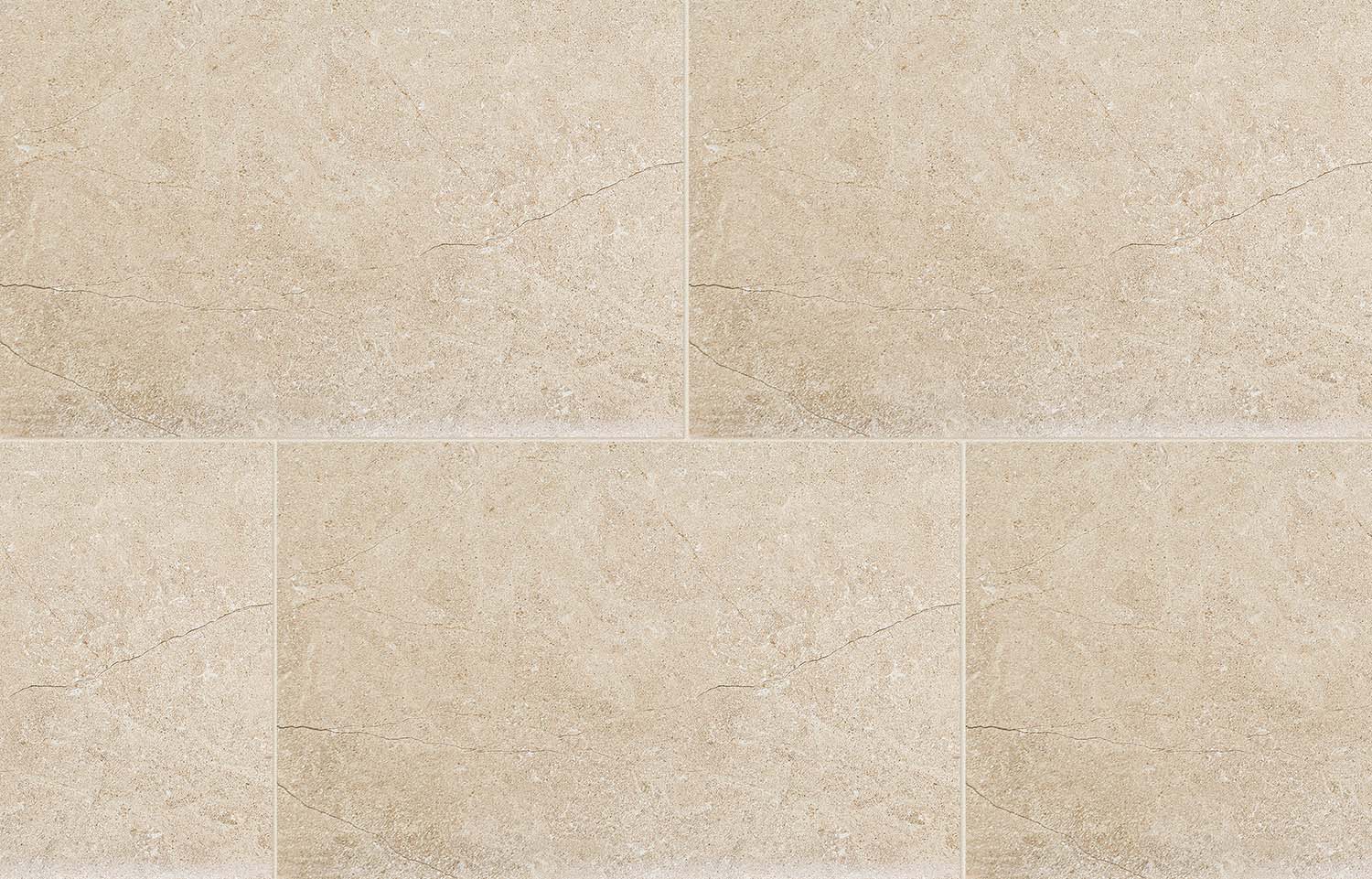
Tiles mimicking natural stone offer a classic, timeless feel. They imitate marble, slate, or travertine textures. These tiles bring warmth and character to rooms. They often feature uneven surfaces and color variations. Stone-look tiles suit rustic and traditional styles. They provide the charm of stone with easier maintenance.
Wood And Concrete Imitations
Wood-look tiles replicate the grain and texture of real wood. Concrete imitation tiles show rough, industrial surfaces. Both add unique style without real material drawbacks. Wood tiles bring warmth and comfort. Concrete tiles add a modern, urban vibe. These options fit well in contemporary and minimalist spaces.
Credit: www.walkerzanger.com
Choosing Tiles By Room
Choosing the right tile texture for each room improves both style and function. Different rooms need different tile qualities. Texture affects safety, comfort, and appearance. Selecting tiles by room type helps create a balanced and practical space.
Kitchen Flooring Textures
Kitchens need tiles that resist spills and stains. Smooth textures are easy to clean but can be slippery. Textured tiles add grip and reduce fall risks. Porcelain and ceramic with a matte finish work well. Choose patterns that hide dirt for low maintenance.
Bathroom Tile Options
Bathrooms require water-resistant and slip-proof tiles. Textured surfaces prevent slipping on wet floors. Small mosaic tiles with grout lines add extra traction. Natural stone tiles offer a warm, textured look. Select tiles that dry quickly and resist mold.
Outdoor And Patio Surfaces
Outdoor tiles must handle weather changes and rough use. Rough or textured tiles provide safety on wet surfaces. Porcelain and natural stone are durable choices. Avoid smooth tiles that become slippery when wet. Earthy textures blend well with outdoor settings.
Living Room And Hallway Styles
Living rooms and hallways benefit from stylish, moderate textures. Smooth or lightly textured tiles create a welcoming feel. Wood-look or stone-look tiles add warmth and depth. Choose textures that complement your décor and hide foot traffic marks.
Benefits Of Textured Tiles
Textured tiles offer several advantages that enhance both the look and function of any space. These tiles bring more than just style; they improve safety and durability. Their unique surface patterns add an appealing visual effect that flat tiles cannot achieve.
Choosing textured tiles means investing in flooring that combines beauty with practical benefits. Below are key reasons why textured tiles stand out in home and commercial settings.
Slip Resistance And Safety
Textured tiles provide better grip underfoot than smooth tiles. This reduces the risk of slipping, especially in wet or high-traffic areas. They are ideal for bathrooms, kitchens, and outdoor spaces. Safety increases without sacrificing style.
Visual Depth And Character
The surface patterns of textured tiles create shadows and highlights. This adds depth and dimension to floors and walls. Textured tiles can mimic natural materials like stone or wood. They bring warmth and character to any room.
Durability And Maintenance
Textured tiles are tough and resist scratches and stains. Their uneven surface hides dirt and marks better than smooth tiles. Cleaning is easier since wear and tear are less visible. These tiles last longer and keep their look over time.
Trendy Tile Patterns
Tile flooring textures bring life to any room. Patterns create unique looks and add personality. Trending tile designs combine style with texture for visual interest.
These patterns offer options for modern and classic spaces. Each style enhances the floor’s feel and appearance. Explore popular patterns that stand out today.
Geometric And Hexagonal Designs
Geometric shapes deliver bold, clean lines to floors. Hexagonal tiles create honeycomb effects, adding depth and movement. These patterns suit kitchens, bathrooms, and living rooms.
Mixing tile sizes or colors boosts contrast and texture. The shapes form eye-catching layouts that guide the room’s flow. They fit well with minimalist and contemporary decor.
Mosaic And Mixed Materials
Mosaics combine small tiles into artistic patterns or images. Using glass, stone, or ceramic tiles adds texture variety. These designs bring a handcrafted feel to floors and walls.
Mixing materials enhances tactile appeal and visual richness. Mosaics suit feature walls, backsplashes, and accent floors. Their intricate patterns create focal points in any space.
Large Format And Minimalist Styles
Large format tiles create smooth, seamless floor surfaces. Their size reduces grout lines, making spaces appear bigger. These tiles offer subtle texture while maintaining simplicity.
Minimalist styles focus on clean, understated looks with soft textures. Neutral tones and matte finishes add calmness and warmth. This style works well for modern and Scandinavian interiors.
Installation Tips
Installing tile flooring with texture adds beauty and safety to any space. Proper installation ensures the tiles last longer and look great. Paying attention to key steps helps avoid common problems. The following tips focus on surface preparation, grout choice, and care for textured tiles.
Surface Preparation
Start with a clean, dry, and level surface. Remove dirt, dust, and old adhesive. Fill cracks or holes with a suitable patching compound. Allow the surface to dry completely before laying tiles. A smooth, even base prevents tiles from cracking or lifting.
Grout Selection And Color
Choose grout that matches or contrasts with the tile texture. A color close to the tile hides dirt and stains better. Use grout designed for textured tiles to fill gaps properly. Proper grout prevents water damage and keeps the floor stable.
Sealing And Care For Textured Tiles
Seal textured tiles to protect against stains and moisture. Use a penetrating sealer made for porous surfaces. Reapply sealer every year or as needed. Clean tiles regularly with mild soap and water. Avoid harsh cleaners that can damage the texture.
Combining Textures And Colors
Combining textures and colors in tile flooring creates unique, inviting spaces. Mixing these elements adds depth and personality to any room. Thoughtful combinations balance style with functionality. The right blend can transform bland floors into stunning features.
Neutral Palettes With Texture
Neutral colors like beige, gray, and white offer calm backgrounds. Adding textured tiles boosts visual interest without overwhelming the space. Matte, stone, or wood-look tiles create subtle contrasts. These textures bring warmth and softness to cool, neutral tones. Neutral palettes with texture suit modern and classic designs.
Bold Colors And Contrast
Bright tiles draw attention and energize rooms instantly. Pairing bold colors with textured surfaces adds a dynamic edge. Glossy tiles alongside rough or patterned ones create striking contrasts. Use deep blues, reds, or greens to make a statement. Contrast highlights tile details and defines areas clearly.
Layering With Wall And Floor Tiles
Layering different tiles on floors and walls adds dimension. Coordinating textures and colors creates harmony between surfaces. For example, smooth wall tiles with rough floor tiles balance each other well. Use lighter shades on walls to open space and darker floors for grounding. This approach enhances room flow and aesthetic appeal.
Where To Find Quality Tiles
Finding quality tiles for your flooring project can transform any space. The right tile texture adds both beauty and durability. Knowing where to buy quality tiles helps you make smart choices. Various sources offer a wide range of options. Each source has unique benefits for different needs and budgets.
Local Suppliers In Austin, Texas
Austin has many local tile suppliers with diverse selections. Visiting local stores lets you see tile textures up close. You can touch and feel the materials before buying. Local suppliers offer expert advice tailored to Austin’s style and climate. Supporting local businesses helps the community and ensures faster delivery. Many stores carry popular brands and unique tiles for all budgets.
Online Marketplaces And Resources
Online marketplaces provide vast tile options with detailed descriptions. You can compare prices and reviews from multiple sellers easily. Shopping online saves time and offers delivery to your doorstep. Websites often show high-quality images of tile textures. Some platforms offer free samples to test at home. Check return policies before purchasing to avoid issues.
Custom And Artisan Tile Makers
Custom tile makers create unique, hand-crafted designs for special projects. Artisan tiles offer textures and patterns not found in mass production. These tiles add character and a personal touch to floors. Working with artisans allows customization in size, color, and texture. Expect higher prices but exceptional quality and originality. Many artisans showcase their work online or in local galleries.
Credit: stock.adobe.com
Credit: www.istockphoto.com
Frequently Asked Questions
What Is Tile Flooring Texture?
Tile flooring texture refers to the surface finish of tiles. It affects grip, appearance, and feel. Textured tiles enhance safety and add visual depth to spaces.
How Does Texture Impact Tile Flooring Durability?
Texture can improve durability by resisting scratches and wear. Rough surfaces hide damage better than smooth tiles. Proper texture choice suits high-traffic areas.
Are Textured Tiles Slip-resistant?
Yes, textured tiles generally offer better slip resistance. Their uneven surface provides grip, reducing fall risks. Ideal for wet or busy environments.
Which Textures Suit Indoor Tile Flooring Best?
Smooth, matte, and lightly textured tiles work well indoors. They balance aesthetics and easy cleaning. Choose textures that complement your room style.
Conclusion
Choosing the right tile flooring texture can transform any space. Textured tiles offer both style and safety by reducing slips. They add character and depth to floors and walls. Durability makes them ideal for busy areas in homes or offices.
Explore different textures to find what fits your design best. Simple changes can make a big visual impact. Tile textures bring warmth and personality to any room. Consider texture as an important factor for your next flooring project.