
When it comes to choosing the perfect floor for your space, texture plays a key role in how your room feels and looks. Flooring texture isn’t just about appearance—it affects comfort, safety, and the overall atmosphere of your home or office.
Whether you want a smooth, sleek surface or a rustic, natural finish, understanding flooring texture can help you make a choice that matches your style and needs. You’ll discover how different textures can transform your floors and why paying attention to texture matters more than you might think.
Ready to find the ideal texture for your floors? Let’s dive in.
Types Of Flooring Textures
Flooring texture plays a key role in defining a room’s look and feel. Different textures bring unique styles and comfort levels. Understanding various flooring textures helps in choosing the right floor for any space. This section explores common types of flooring textures and their features.
Wood Grain Variations
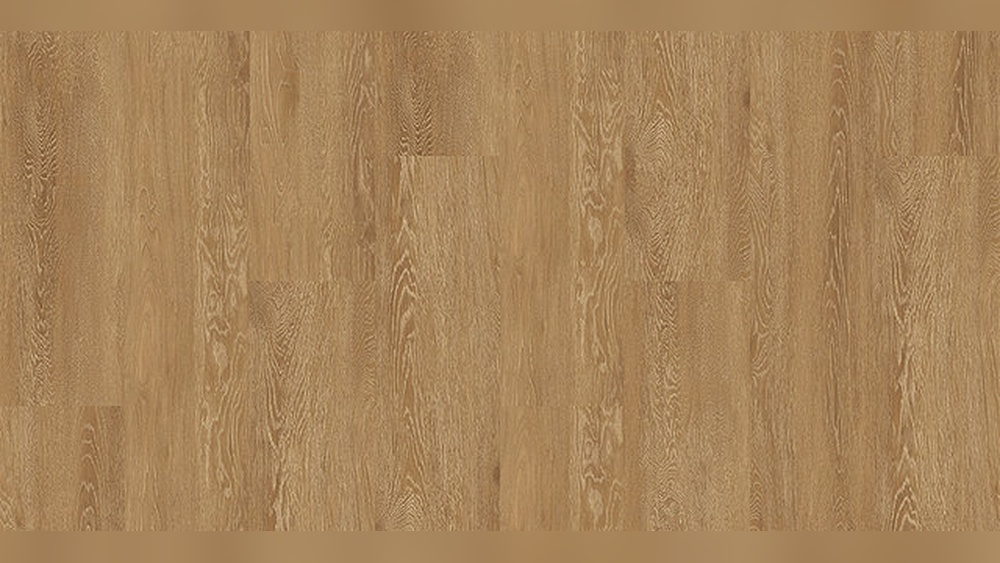
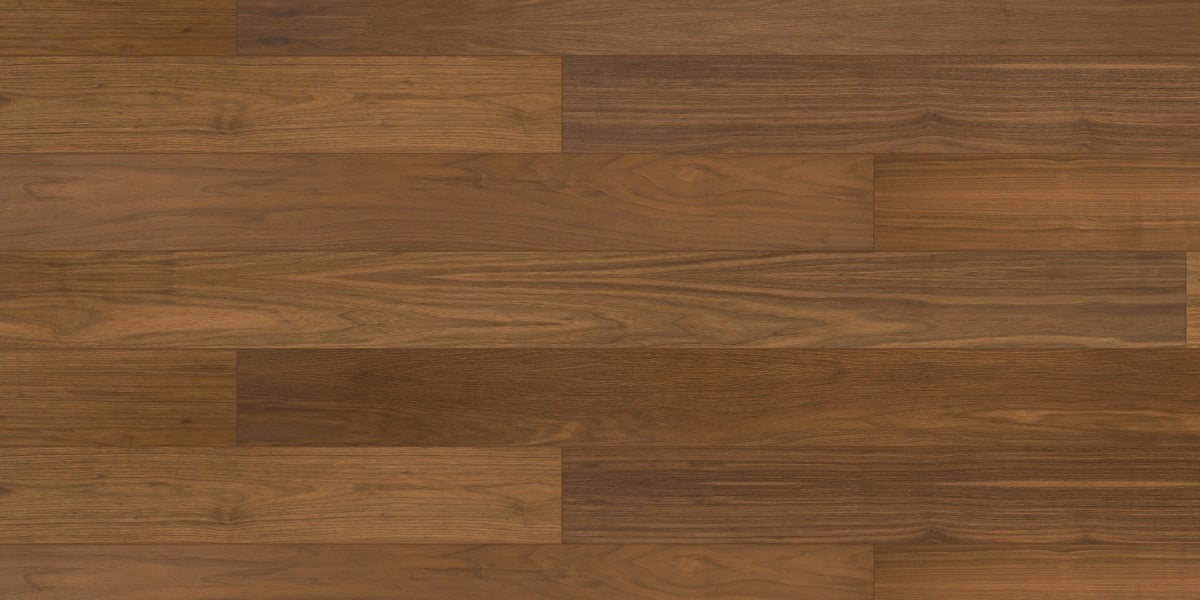
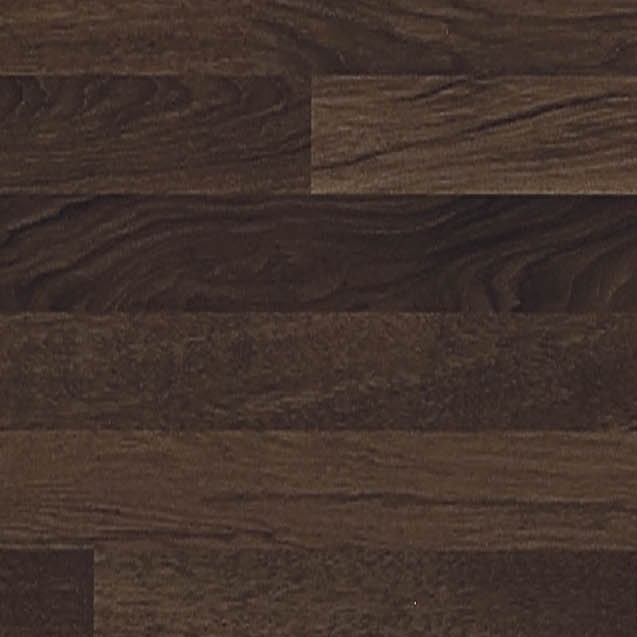
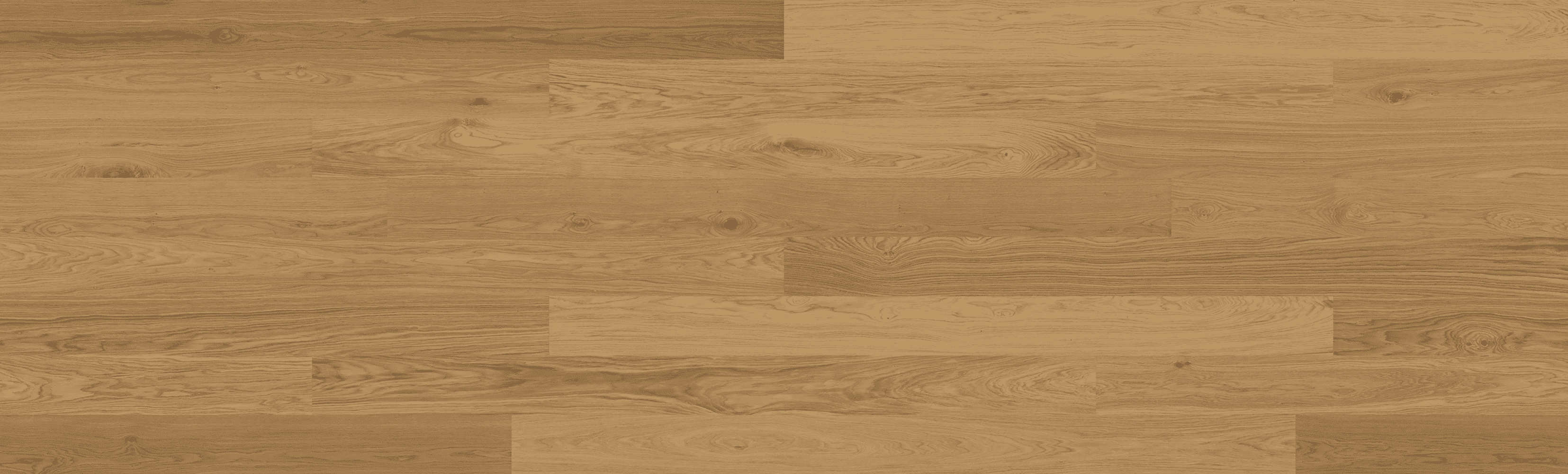
Wood flooring offers many grain patterns. These include straight, wavy, and knotty grains. Each pattern adds a distinct character to the floor. Oak, maple, and walnut show different grain textures. Smooth grains create a sleek look. Rough grains add rustic charm. Wood grain texture often feels warm and natural underfoot.
Stone And Tile Patterns
Stone and tile floors come in many textures. Polished stone feels smooth and shiny. Tumbled stone offers a rough, aged appearance. Tiles can have matte or glossy finishes. Patterns may include geometric shapes or natural stone looks. These textures add durability and style to floors. They work well in kitchens and bathrooms.
Laminate And Vinyl Options
Laminate and vinyl flooring mimic other textures. They often imitate wood, stone, or tile. Textures range from smooth to embossed. Embossed textures add realism to the floor. These floors are easy to clean and maintain. They suit busy homes and commercial spaces. Laminate and vinyl offer affordable texture choices.
Carpet And Fabric Surfaces
Carpet and fabric floors provide soft textures. They come in looped, cut, or plush piles. Loop pile carpets feel firm and durable. Cut pile carpets offer a soft and fluffy surface. These textures improve warmth and sound absorption. Carpet textures add comfort to bedrooms and living rooms. They come in many colors and patterns.
Credit: parklexprodema.com
Benefits Of Textured Floors
Textured floors offer many benefits beyond simple appearance. They improve the overall function and feel of any space. These floors provide strength and style that last for years. They also help keep areas safe and easy to maintain.
Durability And Wear Resistance
Textured floors resist scratches and dents better than smooth surfaces. The texture helps hide minor damage from daily use. These floors hold up well in busy homes and commercial spaces. They maintain their look longer, saving money on repairs.
Slip Resistance And Safety
Textured floors improve grip underfoot, reducing slips and falls. This makes them ideal for wet or high-traffic areas. The uneven surface increases traction even when floors are wet. They add an important layer of safety for families and businesses.
Aesthetic Appeal And Character
Textured floors add depth and interest to any room. The patterns and finishes create a unique character. They bring warmth and style that smooth floors often lack. These floors can match many decor styles, from modern to rustic.
Maintenance And Cleaning
Textured floors hide dirt and dust better than flat floors. This helps spaces look cleaner between cleanings. Many textured materials are easy to sweep or mop. They resist stains and wear, reducing the need for harsh chemicals.
Popular Flooring Materials
Choosing the right flooring material changes the feel and look of any space. Popular flooring materials offer various textures, durability, and styles. Each type suits different needs and budgets. Understanding these materials helps pick the best option for your home or office.
Hardwood And Engineered Wood
Hardwood floors add warmth and natural beauty. They come from solid wood planks like oak or maple. Engineered wood has layers for more stability. It looks like hardwood but resists moisture better. Both options provide rich textures and can be refinished.
Natural Stone And Ceramic Tiles
Stone and ceramic tiles bring elegance and strength. Marble, granite, and slate offer unique patterns. Tiles are easy to clean and very durable. They work well in kitchens and bathrooms. Textures range from smooth to rough, adding character to any room.
Luxury Vinyl And Laminate
Luxury vinyl and laminate mimic wood or stone at a lower cost. Vinyl is waterproof and soft underfoot. Laminate is scratch-resistant and easy to install. Both come in many textures and colors. They suit busy households and commercial spaces.
Eco-friendly And Sustainable Choices
Eco-friendly flooring uses natural or recycled materials. Bamboo and cork grow quickly and renew fast. Recycled wood and tiles reduce waste. These choices protect the environment and add unique textures. They offer beauty with a smaller carbon footprint.
Credit: www.sketchuptextureclub.com
Choosing The Right Texture
Choosing the right flooring texture can change the whole feel of a room. Texture adds depth and character, making spaces more inviting. It also affects safety, comfort, and maintenance. Understanding how to pick the best texture matters for every home or office space.
Matching Texture With Room Function
Each room has a unique purpose. For kitchens, smooth and easy-to-clean textures work best. Bathrooms need slip-resistant textures to prevent accidents. Living rooms can handle soft and warm textures that feel nice underfoot. Bedrooms benefit from cozy textures that add comfort and warmth.
Coordinating With Interior Style
Texture should match your room’s design style. Modern spaces often use sleek and smooth textures. Rustic rooms look great with rough, natural textures like wood or stone. Classic interiors suit polished and detailed textures. Choose textures that blend well with furniture and wall finishes.
Considering Foot Traffic And Usage
High-traffic areas need durable textures that show less wear. Textures with patterns or grooves hide dirt and scratches better. Low-traffic rooms allow for delicate textures that require gentle care. Think about how often people walk on the floor and what type of use it will get.
Balancing Comfort And Practicality
Comfort matters, especially in places where you stand long. Soft textures like cork or carpet cushion your feet. Practical textures resist stains and damage. Find a balance that feels good and lasts long. This choice keeps your space both cozy and easy to maintain.
Installation Techniques
Installing textured flooring requires careful planning and precise techniques. Proper installation ensures durability and highlights the beauty of the texture. Each step matters, from preparing the base to applying the texture. Understanding these techniques helps achieve a professional look and long-lasting results.
Preparing Subfloor And Surface
Start with a clean and dry subfloor. Remove any dust, debris, or old adhesive. Check the surface for cracks or uneven spots. Smooth out rough areas using a leveling compound. Ensure the subfloor is firm and stable. This preparation prevents future damage and improves texture adhesion.
Textured Surface Application Methods
Choose the right method based on the flooring material and texture type. For wood, techniques include hand-scraping or wire brushing. Laminate textures often use embossing during manufacturing. Tile or stone textures may be applied with grout or adhesive. Follow manufacturer instructions for best results.
Common Installation Challenges
Uneven subfloors cause texture inconsistencies. Moisture can weaken adhesives or cause warping. Misalignment of tiles or planks affects the texture pattern. Working in tight spaces limits movement and precision. Addressing these issues early reduces costly repairs later.
Professional Vs Diy Installation
Professionals have tools and skills for flawless texture installation. They can handle complex surfaces and large projects efficiently. DIY saves money but requires patience and learning. Mistakes in DIY work may damage the texture or shorten flooring life. Choose based on budget, skill, and project size.
Maintaining Textured Flooring
Textured flooring adds style and character to any room. It also needs special care to keep its beauty. Maintaining textured floors means cleaning, protecting, and fixing them properly. This care helps the texture stay fresh and last longer.
Regular Cleaning Tips
Sweep or vacuum textured floors often to remove dust and dirt. Use a soft broom or vacuum with a brush attachment. Mop the floor with a damp cloth and mild cleaner. Avoid harsh chemicals that can damage the texture. Dry the floor quickly to prevent water spots.
Handling Stains And Scratches
Blot spills immediately with a clean cloth. Do not rub, or stains may spread. Use gentle cleaners made for your floor type to remove stains. For scratches, try a touch-up marker or filler that matches the floor color. Small scratches can often be hidden with these fixes.
Protecting Texture From Damage
Place mats at doorways to catch dirt and grit. Use furniture pads under chairs and tables to stop scratches. Avoid walking on floors with high heels or sharp objects. Keep pet nails trimmed to prevent marks. Regularly check areas that get heavy use and protect them well.
When To Refinish Or Replace
Refinish textured floors if scratches and wear become obvious. Refinishing restores the surface and texture. Replace floors if damage is deep or the texture wears away. A new textured floor can refresh the whole space. Decide based on the floor’s condition and your budget.
Trends In Flooring Textures
Flooring texture plays a key role in defining a room’s character. Trends in flooring textures are evolving fast. They add depth and style to any space. Choosing the right texture can make floors stand out or blend seamlessly.
New styles focus on natural appeal, boldness, and innovation. Textures create a sensory experience underfoot and visually enhance interiors. Here are some popular trends shaping flooring textures today.
Natural And Rustic Looks
Natural textures bring warmth and authenticity. Wood grains, stone surfaces, and raw finishes mimic nature. Floors with knots, cracks, and uneven surfaces offer a rustic feel. These textures suit cozy and casual spaces. They create an earthy, inviting atmosphere.
Bold Patterns And Geometric Designs
Geometric shapes and vivid patterns add energy to floors. Triangles, hexagons, and chevrons create eye-catching visuals. Contrasting colors and sharp lines bring modern flair. Bold textures become focal points in minimalist rooms. They help express creativity and style.
Mixing Textures For Contrast
Combining smooth and rough textures delivers visual interest. Pairing glossy tiles with matte wood creates striking contrasts. Layering different materials enhances depth and uniqueness. This trend allows personal expression through texture play. It transforms simple floors into design statements.
Technological Innovations In Flooring
New technology improves texture realism and durability. Digital printing replicates natural wood and stone textures perfectly. Advanced materials offer slip resistance and easy maintenance. Smart flooring adapts to temperature and lighting changes. Innovations expand design options and practical benefits.
Cost And Budget Considerations
Choosing the right flooring texture affects your overall budget. Costs vary widely by material type, installation needs, and durability. Careful planning helps avoid overspending and ensures good value. Consider both upfront expenses and long-term benefits for a smart investment.
Material Price Comparisons
Flooring materials range from low-cost vinyl to high-end hardwood. Laminate and vinyl offer budget-friendly options under $3 per square foot. Hardwood and natural stone can cost $8 to $15 or more per square foot. Engineered wood falls between these prices. Texture and finish also influence material cost. Select materials that fit your budget and style.
Installation Expenses
Installation fees differ based on flooring type and room complexity. Simple floors like laminate cost less to install, typically $1 to $3 per square foot. Complex materials like tile or hardwood require skilled labor, raising costs to $4 to $8 or more per square foot. Additional work like subfloor repair or removal adds to total expenses. Factor installation into your flooring budget carefully.
Long-term Value And Roi
Durable flooring saves money over time by needing fewer repairs. Hardwood and stone hold value and enhance home appeal. Cheaper materials may wear out quickly, leading to replacements. Textured floors can hide scratches and dirt, reducing maintenance costs. Balance initial cost with lifespan for the best return on investment.
Tips To Save On Flooring Projects
Buy materials during sales or in bulk to lower costs. Choose local suppliers to reduce shipping fees. Consider DIY installation for simple flooring types. Reuse or refurbish existing flooring if possible. Plan ahead to avoid rush charges and last-minute purchases. Small savings add up and keep your project on budget.
Credit: www.ghsproducts.com
Frequently Asked Questions
What Is Texture Flooring?
Texture flooring features a surface with raised patterns or finishes. It enhances grip, adds visual interest, and resists slipping. Common materials include wood, stone, and vinyl. This flooring type combines style with safety, making it ideal for homes and commercial spaces.
What Is The Rule Of 3 Flooring?
The rule of 3 flooring means using three different flooring materials or patterns to create visual balance and interest. It enhances room aesthetics by combining textures and colors harmoniously. This design rule improves space flow and highlights key areas effectively.
What Is The Current Trend For Flooring?
Current flooring trends emphasize sustainable materials, textured finishes, and wood-look vinyl for durability and style. Bold patterns and mixed textures also gain popularity.
What Are The 5 Types Of Hard Flooring?
The five types of hard flooring are hardwood, laminate, tile, vinyl, and stone. Each offers durability and unique style options.
Conclusion
Choosing the right flooring texture can change your room’s whole feel. Smooth textures create a modern, sleek look. Rough or natural textures add warmth and character. Think about your lifestyle and how much care each texture needs. Texture affects safety too, especially in wet areas.
Explore samples to see what suits your space best. Flooring texture plays a big role in style and comfort. Take time to select a texture that fits your needs well. Your floor’s texture can make your home inviting and unique.