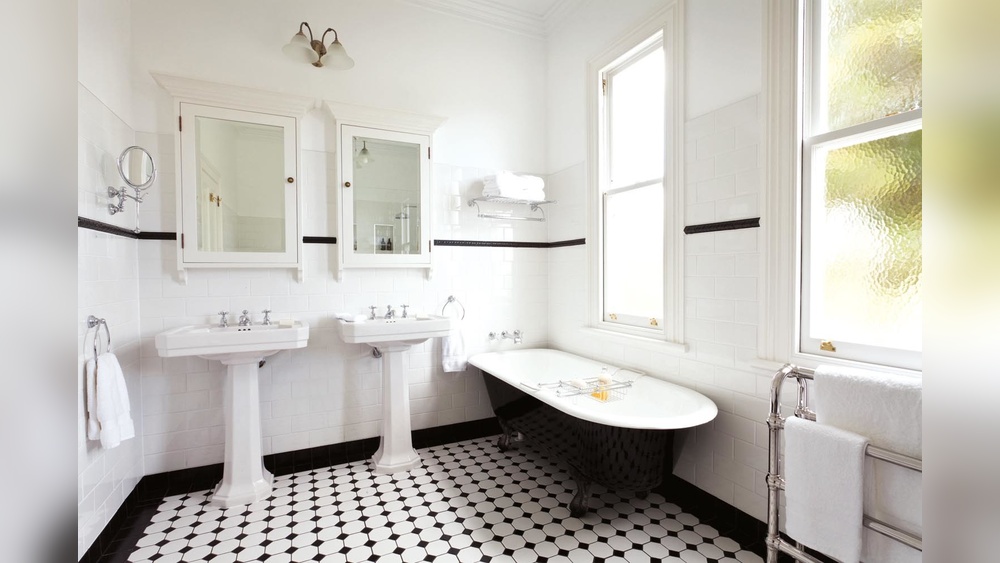

Step into the charm of the 1920s with bathroom designs that blend timeless elegance and unique character. If you’re looking to refresh your space with vintage flair, the 1920 bathroom design offers a perfect mix of soft pastels, bold geometric patterns, and classic fixtures that can transform your bathroom into a stunning retreat.
Imagine clawfoot tubs, sleek pedestal sinks, and art deco-inspired tiles that bring both style and comfort. Whether you want a full renovation or just a few inspired touches, understanding these key elements will help you create a bathroom that feels both nostalgic and inviting.
Ready to discover how your bathroom can capture the spirit of the Roaring Twenties? Keep reading to unlock all the secrets behind this iconic design style.
Colors And Palettes
The color choices of 1920 bathroom design create a unique and charming atmosphere. This era blends soft pastels with bold contrasts and rich jewel tones. These palettes reflect the elegance and style of the roaring twenties. Each color scheme adds character and depth to the space. Understanding these colors can inspire a timeless bathroom design.
Pastel Hues
Pastel colors were very popular in 1920 bathrooms. Soft shades like mint green, pale pink, and powder blue created a calm and fresh look. These colors often appeared on walls, tiles, and bathroom accessories. Pastels gave the space a light and airy feel. They balanced the bold elements of Art Deco designs beautifully.
Black And White Contrast
Black and white tiles were a classic choice for 1920 bathrooms. This stark contrast created striking patterns on floors and walls. Checkerboard designs were especially common and added drama to the room. The black and white palette also highlighted chrome fixtures and porcelain features. It gave the bathroom a clean and elegant look.
Art Deco Greens
Green was a signature color in Art Deco bathroom design. Shades like jade, spring green, and mint were often used. These greens brought a rich and luxurious feel to the space. They paired well with geometric patterns and shiny metallic fixtures. Art Deco greens added depth and vibrance to 1920s bathroom palettes.
Key Fixtures
Key fixtures define the charm of a 1920 bathroom design. These elements bring vintage style and function together. They create a timeless look that appeals to many homeowners. Classic shapes and materials stand out in these fixtures. Each piece tells a story of elegance and simplicity.
Clawfoot Bathtubs
Clawfoot bathtubs are the centerpiece of 1920 bathrooms. Their freestanding design adds grandeur to the space. The tub’s rounded edges and ornate feet create a classic feel. Made from cast iron, they hold heat well for warm baths. Many are finished with smooth porcelain for a clean look. These tubs invite relaxation and style.
Pedestal Sinks
Pedestal sinks offer a simple yet elegant solution for 1920 bathrooms. They stand alone without bulky cabinets. Their slim design saves space in small rooms. The smooth curves complement other vintage fixtures. Porcelain surfaces make cleaning easy and keep the look fresh. These sinks blend beauty with practicality.
Chrome And Nickel Faucets
Chrome and nickel faucets complete the 1920s bathroom theme. They shine with a polished, reflective surface. The metals resist rust and last for years. Faucets feature delicate curves and cross handles. Their design matches the era’s focus on fine detail. These faucets add sparkle and function to the room.
Materials And Surfaces
The materials and surfaces in 1920 bathroom design create a timeless, elegant look. These choices reflect the era’s focus on quality and style. Bathrooms from this period often combined durability with decorative appeal. Surfaces had both practical and artistic roles, shaping the room’s overall feel.
Porcelain And Ceramic Tiles
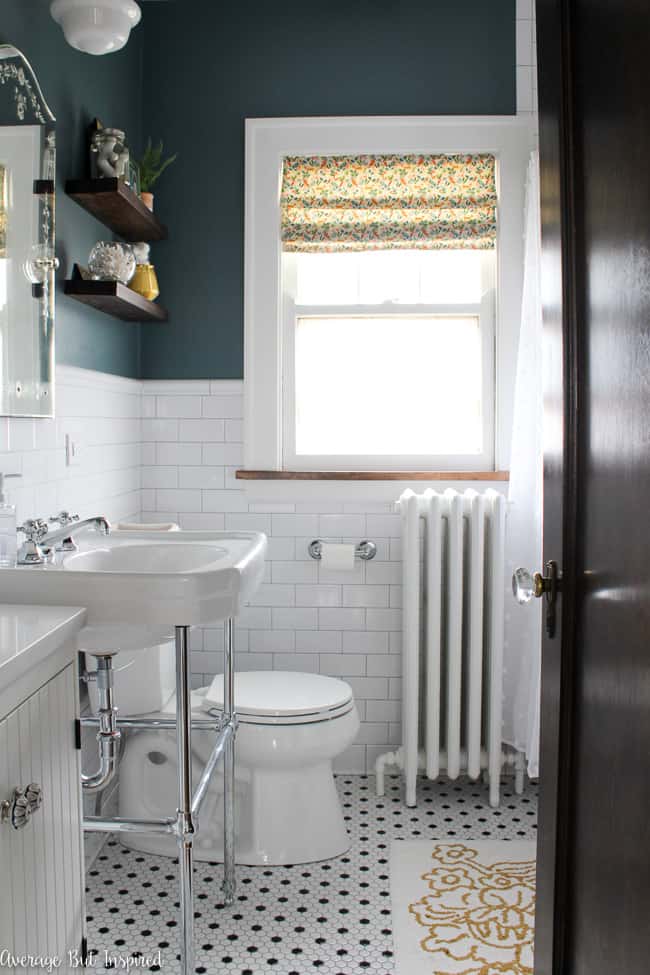
Porcelain and ceramic tiles are hallmarks of 1920 bathrooms. They provide a smooth, clean surface that resists moisture and stains. Tiles often featured soft pastel colors like mint green, pink, and sky blue. Black and white tiles were also popular, creating striking contrasts. Many tiles displayed Art Deco patterns such as stars, stripes, and fan shapes. These designs added charm and character to walls and floors. Their glossy finish helped reflect light, brightening the space. Tiles were easy to clean and maintain, perfect for bathroom environments.
Wall And Floor Treatments
Walls and floors in 1920 bathrooms used materials that balanced beauty and function. Walls were often tiled halfway up or fully tiled in wet areas. Painted plaster in pastel tones complemented tilework in other sections. Floors featured small mosaic tiles or larger geometric patterns. These surfaces provided grip and durability while enhancing style. Many bathrooms included black and white checkerboard floors, a classic look. Wood was rarely used on floors due to moisture, but painted trim added warmth. Chrome or nickel fixtures contrasted nicely with these materials, completing the vintage look.
Credit: averageinspired.com
Patterns And Textures
Patterns and textures defined the style of 1920 bathroom design. They brought life and character to the space. These elements combined simplicity with boldness, creating a unique look. From tiles to wallpaper, every detail mattered. The era’s design used shapes and surfaces to add interest without overcrowding.
Geometric Tile Designs
Tiles in 1920 bathrooms often featured geometric patterns. Squares, diamonds, and hexagons were popular shapes. Black and white tiles created strong contrasts. Soft pastel tiles in mint green, pink, or blue added a gentle touch. Patterns like starbursts and fan shapes reflected the Art Deco influence. These tiles decorated floors and walls, making the space feel fresh and stylish.
Wallpaper Motifs
Wallpaper in the 1920s often showed repeating patterns. Floral prints mixed with geometric shapes created balance. Stripes and stars appeared in many designs. Colors stayed soft, using pastel tones with occasional darker accents. Wallpapers added texture and warmth to the bathroom walls. They complemented tile patterns without overpowering the room’s look.
Lighting Styles
Lighting styles in 1920 bathroom design set the mood and enhance the space. Light fixtures were both functional and decorative. They reflected the elegance and charm of the era. Soft, diffused light helped create a relaxing atmosphere. The right lighting also highlighted the bathroom’s classic features and pastel colors.
Frosted Glass Sconces
Frosted glass sconces were a staple in 1920 bathrooms. They softened harsh light and reduced glare. These sconces often featured simple, rounded shapes. The frosted glass diffused light evenly across the room. Mounted beside mirrors, they provided gentle illumination for daily grooming. Their subtle glow added warmth to the space.
Decorative Fixtures
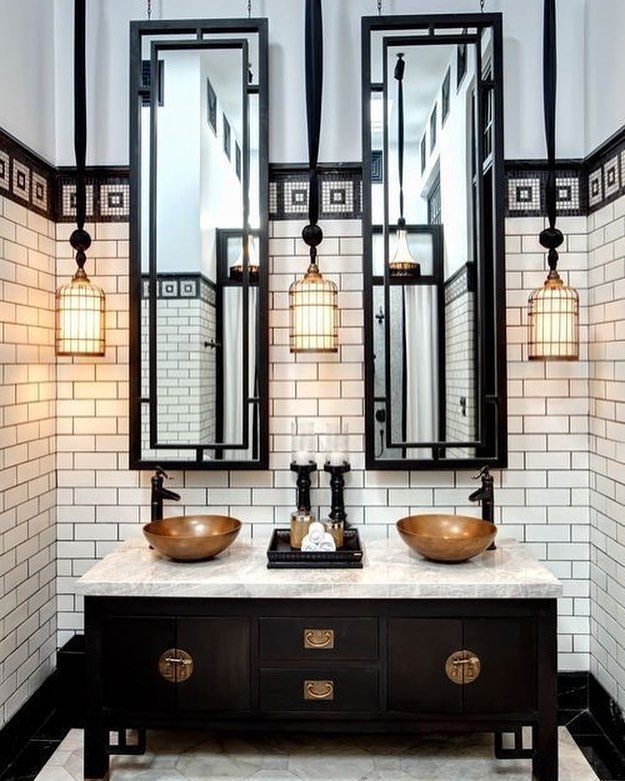
Decorative fixtures brought style and personality to 1920 bathrooms. Many had ornate metalwork in chrome or nickel finishes. Designs included geometric patterns and floral motifs. Some fixtures had etched or patterned glass shades. These elements reflected the Art Deco influence of the time. Decorative lighting made the bathroom feel luxurious and unique.
Credit: www.atlasceramics.co.uk
Storage Solutions
Storage played an important role in 1920 bathroom design. The era balanced style and function well. Designers used clever solutions to keep bathrooms tidy without clutter. Space was often limited, so smart storage was essential. Simple, practical ideas helped organize essentials while enhancing vintage charm.
Mirrored Medicine Cabinets
Mirrored medicine cabinets were popular storage choices. They combined a mirror and storage space in one. These cabinets kept toiletries hidden but easy to access. The mirror helped brighten the room and made it feel larger. Often mounted above the sink, they saved floor space. Their clean lines fit well with 1920s style. Some featured etched glass or decorative trim for extra flair. This dual-purpose design was both practical and elegant.
Wall-mounted Options
Wall-mounted storage solutions were common in 1920s bathrooms. Shelves and cabinets attached to the wall freed up floor area. This made small bathrooms feel more open and organized. Materials like wood and metal were used, often with painted finishes. Hooks and racks provided places for towels and robes. These mounts kept items within reach but off counters. The style matched the era’s focus on neatness and efficiency. Wall-mounted units helped maintain the bathroom’s tidy look.
Shower Designs
Shower designs from the 1920s showcase unique charm and practical style. These showers often featured wall-mounted heads that served both function and form. The designs reflected the era’s focus on durability and simplicity, blending well with pastel colors and geometric tile patterns. Bathrooms in the 1920s balanced elegance with everyday use, making showers an important feature of the design.
Wall-mounted Shower Heads
Wall-mounted shower heads were common in 1920s bathrooms. They were usually bulky and made from metal with chrome or nickel finishes. These shower heads were fixed directly to the wall at a height convenient for standing users. The water flow was steady but less adjustable than modern designs. The style matched the era’s other fixtures, like clawfoot tubs and pedestal sinks.
These shower heads often had simple round shapes. Their size aimed to provide enough water coverage without wasting water. Many 1920s homes did not have the plumbing for rain-style or handheld showers, so wall-mounted heads were a practical choice. Their design was straightforward, focusing on durability over decoration.
Comparisons To Modern Styles
Modern showers offer many features that 1920s designs did not. Today’s showers often include adjustable heads, rainfall options, and handheld attachments. These allow users to customize their experience more than the fixed wall-mounted heads of the past. Modern materials also resist corrosion better and come in various styles and finishes.
Despite advances, 1920s shower designs still hold appeal. Their simplicity suits vintage or retro-themed bathrooms. Some homeowners choose to keep or restore original fixtures for authenticity. Modern showers focus on comfort and efficiency, while 1920s showers emphasize classic form and basic function.

Credit: lorikdesignstudio.com
Rural Vs Urban Bathrooms
The 1920s marked a unique era for bathroom design, reflecting lifestyles and resources. Bathrooms in rural and urban settings shared some style cues but differed greatly. These differences shaped how people used and experienced these spaces.
Urban bathrooms often showcased the latest trends and materials. Rural bathrooms leaned toward practicality and available resources. This contrast created distinct design and functional characteristics worth exploring.
Design Variations
Urban bathrooms featured elegant fixtures like clawfoot tubs and pedestal sinks. Tiles with geometric Art Deco patterns adorned walls and floors. Soft pastel colors mixed with black and white tiles were common.
Rural bathrooms used simpler materials. Wood and basic ceramic tiles were typical. Fixtures were practical, often homemade or locally sourced. Colors were muted, focusing on durability over style.
Functional Differences
Urban bathrooms had indoor plumbing and hot water systems. Showers with wall-mounted heads appeared but were bulky. Medicine cabinets with mirrors saved space and added convenience.
Rural bathrooms sometimes lacked full plumbing. Water was often drawn from wells or outdoor pumps. Bathing took place in portable tubs or washbasins. Heating water required manual effort, influencing bathroom use.
Practical Features
The 1920 bathroom design blends style with smart features. These practical details made daily life easier. Function met form in a way that still inspires today.
Bathrooms from this era focused on utility without losing charm. Each element served a purpose, enhancing comfort and convenience. This balance is key to the lasting appeal of 1920s bathrooms.
Space Maximization
Small bathrooms were common in the 1920s. Designers used clever ideas to save space. Wall-mounted medicine cabinets added storage without taking floor room. Pedestal sinks offered elegance and freed up floor space. Freestanding bathtubs often had slim profiles to fit tight areas. These choices made bathrooms feel larger and less cluttered.
Durability And Maintenance
Materials chosen in the 1920s aimed to last long and resist wear. Porcelain and ceramic tiles covered walls and floors. These surfaces were easy to clean and resisted moisture well. Chrome and nickel finishes on faucets prevented rust and stayed shiny. Fixtures were built strong to handle daily use. This focus on durability helped keep bathrooms functional for years.
Frequently Asked Questions
What Did Bathrooms In The 1920s Look Like?
Bathrooms in the 1920s featured pastel colors like mint, pink, and blue with black-and-white tile. They had freestanding clawfoot tubs, pedestal sinks, and Art Deco geometric patterns. Porcelain tiles covered walls and floors, with chrome fixtures and frosted glass sconces for lighting.
What Would A 1910 Bathroom Look Like?
A 1910 bathroom featured freestanding clawfoot tubs, pedestal sinks, pastel colors, porcelain tiles, chrome fixtures, and geometric Art Deco patterns.
What Tile Was Popular In The 1920s?
Popular tiles in the 1920s featured pastel colors like mint green, pink, and blue. Art Deco geometric patterns such as diamonds, starbursts, stripes, and fan shapes dominated tile designs, often combined with black and white tiles. Porcelain and ceramic materials were common choices.
What Did A 1930 Bathroom Look Like?
A 1930 bathroom featured pastel colors like mint, pink, and blue with black-and-white tiles. It had clawfoot tubs, pedestal sinks, and chrome fixtures. Art Deco geometric patterns adorned tiles and wallpaper. Frosted glass sconces lit the space, while mirrored medicine cabinets provided storage.
Showers had wall-mounted heads.
Conclusion
The 1920 bathroom design blends charm with simple elegance. Soft pastel colors create a calm and inviting space. Classic fixtures like clawfoot tubs add vintage appeal. Geometric patterns bring a touch of Art Deco style. Chrome finishes and frosted glass lighting enhance the look.
This style suits those who love timeless, cozy bathrooms. Embracing these elements can transform your bathroom beautifully. A 1920s design offers both function and character. It’s a perfect choice for a unique, stylish home.