
Step into a world where charm meets elegance—your 1930 bathroom design can transform your space into a timeless retreat. Imagine soft pastel hues like mint green, pink, or powder blue wrapping your walls, paired perfectly with bold black and white tiles that create striking Art Deco patterns.
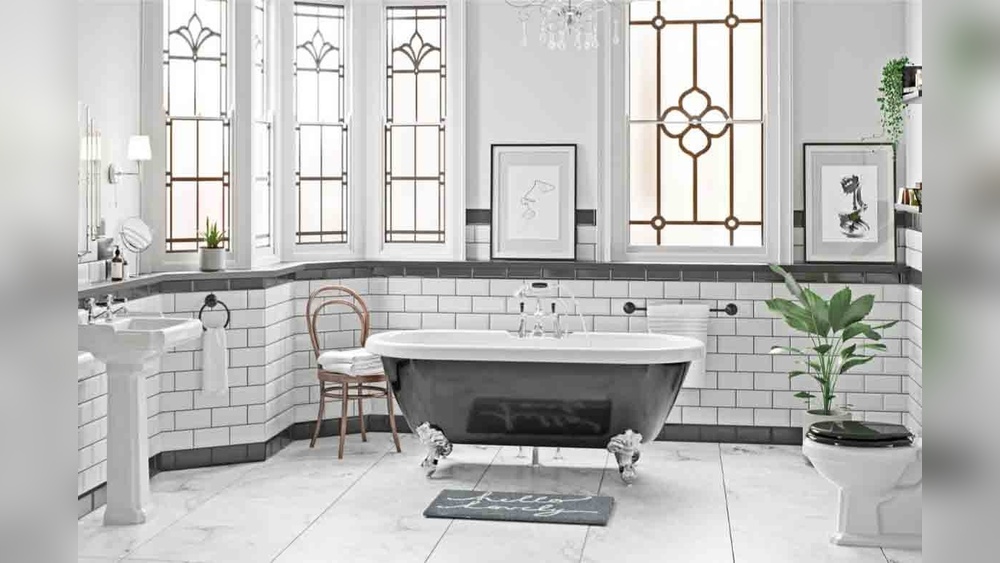
Picture classic clawfoot tubs with graceful curves, gleaming chrome fixtures, and delicate frosted glass sconces casting a warm glow. Whether you’re drawn to vintage charm or want to add a touch of history to your modern home, understanding the style and details of 1930s bathrooms will inspire your next renovation.
Ready to discover how to bring this iconic look into your own home? Let’s dive into the colors, patterns, and fixtures that defined bathroom design in the 1930s—and how you can recreate that timeless elegance for your space.
Colors And Palettes
The 1930 bathroom design embraced a unique blend of colors and palettes. These choices created a fresh and inviting atmosphere. Colors ranged from soft pastels to bold contrasts. Art Deco influences added glamour and style to the space.
Pastel Hues
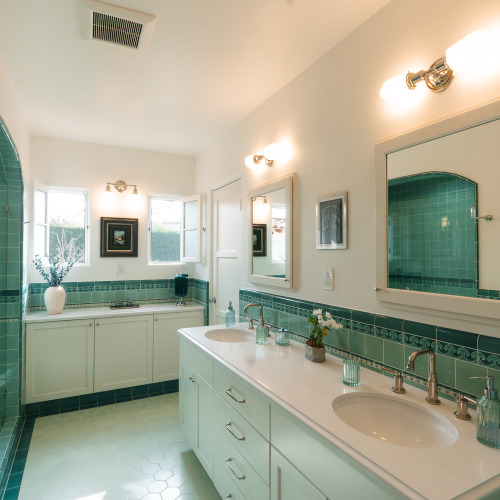
Pastel colors were a staple in 1930 bathrooms. Soft shades like mint green, pale pink, and sky blue brought calmness. These hues often appeared on walls and tiles. They gave the bathroom a gentle, soothing look. Pastels combined well with white fixtures for a clean feel.
Black And White Contrast
Black and white tiles formed striking patterns. This classic contrast highlighted geometric shapes common in Art Deco design. Checkerboard floors and border accents were popular choices. The sharpness of black and white added drama. It balanced the softness of pastel tones beautifully.
Art Deco Greens
Green was a key color in the Art Deco palette. Shades like jade, mint, and spring green were widely used. These greens appeared in tiles, walls, and accessories. They brought a fresh, vibrant energy to the bathroom. Green hues also complemented chrome fixtures and mirrored surfaces.
Classic Fixtures
Classic fixtures defined 1930 bathroom design with elegance and charm. These timeless pieces added character to every bathroom. Their style remains popular for vintage and traditional decor today.
Bathrooms in the 1930s often featured freestanding tubs and simple yet beautiful sinks. Fixtures were not just functional but also decorative. The use of quality materials and finishes was common.
Clawfoot And Roll-top Tubs
Clawfoot tubs stood out with their raised feet and graceful curves. These tubs offered a luxurious bathing experience. Roll-top tubs, with their rounded edges, provided comfort and style. Both styles were popular choices for 1930 bathrooms. They added a sense of sophistication to the space.
Pedestal Sinks
Pedestal sinks were common in 1930 bathroom design. Their simple shape made bathrooms feel open and airy. The sink’s base hid plumbing while creating a clean look. This design was practical and elegant at the same time. It perfectly matched the era’s focus on classic beauty.
Chrome And Nickel Finishes
Chrome and nickel finishes were favored for faucets and fixtures. These shiny metals added brightness to the room. They resisted tarnishing and kept their sparkle over time. The finishes complemented pastel tile colors and Art Deco patterns. This choice enhanced the bathroom’s polished and refined look.
Materials And Surfaces
Materials and surfaces defined the style of 1930 bathroom design. The era favored durable, stylish finishes that combined beauty and function. Bathrooms often featured soft pastel colors like mint green, pink, and powder blue. These colors paired well with black and white tiles, creating striking contrasts. Art Deco geometric patterns added a sophisticated touch to walls and floors. Classic materials like porcelain and ceramic were popular choices for tiles. Wallpapers with bold designs also enhanced the look. Chrome and nickel finishes were common on fixtures, adding shine and elegance.
Porcelain And Ceramic Tiles
Porcelain and ceramic tiles were the foundation of 1930 bathroom floors and walls. These materials offered water resistance and easy cleaning. Tiles came in soft pastel shades, often mixed with black and white. Porcelain had a smooth, glossy finish that reflected light well. Ceramic tiles could be glazed in various colors and patterns. This versatility made them a favorite for creating a neat and bright space. Both materials were strong and long-lasting, perfect for daily bathroom use.
Geometric Tile Patterns
Geometric tile patterns were a hallmark of 1930 bathroom design. Squares, diamonds, stars, and fan shapes created eye-catching floors and backsplashes. These Art Deco-inspired patterns added depth and interest. Patterns often combined contrasting colors to highlight the shapes. Black and white tiles were popular for bold designs. Pastel tiles formed softer, elegant patterns. These geometric designs made bathrooms feel stylish and modern during that era.
Wallpaper Designs
Wallpaper was a popular choice for adding color and texture to 1930 bathrooms. Designs featured Art Deco motifs like fans, stripes, and floral patterns. Wallpapers often used pastel colors to keep the space light and airy. Some had metallic accents to catch the light and add glamour. Wallpaper covered walls above tile wainscoting or entire rooms. It helped create a cozy, inviting atmosphere while reflecting the style of the time.
Credit: www.missiontilewest.com
Lighting Styles
Lighting in 1930 bathroom design played a key role in setting a calm, elegant mood. The style focused on soft, diffused light that complemented pastel colors and Art Deco patterns. Fixtures were both functional and decorative, creating a balanced look.
Frosted Glass Sconces
Frosted glass sconces were a staple in 1930 bathrooms. They softened the light, reducing harsh shadows and glare. These sconces often featured simple, rounded shapes or subtle geometric designs. Mounted near mirrors, they provided gentle, even illumination for grooming tasks.
The frosted glass added a touch of privacy to the light source. This style fit well with the era’s focus on understated elegance. It also helped create a relaxing atmosphere in the space.
Decorative Fixtures
Decorative fixtures in 1930 bathrooms often showed Art Deco influences. Chrome or nickel finishes were popular, giving a shiny, polished look. Fixtures included intricate metalwork, starburst shapes, and fan motifs.
These decorative pieces were not just for lighting but also for adding style. They enhanced the room’s aesthetic while providing adequate light. Some upscale bathrooms featured chandeliers or pendant lights for a luxurious touch.
Storage Solutions
Storage was a key concern in 1930 bathroom design. Space often felt limited, so smart storage solutions were essential. Designers focused on adding functional yet stylish options that kept bathrooms tidy. These options helped maintain the clean, elegant look typical of the era.
Wall-mounted Medicine Cabinets
Wall-mounted medicine cabinets were a popular storage choice. They saved floor space and added convenience. Most cabinets had mirrored fronts that doubled as vanity mirrors. Inside, shelves stored toiletries, medicines, and grooming tools neatly. These cabinets often featured simple, clean lines matching the bathroom’s style. Some had chrome or nickel-plated edges, adding a touch of shine and sophistication.
Space Maximizing Ideas
Bathrooms of the 1930s used clever ideas to maximize space. Built-in shelves and recessed niches held soap, towels, and other essentials. Freestanding furniture was rare to avoid clutter. Hooks and towel bars were placed strategically for easy reach. Small baskets or trays helped organize smaller items. These methods kept the bathroom open and airy, reflecting the Art Deco influence on design.

Credit: www.indesignlive.com
Shower Designs
Shower designs in 1930 bathrooms reveal a mix of style and function. They reflect the era’s focus on practicality with a touch of elegance. Showers were simpler than today but had distinctive features that made them stand out. The designs often included wall-mounted fixtures and larger shower heads.
These elements contributed to the bathroom’s overall look and feel. The use of chrome and nickel plating added a shiny, clean appearance. Showers were designed to fit compact spaces while maintaining comfort and usability.
Wall-mounted Showers
Wall-mounted showers were popular in the 1930s. They saved space and kept the bathroom layout neat. These showers attached directly to the wall with visible pipes and controls. The fittings were usually made of chrome or nickel, matching other bathroom fixtures.
The showerhead was fixed in place, offering a steady stream of water. This design made it easy to install and maintain. It also allowed for simple repairs without removing large parts of the wall or tiles.
Bulky Shower Heads
Shower heads in the 1930s were larger and bulkier than modern ones. These heads often had a round or square shape with many small holes for water flow. Their size helped spread water evenly across the body.
The bulkiness added to the vintage charm and matched the robust metal fixtures common in that time. Despite their size, they provided a comfortable shower experience. The heavy design also ensured durability over time.
Rural Vs Urban Bathrooms
The 1930 bathroom design showed clear differences between rural and urban areas. These differences reflected lifestyle, resource access, and building styles. Bathrooms in cities focused on style and modernity. Rural bathrooms leaned towards simple, practical solutions. Both had unique charm shaped by their environment and needs.
Urban bathrooms used new materials and designs to create elegance. Rural bathrooms prioritized function and ease of maintenance. The contrast reveals much about daily life and culture in the 1930s.
Design Practicality
Urban bathrooms often featured decorative tiles and stylish fixtures. They aimed to impress visitors and follow trends. Space was limited, so designs maximized room use. Built-in cabinets and wall mirrors helped save space.
Rural bathrooms were simpler and focused on durability. They had fewer decorative elements. Fixtures were practical, often homemade or locally sourced. Large, easy-to-clean surfaces were common to handle rough use.
Material Availability
City bathrooms had access to porcelain tiles, chrome faucets, and glass lighting. These materials were imported or made in factories nearby. Urban homes could afford delicate finishes and complex patterns.
Rural bathrooms used materials found locally or easy to transport. Wood, stone, and basic ceramic tiles were frequent choices. Metal fixtures might be plain and sturdy rather than decorative. This limited selection shaped bathroom style and function.
Patterns And Motifs
Patterns and motifs defined the style of 1930 bathroom designs. Tiles and wallpapers often featured bold geometric shapes and soft pastel colors. These designs created a sense of elegance and modernity in the space. The use of patterns was both decorative and functional, adding texture and visual interest to walls and floors.
Art Deco influences were strong, bringing symmetry and sharp lines into the bathroom. Patterns ranged from simple stripes to complex starbursts and fan shapes. These motifs reflected the optimism and luxury of the era, making bathrooms feel stylish and inviting.
Art Deco Shapes
Art Deco shapes are known for their clean lines and symmetry. Common forms include zigzags, chevrons, and stepped designs. These shapes appeared on ceramic tiles, mirrors, and even light fixtures. The geometric patterns emphasized order and sophistication.
Tiles often combined black, white, and pastel colors like mint green or powder blue. This contrast highlighted the sharpness of the shapes. Designers used repetition of these forms to create rhythm and balance in the bathroom layout.
Stars And Fan Patterns
Star and fan patterns were popular motifs in 1930 bathrooms. Starbursts symbolized energy and light, perfect for brightening small spaces. Fans added a sense of movement and elegance, inspired by natural forms.
These motifs appeared in tile mosaics and wallpaper designs. They often used soft colors with metallic accents to catch the eye. Their presence made the bathroom feel both decorative and timeless.
Vintage Charm Today
The vintage charm of 1930 bathroom design remains popular today. These classic spaces offer warmth and character. Their unique style blends past elegance with today’s comfort. Soft pastel colors and geometric patterns create a calm, inviting atmosphere. The look suits many homes seeking timeless appeal.
Incorporating Retro Elements
Start with pastel colors like mint green, pink, or sky blue. Pair these with black and white tiles for contrast. Add Art Deco-inspired geometric patterns on walls or floors. Choose freestanding clawfoot bathtubs for a vintage feel. Pedestal sinks keep the look authentic and simple. Chrome or nickel fixtures enhance the old-fashioned style. Use frosted glass sconces to complete the lighting. Wall-mounted mirrored medicine cabinets save space and add charm. These small touches bring 1930s style into today’s bathrooms.
Modern Adaptations
Combine vintage elements with modern features for convenience. Install efficient plumbing with classic-style faucets. Use durable porcelain tiles that mimic 1930s patterns. Add contemporary lighting with vintage designs for better brightness. Choose sleek, space-saving storage that fits the retro look. Incorporate modern showers with classic wall-mounted heads. Mixing old and new creates a bathroom that feels both stylish and practical. This balance keeps the vintage charm alive in today’s homes.

Credit: www.powellconstruction.com
Frequently Asked Questions
What Did Bathrooms Look Like In 1930?
Bathrooms in 1930 featured pastel colors like mint and pink, freestanding clawfoot tubs, pedestal sinks, and Art Deco geometric tile patterns. Porcelain tiles covered floors and walls, with chrome fixtures and frosted glass sconces. Wall-mounted medicine cabinets and bulky wall showers were common.
What Tile Was Popular In The 1930s?
Popular 1930s tiles featured soft pastels like mint green, pink, and sky blue. Art Deco geometric patterns, such as stars and fan shapes, were common. Porcelain and ceramic materials dominated, often paired with black and white tiles for contrast.
What Did 1920s Bathrooms Look Like?
1920s bathrooms featured pastel colors like mint and pink, black-and-white tiles, and Art Deco geometric patterns. They had clawfoot tubs, pedestal sinks, porcelain tiles, chrome fixtures, frosted glass sconces, mirrored medicine cabinets, and wall-mounted showers with bulky heads.
How Did People Bathe In 1930?
People in 1930 bathed using freestanding clawfoot tubs filled with heated water. Showers were less common and often had bulky wall-mounted heads. They used soap bars and washcloths, bathing typically occurred less frequently than today. Bathrooms featured pastel colors and Art Deco designs.
Conclusion
The 1930 bathroom design blends charm with simple elegance. Soft pastel colors create a calm and inviting space. Classic fixtures like clawfoot tubs add timeless beauty. Art Deco patterns bring a unique, stylish touch. Chrome faucets and porcelain tiles offer lasting quality.
These elements combine to make bathrooms both functional and attractive. Embracing this vintage style can inspire modern bathroom ideas. A 1930s bathroom captures history while remaining fresh today. It suits anyone who loves classic and cozy spaces.