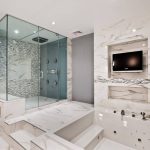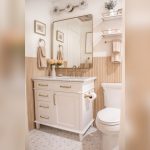

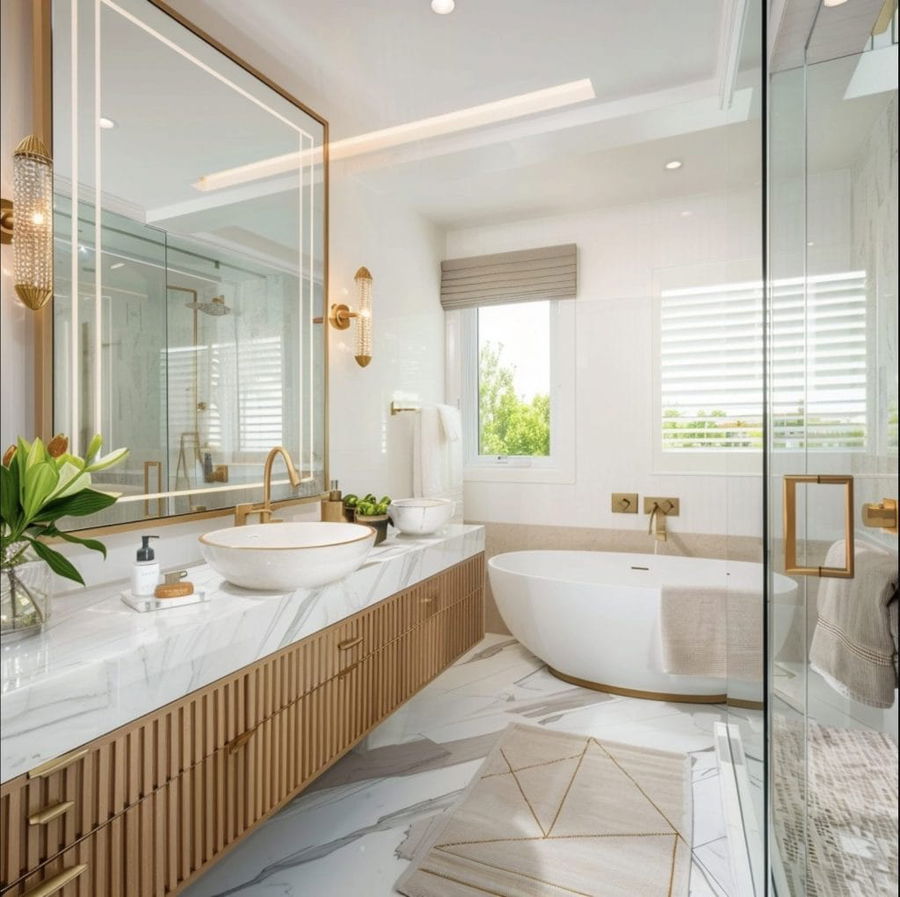
Your bathroom should be a place where style meets comfort, and that’s exactly what transitional bathroom designs offer. If you want a space that feels fresh yet timeless, blending modern touches with classic elegance, this design style is made for you.
Imagine walking into a bathroom that’s not only beautiful but also perfectly balanced—neither too trendy nor too traditional. You’ll discover how to create a transitional bathroom that fits your taste and lifestyle, with practical tips and inspiring ideas you can use right away.
Ready to transform your bathroom into a space you’ll love every day? Let’s dive in.
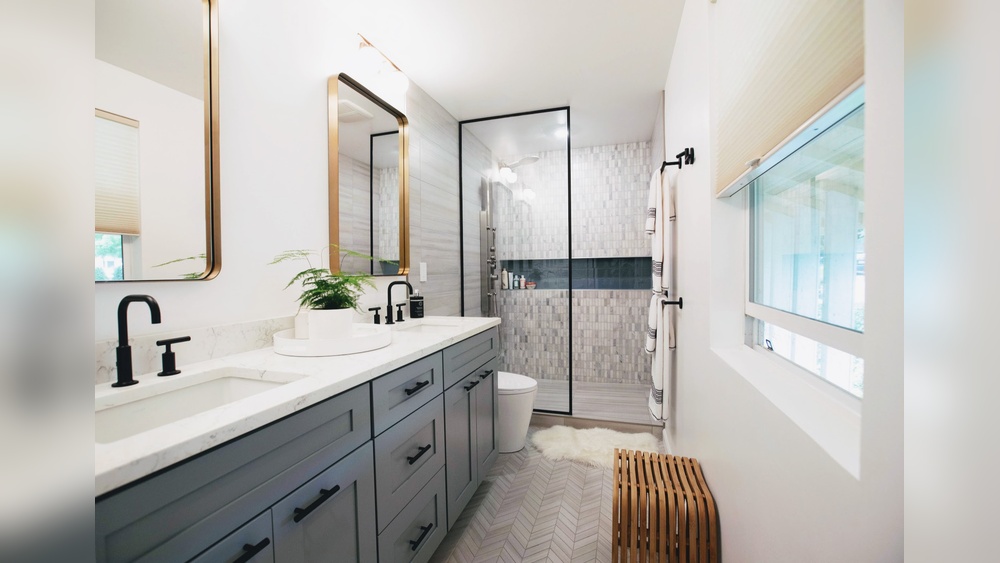
Credit: www.decorilla.com
Key Features Of Transitional Bathrooms
Transitional bathrooms combine the charm of traditional style with the freshness of modern design. This blend creates spaces that feel both classic and current. The key features focus on simplicity, comfort, and timeless appeal.
These bathrooms avoid extremes. They are not too ornate nor too minimal. Instead, they strike a perfect balance, making them inviting and practical. Understanding these features helps create a bathroom that suits many tastes.
Balancing Traditional And Modern Elements
Transitional bathrooms merge classic shapes with modern lines. For example, a vintage-style vanity pairs with sleek faucets. This mix keeps the space interesting without feeling crowded.
Fixtures may have simple details but clean edges. Lighting often combines classic pendants with recessed lights. This approach respects tradition and embraces new trends.
Neutral Color Palettes
Colors in transitional bathrooms are calm and neutral. Shades like beige, gray, white, and soft taupe dominate. These hues create a peaceful, timeless atmosphere.
Neutral colors also make it easy to add accents. Towels, rugs, or plants bring warmth without overwhelming the space. This palette suits many styles and ages well.
Mixing Textures And Materials
Transitional bathrooms use varied textures for depth. Smooth marble countertops contrast with matte wood cabinets. Shiny chrome fixtures balance with soft fabric towels.
Materials like stone, glass, and wood appear together naturally. This layering adds character and keeps the space from feeling flat or cold.
Designing With Timeless Fixtures
Designing a transitional bathroom means blending classic and modern styles. Timeless fixtures play a key role in this mix. They offer lasting beauty and function. Choosing the right pieces helps create a balanced look. The goal is to combine elegance with simplicity. This section explores how to use timeless fixtures effectively.
Classic Vanities With Contemporary Touches
Vanities anchor the bathroom’s design. Classic styles often feature clean lines and solid wood. Add contemporary details like sleek hardware or smooth finishes. This mix keeps the vanity fresh and inviting. Neutral colors such as white, gray, or beige work well. They fit both traditional and modern elements. Storage options should be practical and neat. This balance makes the space feel open yet warm.
Elegant Lighting Options
Lighting sets the bathroom’s mood and highlights key areas. Choose fixtures with simple shapes and soft finishes. Brushed nickel or matte black metals complement many styles. Wall sconces or pendant lights add elegance without overwhelming the space. Warm white bulbs create a cozy atmosphere. Layered lighting, including task and ambient sources, improves function. Thoughtful lighting makes the bathroom both stylish and useful.
Statement Mirrors And Hardware
Mirrors and hardware offer chances to add personality. A large framed mirror with classic details blends well with modern walls. Choose frames in wood, metal, or mixed materials. Hardware like drawer pulls and faucets should match the vanity and lighting. Simple shapes in polished or matte finishes work best. These details bring cohesion and a polished look. They turn ordinary features into style statements.
Tile Choices For Transitional Style
Choosing the right tile is key for a transitional bathroom design. Tiles blend traditional charm with modern simplicity. They create a balanced, stylish look that feels both fresh and timeless. The right tile choice can set the tone of your bathroom and make it inviting.
Subway Tiles With Modern Grout
Subway tiles remain a classic choice. Their clean, rectangular shape fits well with transitional design. Using modern grout colors, like gray or charcoal, adds a fresh twist. This contrast highlights the tile pattern and keeps the look updated. Subway tiles with sleek grout create a neat, elegant wall or backsplash.
Natural Stone And Marble
Natural stone and marble bring warmth and luxury. These materials offer gentle patterns and textures. They add depth without overwhelming the space. Light-colored marble keeps the bathroom bright and airy. Stone tiles, like travertine or limestone, add an organic feel. These choices blend old-world charm with modern ease.
Patterned And Geometric Designs
Patterned tiles add personality and style. Geometric shapes create interest and a modern edge. Choose subtle patterns to maintain balance in a transitional space. Soft colors or muted tones work best. These tiles make floors or feature walls stand out. They bring a playful yet elegant touch to the bathroom design.
Storage Solutions Blending Style And Function
Storage in transitional bathrooms balances beauty and usefulness. It keeps spaces tidy without losing style. Smart storage options fit the clean lines and classic touches of this design. Each solution adds to the room’s calm, welcoming feel.
Custom Cabinets And Shelving
Custom cabinets match the bathroom’s style perfectly. They offer space for towels, toiletries, and cleaning items. Choose finishes that blend wood tones and painted surfaces. Shelving can be tailored to fit odd corners or wall spaces. This approach keeps essentials hidden yet easy to reach.
Open Vs Closed Storage
Open storage shows off pretty baskets and jars. It adds a light, airy look to the bathroom. Closed storage hides clutter and keeps items safe from moisture. Combine both for balance. Open shelves can hold decorative items, while closed cabinets store daily needs.
Incorporating Built-ins
Built-in storage saves floor space and looks seamless. Niches in the shower hold soap and shampoo. Built-in drawers fit under sinks or windows. They create a smooth, organized appearance. These features enhance both function and style in a transitional bathroom.
Color Schemes For Lasting Appeal
Choosing the right color scheme is essential for a transitional bathroom design. Colors set the mood and create a timeless look. They blend classic and modern styles, making the space feel balanced and inviting. A well-planned palette ensures lasting appeal that stands the test of time.
Soft Neutrals And Whites
Soft neutrals and whites form the backbone of many transitional bathrooms. These shades create a clean, calm, and open atmosphere. Whites brighten the space and reflect light well. Beige, taupe, and light gray add warmth without overpowering.
These colors work well on walls, tiles, and fixtures. They provide a neutral canvas to layer other design elements. Soft tones make the bathroom feel larger and more relaxing. They also fit easily with different textures and materials.
Accent Colors For Warmth
Accent colors bring warmth and personality to transitional bathrooms. Warm hues like soft blues, muted greens, or gentle blush add subtle charm. These accents appear in towels, rugs, or decorative items.
Using accent colors in small doses keeps the space elegant. It avoids overwhelming the calm neutral base. Accent colors enhance the overall design by adding depth and interest. They create a welcoming vibe without clashing with classic elements.
Using Contrast Effectively
Contrast is a powerful tool in transitional bathroom design. Pairing light and dark shades highlights architectural features and fixtures. For example, dark wood vanity with white countertops creates a striking balance.
Contrast adds dimension and keeps the space from looking flat. It guides the eye and emphasizes design details. Use contrast carefully to maintain harmony and avoid harshness. Thoughtful contrast strengthens the transitional style’s blend of old and new.
Incorporating Modern Technology
Incorporating modern technology in transitional bathroom designs blends classic style with smart features. This fusion creates a space that feels both timeless and fresh. Technology adds comfort, convenience, and energy savings. It enhances daily routines with ease and style. Below, explore three key tech upgrades that fit well in transitional bathrooms.
Smart Showers And Fixtures
Smart showers offer precise temperature and water flow control. Users can pre-set their preferred settings for a perfect shower every time. Touchless faucets and motion sensors improve hygiene and reduce water waste. These fixtures blend sleek design with practical technology. They fit seamlessly into transitional bathrooms without overpowering the style.
Heated Floors And Mirrors
Heated floors provide cozy warmth underfoot, especially in colder months. This feature adds luxury without changing the bathroom’s look. Heated mirrors prevent fog buildup, keeping the glass clear after hot showers. Both upgrades improve comfort and convenience. They complement the balanced aesthetic of transitional designs.
Energy-efficient Lighting
LED lighting uses less energy and lasts longer than traditional bulbs. It creates soft, natural light that highlights bathroom features. Dimmer switches allow users to adjust brightness to suit moods or tasks. Proper lighting enhances the inviting atmosphere of transitional bathrooms. It supports eco-friendly living while maintaining style.
Decor And Accessories To Complete The Look
Decor and accessories shape the soul of a transitional bathroom. They bridge classic and modern elements, creating harmony. Each piece adds warmth and personality to the space. Choosing the right decor ensures a balanced, inviting look.
Textiles And Rugs
Soft textiles bring comfort and style to the bathroom. Choose towels and bath mats in neutral or muted tones. Subtle patterns or textures add interest without overwhelming. Rugs with low piles are practical and elegant. They protect floors and create cozy spots.
Artwork And Wall Decor
Artwork enhances the bathroom’s personality. Select simple, framed prints or abstract art to keep the look clean. Mirrors with classic or sleek frames double as decor and function. Avoid heavy or ornate pieces to maintain balance. Wall decor should complement the transitional theme.
Plants And Natural Elements
Plants breathe life into the bathroom space. Small potted plants or succulents add freshness and color. Natural materials like wood or stone accessories highlight the blend of styles. Use plants that thrive in humidity and low light. They soften hard surfaces and create a calming vibe.
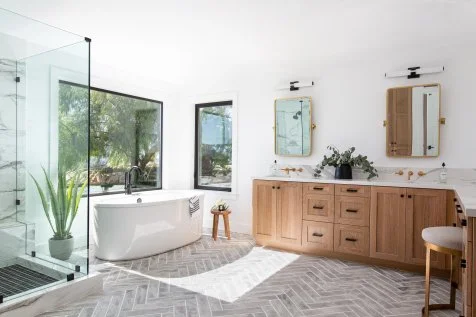
Credit: www.hgtv.com
Common Mistakes To Avoid
Creating a transitional bathroom design requires balance and careful choices. Many people make simple errors that affect the room’s look and function. Avoiding these mistakes helps ensure a beautiful and practical bathroom. Below are some common pitfalls to watch out for.
Overmixing Styles
Transitional design blends traditional and modern elements. Using too many styles creates confusion and clutter. Stick to a few key pieces from each style. This keeps the bathroom cohesive and easy on the eyes. Choose colors and textures that complement each other well.
Ignoring Scale And Proportion
Furniture and fixtures must fit the space properly. Large items can overpower a small bathroom. Small pieces may get lost in a big room. Measure your space before buying. Balance the size of vanities, mirrors, and lighting to match the room’s scale.
Neglecting Practicality
Style is important but so is function. Choose materials that resist moisture and wear. Ensure storage meets your daily needs. Lighting should be both attractive and useful. A pretty bathroom that is hard to use will cause frustration over time.
Budgeting For A Transitional Bathroom Remodel
Budgeting for a transitional bathroom remodel requires careful planning. Transitional designs blend classic and modern styles. This mix calls for smart spending to achieve balance without overspending.
Setting a clear budget helps control costs. It guides decisions on materials, fixtures, and labor. Prioritizing upgrades and choosing between DIY or professionals can stretch your budget. Planning for future updates ensures the remodel remains fresh and functional.
Prioritizing Key Upgrades
Focus on upgrades that improve function and style. New fixtures like faucets and lighting create a modern touch. Cabinets and countertops can blend traditional and modern elements. Flooring that suits both styles enhances the look. Spend more on durable, visible items. Save on accessories or paint, which are easy to change.
Diy Vs Professional Help
DIY can save money on simple tasks like painting or installing shelves. Complex jobs like plumbing and electrical work need professionals. Hiring experts ensures safety and quality. Compare costs of DIY tools and materials with contractor fees. A mix of both can keep costs low and results high.
Planning For Future Updates
Think about changes you may want later. Choose neutral colors and timeless materials. This makes future updates easier and less costly. Design with flexibility to add features like more storage or new lighting. A phased approach spreads out expenses over time. This keeps the bathroom stylish and functional for years.
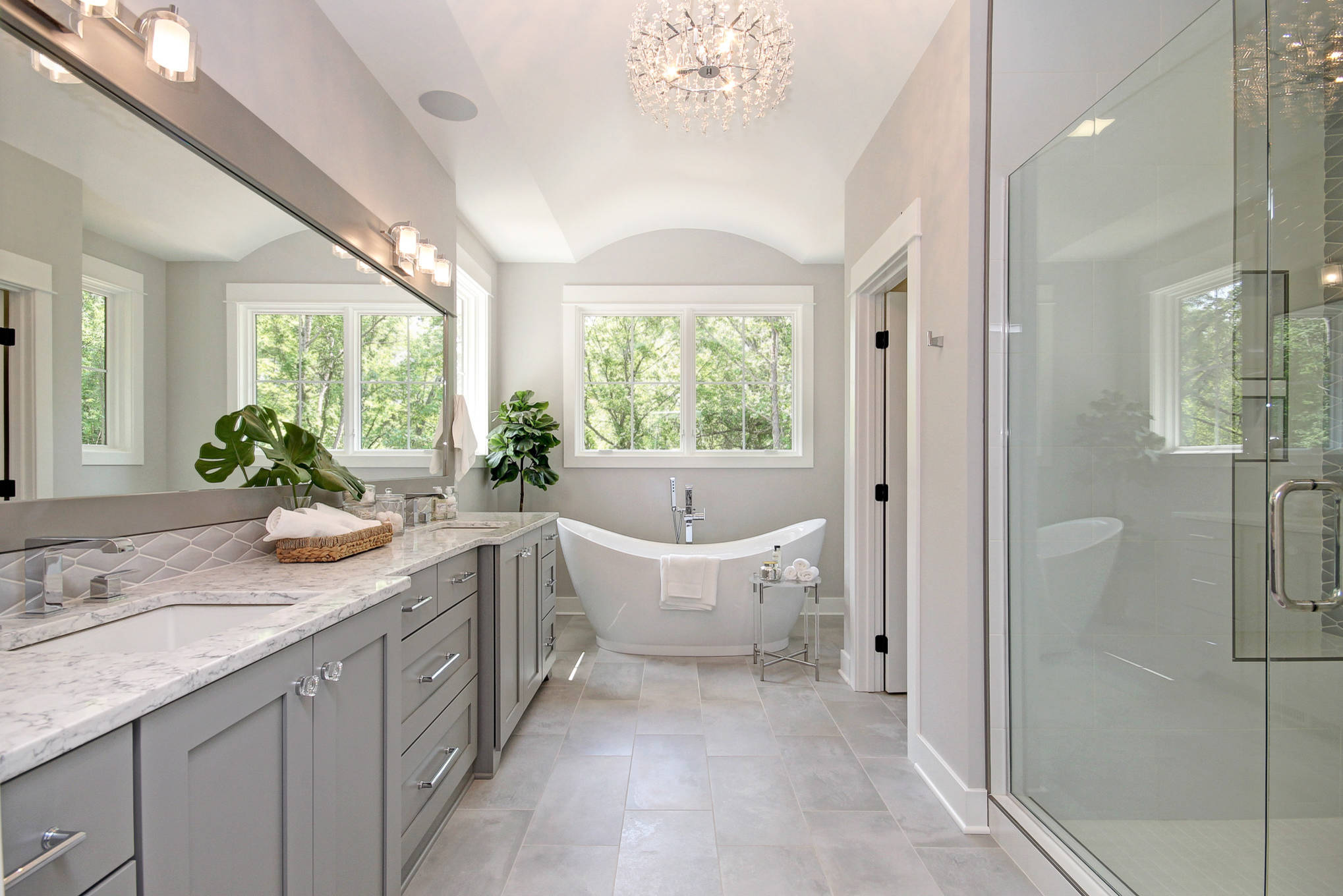
Credit: www.houzz.com
Frequently Asked Questions
What Is Transitional Bathroom Design Style?
Transitional bathroom design blends traditional and modern elements. It creates a balanced, timeless look that suits various tastes. This style uses neutral colors, clean lines, and subtle textures for a fresh yet classic feel.
How To Choose Colors For Transitional Bathrooms?
Opt for neutral and soft colors like beige, gray, or white. These hues create a calm, versatile backdrop. Accents in muted blues or greens add warmth without overpowering the space.
What Fixtures Suit Transitional Bathroom Designs?
Choose fixtures with simple shapes and a polished finish. Brushed nickel, chrome, or matte black work well. Avoid overly ornate or ultra-modern styles to maintain balance.
Can Transitional Bathrooms Fit Small Spaces?
Yes, transitional design suits small bathrooms perfectly. Use light colors and reflective surfaces to enhance space. Compact fixtures and smart storage keep the design functional and elegant.
Conclusion
Transitional bathroom designs blend classic and modern styles well. They create a balanced, inviting space for any home. Using neutral colors and simple lines keeps the look fresh. Adding natural materials adds warmth and texture easily. This style suits many tastes and fits various budgets.
Choose fixtures and finishes that feel timeless and clean. Small updates can make a big difference in your bathroom. Enjoy a space that feels both stylish and comfortable every day.