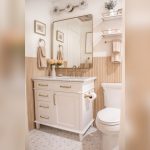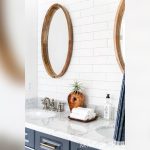

Imagine stepping into your bathroom and instantly feeling calm, refreshed, and inspired. That’s the magic of Korean bathroom design.
If you want to transform your bathroom into a stylish, functional, and serene space, this design style holds the key. You’ll discover smart layouts, natural materials, and minimalist aesthetics that make every moment in your bathroom a peaceful escape. Ready to see how Korean bathroom design can elevate your home?
Keep reading and uncover simple ideas that bring beauty and balance to your daily routine.
Minimalist Aesthetics
Minimalist aesthetics define the essence of Korean bathroom design. This style focuses on simplicity and functionality. It creates calm and inviting spaces that feel spacious and neat. The design avoids excess and highlights the beauty of basic shapes and colors.
Minimalism in Korean bathrooms reflects a balance between modern trends and traditional values. The goal is to offer a peaceful retreat from daily stress. Every element is chosen carefully to maintain harmony and order.
Clean Lines And Simple Forms
Korean bathrooms often feature clean lines and simple shapes. Straight edges and smooth surfaces dominate the design. These elements help to create a tidy and streamlined look. Fixtures like sinks, bathtubs, and shelves have minimal decoration. The focus lies on function and easy maintenance.
The simplicity of forms prevents visual clutter. It also makes the space feel larger and more open. Clean lines contribute to a fresh and modern atmosphere. This design choice supports a calm and relaxed bathroom experience.
Neutral Color Palettes
Neutral colors play a vital role in Korean bathroom design. Shades such as white, beige, light gray, and soft pastels are common. These colors reflect natural light, enhancing the sense of brightness and space. They create a soothing and gentle environment.
Neutral palettes act as a perfect backdrop for minimalist styles. They allow textures and shapes to stand out without overwhelming the eye. This color choice supports a clean and peaceful mood, ideal for bathroom settings.
Clutter-free Spaces
Clutter-free spaces are essential in Korean minimalist bathrooms. Storage solutions are cleverly hidden to keep surfaces clear. Built-in cabinets and recessed shelves hold toiletries out of sight. This approach keeps the room tidy and functional.
Maintaining order reduces stress and promotes relaxation. The absence of excess items allows the design’s simplicity to shine. A clutter-free space feels welcoming and well-organized, key qualities of Korean bathroom design.

Credit: www.desvresariana.com
Natural Materials
Natural materials create calm and warmth in Korean bathroom design. They connect indoor spaces with nature. This approach uses simple, earthy elements for a clean, fresh look. The result feels peaceful and balanced, perfect for a relaxing bathroom.
Wood Accents And Panels
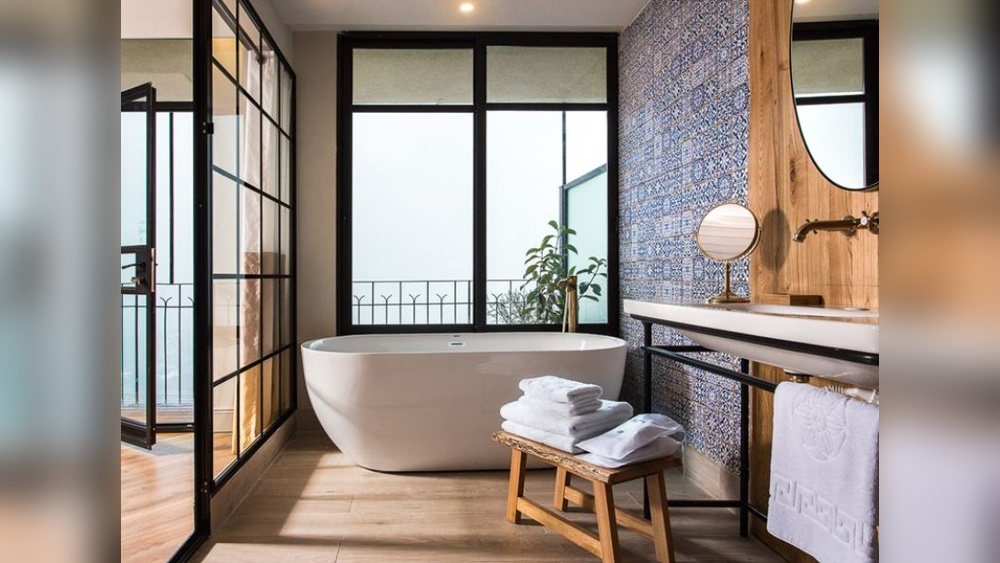
Wood adds softness and natural beauty to bathrooms. Korean designs use light wood tones for warmth. Panels and slats create texture on walls or ceilings. Wood contrasts with smooth surfaces, making the space inviting. It also brings a touch of traditional Hanok style.
Stone And Concrete Finishes
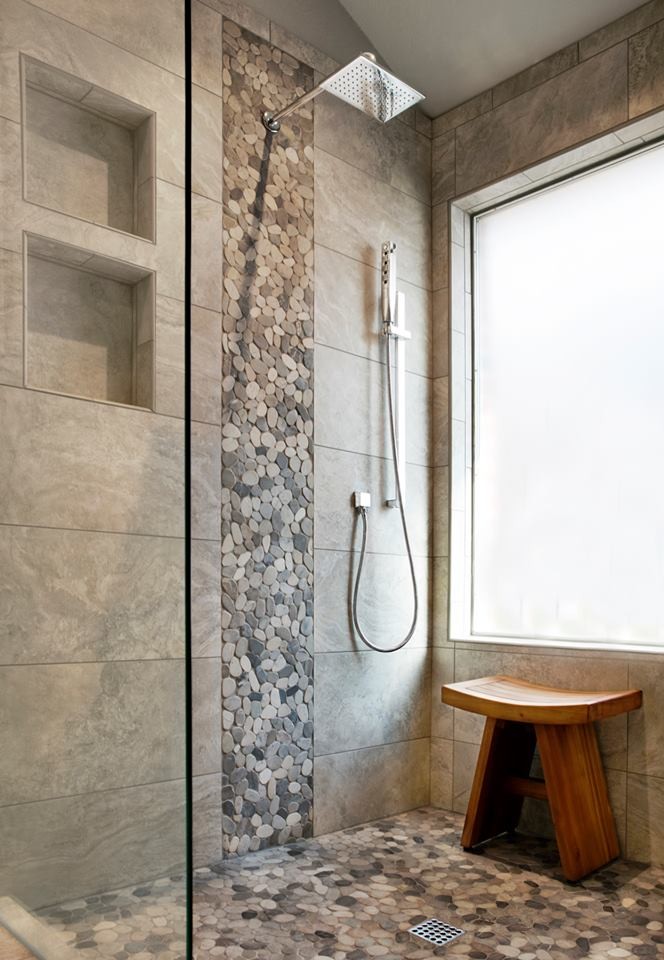
Stone and concrete give a solid, natural feel. They appear in floors, sinks, and shower walls. Korean bathrooms often use soft gray or beige tones. These materials are durable and easy to clean. Their rough texture adds depth without clutter.
Organic Textures
Organic textures add subtle patterns and interest. Textured tiles or woven baskets enhance the natural theme. Plants and natural fibers fit well in these spaces. These details create a sensory experience that feels calm and pure. Simple textures keep the bathroom feeling airy and light.
Compact And Efficient Layouts
Korean bathroom design focuses on making small spaces highly functional. Compact and efficient layouts allow every inch to serve a purpose. This approach suits urban living where space is limited.
Smart design creates a clean and comfortable bathroom without clutter. Thoughtful planning helps maximize usability and style. The result is a calm, neat space that feels larger than it is.
Space-saving Fixtures
Fixtures in Korean bathrooms are small but practical. Toilets and sinks have slim profiles to free up floor space. Wall-mounted options keep the floor visible and easy to clean.
Compact showers fit into corners with sliding doors instead of swinging ones. These choices reduce wasted space and improve movement. Every fixture is chosen to support a tidy, efficient layout.
Integrated Storage Solutions
Storage is built into walls and under sinks to hide clutter. Cabinets use vertical space, keeping toiletries off counters. Shelves and niches are recessed to avoid crowding the room.
Multi-functional furniture, such as mirrored cabinets, adds extra use. Organized storage keeps daily items accessible yet out of sight. This makes the bathroom feel calm and spacious.
Wet Room Concepts
Wet rooms combine shower and floor areas without barriers. Waterproof materials cover floors and walls for easy cleaning. This open design removes the need for bulky shower enclosures.
Drainage is seamless, allowing water to flow smoothly away. Wet rooms create a sleek, modern look while saving space. They also make the bathroom feel airy and open.
High-tech Features
Korean bathroom design often includes advanced technology to improve comfort and hygiene. These high-tech features make daily routines easier and more pleasant. South Korea leads in integrating smart devices into bathrooms.
These innovations blend style with functionality. They focus on user experience and energy efficiency. Let’s explore some popular high-tech bathroom features in Korea.
Electronic Bidets
Electronic bidets are common in Korean bathrooms. They offer warm water cleaning with adjustable settings. Many have features like heated seats and air dryers. These bidets improve hygiene and reduce toilet paper use. Users can control water pressure and temperature. Some models include deodorizing functions for freshness. Electronic bidets show how technology enhances comfort in small spaces.
Smart Showers And Controls
Smart showers allow precise control over water temperature and flow. Users can program their favorite settings for a perfect shower. Some systems have voice control or touch panels. Smart showers can save water by limiting usage time. They also include LED lights for a relaxing atmosphere. These showers combine convenience with eco-friendly features. Korean bathrooms often feature these advanced shower systems.
Heated Floors And Mirrors
Heated floors are popular in Korean bathrooms, especially in winter. They provide warmth and comfort underfoot. This feature prevents cold tile surfaces and reduces mold growth. Heated mirrors prevent fogging during hot showers. This keeps mirrors clear without extra effort. Together, heated floors and mirrors improve bathroom usability and comfort. They reflect Korea’s focus on practical luxury in design.
Zen And Spa Influences
Zen and spa influences shape Korean bathroom design with peace and comfort. These designs create a quiet space to relax after a long day. They focus on simple beauty and natural calm. The goal is to make each visit feel like a gentle retreat.
Calming Lighting
Soft lighting is key in Korean bathrooms. Lights use warm tones to soothe the eyes. Hidden LED strips or frosted lamps reduce harsh glare. This gentle glow helps lower stress and invites relaxation. It also highlights natural textures and shapes in the room.
Natural Elements
Nature inspires many Korean bathroom features. Stone, wood, and plants create a fresh, earthy feel. Wooden stools or bamboo mats add warmth and texture. Small green plants brighten the space and improve air quality. These touches bring the outside inside, calming the mind.
Soaking Tubs And Relaxation Zones
Deep soaking tubs are a staple in Korean bathrooms. They allow long, peaceful baths that ease body and mind. Some designs include separate zones for rest and quiet. A small bench or floor cushion offers a spot to pause. This layout promotes slow living and true unwinding.

Credit: www.maisonvalentina.net
Hanok-inspired Design
Hanok-inspired design brings the charm of traditional Korean homes into modern bathroom spaces. It creates a calm and natural atmosphere by blending old and new styles. The design highlights simplicity, natural materials, and a strong connection with nature. This approach makes bathrooms feel warm, peaceful, and inviting.
Sliding Wooden Doors
Sliding wooden doors are a key feature of Hanok design. They save space and add elegance to the bathroom. These doors often use thin wooden frames with translucent paper or glass. This style allows privacy while letting soft light pass through. Sliding doors also help keep the room airy and open.
Indoor-outdoor Harmony
Hanok design blurs the line between indoor and outdoor spaces. Bathrooms often include small gardens or plants near windows. Natural wood and stone materials continue the outside environment inside. This harmony makes the bathroom feel like a peaceful retreat connected to nature.
Emphasis On Natural Light
Natural light plays a big role in Hanok-inspired bathrooms. Large windows or skylights bring daylight deep into the room. Soft, diffused light creates a warm and soothing mood. Using natural light reduces the need for artificial lighting during the day. It brightens the space and highlights natural textures.
Color Trends
Color plays a vital role in Korean bathroom design. It sets the mood and reflects a calm, clean atmosphere. Recent trends highlight soothing palettes that promote relaxation and harmony. Each color choice brings unique charm and style to these modern spaces.
Soft Beige And Earth Tones
Soft beige and earth tones create a warm, inviting bathroom space. These colors mimic nature, adding comfort and peace. Browns, creams, and muted greens work well on walls and tiles. They blend easily with wooden accents and stone fixtures. This palette promotes a natural, balanced look that feels timeless.
Monochrome With Contrast
Monochrome schemes focus on shades of black, white, and gray. They bring a sleek, modern look to Korean bathrooms. Contrast appears through black fixtures against white tiles or vice versa. This style emphasizes simplicity and clean lines. It suits small spaces by enhancing light and depth.
Subtle Pastels
Subtle pastels offer a gentle splash of color without overwhelming the space. Soft pinks, light blues, and mint greens add freshness and charm. These hues keep the bathroom feeling airy and bright. Pastels pair well with white or light wood for a delicate, stylish design. They bring a quiet elegance to everyday routines.
Storage And Organization
Storage and organization play a key role in Korean bathroom design. Bathrooms are often small, so every inch counts. The goal is to keep the space tidy without clutter. Korean designs use smart solutions that blend style and function. These ideas help keep essentials close but out of sight.
Built-in Cabinets
Built-in cabinets maximize space by fitting into walls. They create a clean look and hide toiletries neatly. These cabinets often use sliding or push-to-open doors. This design avoids bulky handles and saves room. Materials like wood or laminate match the bathroom decor. Built-ins keep the floor clear, making the bathroom feel larger and calm.
Hidden Shelving
Hidden shelving is common in Korean bathrooms. Shelves may be inside mirrors or behind panels. This keeps items like soap, shampoo, and towels out of view. It also protects them from moisture and dust. These shelves keep the bathroom organized without adding clutter. Hidden shelving blends seamlessly with the wall for a sleek look.
Multi-purpose Furniture
Multi-purpose furniture adds storage and function in one piece. For example, a vanity may have drawers and a stool inside. Some cabinets include laundry baskets or towel racks. This furniture helps store many items without crowding the space. It also makes daily routines easier and faster. Korean bathrooms often use these clever pieces to stay neat and practical.
Lighting Techniques
Lighting plays a key role in Korean bathroom design. It sets the mood and supports daily tasks. Designers use different lighting methods to create a clean, bright, and calm space. Effective lighting balances function with style, making the bathroom inviting and practical.
Ambient And Task Lighting
Ambient lighting gives soft, general light to the whole bathroom. It avoids harsh shadows and creates a relaxing atmosphere. Task lighting focuses on specific areas like the sink or shower. It helps with activities such as shaving or applying makeup. Korean designs often use layered lighting to blend both types smoothly.
Backlit Mirrors
Backlit mirrors are very popular in Korea. They add a gentle glow around the mirror edges. This lighting reduces eye strain and adds elegance. Backlit mirrors also serve as task lights, making grooming easier. They often have adjustable brightness for different needs.
Natural Light Maximization
Korean bathrooms use natural light to feel fresh and open. Large windows or skylights bring in daylight, improving mood. Designers arrange fixtures and colors to reflect natural light well. This approach saves energy and enhances the bathroom’s calm vibe.
Credit: www.houzz.com
Eco-friendly Practices
Eco-friendly practices shape modern Korean bathroom design. These practices reduce waste, save energy, and protect the environment. Korean designers focus on smart solutions that blend style with sustainability. Bathrooms become spaces that care for nature while serving daily needs.
Water-saving Fixtures
Korean bathrooms use water-saving fixtures to reduce water use. Low-flow toilets and faucets cut water waste without losing performance. Smart showerheads control water flow efficiently, giving a comfortable experience. These fixtures help lower water bills and support conservation efforts.
Sustainable Materials
Natural and recycled materials are common in Korean bathroom design. Bamboo, reclaimed wood, and eco-friendly tiles create a green space. These materials last long and have less impact on the planet. Using sustainable materials adds warmth and texture to the bathroom.
Energy-efficient Lighting
LED lighting is popular for its low energy use and long life. Korean bathrooms often include daylight sensors and dimmers to save power. Soft, natural light improves comfort and reduces electricity needs. Energy-efficient lighting makes bathrooms brighter and greener.
Frequently Asked Questions
What Are The Bathrooms Like In Korea?
Korean bathrooms often feature modern flush toilets, including electronic bidets. Public restrooms may have squat toilets. Many bathrooms combine shower and bathtub in compact spaces. Cleanliness and functionality are prioritized, with some designs reflecting minimalist, natural aesthetics.
What Is A Korean Bathroom Called?
A Korean bathroom is called “hwajangsil” (화장실). It typically includes a toilet, often with a bidet, and a shower area.
What Is The Korean Version Of Japandi?
The Korean version of Japandi is Hanok-inspired design. It highlights natural light, open spaces, and harmony between indoors and outdoors. This style features sliding wooden doors and a modern take on traditional Korean architecture, blending simplicity with nature-focused aesthetics.
What Does A Zen Bathroom Look Like?
A zen bathroom features natural materials like wood, stone, and glass. It emphasizes simplicity, soft lighting, and clutter-free spaces to create calm. Neutral colors and minimal decor enhance relaxation, making it a peaceful, spa-like retreat.
Conclusion
Korean bathroom design blends simplicity with elegance. It uses natural materials like wood and stone. Clean lines create a calm, inviting space. Space-saving ideas make small bathrooms feel larger. Soft lighting adds warmth without glare. Functional fixtures improve comfort and hygiene.
These designs focus on balance and nature. Everyone can enjoy a peaceful bathroom retreat. Try adding Korean style for fresh inspiration. It brings calm and beauty to daily routines.