
When it comes to your bathroom, comfort and safety shouldn’t be afterthoughts—they should be priorities. Whether you’re planning for aging in place, accommodating a loved one with mobility challenges, or simply want a space that welcomes everyone, accessible bathroom design plans can transform your daily routine.
Imagine moving freely and confidently, with every feature thoughtfully placed to meet your needs. You’ll discover practical ideas and smart layouts that make accessibility stylish and functional. Ready to create a bathroom that truly works for you? Let’s dive in and explore the best design plans tailored just for your lifestyle.
Design Principles For Accessibility
Design principles for accessibility focus on creating bathrooms that everyone can use safely and comfortably. These principles guide the layout, fixtures, and finishes to ensure ease of movement and independence. Accessibility means removing barriers and providing support where needed. It also means thoughtful planning to blend safety and style.
Key Features For Safety
Safety is the top priority in accessible bathrooms. Grab bars near the toilet and shower help prevent falls. Non-slip flooring reduces the risk of slipping on wet surfaces. Adequate lighting ensures clear visibility at all times. Lever-style faucets and easy-to-reach controls support users with limited hand strength. These features protect users and build confidence.
Balancing Style With Function
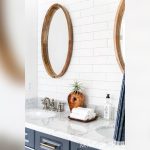
Accessible bathrooms do not have to look plain or clinical. Stylish designs can include modern fixtures and elegant finishes. Choose colors and textures that create a welcoming space. Fixtures should be functional yet attractive. Open layouts enhance mobility while maintaining a clean look. Good design proves that accessibility and style can coexist beautifully.
Ada Compliance Essentials
Following ADA guidelines is crucial for accessible bathroom design. The ADA sets standards for door width, turning space, and fixture placement. Toilets must be at an accessible height with enough clearance around them. Showers require roll-in access or transfer benches. Sinks should have knee clearance underneath. Meeting these rules ensures the bathroom is usable by all individuals.
Space Planning Tips
Planning space in an accessible bathroom is key for comfort and safety. Good space planning helps everyone move freely. It also makes daily tasks easier and faster. Smart layouts reduce risks of accidents and improve usability.
Focus on clear areas and smooth flow. Consider how people use the bathroom. Think about wheelchairs, walkers, or other aids. Each element should fit well without crowding. Proper space planning creates a balanced and practical design.
Optimizing Layout For Mobility
Place fixtures to allow easy movement around the room. Avoid tight corners and narrow paths. Keep the toilet, sink, and shower within reach. Use open space to help wheelchairs turn. Arrange items so users do not need to stretch or bend much.
Clearance And Maneuvering Space
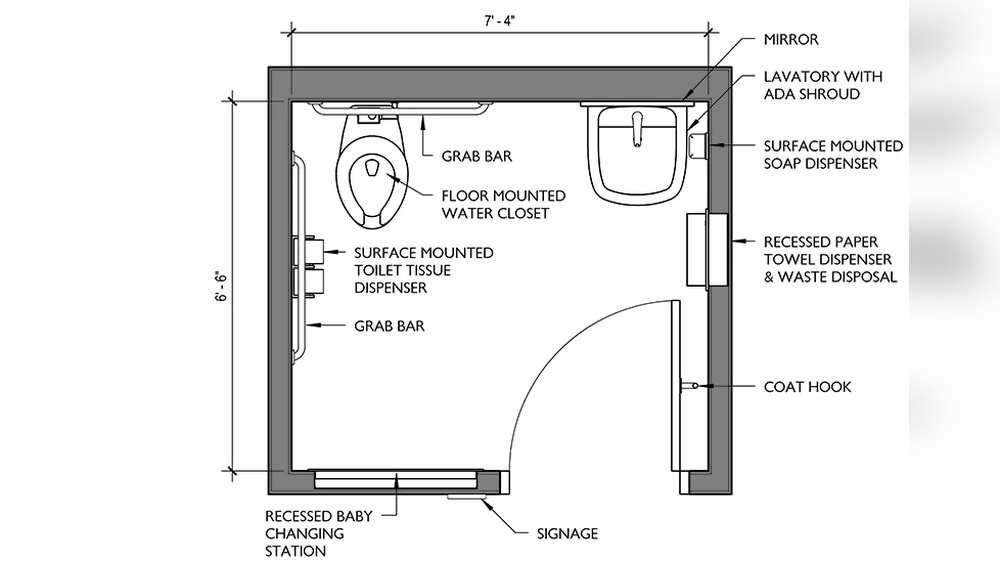
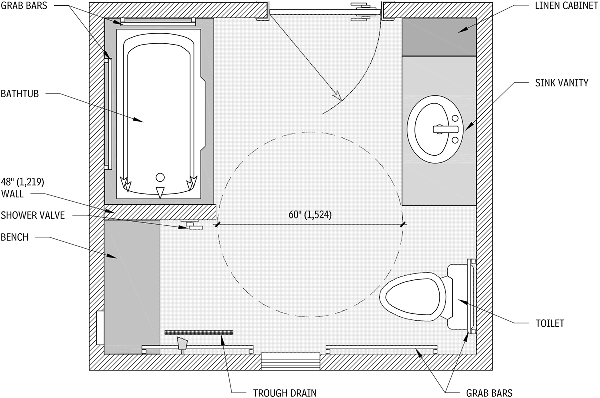
Ensure at least 60 inches of turning space for wheelchairs. Leave room beside the toilet for side transfers. Keep pathways wide and free of obstacles. Use grab bars near key spots for support. Proper clearance prevents accidents and adds comfort.
Effective Door And Entry Designs
Choose doors that are easy to open and close. Sliding or pocket doors save space and improve access. Make doorways wide enough for wheelchairs, at least 32 inches. Use lever handles instead of knobs. Clear thresholds prevent tripping and ease movement.
Accessible Fixtures And Fittings
Accessible fixtures and fittings form the heart of an inclusive bathroom design. They ensure comfort and safety for everyone. Choosing the right elements makes daily routines easier and more independent.
Choosing Accessible Toilets
Accessible toilets have higher seats for easy sitting and standing. Grab bars nearby provide extra support. The flush controls should be easy to reach and use. Comfort height models help reduce strain. Space around the toilet allows wheelchair users to maneuver.
Accessible Sinks And Vanities
Sinks must allow wheelchair access underneath. Wall-mounted sinks without cabinets are a good choice. Faucets with lever handles or sensors are easier to operate. Vanities should have clear space to provide knee clearance. Mirror height should be adjustable or tilted for visibility.
Shower And Bathtub Options
Roll-in showers with no step offer easy access. Handheld showerheads allow flexible use. Shower benches or fold-down seats provide resting spots. Bathtubs with grab bars and transfer benches improve safety. Non-slip floors reduce the risk of falls in wet areas.

Credit: www.archdaily.com
Safety Enhancements
Safety is a key part of accessible bathroom design plans. It helps prevent falls and injuries. Careful planning can make bathrooms safer for everyone. Safety enhancements create confidence and ease for users.
Grab Bars And Handrails
Grab bars provide strong support near toilets and showers. They help users keep balance and move safely. Installing handrails along walls adds extra security. Choose bars with a textured grip to avoid slipping.
Non-slip Flooring Choices
Floors must reduce the risk of slipping on wet surfaces. Use non-slip tiles or vinyl with textured patterns. Avoid smooth, shiny floors that become slippery when wet. Proper flooring keeps users steady and reduces accidents.
Lighting For Visibility
Good lighting improves visibility and prevents trips and falls. Use bright, even lighting without harsh shadows. Place lights near entrances, showers, and toilets. Consider motion-activated lights for convenience at night.
Stylish Design Ideas
Stylish accessible bathroom design blends beauty with function. It creates spaces that are easy to use and visually pleasing. Thoughtful design can make bathrooms inviting for everyone. Accessibility does not mean sacrificing style. Careful choices in materials, colors, and details bring charm and comfort.
Modern Materials And Finishes
Choose materials that resist water and wear. Matte finishes reduce slips on floors and counters. Large tiles with minimal grout lines ease cleaning and movement. Use durable surfaces like quartz or solid surface countertops. These materials look sleek and last long. Combine wood textures with metal accents for warmth and style.
Color Schemes For Comfort
Soft, neutral colors create a calm atmosphere. Light shades open up small spaces visually. Add contrast for better visibility of edges and fixtures. Use colors that reduce glare and eye strain. Warm tones invite relaxation and calmness. Avoid overly bright or dark colors that may confuse users.
Decorative Accessibility Features
Grab bars can be both safe and stylish. Choose bars with decorative shapes or finishes like brushed nickel. Install lever handles instead of knobs for easier use. Use clear signage with large, simple fonts. Incorporate textured tiles or patterns for tactile guidance. These features enhance safety and add personality to the space.

Credit: www.roomsketcher.com
Technology And Smart Solutions
Technology and smart solutions enhance accessible bathroom design plans. They provide ease and independence for users with limited mobility. These modern features improve functionality and comfort without complicating daily routines. Smart devices allow seamless control and better safety in the bathroom space.
Automated Fixtures
Automated fixtures include faucets, showers, and toilets that operate without manual effort. Sensors detect hand or body presence to start or stop water flow. This reduces the need to touch surfaces, promoting hygiene. Automated fixtures adjust water temperature and pressure for user comfort.
Voice-controlled Devices
Voice-controlled devices respond to simple spoken commands. Users can turn lights on or off, adjust mirrors, or operate exhaust fans. This hands-free control is ideal for people with limited hand mobility. Voice assistants make the bathroom experience more accessible and convenient.
Sensors For Safety
Sensors detect falls or unusual movements to alert caregivers quickly. Motion sensors also activate night lights to prevent accidents in the dark. Temperature sensors prevent scalding by controlling water heat. These safety features help create a secure bathroom environment.
Planning For Future Needs
Planning for future needs is essential when designing an accessible bathroom. It helps ensure the space remains safe and comfortable over time. Thoughtful design today can save costly renovations later. Consider how needs might change with age or mobility.
Flexible Design Elements
Choose features that can adapt to different abilities. Install grab bars that are easy to move or add. Use adjustable shower heads and faucets. Opt for removable or fold-down seats. Make sure doorways are wide enough for wheelchairs. These choices allow easy updates as needs evolve.
Age-in-place Considerations
Design the bathroom so users can live independently longer. Include slip-resistant flooring to prevent falls. Use lever handles instead of knobs for easier use. Plan for enough space to add mobility aids later. Good lighting improves visibility and safety. These details support comfort and independence with age.
Budgeting And Phased Upgrades
Set a realistic budget for accessible bathroom changes. Divide the project into phases to spread costs over time. Start with critical safety features like grab bars and non-slip floors. Add luxury or comfort items later, such as heated floors or smart controls. Phased upgrades keep the project manageable and affordable.
Credit: www.graphicstandards.com
Frequently Asked Questions
What Are Key Features Of Accessible Bathroom Design?
Accessible bathrooms include wider doorways, grab bars, roll-in showers, and lower sinks. These features ensure safety and ease of use for people with mobility challenges.
How To Plan An Accessible Bathroom Layout Effectively?
Plan clear floor space for wheelchair movement, position fixtures within reach, and use non-slip flooring. Proper layout enhances comfort and independence for users.
What Materials Work Best For Accessible Bathrooms?
Use non-slip tiles, durable countertops, and moisture-resistant materials. These choices improve safety, durability, and maintenance in accessible bathroom designs.
How To Comply With Ada Standards In Bathroom Design?
Follow ADA guidelines for door width, grab bar placement, and fixture height. Compliance ensures accessibility and meets legal requirements for public and private spaces.
Conclusion
Designing an accessible bathroom improves safety and comfort for all. Simple changes make daily routines easier and more independent. Thoughtful layouts provide space for movement and support needs. Choosing the right fixtures helps prevent slips and falls. Planning ahead saves money and reduces future renovations.
Everyone deserves a bathroom that feels welcoming and functional. Start creating a space that suits your lifestyle today. Accessible bathroom design truly makes a positive difference at home.