
Are you looking to transform your space with flooring that not only looks stunning but also feels unique underfoot? Tiles floor texture could be exactly what you need to add character and depth to your rooms.
Whether you want a subtle tactile feel or a bold, eye-catching pattern, understanding tile textures can help you make the perfect choice for your home or office. You’ll discover how different textures affect the look and feel of your floors, practical tips for selecting the right tiles, and creative ideas to elevate your interior design.
Keep reading to unlock the secrets behind tiles floor texture and turn your floors into a true statement of style and comfort.
Tile Materials
Tiles come in many materials, each offering unique textures and benefits. Choosing the right tile material affects the look, feel, and durability of your floor. It also shapes the room’s atmosphere and style. Explore the common tile materials to find the best fit for your space.
Natural Stone Options
Natural stone tiles provide a timeless, earthy texture. Materials like marble, granite, and slate offer rich colors and patterns. Each stone has a unique surface that adds character to floors. Stone tiles are durable but may require sealing to prevent stains. They create a warm, organic feel in any room.
Ceramic And Porcelain
Ceramic and porcelain tiles are popular for their versatility and strength. Porcelain is denser and less porous than ceramic, making it ideal for high-traffic areas. Both materials can mimic natural textures like wood or stone. They come in many colors, sizes, and finishes. These tiles are easy to clean and maintain.
Glass And Composite Tiles
Glass tiles add a sleek, modern texture with a glossy finish. They reflect light, brightening up spaces and creating a sense of depth. Composite tiles combine materials like glass and resin for unique patterns and durability. These tiles suit walls and accent areas more than floors. They offer a smooth, cool surface that feels different underfoot.
Credit: architextures.org
Surface Treatments
Surface treatments give tiles their unique look and feel. These treatments create texture that adds depth and character to floors. Textured tiles improve safety by reducing slipperiness. They also enhance the visual appeal of any room.
Several methods shape the tile surface. Each method affects the tile’s texture and style differently. Understanding these techniques helps in choosing the right tile for your space.
Embossing Techniques
Embossing presses patterns onto the tile surface. This method raises parts of the tile to create a 3D effect. It can mimic natural materials like wood or stone. Embossed tiles offer a tactile feel that adds interest. This technique also increases slip resistance on floor tiles.
Engraving Styles
Engraving cuts designs directly into the tile. These recessed patterns give a subtle texture. Engraving can create intricate shapes or simple lines. The style depends on the tool and pressure used. Engraved tiles often feature geometric or floral motifs. This method adds elegance without bulk.
Other Texture Methods
Other methods include sandblasting, glazing, and hand-finishing. Sandblasting roughens the tile surface for a matte look. Glazing adds a glossy or matte coat with texture. Hand-finishing uses skilled artisans to create unique patterns. Each method offers distinct tactile and visual effects. These options expand design possibilities for tile floors.
Popular Texture Styles
Tiles with textured surfaces add depth and character to any room. Popular texture styles bring unique looks and tactile experiences to floors. These styles suit different tastes and design themes. They create visual interest while maintaining functionality.
Wood-look Textures
Wood-look tiles mimic natural wood grain and knots. They offer warmth without wood’s maintenance issues. These tiles work well in kitchens and bathrooms. They combine durability with the cozy feel of wood. Colors range from light oak to rich walnut shades.
Distressed And Vintage Finishes
Distressed tiles show signs of wear and aging. This style adds a rustic, lived-in charm to spaces. Vintage finishes often include faded colors and rough surfaces. Perfect for farmhouse or shabby-chic decor. They hide dirt and scratches well, ideal for high-traffic areas.
Stone And Marble Effects
Stone-effect tiles replicate granite, slate, or limestone textures. Marble-look tiles display elegant veins and soft patterns. Both bring a natural, luxurious feel to floors. They suit modern and classic interiors alike. Easy to clean and resistant to stains, these tiles stay beautiful long.
Tile Patterns
Tile patterns play a key role in defining the look and feel of any tiled floor. They affect the room’s style and can make a space feel larger, cozier, or more dynamic. Choosing the right pattern helps highlight the texture and color of your tiles.
Simple patterns create clean, classic looks. Complex patterns add visual interest and uniqueness. Each pattern style changes how light and texture interact across the floor.
Staggered Layout
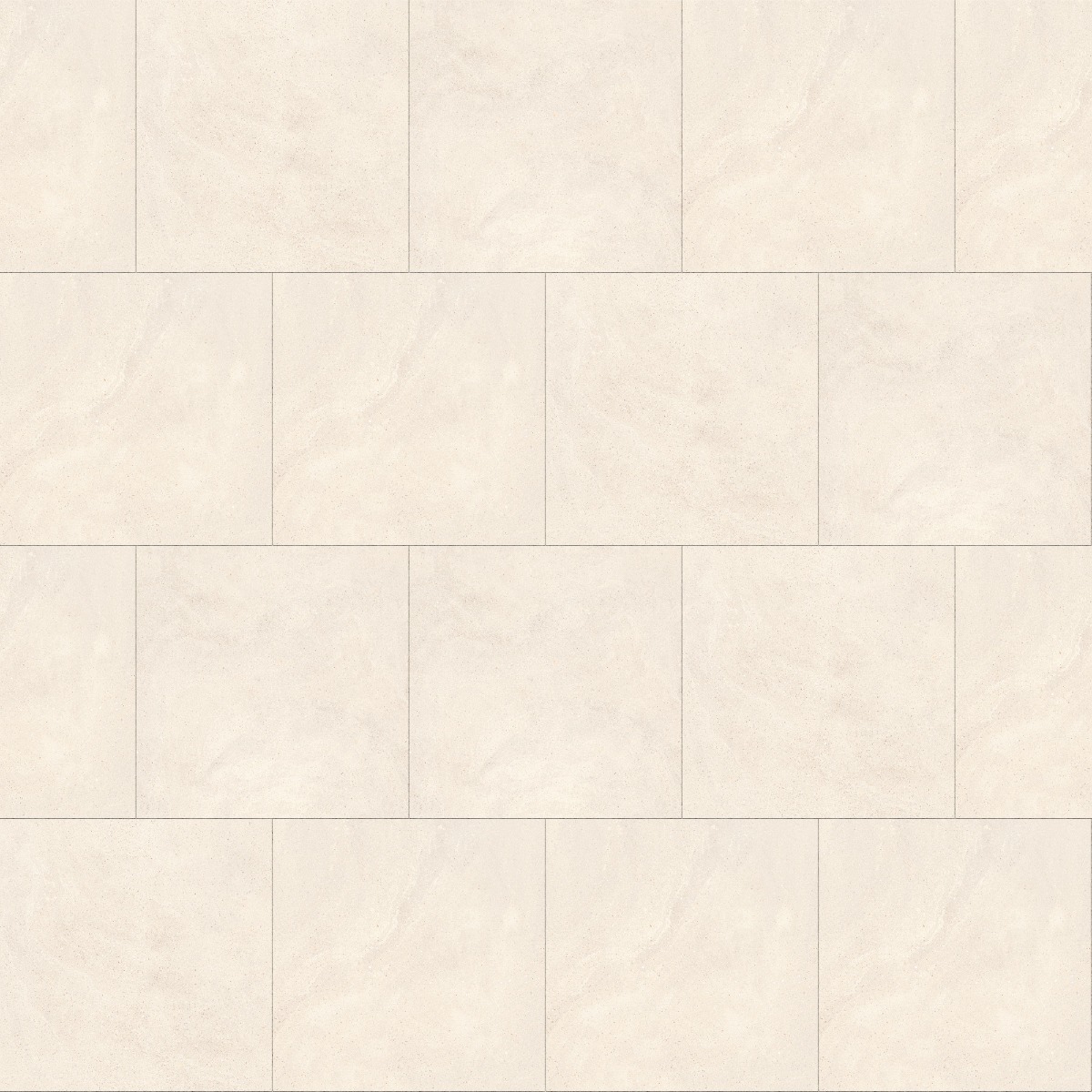
The staggered layout shifts each tile row by about one-third of the tile’s length. This offset creates a flowing, natural look. It reduces the chance of grout lines lining up perfectly, which softens the floor’s appearance.
This pattern also helps hide small tile imperfections. It gives a more even surface and less visible lippage. The staggered layout suits large-format tiles well and is popular in modern homes.
Straight-set Pattern
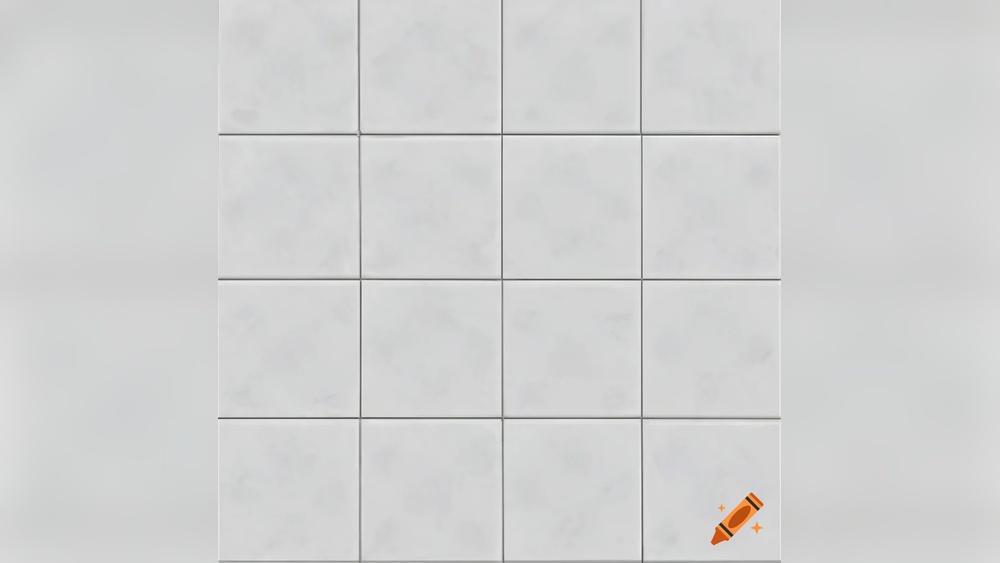
The straight-set pattern places tiles in exact rows and columns. Tiles line up perfectly, forming a grid. This pattern highlights the tile’s shape and texture clearly.
It offers a neat and orderly look. It works well with uniform tiles and simple textures. The straight-set pattern suits small spaces as it can make them feel bigger and more open.
Creative Pattern Alternatives
Creative tile patterns add personality and style to floors. Herringbone, basket weave, and diagonal patterns create movement and depth. These patterns can highlight the tile’s texture in unique ways.
Mixing tile sizes or colors also creates interesting visuals. Using different patterns in the same space can separate areas and add charm. Creative patterns are perfect for those who want a custom, artistic floor look.
Benefits Of Textured Floors
Textured tile floors offer many practical benefits beyond their stylish look. They improve safety, hide surface flaws, and add depth to your space. Choosing textured tiles can enhance both function and design in any room.
Improved Safety And Grip
Textured floors provide better traction underfoot. This reduces slips and falls, especially in wet areas. Bathrooms, kitchens, and entryways become safer with textured tiles. The rough surface helps shoes and feet grip the floor firmly. This feature is ideal for homes with children or elderly residents.
Hiding Imperfections
Textured tiles mask scratches, stains, and dirt well. Their uneven surface conceals wear and tear over time. This keeps floors looking cleaner and newer for longer. Small damages do not stand out on textured floors. This makes maintenance easier and less frequent.
Adding Visual Depth
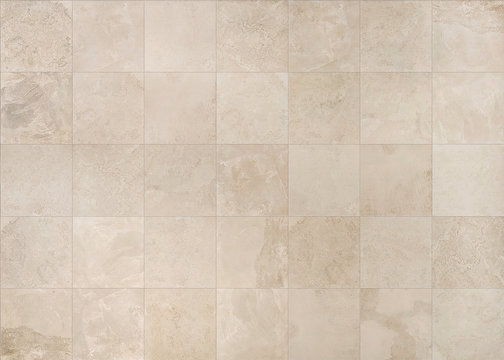
Textured floors add dimension and interest to any room. The patterns and grooves catch light in different ways. This creates shadows and highlights that enhance the tile’s appearance. Textured tiles break the monotony of flat surfaces. They bring warmth and character to plain spaces.
Credit: stock.adobe.com
Installation Tips
Installing tile floor texture requires care and attention to detail. Proper installation boosts durability and enhances the floor’s appearance. Following key tips helps avoid common problems and ensures a smooth finish.
Choosing The Right Adhesive
Select an adhesive suited for your tile type and floor surface. Porcelain tiles need strong, flexible adhesives. Check the manufacturer’s recommendations for best results. Use thin-set mortar for most textured tiles. Apply adhesive evenly to prevent gaps under tiles. Avoid using too much adhesive; it can cause uneven tiles.
Managing Lippage
Lippage happens when tile edges are uneven. This creates an unsightly and unsafe surface. Use a leveling system during installation to keep tiles flush. Check each tile’s height before the adhesive sets. Tap tiles gently with a rubber mallet to level them. Stagger joints in your tile pattern to reduce lippage chances.
Proper Sealing And Maintenance
Seal textured tiles to protect against stains and moisture. Choose a sealant compatible with your tile material. Apply sealant evenly and allow it to dry fully before use. Regular cleaning with a mild detergent keeps texture clear of dirt. Avoid harsh chemicals that can damage the sealant or tile surface.
Design Ideas
Tiles floor texture offers many design possibilities. You can create spaces that feel cozy or sleek. Textured tiles add depth and interest to any room. Choosing the right texture changes the mood instantly. Below are some inspiring ideas to explore.
Rustic And Warm Spaces
Textured tiles with natural stone or wood looks build warmth. Rough surfaces mimic outdoors and bring nature inside. Choose earthy colors like browns, tans, and soft grays. These tiles work well in kitchens, living rooms, and entryways. The texture adds charm to rustic and farmhouse styles.
Modern And Minimalist Looks
Sleek, subtle textures create a clean, modern feel. Smooth tiles with slight patterns offer visual interest without clutter. Use cool tones such as whites, grays, and blacks for a minimalist style. Large tiles with simple textures make rooms look spacious. They keep the design fresh and uncluttered.
Combining Textures For Contrast
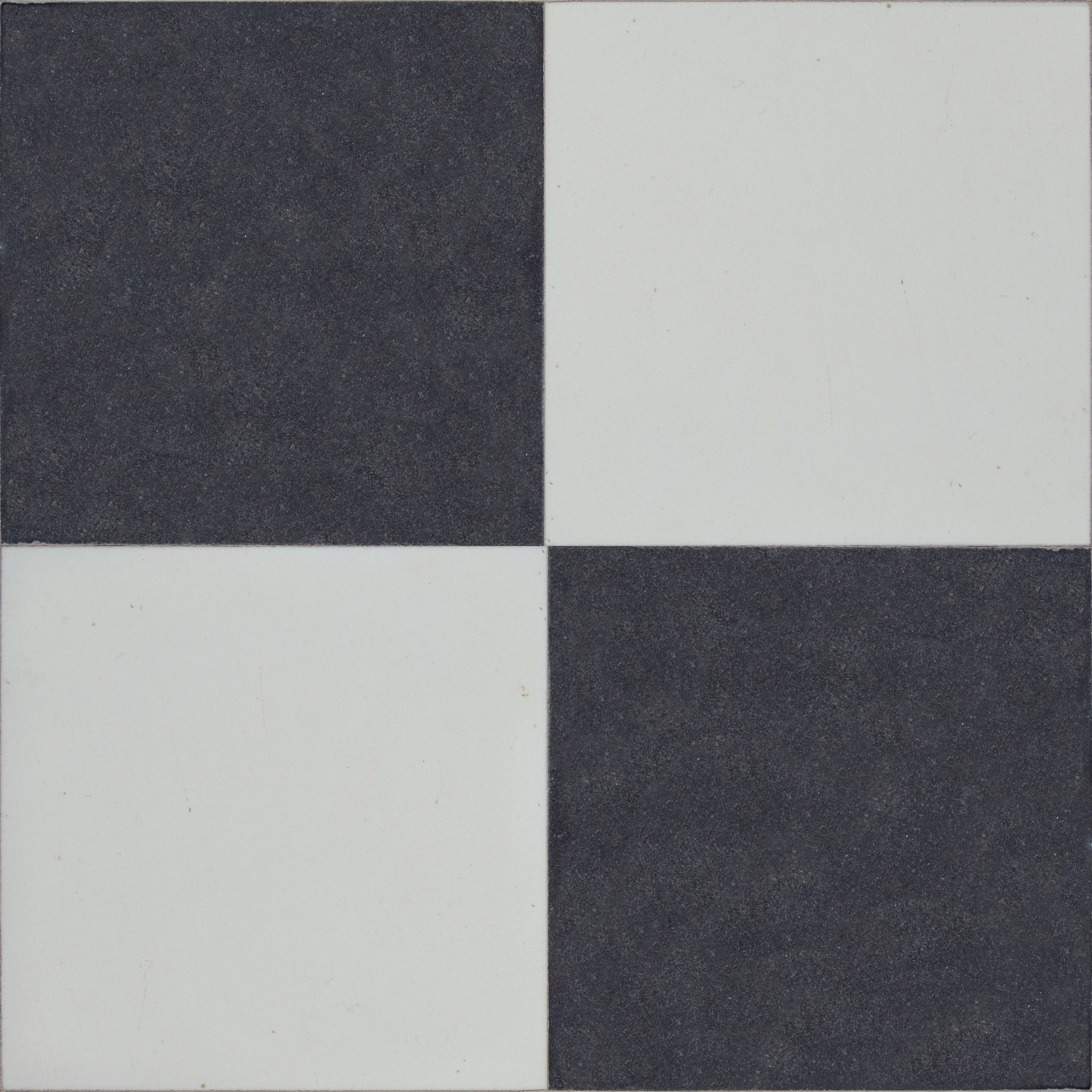
Mixing different tile textures adds a dynamic contrast. Pair smooth tiles with rough or patterned ones to highlight areas. Use textured tiles as accents on walls or floors. This technique creates a balanced and eye-catching design. It works well in bathrooms and kitchens to separate spaces.
Credit: commons.wikimedia.org
Maintaining Texture
Maintaining the texture of tile floors keeps their beauty and safety intact. Textured tiles offer grip and style but need care to stay effective. Dirt and damage can dull their surface and reduce their lifespan.
Proper maintenance preserves the tile’s original look and feel. It also protects the texture from wearing down too quickly. Simple habits and regular care make a big difference over time.
Cleaning Techniques
Use gentle cleaners made for textured tiles. Avoid harsh chemicals that can damage the surface. Sweep or vacuum to remove loose dirt and dust first.
For deep cleaning, use a soft brush or mop. Focus on grout lines and crevices where dirt hides. Rinse thoroughly with clean water to avoid residue build-up.
Preventing Wear And Tear
Place mats at entrances to catch dirt and grit. Avoid dragging heavy furniture across the floor to prevent scratches. Use felt pads under chair legs for extra protection.
Keep pets’ nails trimmed to reduce scratches. Maintain a stable indoor environment to avoid tile expansion or cracking. Regularly check for loose or damaged tiles and fix them quickly.
Restoring Texture Over Time
Minor scratches and dullness can be fixed with gentle polishing. Use products designed for textured tile surfaces. For deep damage, professional refinishing may be needed.
Seal textured tiles periodically to protect against stains and wear. Follow manufacturer instructions for the best results. Restoration keeps tiles looking fresh and extends their lifespan.
Frequently Asked Questions
What Are Textured Floor Tiles?
Textured floor tiles have raised or patterned surfaces that add grip and style. They are made from materials like ceramic, porcelain, or stone. These tiles enhance safety and create visual interest in indoor and outdoor spaces.
What Is The 1/3 Rule For Tile?
The 1/3 rule for tile means each row shifts by one-third of a tile’s length. This reduces lippage, hides imperfections, and creates a smooth, modern look. It offers a fresh alternative to standard brick patterns, enhancing visual flow and minimizing uneven surfaces in large tile installations.
Can You Add Texture To A Tile Floor?
Yes, you can add texture to a tile floor by choosing textured tiles or applying surface treatments like embossing or engraving. Textured tiles improve grip and enhance visual appeal.
Why Is 50% Tile Pattern Not Recommended?
The 50% tile pattern creates continuous grout lines that highlight imperfections and uneven edges. It often causes a repetitive, less dynamic look. This pattern can emphasize lippage and misalignment, making floors appear less smooth. Designers prefer offset patterns to enhance visual flow and minimize surface irregularities.
Conclusion
Tiles floor texture adds style and depth to any room. It improves safety by reducing slips with a rough surface. Textured tiles come in many materials and designs. They fit well in kitchens, bathrooms, and living spaces. Choosing the right texture can enhance your home’s look.
Maintenance is easy when you select durable textured tiles. Overall, textured tile floors combine beauty and practicality. They offer a simple way to refresh your space. Consider texture to bring character and function together.