Is your small bathroom feeling cramped and uninspired? Imagine transforming that tight space into a calming retreat inspired by Japanese design—where simplicity meets functionality in perfect harmony.
Japanese bathroom design for small spaces focuses on clean lines, natural materials, and clever use of every inch, creating an atmosphere that feels both spacious and serene. You’ll discover easy ideas and practical tips to turn your bathroom into a peaceful haven, no matter how limited your space may be.
Ready to bring balance and beauty to your bathroom? Keep reading to unlock the secrets of Japanese small-space design that you can start using today.
Credit: www.fusedmagazine.co.uk
Japandi Style Basics
Japandi style blends Japanese simplicity with Scandinavian warmth. This fusion creates calm and functional spaces, ideal for small bathrooms. The design focuses on natural elements and clean aesthetics. It makes even tiny areas feel open and serene.
Natural Materials
Wood, bamboo, and stone are key in Japandi bathrooms. These materials bring warmth and texture. Natural fibers add softness and comfort. They connect the indoors to nature, enhancing relaxation.
Minimalist Color Palette
Japandi uses soft, neutral colors. Whites, beiges, and light grays dominate the space. These colors reflect light, making small bathrooms appear larger. Muted tones create a peaceful atmosphere without distraction.
Clean Lines And Forms
Simplicity defines Japandi shapes. Fixtures and furniture have smooth, straight lines. Curves are gentle and subtle. This approach avoids clutter and keeps the space tidy. It helps maintain a clear and calm environment.

Credit: edwardgeorgelondon.com
Space-saving Fixtures
Space-saving fixtures are essential in Japanese bathroom design, especially for small spaces. These fixtures optimize every inch without sacrificing style or function. They help create a clean and uncluttered environment, reflecting the minimalist Japanese aesthetic.
Smart design choices make even the tiniest bathroom feel spacious and serene. Each fixture is thoughtfully crafted to serve its purpose efficiently. This approach balances practicality and elegance perfectly.
Compact Soaking Tubs
Compact soaking tubs are a staple in small Japanese bathrooms. They offer deep immersion despite their small footprint. These tubs encourage relaxation without requiring much space. Their simple shapes and smooth lines fit neatly into tight corners. Many models feature built-in seats for added comfort.
Wall-mounted Toilets
Wall-mounted toilets save floor space by attaching directly to the wall. This design creates a floating effect that opens up the room visually. Cleaning becomes easier since the floor beneath is accessible. Modern models use less water, promoting eco-friendly habits. Their sleek style complements minimalist bathroom decor.
Floating Vanities
Floating vanities free up floor space and add a modern touch. Mounted on the wall, they provide storage without bulkiness. The open area underneath can hold baskets or cleaning tools. Their clean lines and simple design enhance a sense of openness. Floating vanities blend well with wooden or natural materials.
Wood Elements
Wood elements bring natural beauty and calmness to small Japanese bathrooms. They create a warm, inviting atmosphere that balances modern minimalism. Using wood smartly adds texture and depth without crowding the space. This timeless material connects the bathroom to nature, enhancing relaxation and serenity.
Wood Slats For Warmth
Wood slats provide a gentle warmth that softens sharp edges. They work well on walls or ceilings, creating a soothing backdrop. The vertical or horizontal lines add visual interest without overwhelming small spaces. Wood slats also improve air circulation, helping keep the bathroom fresh.
Sleek Wooden Cabinets
Sleek wooden cabinets offer practical storage with style. Their clean lines fit perfectly in small Japanese bathrooms. Choose light-colored woods for a bright, airy feel. Cabinets keep essentials hidden, maintaining a clutter-free environment. Natural wood grain adds subtle elegance to the space.
Natural Wood Accents
Natural wood accents highlight the beauty of simplicity. Small touches like wooden stools, shelves, or bath trays enhance the design. These accents add warmth and texture without taking up much room. They tie the entire bathroom look together, creating harmony and balance.

Credit: edwardgeorgelondon.com
Lighting Techniques
Lighting plays a vital role in Japanese bathroom design, especially in small spaces. It enhances the room’s calm and clean feel. Proper lighting helps make the space look bigger and more inviting. Japanese design focuses on simplicity and natural beauty. The right lighting techniques blend soft illumination with natural light to create balance.
Soft Washi-style Fixtures
Washi paper lamps add a gentle glow. They diffuse light softly, avoiding harsh shadows. This creates a warm and peaceful atmosphere. These fixtures often come in simple shapes that fit small spaces well. They also reflect traditional Japanese craft and style. Using Washi-style lights brings a natural texture to the bathroom.
Maximizing Natural Light
Natural light opens up small bathrooms instantly. Large windows or skylights help bring in daylight. Clear or frosted glass lets light enter while keeping privacy. Mirrors placed opposite windows reflect light around the room. Avoid heavy curtains or blinds that block sunlight. Bright spaces feel fresh and calming, a key in Japanese design.
Ambient Lighting Ideas
Ambient lighting sets the mood without glare. LED strips under shelves or cabinets offer soft background light. Recessed ceiling lights with dimmers allow control over brightness. Small wall sconces add gentle accents. Warm white bulbs mimic natural daylight and keep the space cozy. Ambient light layers give depth and comfort to the bathroom.
Tile And Stone Choices
Choosing the right tile and stone is key to a Japanese bathroom design in a small space. These materials bring natural beauty and calmness. They create a clean, simple look that fits the Japanese style well.
Tiles and stones also help keep the bathroom fresh and easy to clean. Their textures and colors add depth without crowding the room. This section explores the best tile and stone options for small Japanese bathrooms.
Stone Tile Walls
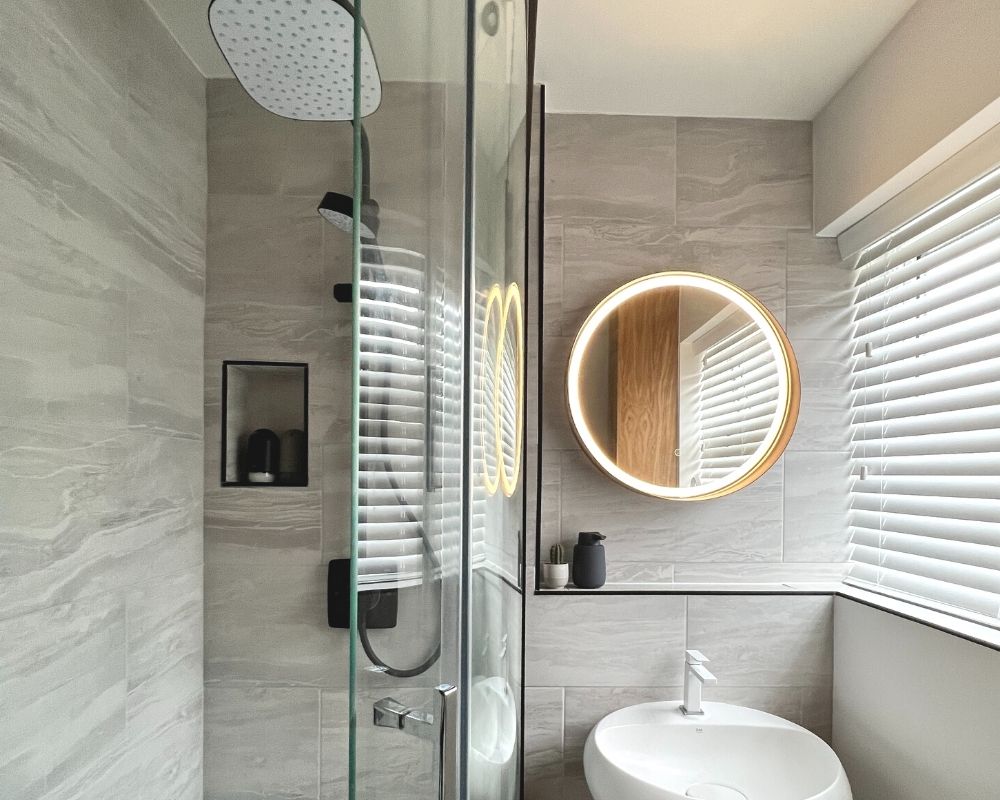
Stone tile walls add a natural, earthy feel. Smooth stones like slate or granite work well. They create a peaceful, spa-like atmosphere. Stone walls also resist moisture and stains. This makes them perfect for bathrooms. Using large stone tiles can make the space feel bigger. The natural patterns add unique character without clutter.
Textured Floor Tiles
Textured floor tiles prevent slipping and add comfort. Small spaces benefit from tiles with gentle patterns or grooves. These textures give a subtle design touch while keeping safety a priority. Materials like ceramic or natural stone offer good grip. Light textures also help hide water spots and dirt. This keeps the floor looking clean longer.
Neutral Color Tones
Neutral colors create a calm, open feeling in a small bathroom. Soft shades of beige, gray, and white are common. These tones reflect light well, brightening the space. Neutral tiles match wood and natural stone easily. This harmony supports the minimalist Japanese style. Choosing subtle color variations adds interest without overwhelming the room.
Greenery And Decor
Greenery and decor bring calm and freshness to small Japanese bathrooms. They balance the simplicity of the space with natural beauty. Thoughtful choices help create a peaceful atmosphere.
Even in a tiny bathroom, plants and decor add life and color. Each element serves a purpose, enhancing the room without clutter.
Small Indoor Plants
Small indoor plants fit perfectly in limited bathroom spaces. They improve air quality and add a touch of nature. Choose plants that thrive in humidity, like bamboo or ferns. Place them on shelves or near the sink for easy care. Their green leaves soften the clean lines of Japanese design.
Japanese Art Touches
Japanese art enhances the bathroom’s tranquil mood. Simple prints or calligraphy on the walls create cultural depth. Look for pieces with nature themes, such as cherry blossoms or koi fish. Art framed in light wood blends with minimalist decor. These touches bring subtle elegance without overwhelming the space.
Minimalist Accessories
Minimalist accessories keep the bathroom uncluttered and functional. Choose items with clean shapes and natural materials. Wooden soap dishes, stone containers, and linen towels fit well. Each accessory should have a purpose and match the room’s calm vibe. This approach respects the Japanese principle of simplicity.
Efficient Layouts
Efficient layouts are essential for small Japanese bathroom designs. They create a sense of space without overcrowding. Thoughtful planning maximizes every inch, making the bathroom functional and calming.
Optimizing Floor Space
Use compact fixtures to save room. Wall-mounted sinks and toilets free up floor area. Sliding doors replace swinging ones to avoid wasted space. Clear floors make the bathroom look bigger and easier to clean.
Multi-functional Storage
Combine storage with other functions. For example, a vanity can include drawers and shelves. Use recessed shelves in the shower for toiletries. Small baskets or boxes keep items tidy and hidden. This reduces clutter and keeps surfaces clear.
Zoning Wet And Dry Areas
Separate wet and dry zones to keep the space organized. A glass partition or raised floor divides the shower area. This prevents water from spreading and keeps the dry zone clean. It also improves safety by reducing slips.
Soaking Tub Options
Soaking tubs are central to Japanese bathroom design, especially in small spaces. These tubs offer a deep, relaxing soak without using too much room. They create a calm atmosphere and help save space at the same time.
Choosing the right soaking tub can enhance your bathroom’s style and comfort. Below are key points to consider about these tubs in small Japanese-inspired bathrooms.
Furo Tub Features
Furo tubs are traditional Japanese soaking tubs. They are deeper than Western tubs but shorter in length. This design allows for sitting upright and full-body immersion. Many furo tubs are made from wood or modern materials like acrylic. They retain heat well, keeping water warm longer. Their compact shape fits well in small bathrooms. Some models include covers to keep water clean and warm.
Space Requirements
Furo tubs need less floor space than regular tubs. Their vertical design uses room efficiently. Measure your bathroom carefully before buying. Allow space for easy entry and exit. Also, consider space for water drainage and plumbing access. Small bathrooms benefit from corner or built-in furo tubs. This maximizes usable area while maintaining comfort. Proper planning ensures the tub fits without crowding.
Installation Tips
Install furo tubs on sturdy, waterproof floors. Check local plumbing codes for hot water supply needs. Use waterproof seals to prevent leaks and water damage. Consider built-in shelves or benches nearby for convenience. A separate shower area can save space and keep the tub clean. Professional installation is recommended for safety and durability. Ventilation is important to avoid humidity buildup. Simple design and clean lines keep the space feeling open.
Frequently Asked Questions
How Do You Add A Japanese Design To A Small Bathroom?
Add natural wood elements, stone tiles, and soft lighting. Include a small green plant and Japanese art. Keep designs minimal and let in natural light. Use sleek wood cabinets and washi-style fixtures for an authentic Japanese small bathroom feel.
How Much Space Do You Need For A Japanese Soaking Tub?
A Japanese soaking tub typically requires a space of at least 4 to 6 feet in length and 3 to 4 feet in width. Ensure enough room for comfortable access and installation, fitting well within small bathroom designs.
What Is A Japanese Style Bathroom Called?
A Japanese style bathroom is called a “Furo” (風呂) or “Ofuro” (お風呂), referring to a traditional soaking tub area.
What Is A Japandi Bathroom?
A Japandi bathroom blends Japanese minimalism with Scandinavian warmth. It features natural materials, clean lines, soft lighting, and a calming, clutter-free space.
Conclusion
Japanese bathroom design suits small spaces well. It uses natural materials and simple lines. This style creates calm, clean, and organized rooms. Space feels bigger with smart storage and minimal decor. Soft colors and wood add warmth and peace. Small bathrooms can become relaxing retreats with these ideas.
Try adding plants or a soaking tub for comfort. You can enjoy a stylish, functional bathroom without clutter. Embrace simplicity for a fresh, neat look every day.