
When it comes to choosing the right flooring for your home or workspace, texture plays a huge role in both style and comfort. If you’ve ever wondered how linoleum floor texture can impact the look and feel of your space, you’re about to discover some surprising facts.
Linoleum isn’t just an old-school option—it offers unique textures that bring warmth, durability, and character to any room. Whether you want a smooth finish or a subtle pattern underfoot, understanding linoleum’s texture can help you make smarter choices for your flooring.
Keep reading to unlock the secrets behind linoleum floor texture and find out why it might be the perfect fit for your next project.
Linoleum Texture Basics
Linoleum floor texture offers a unique blend of natural feel and durability. It stands out for its eco-friendly makeup and classic look. Understanding its texture basics helps in choosing the right floor for any space.
The texture affects how the floor feels underfoot and how it complements a room’s style. Each linoleum floor has distinct traits shaped by its materials and finish. These traits influence comfort, appearance, and maintenance.
Natural Composition
Linoleum is made from natural ingredients like linseed oil, wood flour, and cork dust. These components give it a firm yet flexible structure. The natural origin makes it biodegradable and safe for indoor air quality.
This composition creates a surface that ages well and stays strong over time. Unlike synthetic floors, linoleum breathes, helping to regulate room humidity. Its texture reflects the natural materials used in its making.
Surface Feel
The surface of linoleum feels smooth but not slippery. It has a slightly cushioned touch due to its natural oils. This makes walking on it comfortable and reduces foot fatigue.
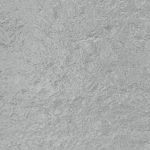
Some linoleum finishes add a subtle grain or pattern to the surface. This texture helps hide minor scratches and wear. The feel is consistent, providing a warm and inviting flooring option.
Color Variations
Linoleum offers rich color options that come from natural pigments. These colors tend to be soft, earthy, and timeless. They enhance the texture by adding depth and character.
Patterns can range from solid tones to speckled or marbled effects. Each variation highlights the material’s organic nature. The colors blend smoothly with the textured surface, creating a balanced look.

Credit: www.123rf.com
Popular Linoleum Patterns
Linoleum floors offer a variety of patterns that suit many styles and spaces. These patterns add texture and character to any room. Choosing the right design can enhance your home’s look and feel. Here are some popular linoleum patterns that remain favorites for many homeowners and designers.
Speckled Designs
Speckled linoleum features small dots or flecks scattered across the surface. These patterns hide dirt and wear well. They create a subtle texture without overwhelming the space. Speckled designs work great in kitchens and busy areas. They bring a soft, natural look to floors.
Checkerboard Styles
Checkerboard linoleum shows alternating squares, often in contrasting colors. Classic black and white is the most common choice. This pattern adds a retro or vintage feel to rooms. It suits kitchens, bathrooms, and entryways well. Checkerboard floors create a bold, clean visual effect.
Moroccan And Geometric
Moroccan and geometric patterns feature repeating shapes like diamonds and hexagons. These designs add a touch of elegance and interest. They often use bright or earthy tones for a unique look. Geometric linoleum can fit both modern and traditional decors. These patterns make floors stand out beautifully.
Modern Linoleum Alternatives
Modern linoleum alternatives offer fresh choices for stylish and durable flooring. These options combine natural materials with new technology. They provide eco-friendly, attractive, and resilient surfaces for homes and businesses. Each alternative has unique textures and benefits that appeal to different tastes and needs.
Marmoleum Innovations
Marmoleum is a natural linoleum made from renewable resources. It features a smooth, matte texture that feels soft underfoot. Advances in Marmoleum include improved scratch resistance and easier installation. It comes in many colors and patterns, letting you create custom looks. This option remains popular for its sustainability and timeless design.
Luxury Vinyl Trends
Luxury vinyl flooring mimics the look of linoleum with added durability. It offers a variety of textures, including smooth, embossed, and wood-like finishes. Many luxury vinyl products are waterproof and easy to clean. These floors suit busy areas and homes with pets or children. They provide a modern alternative with low maintenance and long-lasting quality.
Resilient Flooring Options
Resilient flooring covers different materials like cork, rubber, and linoleum blends. These floors provide comfort and sound absorption. Textures range from soft and cushioned to firm and smooth. They are ideal for kitchens, offices, and playrooms where durability matters. Resilient floors combine style with practical benefits, making them a versatile choice.

Credit: www.shutterstock.com
Styling With Linoleum Floors
Styling with linoleum floors adds charm and warmth to any space. The texture of linoleum brings a natural, soft feel underfoot. It pairs well with many décor styles, from modern to rustic. This versatility makes linoleum a popular choice for both homes and offices.
Choosing the right décor enhances the beauty of linoleum flooring. Thoughtful color and pattern choices create harmony in the room. Linoleum floors can serve as a subtle backdrop or a bold statement.
Complementary Décor Ideas
Use natural materials like wood and wicker to enhance linoleum’s texture. Soft rugs and cushions add comfort and contrast. Metal accents in furniture create a modern edge. Houseplants bring life and freshness to the space. Keep décor simple to let the floor shine.
Color Coordination Tips
Pick wall colors that complement your linoleum shade. Light walls brighten rooms with darker floors. Neutral tones balance vibrant linoleum patterns. Match furniture colors with floor hues for a unified look. Use accent colors in décor to highlight floor details.
Creating Visual Interest
Mix textures like smooth wood and rough fabrics with linoleum. Use area rugs to break up large floor spaces. Add artwork that echoes floor colors or shapes. Layer lighting to create depth and warmth. Play with furniture placement to guide the eye around the room.
Maintaining Texture And Appearance
Maintaining the texture and appearance of linoleum floors keeps them looking fresh and inviting. Proper care preserves their natural beauty and extends their lifespan. Simple routines protect the surface and maintain the unique texture.
Attention to cleaning, durability, and repairs ensures linoleum stays in top shape. This guide explains easy ways to care for linoleum floor texture.
Cleaning Methods
Use a soft broom or vacuum to remove dust daily. Mop with warm water and a mild detergent for deeper cleaning. Avoid harsh chemicals that can damage the texture. Dry the floor quickly to prevent moisture damage. Spot clean stains immediately to keep the surface smooth.
Durability Factors
Linoleum is naturally resilient but can wear with heavy traffic. Protect floors with felt pads under furniture. Avoid dragging heavy items to prevent scratches. Keep sharp objects away from the surface. Regular cleaning removes grit that can cause abrasion.
Repair And Refinishing
Small scratches can be buffed gently with a soft cloth. For deeper damage, use a linoleum repair kit available at hardware stores. Refinishing restores texture and color but should be done carefully. Sand lightly and apply a protective sealant to renew the surface. Regular maintenance reduces the need for major repairs.
Choosing Linoleum For Your Space
Choosing linoleum for your space offers a blend of style, durability, and comfort. Its unique texture adds warmth and character to any room. Linoleum suits a variety of settings, from homes to offices. Understanding key factors helps in making the right choice.
Room Suitability
Linoleum works well in kitchens, bathrooms, and living areas. It handles moisture and heavy foot traffic with ease. The texture prevents slips, making it safe for families. Its sound-absorbing quality helps in quiet rooms. Bright colors and patterns brighten up dull spaces.
Budget Considerations
Linoleum is a cost-effective flooring option. It lasts longer than many alternatives, saving money over time. Installation costs are moderate and straightforward. Maintenance requires simple cleaning, reducing extra expenses. Its durability means fewer repairs or replacements.
Environmental Benefits
Linoleum is made from natural materials like linseed oil and wood flour. It is biodegradable and eco-friendly. Choosing linoleum reduces plastic waste compared to vinyl floors. It helps improve indoor air quality by not releasing harmful chemicals. This makes linoleum a healthy choice for your home.

Credit: www.shutterstock.com
Frequently Asked Questions
Why Isn’t Linoleum Used Anymore?
Linoleum lost popularity due to cheaper, more versatile vinyl flooring options. It also offered fewer colors and higher maintenance.
What Is Linoleum Flooring Called Now?
Linoleum flooring is now commonly called Marmoleum, a modern, eco-friendly brand. Vinyl flooring and resilient flooring also often replace traditional linoleum.
What Are The Downsides Of Linoleum Flooring?
Linoleum flooring can dent and scratch easily. It requires regular sealing to prevent moisture damage. Limited color options may not suit all styles. Installation can be complex and costly. It may fade over time when exposed to direct sunlight.
Is There Linoleum Flooring That Looks Like Wood?
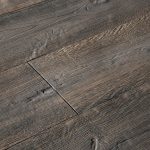
Yes, linoleum flooring that mimics wood grain and texture is available. It offers a natural, eco-friendly wood look.
Conclusion
Linoleum floor texture adds charm and character to any room. It offers a natural, warm feel underfoot that many love. This flooring type is durable and easy to maintain. Different textures can fit various styles, from classic to modern. Choosing the right texture improves both comfort and appearance.
Linoleum remains a practical choice despite newer alternatives. Consider your space and needs when selecting a texture. This way, your floor stays beautiful for years. Linoleum’s unique texture keeps it a timeless flooring option.