
When it comes to choosing the perfect floor for your space, texture plays a huge role in both style and safety. Have you ever noticed how a smooth floor can sometimes feel slippery or plain?
That’s where floor textured surfaces come in. They add a unique touch of character to your room while offering practical benefits like improved grip and durability. Whether you want to create a warm, inviting atmosphere or ensure safety in busy areas, textured flooring can transform your space in ways you might not expect.
Keep reading to discover why floor textured options are becoming a top choice for homes and businesses alike—and how you can find the right style to match your needs.
Types Of Textured Floors
Textured floors add character and safety to any space. They come in various materials and finishes. Each type offers unique benefits and visual appeal. Understanding these options helps in choosing the right floor texture for your needs.
Wood And Laminate Textures
Wood and laminate floors often feature textured finishes that mimic natural grain. This texture adds warmth and depth to rooms. It also helps hide scratches and dents. Laminate textures can imitate wood or stone, providing affordable style. These floors are popular in homes and offices.
Textured Concrete Options
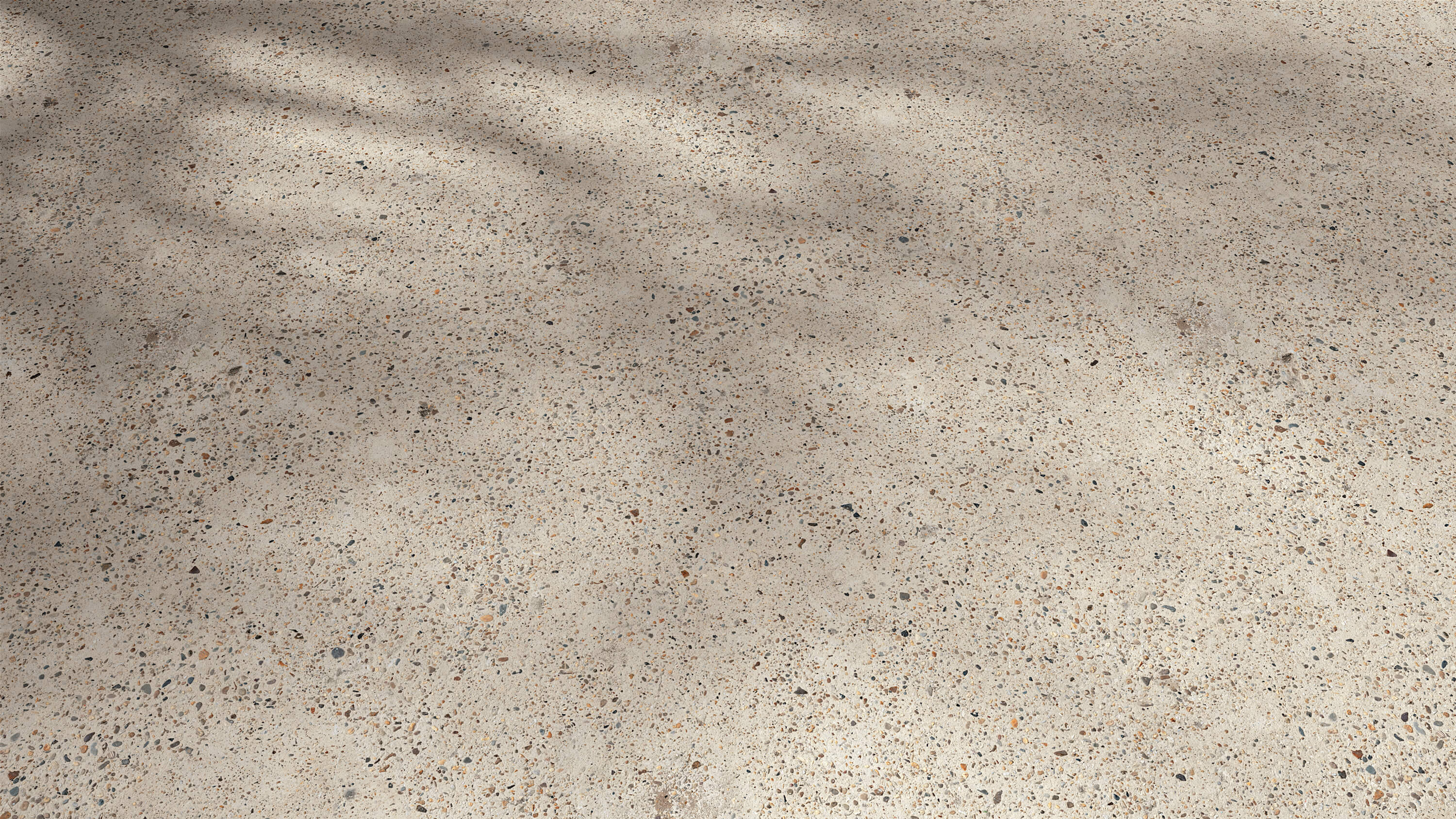
Concrete floors can be textured with stamping, etching, or overlays. These methods create patterns or rough surfaces. Textured concrete improves slip resistance in busy areas. It works well in garages, patios, and commercial spaces. Concrete also offers durability and low maintenance.
Rubber And Vinyl Surfaces
Rubber and vinyl floors come with embossed or raised textures. These surfaces are soft underfoot and slip-resistant. They suit gyms, playrooms, and healthcare settings. Textured rubber and vinyl are easy to clean and maintain. Their wide range of patterns fits many design styles.
Ceramic And Stone Tiles
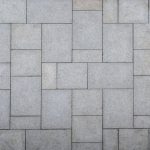
Ceramic and stone tiles often feature textured surfaces for grip and style. These textures range from rough to lightly patterned. They add elegance to kitchens, bathrooms, and entryways. Stone tiles offer natural variations that enhance their texture. Ceramic tiles provide many design choices with durability.
Credit: www.textures4photoshop.com
Benefits Of Textured Flooring
Textured flooring offers many advantages beyond its unique look. It improves safety by reducing slips and falls. This type of flooring also lasts longer under heavy use. Plus, it requires less upkeep than smooth floors. The following sections explain key benefits of textured flooring.
Enhanced Slip Resistance
Textured floors provide better grip for feet. Their rough surface reduces the chance of slipping. This is especially important in wet or oily areas. Businesses and homes benefit from safer floors. This feature helps prevent accidents and injuries.
Durability And Longevity
Textured flooring resists wear and tear well. The patterns hide scratches and dents effectively. These floors handle heavy foot traffic without damage. They maintain their appearance longer than smooth floors. This makes them cost-effective for busy spaces.
Aesthetic Appeal
Textured floors add character to any room. They come in various designs and styles. These floors can mimic natural materials like wood or stone. Texture creates depth and visual interest on the surface. This enhances the overall décor and feel of the space.
Low Maintenance
Textured floors require less cleaning effort. Dirt and marks do not show easily. They do not need frequent polishing or waxing. Most spills can be wiped away quickly. This saves time and money on floor care.
Popular Materials And Colors
Choosing the right materials and colors for textured floors can shape the entire room’s feel. Textured floors add depth and character, making spaces cozy or modern. The variety of materials and colors suits many styles and needs. Here are some popular options that stand out in today’s flooring trends.
Warm Wood Tones
Wood textures bring natural warmth to any room. Colors range from light oak to deep walnut. These tones create a welcoming, earthy atmosphere. Wood grain textures also hide scratches and dirt well. They fit both traditional and modern home designs.
Sustainable Choices
Eco-friendly flooring materials gain popularity fast. Bamboo and cork offer durability and softness underfoot. These materials renew quickly, making them green options. Their natural textures and colors add unique charm. Many sustainable floors also resist moisture and wear.
Luxury Vinyl Varieties
Luxury vinyl tiles mimic real wood or stone textures perfectly. They come in many colors and patterns. Vinyl is water-resistant, ideal for kitchens and bathrooms. These floors are easy to clean and maintain. Their textured finishes add grip and visual interest.
Terracotta Revival
Terracotta tiles bring rustic charm with warm red and orange hues. Their rough surface adds strong texture underfoot. These tiles brighten spaces with earthy, natural colors. Terracotta works well in Mediterranean or farmhouse styles. It ages beautifully, gaining character over time.

Credit: pngtree.com
Trendy Styles And Finishes
Textured floors add depth and character to any space. They combine style and function by offering slip resistance and visual interest. Modern trends focus on natural looks and unique patterns. These finishes transform ordinary floors into focal points. Below are some popular styles and finishes that suit various interiors.
Brushed And Textured Wood
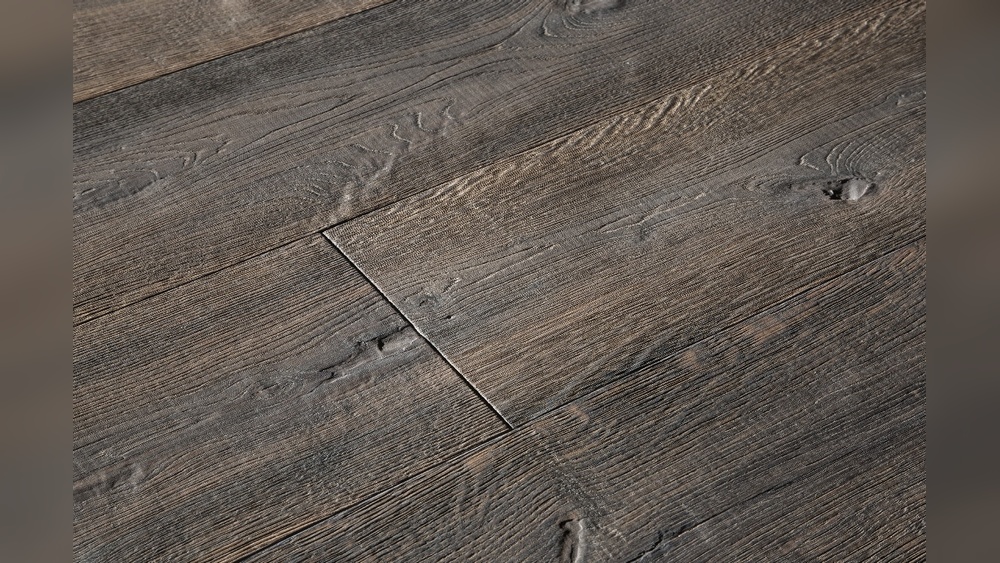
Brushed wood shows soft grooves and ridges on the surface. This texture highlights the natural grain of the wood. It creates a rustic yet refined look. Textured wood feels warm and inviting underfoot. This finish works well in living rooms and bedrooms.
Wider Planks For Spacious Look
Wider planks make rooms appear larger and more open. They reduce the number of seams visible on the floor. This style suits modern and minimalist spaces. Wider boards also emphasize the wood’s natural patterns. It brings an airy and clean feel to interiors.
Geometric Patterns
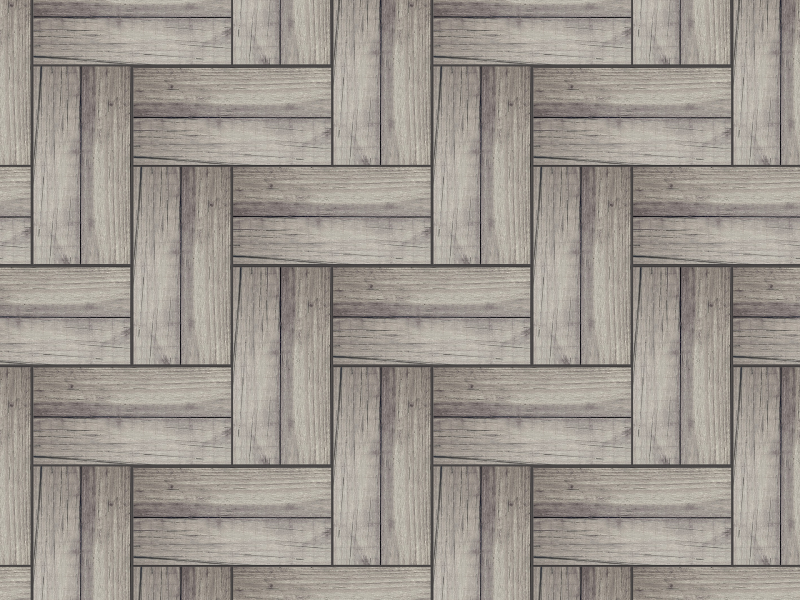
Geometric patterns add a bold and artistic touch. Shapes like chevrons, herringbone, and hexagons create visual movement. These patterns work well in entryways and kitchens. They make floors a design feature that draws attention. Geometric designs suit both classic and contemporary styles.
Natural And Earthy Aesthetics
Natural finishes showcase the raw beauty of wood and stone. Earthy tones like browns, greys, and beiges create a calm atmosphere. These floors blend seamlessly with organic decor. The textures mimic nature’s imperfections for an authentic feel. Natural aesthetics suit eco-friendly and cozy homes.
Installation Techniques
Installing textured floors requires precise techniques to ensure durability and style. Different methods suit various floor types and textures. Each technique offers unique benefits and challenges. Understanding these can help you choose the right installation method.
Concrete Overlays
Concrete overlays involve applying a thin layer of material over existing floors. This layer adds texture and can mimic stone or wood. It improves surface grip and hides imperfections. Proper surface preparation is vital for adhesion. The overlay is spread evenly and allowed to cure. This method is cost-effective and quick.
Tile And Plank Installation
Textured tiles and planks create a patterned surface with slip resistance. Installers use adhesive to fix each piece securely. Careful spacing ensures uniform texture and appearance. Grouting fills gaps and adds stability. This technique suits kitchens, bathrooms, and high-traffic areas. It allows creative patterns and easy replacement of damaged sections.
Seamless Flooring Systems
Seamless flooring uses self-leveling compounds for a smooth, textured finish. This method eliminates joints, reducing dirt traps and wear points. Textures are added by stamping or brushing before curing. It works well in commercial and industrial spaces. The result is a continuous, easy-to-clean surface with enhanced traction.
Diy Vs Professional Installation
DIY installation saves money but requires skill and patience. Mistakes can lead to uneven texture or weak adhesion. Professionals bring experience and specialized tools. They ensure proper surface prep and finish quality. Complex textures and large areas benefit from expert handling. Choosing the right option depends on your budget and confidence level.
Cost Considerations
Choosing textured flooring requires careful thought about costs. Understanding all expenses helps you plan better. This section breaks down the key cost factors. It guides you to make smart decisions for your floor project.
Material Expenses
Textured floors use various materials like rubber, concrete, or tiles. Prices vary depending on quality and type. High-quality materials cost more but last longer. Cheaper materials may save money upfront but need more repairs. Always compare prices from different suppliers before buying.
Labor Costs
Installing textured floors often needs skilled labor. Complex textures take more time and skill, increasing labor fees. Simple patterns or self-leveling options reduce installation costs. Labor costs also depend on location and contractor rates. Get multiple quotes to find fair pricing.
Long-term Value
Textured floors resist slipping and wear better than smooth floors. They reduce maintenance and repair expenses over time. Durable surfaces extend floor life, saving money later. Consider how texture improves safety and lowers accident risks. This value can justify higher initial costs.
Budget-friendly Alternatives
Look for less expensive materials like stamped concrete or vinyl textures. These mimic high-end textures at a lower price. DIY kits and overlays also cut labor costs. Choose simpler designs to keep expenses down. Budget options provide good looks without overspending.
Maintenance Tips
Maintaining textured floors is key to keeping their look and function. Proper care extends their life and keeps them safe. Follow simple steps for cleaning, protecting, and fixing these surfaces.
Cleaning Textured Surfaces
Use a soft broom or vacuum to remove dust and dirt. Avoid harsh brushes that may damage the texture. Mop with warm water and a mild detergent. Rinse well to prevent residue buildup. Dry the floor with a clean cloth to stop water spots.
Preventing Wear And Tear
Place mats at entrances to catch dirt and grit. Use furniture pads under legs to avoid scratches. Rotate heavy items to prevent uneven wear. Limit high heels or sharp shoes on the surface. Clean spills immediately to avoid stains or damage.
Repair And Refinishing
Inspect floors regularly for cracks or chips. Fill small cracks with suitable filler to stop spreading. For larger damage, consult a professional for refinishing. Sanding and recoating restore texture and color. Keep repairs prompt to maintain floor strength.
Protective Treatments
Apply sealants designed for textured floors to protect against moisture. Reapply sealants as recommended by the manufacturer. Use anti-slip coatings if extra grip is needed. Protective treatments help keep floors looking new longer.
Where To Use Textured Floors
Textured floors add safety and style to many environments. Their rough or patterned surface helps prevent slips. They also withstand heavy use well. Choosing the right place for textured floors boosts their benefits. Explore common areas where textured floors fit best.
High-traffic Commercial Spaces
Textured floors work well in busy commercial areas. Shops, restaurants, and malls often use them. These floors handle many footsteps without wearing out quickly. Their slip resistance helps keep customers safe. Cleaning textured surfaces is usually simple, saving time and effort.
Residential Applications
Homes benefit from textured floors in certain rooms. Kitchens and bathrooms are good spots. Textured flooring reduces slips on wet or smooth surfaces. Entryways also gain from added grip. Besides safety, these floors add a unique look to homes.
Outdoor And Pool Areas
Outdoor spaces demand flooring that stays safe when wet. Poolsides and patios are perfect for textured floors. The rough surface prevents falls on slippery tiles or concrete. Textured floors also resist weather damage. They keep outdoor areas safe year-round.
Industrial Settings
Factories and warehouses use textured floors for safety. They stop workers from slipping on oily or wet floors. These floors endure heavy machinery and constant foot traffic. Textured surfaces improve workplace safety and reduce accidents. Maintenance is easier due to their durable finish.
Common Flooring To Avoid
Choosing the right floor texture is vital for both style and functionality. Some flooring types may look attractive but cause issues over time. Avoiding certain common flooring options can save you money and frustration. Here are some flooring styles to think twice about before installing them in your home or business.
Cool Gray Tones
Cool gray floors often appear modern and sleek. They can make rooms feel cold and uninviting. These tones show dirt and dust easily, requiring frequent cleaning. Over time, they may fade or yellow under sunlight. Avoid cool grays if you want a warm, cozy atmosphere.
High-gloss Finishes
High-gloss floors reflect lots of light and look shiny. They reveal scratches, dust, and footprints quickly. These finishes can be slippery, increasing fall risks. Maintaining their shine needs regular polishing and care. Choose matte or satin finishes for better durability and safety.
Faux Barnwood Styles
Faux barnwood flooring mimics aged wood but often lacks durability. It can peel, chip, or fade after some use. The artificial texture sometimes feels fake underfoot. Real wood or high-quality laminate offers better longevity. Avoid faux barnwood if you want authentic texture and lasting quality.
Credit: materialsoftheworld.com
Frequently Asked Questions
What Is Textured Flooring?
Textured flooring features a rough or patterned surface that improves slip resistance, durability, and visual appeal. It enhances traction and safety, making it ideal for busy commercial, industrial, and high-traffic areas. This flooring type combines functionality with style for safer, more attractive spaces.
What Is The Rule Of 3 Flooring?
The rule of 3 flooring means arranging floor planks in staggered patterns using three different lengths. It enhances visual appeal and stability.
Is Concrete Overlay Cheaper Than Tile?
Concrete overlay is generally cheaper than tile installation. It requires less labor, materials, and preparation, reducing overall costs significantly.
What Is The Flooring Trend For 2025?
The 2025 flooring trend features warm wood tones, textured finishes, wider planks, sustainable materials, and durable luxury vinyl. Terracotta also gains popularity for its natural, rustic appeal.
Conclusion
Textured floors add safety and style to any space. They offer better grip and reduce slip risks. Many materials and finishes suit different needs and budgets. Choosing the right texture can enhance your room’s look and feel. Maintenance stays simple with durable, textured surfaces.
Consider textured flooring for lasting comfort and function. It truly makes a difference in everyday living.