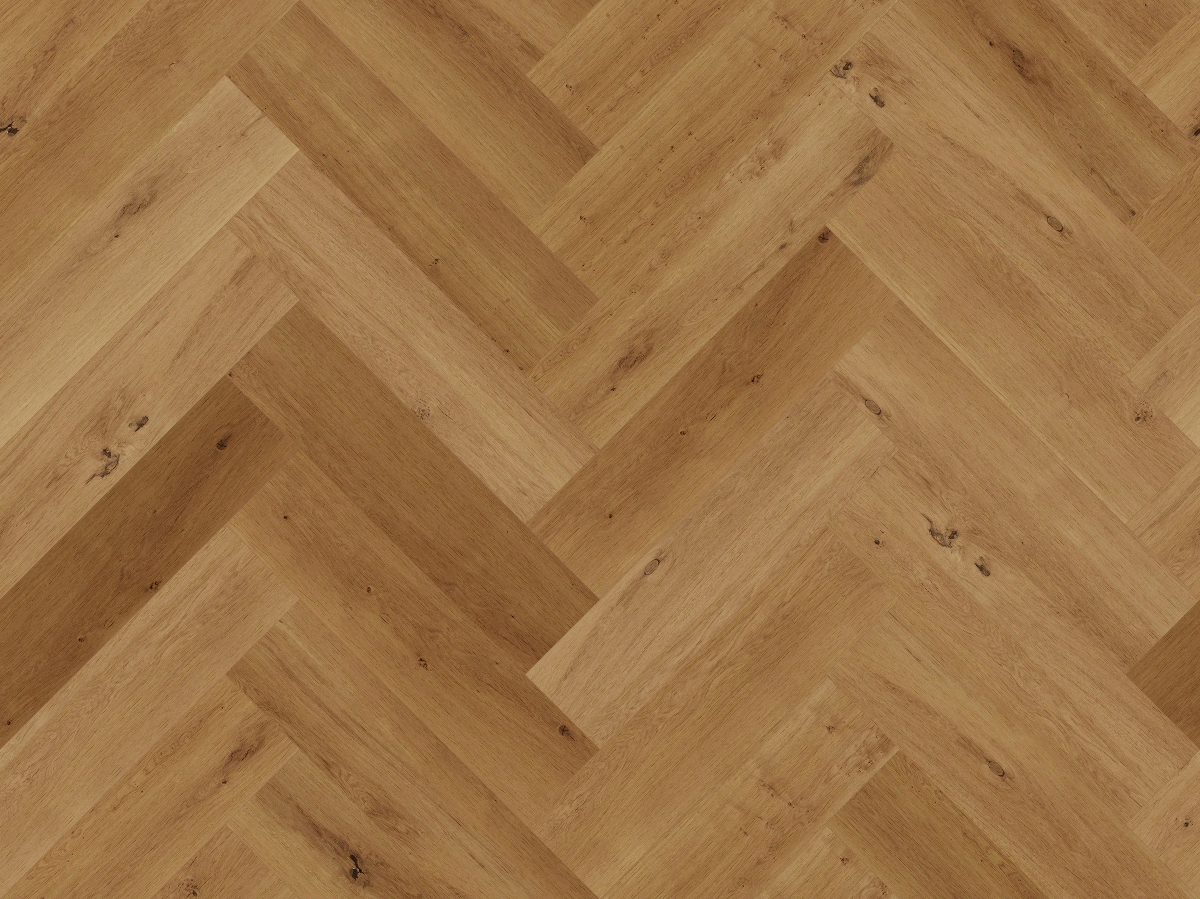
When it comes to choosing the perfect flooring for your home, texture plays a huge role in how the space feels and looks. Imagine a seamless wood flooring texture that brings warmth, elegance, and a natural vibe without the distracting lines or mismatched patterns.
You want your floors to flow effortlessly, making every room feel inviting and beautifully connected. Whether you’re updating your living room, kitchen, or office, understanding seamless wood flooring textures will help you create that flawless, cozy atmosphere you’ve been dreaming of.
Read on to discover how this subtle yet powerful design choice can transform your space and why it might be the perfect fit for your next project.
Credit: architextures.org
Seamless Wood Flooring Types
Seamless wood flooring offers a smooth, continuous look that enhances any room. Various types of seamless wood flooring provide different benefits, textures, and price points. Understanding these types helps you choose the best fit for your space and needs.
Laminate Flooring
Laminate flooring is a multi-layer synthetic product. It has a photographic layer that mimics real wood. The surface resists scratches and stains. It is easy to install and budget-friendly. Laminate works well in living rooms and bedrooms.
Luxury Vinyl Plank
Luxury vinyl plank (LVP) is made from synthetic vinyl. It looks very similar to natural wood. LVP is waterproof and durable, ideal for kitchens and bathrooms. It is soft underfoot and easy to clean. This flooring type handles heavy traffic well.
Porcelain Wood Tile
Porcelain wood tile is ceramic tile with a wood-like finish. It combines wood appearance with tile strength. Porcelain tiles resist moisture and wear. They suit areas with high humidity or spills. This option is long-lasting and low maintenance.
Engineered Wood
Engineered wood has a real wood veneer over plywood layers. It offers a natural wood look with more stability. This flooring adapts well to changes in humidity. Engineered wood can be sanded and refinished. It fits well in most home areas.
Bamboo Flooring
Bamboo flooring is made from fast-growing bamboo grass. It has a smooth, seamless texture similar to hardwood. Bamboo is eco-friendly and strong. It resists dents better than some woods. This flooring adds a unique, natural charm to rooms.
Benefits Of Seamless Wood Textures
Seamless wood textures bring many benefits to flooring designs. They create a smooth, uniform look that enhances any room. These textures offer more than just beauty. They provide practical advantages that make wood flooring a smart choice.
Visual Appeal
Seamless wood textures create a continuous flow on the floor. This effect makes spaces look larger and cleaner. The natural patterns of wood add warmth and charm. Without visible joints, floors appear sleek and modern. This style fits both classic and contemporary interiors.
Durability And Maintenance
Seamless wood textures help protect floors from damage. The smooth surface reduces wear and tear over time. Cleaning is easier because dirt cannot hide in gaps. Regular sweeping and mopping keep floors looking fresh. This reduces the need for frequent repairs or refinishing.
Water Resistance
Seamless designs often improve water resistance in wood floors. Without seams, water has fewer places to seep in. This lowers the risk of warping or swelling. Some seamless wood floors come with special coatings for extra protection. It suits kitchens, bathrooms, and other moisture-prone areas.
Cost Effectiveness
Seamless wood flooring can save money in the long run. Less maintenance means lower upkeep costs. The durability extends the floor’s lifespan. Installation may be faster, reducing labor expenses. Overall, it offers great value for a stylish and lasting floor.
Creating Seamless Wood Floor Textures
Creating seamless wood floor textures requires careful attention to detail. The goal is to produce a natural, continuous look without visible breaks or edges. This process blends art and technology to simulate real wood floors in digital spaces. The texture must repeat smoothly to avoid distracting patterns or mismatches.
Digital Design Techniques
Designers use digital tools to create seamless textures. They start by capturing high-resolution images of wood surfaces. These images are then edited to remove imperfections and align edges perfectly. Techniques like cloning and blending help eliminate visible seams. The final texture tile repeats without showing where one tile ends and another begins.
Tileable Wood Patterns
Tileable patterns are essential for seamless wood textures. These patterns match at all edges so the texture loops naturally. Designers create patterns that replicate wood grain and plank layout. The repeat must look realistic from every angle. Proper tiling avoids harsh lines or duplicated features that ruin the effect.
Matching Grain And Color
Grain and color consistency keep the texture believable. Grain lines should flow smoothly across tile borders. Color tones must blend without sudden changes. Designers adjust brightness, contrast, and hue to unify the wood’s appearance. This step ensures the floor looks like one continuous piece of wood.
Using Software Tools
Software tools speed up the creation of seamless wood textures. Programs like Photoshop and Illustrator offer powerful editing features. They allow precise control over edges, colors, and patterns. Some software includes automatic tiling previews. This helps spot and fix seams before finalizing the texture.
Credit: www.textures.com
Installing Seamless Wood Flooring
Installing seamless wood flooring creates a smooth, continuous surface that enhances any space. This type of flooring requires careful planning and precise execution. Achieving a flawless look depends on proper preparation, the right installation technique, and attention to detail throughout the process.
Preparation And Subflooring
Start by cleaning the subfloor thoroughly. Remove dust, debris, and any old adhesives. The subfloor must be level and dry to avoid future problems. Use a leveling compound if the surface has bumps or dips. Check moisture levels to prevent warping or mold. A clean, stable base ensures the wood planks lay flat and secure.
Installation Methods
Choose from nail-down, glue-down, or floating installation methods. Nail-down works best on wooden subfloors. Glue-down suits concrete or uneven surfaces. Floating floors click together without nails or glue. Each method affects the floor’s stability and appearance. Follow manufacturer instructions carefully for best results.
Ensuring A Uniform Look
Arrange planks before installation to blend colors and grains. Stagger seams to avoid a repetitive pattern. Use consistent pressure to secure each board. Fill gaps with matching wood filler or putty. Sand lightly after installation for a smooth finish. A uniform floor enhances the seamless effect and durability.
Common Challenges
Moisture can cause wood to swell or shrink. Uneven subfloors lead to gaps and creaks. Incorrect installation may create visible seams or loose boards. Temperature changes affect wood expansion. Address these issues early with proper tools and techniques. Patience and precision help avoid costly repairs later.
Styling With Seamless Wood Floors
Styling with seamless wood floors creates a smooth and elegant look. The continuous texture adds warmth and depth to any room. It offers a clean base for various design choices. Simple or bold, seamless wood floors fit all styles well.
Complementing Interior Decor
Seamless wood floors match many decor styles. They work well with modern and classic furniture. Light wood tones brighten spaces, while dark shades add richness. Pairing floors with neutral walls highlights natural wood beauty. Rugs and cushions add softness without breaking the smooth floor effect.
Choosing Colors And Finishes
Select colors that suit your room’s mood. Light finishes create an airy, open feel. Dark finishes give a cozy and dramatic look. Matte finishes hide scratches and dirt better than glossy ones. Satin finishes balance shine and durability. Choose finishes that fit your lifestyle and taste.
Combining Textures
Mix textures to add interest alongside seamless wood floors. Soft fabrics like wool or cotton contrast the hard wood surface. Metal and glass accessories bring modern touches. Natural elements such as stone or plants enhance warmth. Keep textures simple to maintain the floor’s smooth appearance.
Lighting Effects On Wood
Lighting changes how seamless wood floors look. Natural light shows true wood colors and grain. Warm light highlights wood warmth and richness. Cool light creates a sleek, modern feel. Use floor lamps or spotlights to enhance wood texture. Proper lighting improves the floor’s natural beauty.
Maintaining Seamless Wood Floors
Seamless wood floors add beauty and warmth to any room. Maintaining their smooth, continuous texture keeps them looking fresh and elegant. Proper care prevents scratches and wear, preserving the natural shine. Small efforts extend the life of your seamless wood flooring. Follow simple steps to protect and clean your floors.
Cleaning Tips
Use a soft broom or vacuum with a floor brush to remove dust. Avoid harsh chemicals that can damage the wood’s finish. Damp mop with a cleaner designed for wood floors. Wipe spills immediately to prevent stains or water damage. Clean regularly to maintain the floor’s smooth texture and natural color.
Preventing Damage
Place felt pads under furniture legs to avoid scratches. Use rugs in high traffic areas to reduce wear. Keep pet nails trimmed to prevent gouges. Avoid walking on floors with high heels or shoes with sharp edges. Control indoor humidity to prevent wood from expanding or shrinking.
Refinishing And Repairs
Refinish floors every few years to restore their original shine. Sand down rough spots before applying a new finish. Use wood filler to fix small cracks or holes. Replace severely damaged boards to keep the surface even. Consult a professional for large repairs or refinishing jobs.
Extending Floor Life
Rotate rugs and furniture to avoid uneven fading. Maintain consistent indoor temperature and humidity levels. Clean dirt and grit daily to prevent scratching. Avoid using steam cleaners as they can warp the wood. Regular maintenance keeps your seamless wood floors beautiful for years.
Wood-look Flooring Alternatives
Wood-look flooring alternatives offer the charm of wood with added benefits. These options mimic real wood’s texture and color. Many homeowners choose them for style and durability. They suit different budgets and spaces. Understanding these materials helps select the right one for your needs.
Below are key details about popular wood-look flooring types. Each has unique features, costs, and best uses.
Comparing Materials
Laminate flooring uses a photographic wood image on top of fiberboard. It is easy to install and clean. Luxury Vinyl Plank (LVP) is a waterproof vinyl with a textured surface. Porcelain wood tile is a ceramic tile made to look like wood grain. Each material offers a different feel and durability level.
Pros And Cons
Laminate is affordable and scratch-resistant but not very water-friendly. LVP handles moisture well and feels softer but can be pricier. Porcelain tile is very durable and water-resistant but cold and hard underfoot. Choose based on your priorities like comfort, budget, and moisture levels.
Best Uses For Each Type
Laminate works well in living rooms and bedrooms with low humidity. LVP suits kitchens, bathrooms, and basements due to water resistance. Porcelain tile fits high-traffic and wet areas like entryways or laundry rooms. Think about room use and foot traffic when deciding.
Budget Considerations
Laminate is the most budget-friendly option. LVP costs more but offers better water resistance. Porcelain tile can be expensive and requires professional installation. Factor in long-term durability and maintenance when comparing costs. Sometimes spending more saves money later.
Credit: stock.adobe.com
Frequently Asked Questions
What Type Of Flooring Looks Like Wood But Isn’t?
Flooring that mimics wood but isn’t includes laminate, luxury vinyl plank (LVP), and porcelain wood tile. These options offer wood-like appearance with added durability and affordability.
What Is The Newest Trend In Hardwood Floors?
The newest hardwood floor trend features seamless textures and natural oak finishes. Engineered wood and herringbone patterns also gain popularity. These designs enhance elegance and durability while offering easy maintenance and modern appeal.
Should Hardwood Floors Feel Smooth?
Yes, hardwood floors should feel smooth to the touch. A smooth surface ensures comfort and highlights quality craftsmanship. Rough or uneven textures may indicate wear or poor installation. Regular cleaning and maintenance keep hardwood floors smooth and attractive over time.
What Is A Patterned Wood Floor Called?
A patterned wood floor is called parquet flooring. It features geometric designs, like herringbone or chevron, made from wood pieces.
Conclusion
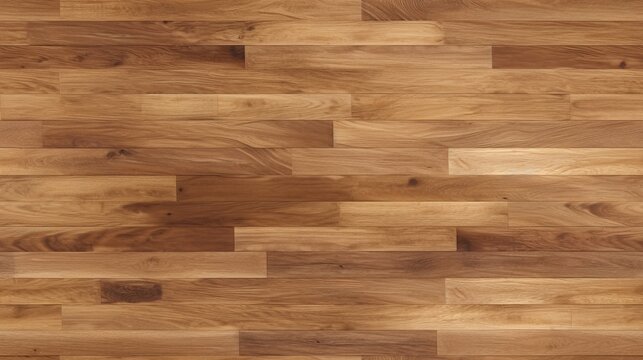
Seamless wood flooring texture adds warmth and style to any room. It creates a smooth, continuous look that feels natural and inviting. This texture hides joints well, making floors appear flawless. Choosing the right wood texture can enhance your space’s beauty and comfort.
Easy to clean and maintain, it suits busy homes perfectly. With many options available, finding a seamless wood floor fits every taste and budget. Embrace the charm of seamless wood flooring for a timeless, elegant finish.