When it comes to transforming your space, the right floor tile texture can make all the difference. Imagine a flawless, seamless surface that not only looks stunning but also feels natural underfoot—no awkward breaks or mismatched patterns to distract your eye.
Whether you’re designing a modern kitchen, a cozy bathroom, or a stylish living area, discovering the perfect seamless floor tile texture is key to achieving that polished, professional look. You’ll learn how seamless floor tile textures can elevate your interiors, where to find high-quality options, and tips to choose the best design for your home or project.
Ready to explore textures that blend beauty with functionality? Keep reading, and let’s get your floors looking flawless.
Credit: architextures.org
Seamless Floor Tile Basics
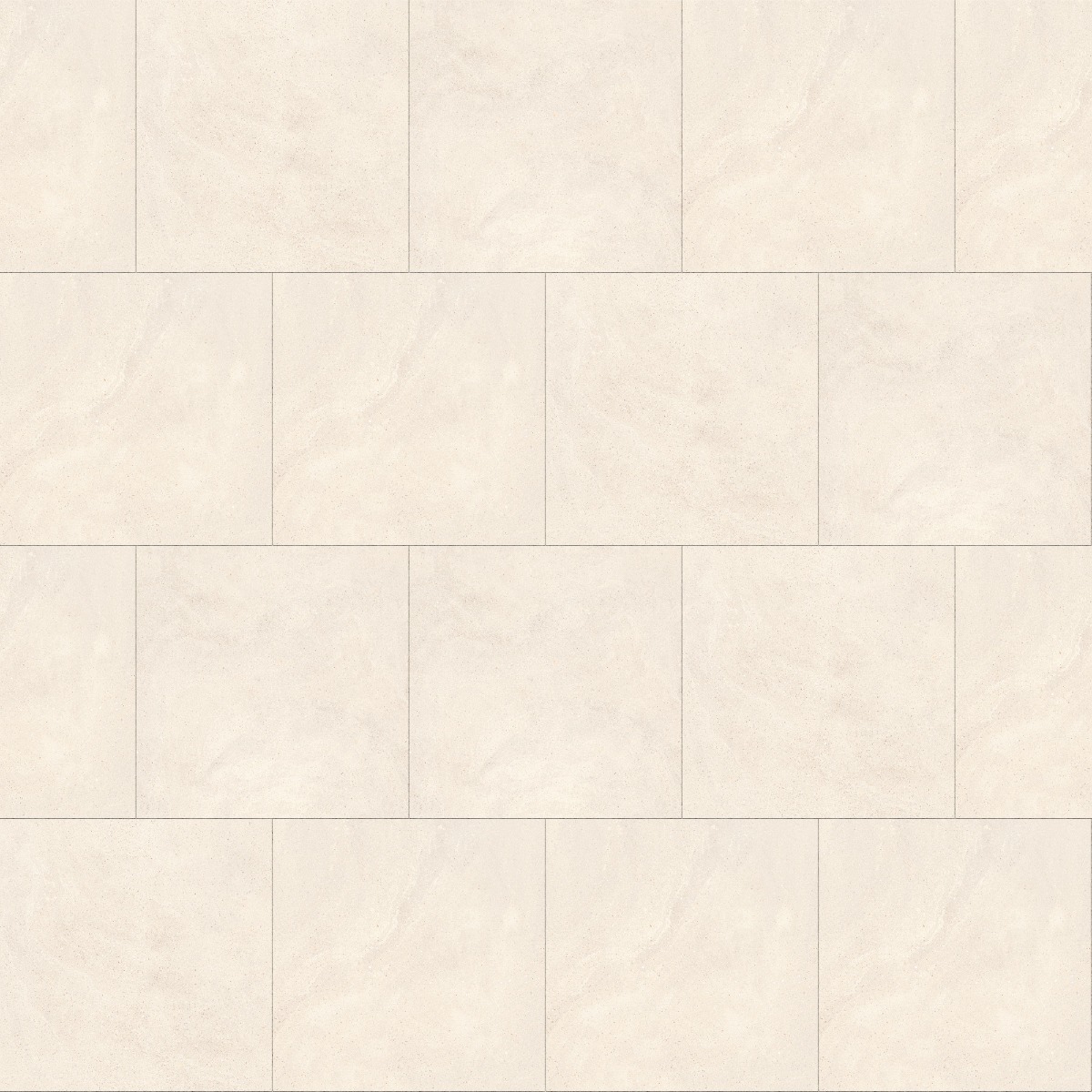
Seamless floor tile textures create a smooth, continuous look for floors. They help designs flow without visible breaks. This style suits both real tiles and digital designs. Understanding the basics of seamless floor tile texture improves your choice and use.
Seamless patterns give floors a clean, polished feel. They often mimic natural materials or geometric shapes. These textures enhance any room’s style while keeping surfaces easy to maintain.
What Makes A Texture Seamless
A seamless texture repeats without visible edges or lines. Tiles fit perfectly side by side. The pattern flows naturally in all directions. This effect hides where one tile ends and the next begins. It requires careful design and alignment. Seamless textures avoid breaks that disrupt the visual flow.
Common Tile Materials And Surfaces
Popular tile materials include ceramic, porcelain, stone, and marble. Each offers unique texture options. Ceramic tiles can have smooth or rough finishes. Porcelain is dense and often has fine details. Stone tiles show natural veins and grains. Marble tiles offer elegant, glossy surfaces. All these materials work well with seamless patterns.
Benefits Of Seamless Patterns
Seamless tile textures create a uniform look. They make small spaces appear larger and cleaner. These patterns reduce visual clutter on floors. Maintenance becomes easier with fewer visible grout lines. Seamless designs also hide dirt and wear better. They provide a stylish, modern look for any room.
Designing Perfect Tile Patterns
Designing perfect tile patterns transforms ordinary floors into stunning works of art. Seamless floor tile textures create a continuous flow that enhances any room’s look. Choosing the right combination of texture, color, and material brings harmony and style to your space. Thoughtful design ensures tiles complement both the architecture and the décor.
Choosing The Right Texture Style
Texture defines the feel and appearance of floor tiles. Smooth tiles offer a sleek, modern look that reflects light well. Rough or matte textures add depth and hide dirt better. Consider the room’s use and lighting when selecting texture. High-traffic areas benefit from slip-resistant textures. Seamless texture patterns help create a balanced and unified floor design.
Color And Finish Considerations
Color sets the mood and style of your floor. Light colors make spaces feel larger and brighter. Dark colors add warmth and a cozy feel. Matte finishes reduce glare and hide scratches better than glossy ones. Glossy finishes reflect light and give a polished look. Combining different colors and finishes can create interesting patterns and visual effects.
Incorporating Natural Stone And Marble
Natural stone and marble add elegance and timeless beauty to floors. Their unique veins and patterns create natural seamless textures. Stone tiles bring durability and a rustic charm. Marble tiles offer a smooth, luxurious surface with subtle color variations. Use these materials to enhance classic or contemporary interiors. Proper sealing protects stone and marble from stains and wear.
Creating Seamless Textures
Creating seamless floor tile textures requires skill and attention to detail. Seamless textures ensure that tiles repeat without visible edges or breaks. This creates a smooth and natural look on floors. A well-made seamless texture improves the realism of 3D models and architectural visuals. It saves time during design and makes the final result more professional.
Tools For Texture Creation
Several tools help create seamless floor tile textures. Graphic editors like Adobe Photoshop allow editing and blending tile edges. Programs such as GIMP offer free alternatives for texture work. Specialized tools like Substance Painter provide features to paint directly on 3D models. These tools help artists remove visible seams and adjust color and detail. Choosing the right tool depends on your project needs and skill level.
Techniques For Seamless Repetition
Start by selecting a tile image with even lighting and detail. Use the offset filter to shift the image and reveal seams. Blend the edges using cloning or healing brushes to hide borders. Check the pattern by repeating the texture in a grid. Adjust colors and shadows to maintain uniformity. Testing the texture on a 3D surface helps spot flaws. Repeating this process creates a perfect seamless tile texture.
Using Software Like Sketchup And Substance Painter
SketchUp offers plugins and tools for applying seamless textures on 3D models. It allows easy placement and adjustment of floor tiles in scenes. Substance Painter lets users paint textures directly on models with tileable brush options. It supports real-time preview of seamless repetition on surfaces. Both programs support exporting textures for use in other design software. Combining these tools enhances texture quality and workflow efficiency.
Credit: www.msisurfaces.com
Applying Seamless Textures
Applying seamless textures to floor tiles enhances the realism of 3D designs. Seamless textures allow patterns to repeat without visible edges. This technique creates smooth, continuous surfaces that look natural. It saves time by avoiding manual tile alignment. Proper application ensures the texture fits well with the model’s shape and lighting.
Integrating Textures In 3d Models
Start by importing the seamless texture into your 3D software. Assign the texture to the floor surface or material slot. Use UV mapping to control how the texture wraps around the tile. Check the model from different angles to spot any texture distortion. Fix stretching by adjusting the UV layout. Proper integration helps maintain the tile’s realistic look.
Best Practices For Realistic Rendering
Use high-resolution seamless textures for clear details. Add bump or normal maps to create depth on the tile surface. Adjust the material’s reflectivity to match tile type, like matte or glossy. Set proper lighting to highlight texture features naturally. Avoid repeating patterns that look artificial. Blend textures softly at edges for smooth transitions.
Adjusting Scale And Orientation
Match the texture scale to the actual tile size in real life. Too large or small textures break the illusion of realism. Rotate textures to align with the tile’s natural grain or pattern. Use random rotation in tile arrays to avoid uniformity. Scale and orientation adjustments make the floor appear authentic and detailed. These tweaks improve visual appeal in any scene.
Sources For High-quality Textures
Finding high-quality floor tile texture seamless patterns is key for realistic designs. Good textures save time and improve project results. Many online sources offer a variety of textures for different needs. Choosing the right source ensures clear, detailed, and authentic tile patterns for your work.
Top Online Texture Libraries
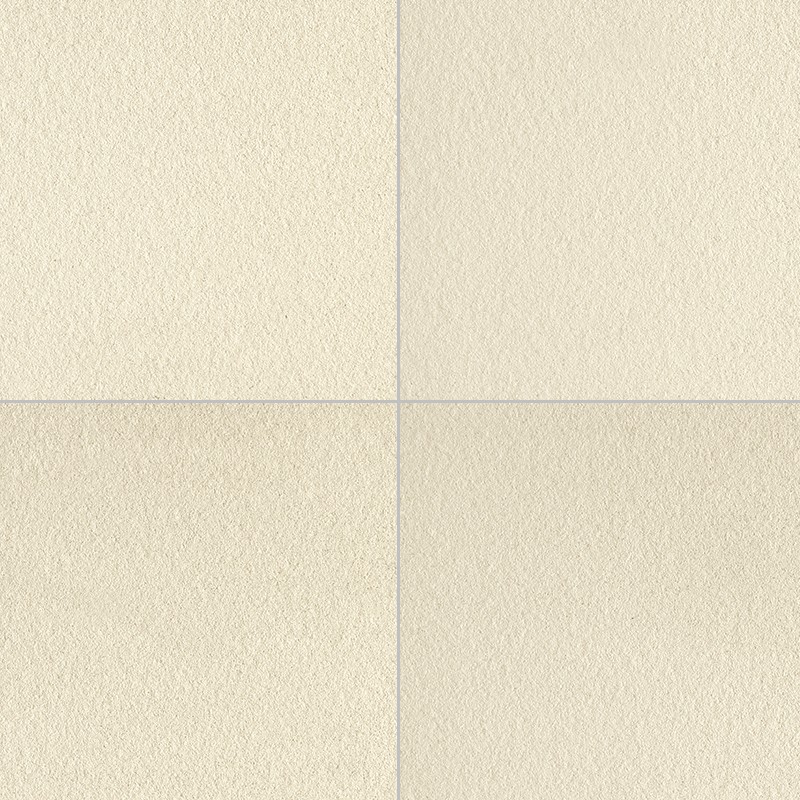
Several websites host large collections of seamless tile textures. SketchUp Texture Club offers many free and premium floor tile textures. Adobe Stock provides high-resolution textures with a professional touch. Architextures features detailed and realistic tile surface patterns. Poliigon is known for quality textures suitable for 3D projects. Each library has unique styles and file formats.
Free Vs. Premium Resources
Free textures are ideal for simple or small projects. They often have lower resolution and fewer options. Premium resources deliver higher resolution and exclusive designs. They come with licenses for commercial use. Premium textures save time with ready-to-use seamless patterns. Always check usage rights before downloading any texture.
Tips For Finding Authentic Patterns
Look for textures that repeat smoothly without visible edges. Check if the texture matches real tile surfaces in color and detail. Use textures with proper lighting and shadows for depth. Download samples and test textures before final use. Read reviews or user feedback to verify quality and authenticity.
Maintenance And Durability
Floor tile texture seamless designs offer both beauty and practical benefits. Their maintenance and durability are key factors for lasting appeal. Proper care keeps tiles looking fresh and prevents damage. Understanding how to maintain these surfaces ensures they withstand daily wear. This section explores simple ways to care for different tile surfaces, protect patterns, and clean seamless floors effectively.
Caring For Different Tile Surfaces
Each tile type needs specific care. Porcelain tiles resist stains and scratches well. Use mild soap and water for cleaning. Avoid harsh chemicals that can dull the finish. Natural stone tiles require sealing to protect against moisture. Clean with pH-neutral cleaners only. Ceramic tiles are easy to maintain with regular sweeping. Wipe spills quickly to prevent stains. Knowing your tile type helps choose the right cleaning method.
Ensuring Longevity Of Patterns
Seamless tile patterns rely on consistent upkeep. Avoid abrasive tools that wear down designs. Use soft brushes or cloths for cleaning. Limit exposure to harsh sunlight to prevent fading. Regularly check grout lines and repair cracks. Keeping grout sealed stops dirt buildup. Protect tiles from heavy impacts that cause chips. Small preventive steps extend the life of patterned floors.
Cleaning Seamless Tile Floors
Clean seamless tile floors gently to keep their texture intact. Sweep or vacuum to remove dust and grit. Mop with warm water and a mild detergent. Rinse thoroughly to avoid residue. Dry floors with a soft towel to prevent water spots. Use spot cleaning for tough stains. Avoid wax or oil-based cleaners that create slippery surfaces. Regular cleaning maintains the tile’s smooth, seamless look.
Trends In Floor Tile Textures
Floor tile textures shape the look and feel of any space. They bring style and comfort underfoot. Trends in floor tile textures change as designers and homeowners seek new ideas. Patterns, materials, and finishes evolve to reflect current tastes. This section explores key trends in floor tile textures, focusing on Austin, Texas, innovations, and eco-friendly choices.
Popular Patterns In Austin, Texas
Austin favors bold and unique tile patterns. Geometric shapes like hexagons and chevrons appear often. These patterns add energy and movement to floors. Natural stone textures remain popular for their timeless appeal. Wood-look tiles mimic real wood but offer better durability. Austin’s vibrant culture inspires colorful and artistic tile designs. Many prefer seamless textures for a smooth, continuous floor appearance.
Innovations In Tile Manufacturing
New technology improves tile texture quality and variety. Digital printing allows detailed, high-resolution patterns on tiles. This method creates realistic textures like wood, stone, and fabric. Advanced glazing techniques add depth and shine. Manufacturers develop slip-resistant surfaces for safety in homes and public places. Lightweight tiles reduce installation time and labor costs. Innovations focus on combining beauty with practical benefits.
Eco-friendly And Sustainable Options
Sustainability drives tile production trends worldwide. Recycled materials, such as glass and porcelain, form eco-friendly tiles. These reduce waste and lower environmental impact. Natural clay and earth-based tiles gain attention for their low energy use. Many brands offer tiles free from harmful chemicals. Water-saving manufacturing processes support green building goals. Choosing sustainable floor tiles helps protect the planet and ensures healthier indoor air quality.
Credit: www.sketchuptextureclub.com
Frequently Asked Questions
What Is Floor Tile Texture Seamless?
Floor tile texture seamless means tile patterns that repeat without visible edges. This creates a smooth, continuous look ideal for digital designs and realistic renderings.
Why Use Seamless Floor Tile Textures?
Seamless textures save time and effort by avoiding visible seams. They enhance design quality and realism in architectural visualization and 3D modeling.
How To Create Seamless Floor Tile Textures?
Create seamless textures by carefully aligning tile edges in graphic software. Use tools like Photoshop or SketchUp to ensure perfect repetition without gaps.
Where To Find High-quality Seamless Tile Textures?
You can find top seamless tile textures on sites like SketchUp Texture Club, Adobe Stock, and Poliigon, offering diverse styles and free or paid downloads.
Conclusion
Seamless floor tile textures add style and ease to any design. They create smooth, natural looks without visible edges. Using these textures helps save time in projects. Many sources offer diverse, high-quality seamless tile options. Choose textures that fit your space and taste best.
Simple, clean designs bring lasting beauty to floors. Explore seamless tile textures to enhance your next project.