Imagine turning your unused attic into a stylish and functional bathroom that adds both comfort and value to your home. If you’ve been wondering how to make the most of that cozy space under the roof, you’re in the right place.
Attic bathroom design ideas can transform what feels like a hidden corner into a bright, inviting retreat tailored just for you. Whether you want a sleek modern look or a charming rustic vibe, this guide will help you unlock creative solutions that fit your space and budget.
Ready to discover how to bring your attic bathroom dreams to life? Let’s dive in and explore inspiring ideas that will make you excited to start your project.
:strip_icc()/76892691_791045858079802_5817815699618136890_n-2f17a970e25d4d09b3b19a60a5a82850.jpg)
Credit: www.mydomaine.com
Maximizing Small Attic Bathrooms
Small attic bathrooms pose unique challenges. The sloped ceilings limit headroom. Space feels tight. Clever design makes these bathrooms functional and pleasant. Smart choices help maximize every inch available. Thoughtful planning transforms cramped areas into cozy, efficient bathrooms.
Space-saving Fixtures
Choose compact sinks and toilets designed for small spaces. Corner sinks fit well in angled walls. Wall-mounted toilets free up floor space. Shower stalls with sliding doors save room. Avoid bulky bathtubs to maintain openness. Use fixtures with clean lines to reduce visual clutter.
Creative Storage Solutions
Use built-in shelves under sloped ceilings. Floating shelves keep floors clear and add storage. Install medicine cabinets with mirrors to combine storage and function. Hooks and racks on doors hold towels and robes. Small baskets help organize toiletries neatly. Custom cabinets fit odd spaces perfectly.
Light And Color Choices
Bright colors make small spaces feel larger. Soft pastels or white reflect light well. Use light-colored tiles and paint on walls and ceiling. Add mirrors to multiply natural and artificial light. Skylights provide daylight without sacrificing privacy. Good lighting reduces shadows and opens up the room.
Popular Attic Bathroom Styles
Attic bathrooms offer unique spaces to express style and creativity. Choosing the right design style can turn an attic bathroom into a cozy retreat or a sleek, modern space. Popular attic bathroom styles blend functionality with aesthetics. Each style suits different tastes and attic layouts. Explore these popular styles to find your perfect attic bathroom look.
Rustic Charm
Rustic charm brings warmth and natural beauty to attic bathrooms. Exposed wooden beams and rough-hewn wood add character. Earthy tones and stone accents create a cozy feel. Vintage fixtures and clawfoot tubs enhance the rustic vibe. This style suits attics with sloped ceilings and natural light. It creates a welcoming, cabin-like atmosphere.
Modern Minimalism
Modern minimalism focuses on clean lines and simplicity. Neutral colors and smooth surfaces keep the space open and bright. Frameless glass showers and floating vanities add sleekness. Minimal fixtures reduce clutter and enhance function. This style fits small attic bathrooms well. It makes the attic look larger and more organized.
Vintage Elegance
Vintage elegance adds timeless beauty to attic bathrooms. Classic tiles, ornate mirrors, and antique lighting create charm. Soft pastel colors and floral patterns bring softness. Freestanding tubs and traditional faucets highlight elegance. This style suits attics with classic architecture. It offers a graceful, nostalgic bathroom experience.
Scandinavian Simplicity
Scandinavian simplicity combines function with light and space. White walls and light wood create brightness. Simple, practical fixtures enhance usability. Natural textiles and minimal decor add warmth. This style works well in small or awkward attic spaces. It promotes calmness and clean design.
Structural Considerations
Designing a bathroom in your attic requires careful structural planning. Attics often have unique challenges because of their shape and support systems. Understanding these structural elements helps create a safe, functional space. Focus on the key areas below to ensure your attic bathroom stands strong and looks great.
Floor Reinforcement
Attic floors usually cannot support heavy bathroom fixtures without help. Reinforcing the floor is essential to hold bathtubs, showers, and cabinets safely. This may involve adding extra joists or strengthening existing ones. A strong floor prevents damage and keeps your bathroom stable over time.
Roofline And Dormers
The roof shape affects the space and headroom in your bathroom. Adding dormers can increase height and natural light. Dormers also create extra wall space for fixtures and storage. Careful planning of the roofline improves comfort and design options in your attic bathroom.
Window Placement
Windows bring light and ventilation to your attic bathroom. Position windows to maximize daylight and fresh air flow. Consider privacy and moisture control when choosing window types and locations. Well-placed windows enhance the bathroom’s atmosphere and help reduce dampness.
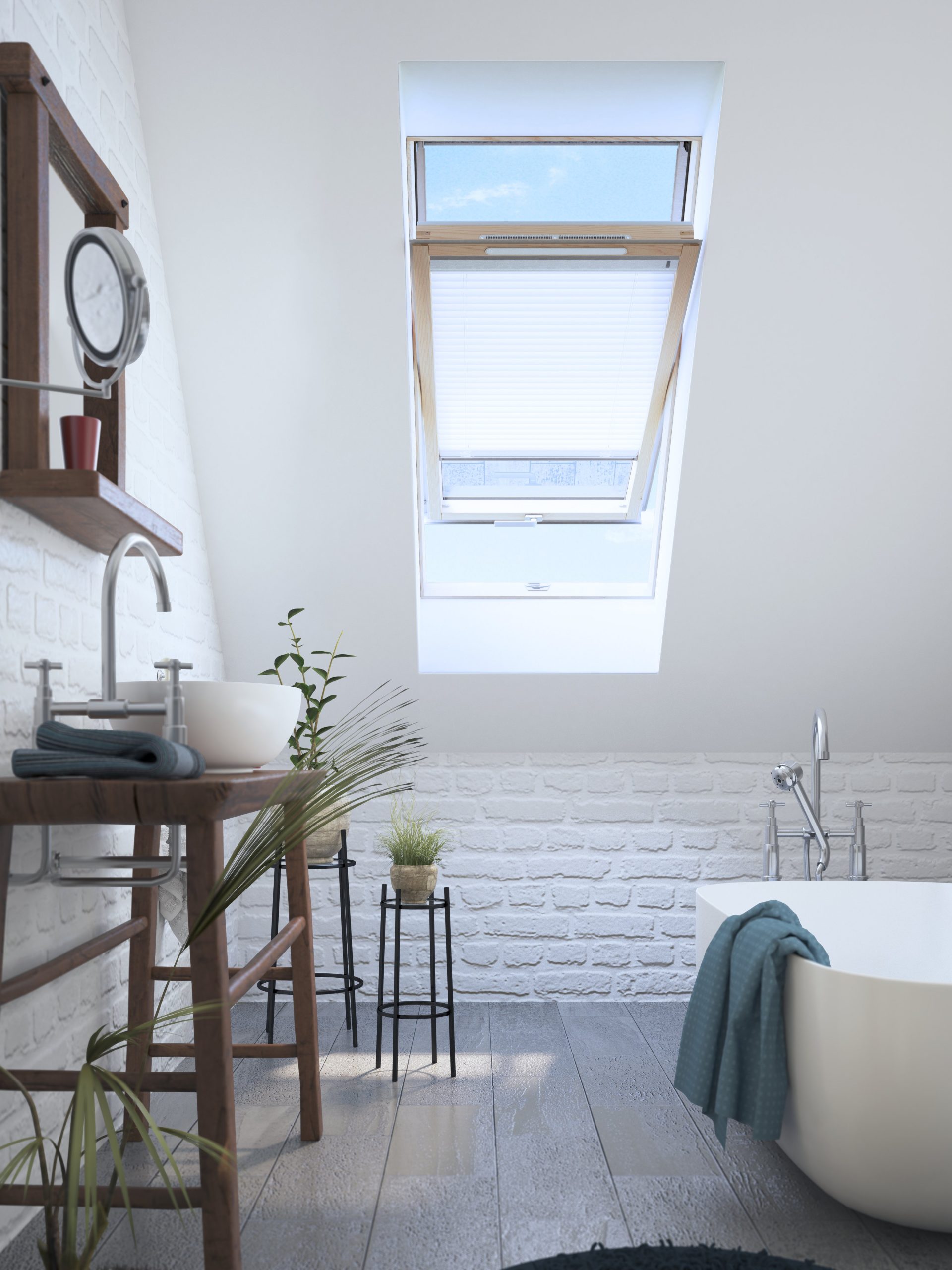
Credit: dakea.co.uk
Plumbing And Electrical Challenges
Adding a bathroom in the attic creates unique plumbing and electrical challenges. Space is limited and ceilings often slope. Careful planning helps fit pipes and wiring without damage. These systems must meet safety codes and work efficiently in tight spaces.
Routing Pipes And Wiring
Running pipes and wiring in an attic is tricky. Pipes need slope for drainage and must avoid freezing. Electrical wires must connect to the main panel safely. Finding space between joists and beams requires skill. Using flexible pipes and cables can ease installation. Professional help ensures code compliance and long-lasting results.
Ventilation Needs
Proper ventilation prevents moisture buildup and mold. Attic bathrooms need vents that lead outside. Installing exhaust fans removes humid air quickly. Vent placement depends on roof shape and attic size. Adding windows can improve air flow but may not be enough. Ventilation design keeps the space dry and fresh.
Heating And Cooling Options
Temperature control in attic bathrooms is important. Attics can get very hot or cold. Radiant floor heating provides even warmth without bulky units. Electric heaters fit small spaces easily. Cooling options include small vents or portable fans. Proper insulation also helps maintain comfort year-round.
Choosing Materials And Fixtures
Choosing the right materials and fixtures shapes your attic bathroom’s look and function. The attic’s unique space needs special care. Materials must handle moisture and temperature changes well. Fixtures should save space but stay stylish. Thoughtful choices keep your bathroom safe and beautiful.
Durable Flooring
Flooring in attic bathrooms must be strong and long-lasting. Wood and laminate offer warmth but need sealing. Vinyl and tile resist water and wear well. Choose materials that handle foot traffic and spills. A sturdy floor prevents damage and saves money later.
Moisture-resistant Walls
Walls face steam and water splashes daily. Use moisture-resistant drywall or cement board. These materials stop mold and warping. Tiles or waterproof paint add extra protection. Proper wall materials keep your attic bathroom fresh and healthy.
Stylish Faucets And Accessories
Faucets and accessories add charm and function. Opt for compact, wall-mounted faucets to save space. Look for finishes like brushed nickel or chrome for a modern look. Matching towel bars and soap dishes complete the design. Stylish fixtures make your bathroom inviting and practical.
Budgeting For Attic Bathroom Projects
Planning an attic bathroom requires careful budgeting. Attic conversions can be costly without proper financial preparation. Understanding the costs involved helps prevent surprises and keeps the project on track. Knowing what to expect allows better decision-making for design and materials.
Cost Factors
Plumbing and electrical work often cost the most. Running new pipes and wiring to the attic adds expense. Structural changes like floor reinforcement or dormers also increase costs. The quality of materials and fixtures affects the budget. HVAC and ventilation installation is necessary for comfort. Labor charges vary based on project complexity. Permits and inspections required by local laws add fees too.
Estimating Expenses
Start by listing major components: plumbing, electrical, materials, labor, permits. Research local prices for each item and service. Get quotes from contractors to compare costs. Add a contingency of 10-20% for unexpected expenses. Break down costs by phases to track spending easily. Use online tools or budgeting apps to organize estimates.
Tips For Saving Money
Choose standard fixtures instead of custom designs. Keep plumbing close to existing lines to reduce work. Do some demolition or painting yourself to cut labor costs. Buy materials during sales or clearance events. Consider secondhand or refurbished items for less. Limit structural changes to essentials only. Consult multiple contractors to find competitive rates.
Diy Vs Professional Help
Deciding between DIY and professional help for your attic bathroom design impacts cost, time, and quality. Many homeowners try small projects themselves. Bigger tasks often need expert skills. Understanding when to hire pros helps avoid costly mistakes. Attic spaces pose unique challenges, like sloped ceilings and plumbing access. Weigh your experience and the job’s complexity carefully.
When To Hire Contractors
Hire contractors for plumbing, electrical, and structural work. These require licenses and expertise. Complex layouts or adding windows need skilled hands. Contractors ensure safety and code compliance. If the attic has limited space, experts can optimize design. Mistakes in these areas cause leaks or damage. Professionals also speed up the project timeline.
Managing Permits And Inspections
Permits protect your investment and guarantee legal work. Local rules often require inspections for new bathrooms. Professionals know which permits apply and how to get them. They handle paperwork and schedule inspections. DIYers risk fines or having to redo work. Permits cover plumbing, electrical, and structural changes. Proper inspections ensure safety and home value.
Finding Reliable Professionals
Start with recommendations from friends or local listings. Check online reviews and ratings. Verify licenses and insurance before hiring. Ask for past project photos or references. Clear communication avoids misunderstandings. Get detailed quotes and timelines in writing. Trustworthy professionals stick to budgets and deadlines. Good contractors provide warranties for their work. Choose those familiar with attic bathroom projects.
Inspiration From Real Attic Bathrooms
Attic bathrooms offer unique charm and style. Real attic bathrooms show how to turn tight spaces into stunning, practical areas. They inspire homeowners with creative ideas that make the most of angled ceilings and small footprints. These examples highlight clever solutions and beautiful designs that fit attic spaces perfectly.
Cozy Retreats
Many attic bathrooms create a warm, inviting space. Soft lighting and natural materials add comfort. Wood accents and plush textiles make the bathroom feel like a private retreat. Skylights bring in natural light, enhancing the cozy atmosphere. These bathrooms serve as peaceful spots to relax after a long day.
Bold Color Palettes
Some attic bathrooms use strong colors to make a statement. Deep blues, emerald greens, or rich reds add personality. Colorful tiles and painted walls brighten the small space. These bold choices break the usual neutral bathroom trend. The result is a lively, energetic room that stands out.
Innovative Layouts
Attic bathrooms often require creative layouts to fit irregular spaces. Designers use corner sinks, angled showers, and compact storage to maximize space. Some add built-in shelves or niches in sloped walls. These smart layouts improve usability without crowding the room. The design turns attic challenges into clever solutions.
:strip_icc()/244527990_181554260689690_5970499866879024174_n-e9987cc223a1461baedac0b45c3ce605.jpg)
Credit: www.mydomaine.com
Frequently Asked Questions
How Much Does It Cost To Build A Bathroom In The Attic?
Building a bathroom in the attic typically costs between $15,000 and $40,000. Plumbing, electrical work, and structural changes affect the price. Choosing budget-friendly materials and getting multiple contractor quotes help manage expenses effectively.
What Is The Golden Rule For Bathroom Layouts?
The golden rule for bathroom layouts ensures fixtures are functional, accessible, and maintain privacy while maximizing space and flow.
What Is The Trend In Bathrooms For 2025?
Bathroom trends for 2025 emphasize eco-friendly materials, smart technology, minimalist designs, and spa-like features for comfort and efficiency.
Can You Make A Bathroom In The Attic?
Yes, you can create a bathroom in the attic by ensuring proper plumbing, ventilation, and structural support. Planning and permits are essential.
Conclusion
Attic bathroom design offers a unique way to add comfort and style. Use light colors to brighten small spaces. Choose fixtures that save space but provide full function. Natural light can make your attic bathroom feel larger. Plan carefully to avoid costly plumbing and structural changes.
Simple ideas often create the best results. Your attic can become a cozy, practical bathroom retreat. Start with small steps and enjoy your new space.