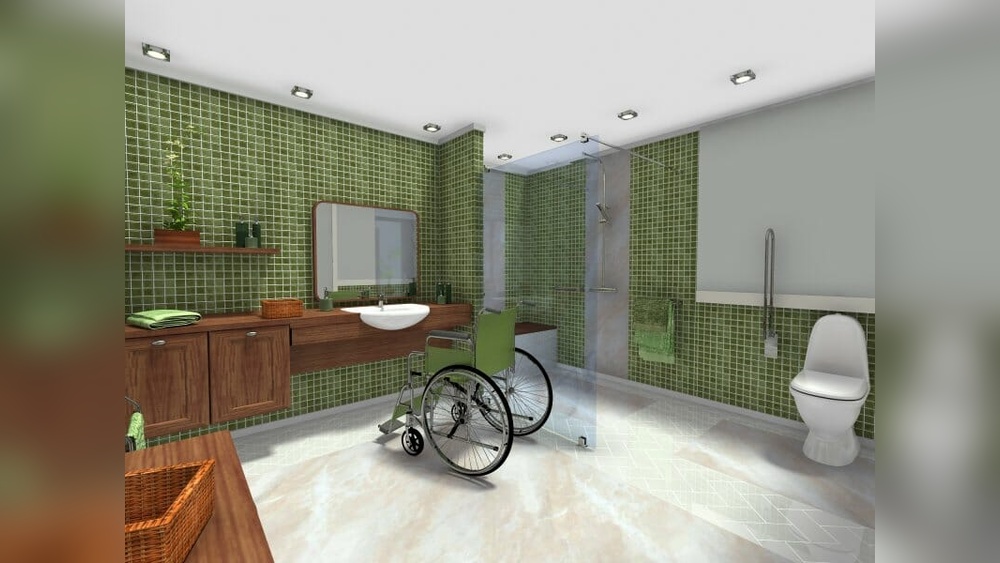

Designing a bathroom that truly works for you means thinking beyond style—it means creating a space where comfort, safety, and independence come first. If you or a loved one uses a wheelchair, your bathroom needs to be more than just functional; it must be fully accessible.
Imagine moving freely without obstacles, reaching everything you need with ease, and feeling confident every time you step inside. This guide to wheelchair accessible bathroom design will help you transform your bathroom into a welcoming, practical space tailored to your needs.
Keep reading to discover simple yet powerful design tips that make a real difference in daily life.
Design Essentials
Accessible fixtures are essential in a wheelchair accessible bathroom design. They provide comfort and ease for users with mobility challenges. These fixtures focus on usability, safety, and convenience.
Choosing the right fixtures helps create an inclusive space. It supports independence and reduces the need for assistance. Each fixture must meet specific height and space requirements to accommodate wheelchair users properly.
Wheelchair-friendly Sinks
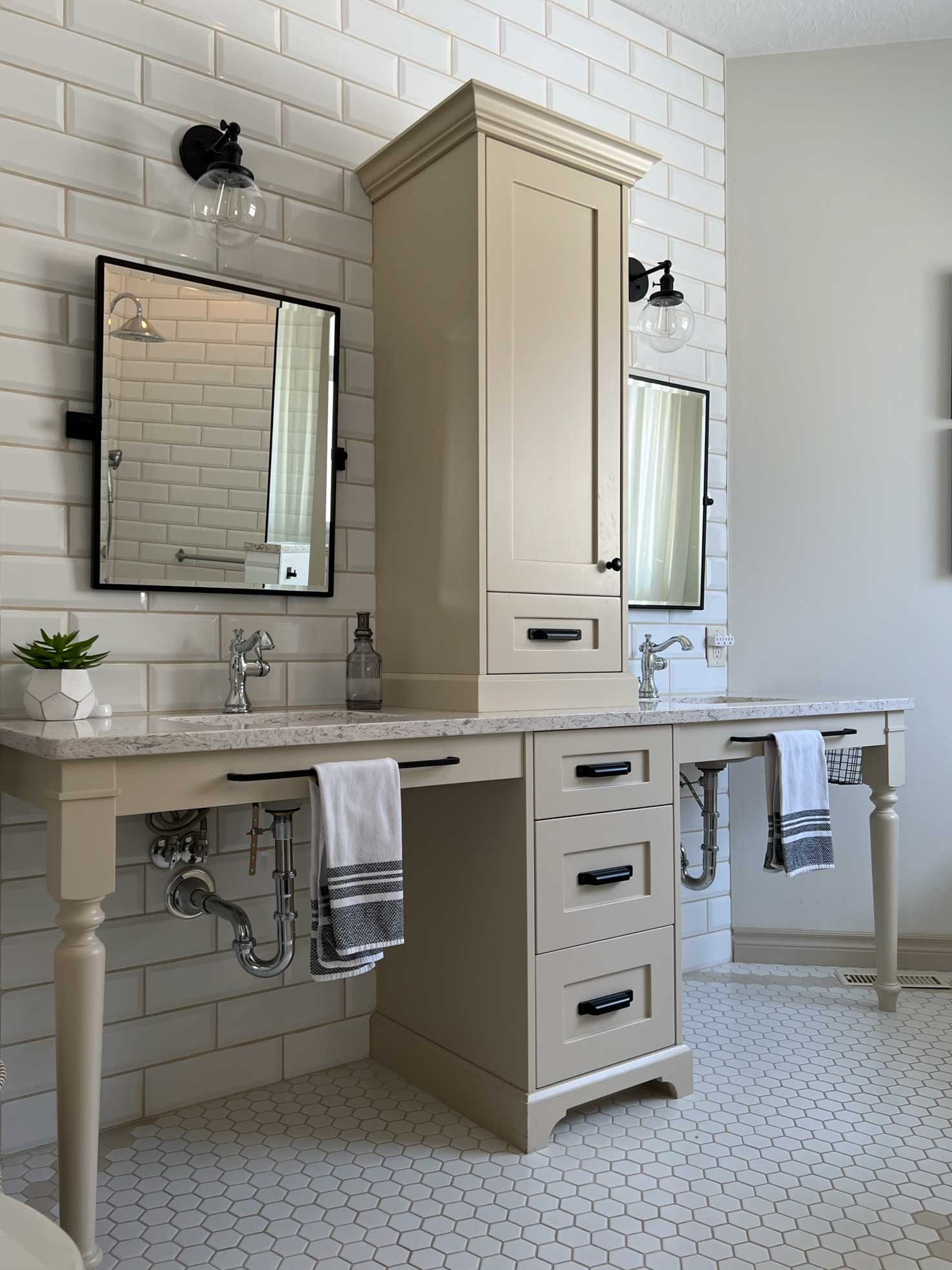
Wheelchair-friendly sinks have open space underneath for easy access. The sink height is lower than standard models to fit seated users. Lever or touchless faucets allow simple control without tight grip strength. Rounded edges reduce injury risks during transfers or movements. Clear space around the sink lets wheelchairs approach comfortably.
Comfort Height Toilets
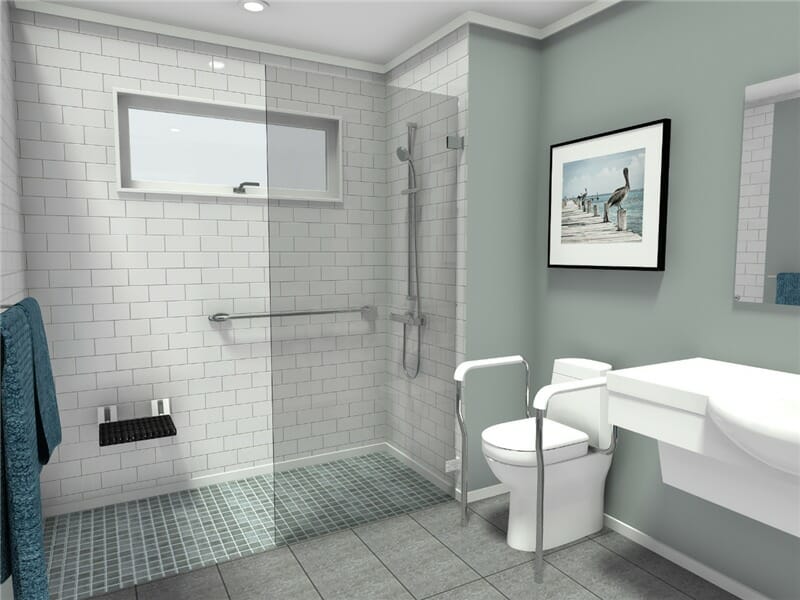
Comfort height toilets stand taller than regular toilets, about 17 to 19 inches high. This height eases sitting down and standing up from the seat. Grab bars nearby provide additional support and safety. The toilet design allows enough room around it for wheelchair side transfers. A sturdy seat and easy-to-reach flush controls improve usability.
Roll-in Showers
Roll-in showers have no threshold or step, allowing smooth entry with a wheelchair. They offer a wide, open space inside for maneuvering. A fold-down seat provides rest and stability during showering. Handheld showerheads with long hoses make washing easier. Slip-resistant flooring and grab bars enhance safety in wet areas.
Credit: www.roomsketcher.com
Accessible Fixtures
Designing a wheelchair accessible bathroom does not mean sacrificing style. Modern accessible bathrooms blend function with beauty. Stylish elements create a welcoming and comfortable space. These touches improve both look and usability. Focus on color, texture, lighting, and storage for a balanced design.
Color And Texture
Choose colors that brighten the space and add warmth. Soft, neutral tones work well for calmness. Use contrasting colors to highlight important features. Textures bring depth and interest to walls and floors. Non-slip tiles with subtle patterns improve safety and style. Mixing smooth and rough surfaces creates a pleasing contrast.
Lighting Solutions
Good lighting is vital in accessible bathrooms. Use bright, even light to reduce shadows. LED lights are energy-efficient and long-lasting. Wall-mounted lights near mirrors help with grooming tasks. Motion-sensor lights add convenience and save energy. Consider natural light sources to make the room feel open and airy.
Storage Options
Storage should be easy to reach from a wheelchair. Open shelves and pull-out drawers offer quick access. Use floating cabinets to keep floor space clear. Baskets and bins help organize small items neatly. Keep frequently used products within arm’s reach. Stylish storage solutions keep the bathroom tidy and functional.
Safety Features
Planning and layout form the foundation of a wheelchair accessible bathroom design. Thoughtful arrangement ensures safety, comfort, and ease of use. A well-planned space supports independence and reduces daily challenges.
Designing with clear goals helps create a bathroom that serves all users effectively. Focus on space, movement, and accessibility. These factors improve functionality and satisfaction.
Efficient Floor Plans
Efficient floor plans maximize usable space. Place fixtures to allow smooth movement between them. Keep pathways clear and wide enough for wheelchair access. Avoid clutter to reduce obstacles and hazards. Consider the location of doors and windows for natural light and ventilation.
Turning Radius Considerations
A wheelchair needs enough room to turn safely. The standard turning radius is usually 60 inches in diameter. Ensure open space near the sink, toilet, and shower. This space allows for easy maneuvering and avoids tight spots. Plan for extra space if larger wheelchairs or mobility devices are used.
Universal Design Principles
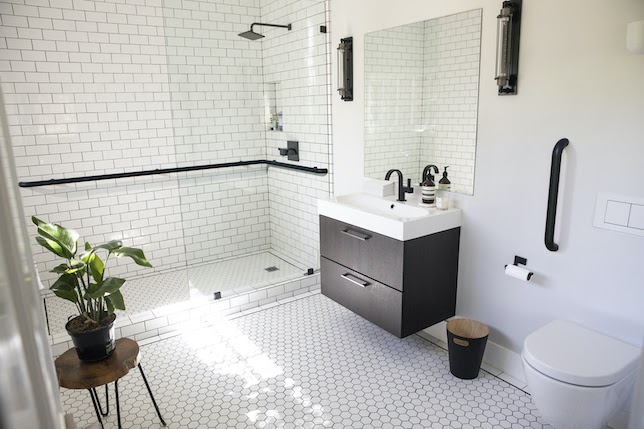
Universal design benefits everyone, not just wheelchair users. Include features like grab bars, adjustable-height fixtures, and non-slip flooring. Use lever handles instead of knobs for easier control. Design with clear sight lines and good lighting. This approach creates an inclusive, comfortable bathroom for all ages and abilities.
Credit: promenaid.com
Stylish Elements
Remodeling a bathroom for wheelchair accessibility requires careful planning. It ensures safety, comfort, and independence. This section offers practical tips to guide your renovation process. Follow these steps to create a functional and stylish space.
Hiring Professionals
Choose experienced contractors who understand accessibility needs. They know building codes and ADA standards. Professionals can suggest smart design solutions. Their skills help avoid costly mistakes. Trusting experts ensures the project runs smoothly. Communication is key to meet your specific requirements.
Material Selection
Select materials that are durable and easy to clean. Non-slip flooring prevents accidents and improves safety. Choose grab bars and fixtures made from sturdy materials. Opt for moisture-resistant paint to protect walls. Look for finishes that resist mold and mildew. These choices make maintenance easier and extend bathroom life.
Phased Renovations
Consider doing the remodel in stages if needed. This approach spreads out costs and reduces disruption. Start with critical features like wider doorways and grab bars. Next, update the shower and sink for accessibility. Finally, add finishing touches like lighting and storage. Phased work allows time to adjust plans as needed.
Credit: erinzubotdesign.com
Frequently Asked Questions
What Are Key Features Of Wheelchair Accessible Bathrooms?
Key features include wide doorways, roll-in showers, grab bars, and lowered sinks. These elements ensure ease of movement and safety for wheelchair users.
How Wide Should A Wheelchair Accessible Bathroom Door Be?
Doors should be at least 32 inches wide to accommodate most wheelchairs. This width allows smooth entry and exit without obstruction.
What Is The Ideal Layout For Accessible Bathroom Design?
An open floor plan with clear turning space of 60 inches diameter is ideal. This space lets wheelchair users maneuver comfortably inside the bathroom.
Which Fixtures Are Best For Wheelchair Accessible Bathrooms?
Wall-mounted sinks, comfort-height toilets, and lever-style faucets offer better accessibility. These fixtures provide convenience and ease of use for individuals in wheelchairs.
Conclusion
Designing a wheelchair accessible bathroom improves safety and comfort. It supports independence and daily ease for users. Thoughtful layouts and proper fixtures make a big difference. Simple changes create a welcoming, usable space for everyone. Prioritize accessibility to enhance quality of life at home.
Small updates can lead to greater freedom and peace. Embrace inclusive design for a bathroom that works well. Accessibility benefits all family members and visitors alike.