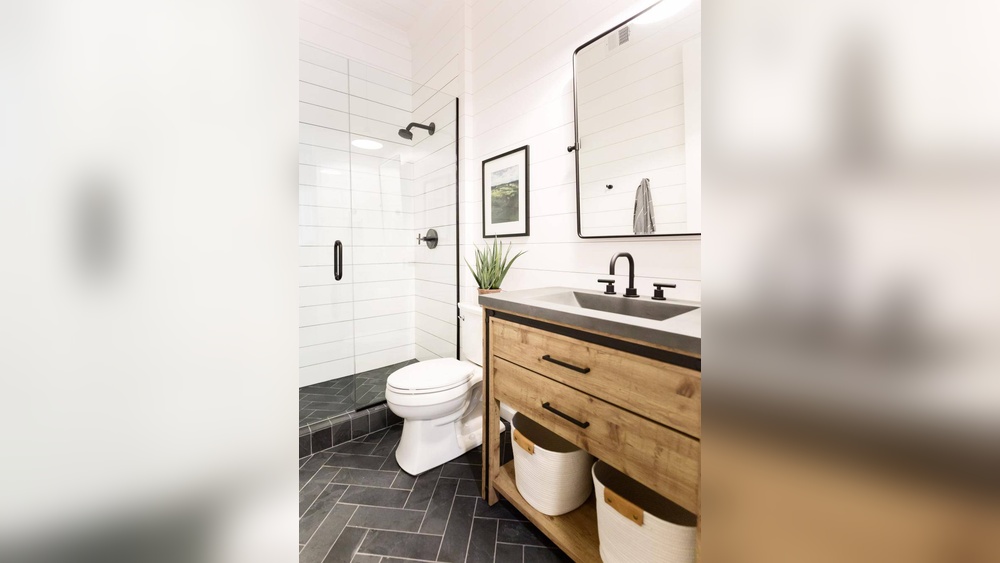

Thinking about adding a bathroom to your basement? Whether you want a private space for guests or a convenient spot for family members, a well-designed basement bathroom can transform your home’s comfort and value.
But how do you make a basement bathroom feel bright, spacious, and stylish without breaking the bank? In this guide, you’ll discover practical design ideas that maximize light and space, smart fixture choices, and essential tips to tackle common basement challenges like ventilation and moisture.
Keep reading to learn how you can create a beautiful, functional basement bathroom that fits your style and budget perfectly.
Light Colors And Brightness
Light colors and brightness transform a basement bathroom into a welcoming, airy space. Basements often lack windows and natural light, making the room feel small and dark. Using light shades and smart lighting choices can brighten the space and make it appear larger. This approach enhances comfort and usability, creating a fresh atmosphere below ground level.
Choosing Light Paint Shades
Pick soft, light colors for walls and ceilings. Whites, pale blues, and light grays reflect light well. These shades open up the room visually. Avoid dark colors that absorb light and make the space feel cramped. Matte or eggshell finishes reduce glare while keeping the room bright.
Layered Lighting Options
Combine different light sources to brighten every corner. Use ceiling lights, wall sconces, and vanity lights together. This layering reduces shadows and adds depth. Install dimmers to adjust brightness for different moods. Bright, even lighting improves functionality and safety.
Using Mirrors To Expand Space
Mirrors reflect light and create a sense of depth. Place a large mirror above the sink or on a wall opposite the light source. Mirrored cabinets add storage and brightness. Multiple mirrors can bounce light around the room, making it feel more open and spacious.
Incorporating Natural Light
Bring in natural light whenever possible. Install a window if the basement layout allows. Consider a light well or solar tube to direct sunlight below ground. Natural light improves mood and highlights the bathroom’s features. Use sheer curtains or frosted glass for privacy without blocking light.
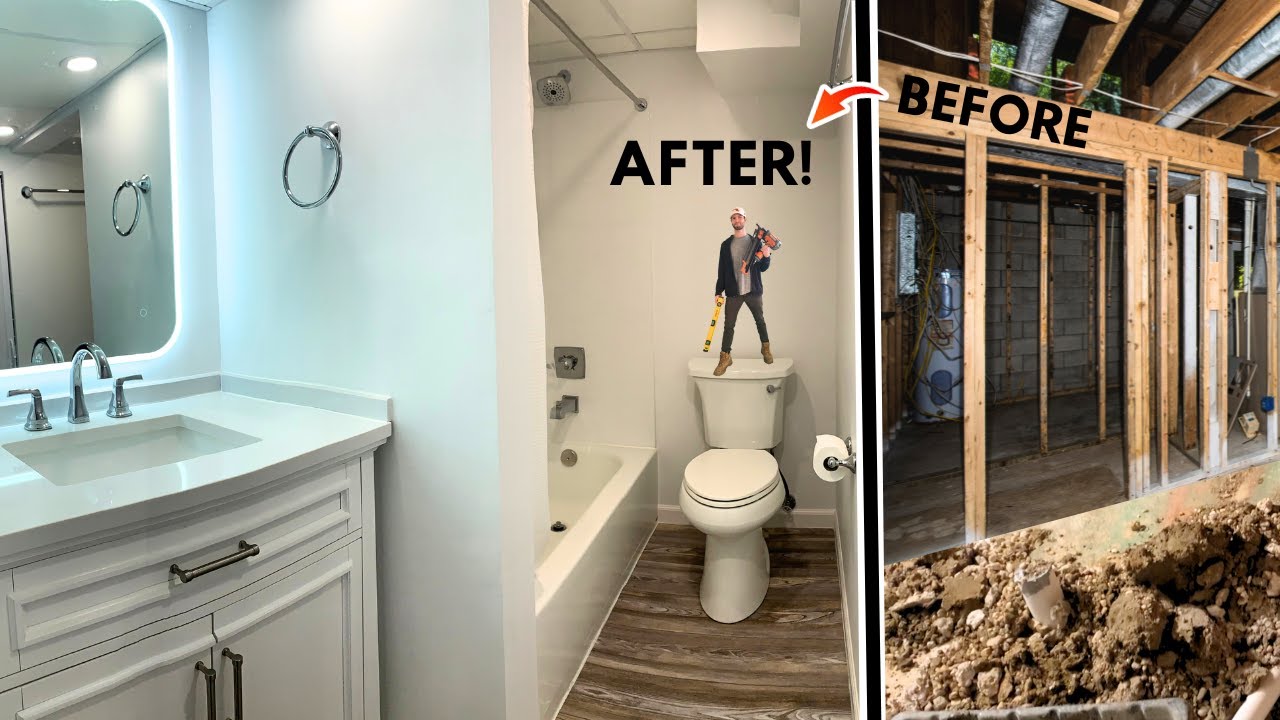
Credit: www.youtube.com
Space-saving Fixtures
Space is often tight in basement bathrooms. Choosing the right fixtures makes a big difference. Space-saving fixtures help maximize every inch without sacrificing style or function. They create a comfortable and efficient bathroom in small areas. Thoughtful fixture selection improves movement and usability in limited spaces.
Corner Walk-in Showers
Corner walk-in showers fit neatly into basement bathroom corners. They use space that might otherwise go unused. These showers often have glass walls that make the room feel larger. They provide easy access and a modern look. Installing a corner shower frees up floor space for other fixtures.
Floating Vanities
Floating vanities hang on the wall without touching the floor. This design opens up floor space and creates a light, airy feel. It makes cleaning easier under the vanity. Floating vanities often have drawers or shelves for storage. They are perfect for small basement bathrooms where space is limited.
Compact Toilets And Sinks
Compact toilets and sinks are smaller than standard models. They fit well in tight spaces while maintaining comfort. These fixtures come in many styles and shapes to suit any bathroom design. Choosing compact options frees up room for easier movement. They are practical for basement bathrooms with limited square footage.
Ventilation And Moisture Control
Adding a bathroom in a basement requires careful attention to ventilation and moisture control. Basements are prone to dampness and poor air circulation. This can lead to mold growth and damage to the bathroom structure. Effective ventilation helps keep the air fresh and dry. Moisture control protects the room from long-term problems.
Proper Ventilation Techniques
Install an exhaust fan with enough power for the bathroom size. The fan should vent outside, not into the attic or crawl space. Use a timer or humidity sensor to run the fan longer after showers. A window, if available, can improve air flow. Keep doors open when the bathroom is not in use to aid ventilation. Proper air movement reduces odors and moisture buildup.
Moisture And Mold Prevention
Use moisture-resistant materials like tile, vinyl, or waterproof paint on walls and floors. Seal all joints and cracks to prevent water seepage. Fix any leaks in plumbing quickly. Consider a dehumidifier to maintain low humidity levels below 60%. Regularly check for signs of mold or mildew and clean immediately. Keeping surfaces dry stops mold and keeps the bathroom healthy.
Plumbing Solutions
Adding a bathroom to a basement requires smart plumbing solutions. These solutions solve common challenges like drainage and water supply. Proper plumbing ensures the bathroom works well without costly repairs later. Here are key plumbing ideas to consider for your basement bathroom design.
Using Grinding Pumps
Grinding pumps help move wastewater uphill to the main sewer line. Basements often sit below the sewer level, so gravity drainage is not possible. These pumps grind solid waste into small particles. Then, they pump the waste through small pipes to the home’s main drain. Installing a grinding pump avoids costly changes to the basement floor. It also makes the bathroom installation faster and simpler.
Avoiding Concrete Floor Breakage
Breaking concrete floors to add plumbing can be expensive and messy. It may also weaken the basement’s foundation if done incorrectly. Using above-floor plumbing or special pumps can reduce the need to break concrete. This protects the floor and keeps the basement structure safe. Choosing plumbing options that avoid heavy floor work saves time and money.
Local Building Codes
Local building codes set rules for plumbing installations. These codes ensure safety and proper function of the bathroom. Before starting, check your city or county plumbing requirements. Codes may dictate pipe sizes, venting, and drainage methods. Following these rules avoids fines and delays in your project. Hiring a licensed plumber can help meet all local code standards.
Budget-friendly Ideas
Creating a beautiful basement bathroom does not require a large budget. Smart planning and simple choices keep costs low. Many budget-friendly ideas make your space functional and stylish.
Choosing the right materials, doing some work yourself, and picking smart layouts help save money. These tips make your basement bathroom project easier and affordable.
Affordable Materials
Use vinyl flooring instead of expensive tiles. Vinyl is water-resistant and easy to clean.
Opt for laminate countertops that look like stone but cost less. Choose basic ceramic tiles for walls to keep expenses down.
Buy fixtures like toilets and sinks from discount stores or online sales. This lowers your overall spending without sacrificing quality.
Diy Renovation Tips
Paint the walls yourself with moisture-resistant paint. It brightens the space and reduces labor costs.
Install simple shelves instead of custom cabinets. This adds storage and saves money.
Handle small plumbing tasks like replacing faucets or showerheads. This avoids hiring expensive professionals for minor work.
Cost-effective Layouts
Place the bathroom near existing plumbing lines. This reduces installation costs significantly.
Keep the layout compact with essential fixtures only. A small, efficient design uses less material and labor.
Consider a wet room style, combining shower and toilet areas. It saves space and cuts down on construction expenses.
Design Styles For Basements
Choosing the right design style transforms a basement bathroom into a cozy, functional space. Design styles set the tone and atmosphere of the room. They help the bathroom blend with the rest of the home or stand out as a unique area. Below are popular styles that work well in basement bathrooms.
Modern And Minimalist
Modern and minimalist designs use clean lines and simple shapes. They avoid clutter and keep the space open. Neutral colors like white, gray, and black are common. Fixtures often have sleek, smooth finishes. This style makes small basements feel larger and brighter. It creates a calm, organized space that suits many tastes.
Traditional Touches
Traditional designs bring warmth and comfort to basement bathrooms. They use classic fixtures such as pedestal sinks and clawfoot tubs. Wood accents and soft lighting add charm. Patterned tiles and vintage-style faucets create a timeless look. This style feels welcoming and familiar, making the basement bathroom cozy and inviting.
Bright And Airy Themes
Bright and airy styles focus on light and openness. Light colors like pastels, soft blues, and whites dominate. Large mirrors and good lighting enhance brightness. Glass shower doors and minimal window treatments keep the space open. This style fights the basement’s natural darkness. It makes the bathroom feel fresh, clean, and spacious.
Functional Layouts
Designing a basement bathroom requires careful planning. Functional layouts make the space comfortable and easy to use. Smart design helps avoid cramped areas and improves flow. Every inch counts in a basement bathroom. Thoughtful layouts create a balance between style and practicality.
Optimizing Small Spaces
Basements often have limited space. Use compact fixtures to save room. Wall-mounted sinks free floor space and add a modern look. Consider corner showers instead of bathtubs to maximize area. Light colors and mirrors make the room feel bigger. Plan the layout so each element fits well without crowding.
Separate Wet And Dry Areas
Keep water contained to prevent damage and mess. Place the shower or tub away from the toilet and vanity. Use glass panels or curtains to divide wet zones. Dry areas stay cleaner and safer. This separation improves comfort and reduces maintenance. It also helps ventilation and keeps humidity under control.
Storage Solutions
Storage is key in basement bathrooms. Use built-in shelves or niches in the shower walls. Install cabinets under the sink for toiletries and cleaning supplies. Over-the-toilet shelving adds extra space without clutter. Use baskets or bins to keep items organized. Proper storage keeps the bathroom tidy and functional.
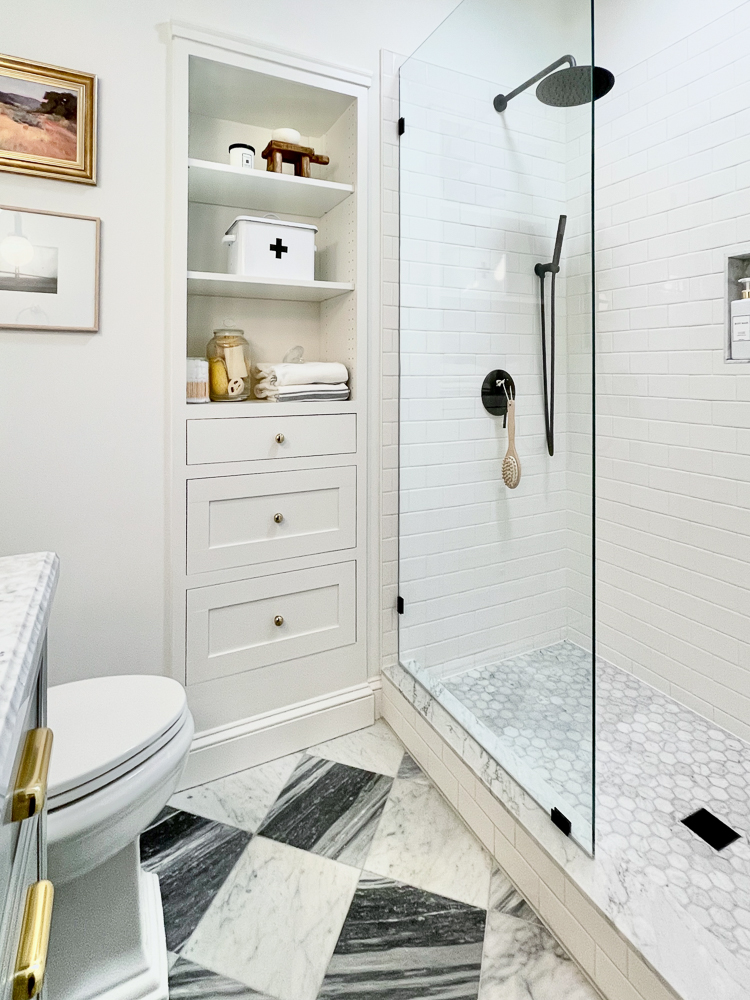
Credit: stefanasilber.com
:max_bytes(150000):strip_icc()/2019_0221BasementBathroomFireclay-22-a6c8c21f10d6450d9cf3baabd6f5b56c.jpg)
Credit: www.thespruce.com
Frequently Asked Questions
Is It Legal To Have A Bathroom In A Basement?
Yes, basement bathrooms are legal with proper permits and adherence to local building codes. Ensure correct ventilation and plumbing installation.
How Much Does It Cost To Finish A 500 Sq Ft Basement With A Bathroom?
Finishing a 500 sq ft basement with a bathroom typically costs $20,000 to $50,000. Costs vary by materials and labor. Plumbing, permits, and fixtures influence the price. Choosing budget-friendly designs reduces expenses. Always get multiple quotes for accuracy and compliance.
Is A Basement Bathroom A Good Idea?
A basement bathroom adds convenience, boosts home value, and improves functionality. Ensure proper ventilation and check local building codes before installation.
What Is The Cheapest Way To Build A Bathroom In A Basement?
The cheapest way to build a basement bathroom uses a grinding pump for drainage above the concrete floor. Choose compact fixtures and ensure proper ventilation to save costs.
Conclusion
A well-designed basement bathroom adds comfort and value to any home. Choose layouts that save space and improve usability. Use light colors and good lighting to brighten the area. Proper ventilation keeps the bathroom fresh and dry. Simple fixtures can create a clean, modern look.
Planning carefully helps avoid costly mistakes. A basement bathroom can serve guests or family with ease. Thoughtful design turns a basement into a welcoming space.


