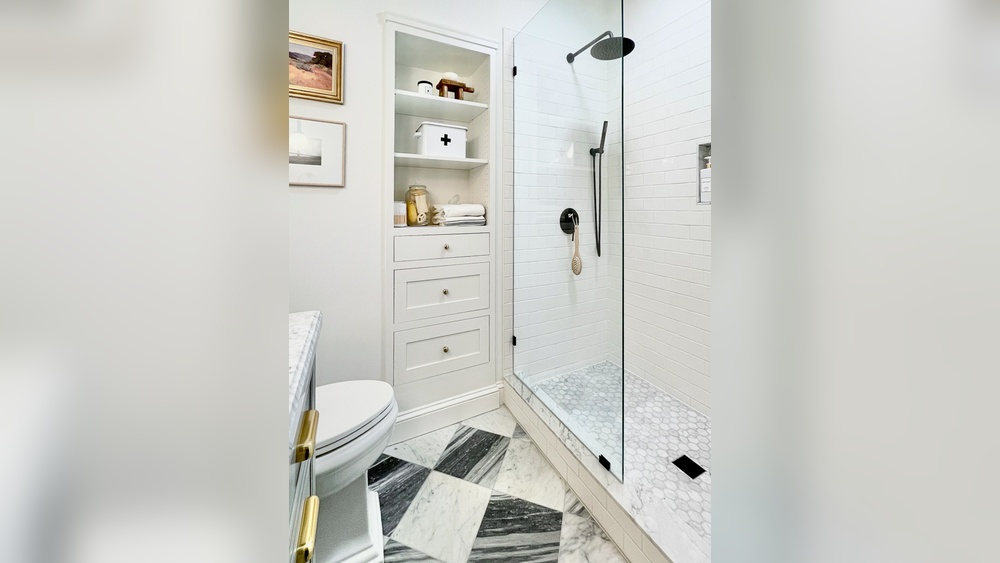

Thinking about adding a bathroom to your basement? You’re making a smart move.
A well-designed basement bathroom not only boosts your home’s value but also makes daily life more convenient for you and your guests. Whether you want a cozy powder room or a full bath with a shower, the right design can transform an often-overlooked space into a stylish and functional area.
You’ll discover practical, budget-friendly basement bathroom design ideas that fit your needs and space. Ready to turn your basement into a refreshing retreat? Let’s dive into inspiring tips and solutions that will make your bathroom project easier and more enjoyable than you imagined.
Planning Your Basement Bathroom
Planning your basement bathroom is the first step toward a successful renovation. It requires careful thought about space, budget, and plumbing. Thoughtful planning helps avoid costly mistakes later. It also ensures your new bathroom is functional and comfortable.
Assessing Space And Layout
Start by measuring the available area in your basement. Note any obstacles like support beams or pipes. Think about where the toilet, sink, and shower will fit best. Keep enough room for doors and walking space. Sketching a simple floor plan can help visualize the layout. Consider natural light and ventilation options too.
Budgeting And Cost Considerations
Set a clear budget before starting your project. Factor in costs for materials, labor, and permits. Unexpected expenses often arise, so include a buffer amount. Choose fixtures and finishes that balance quality and affordability. Prioritize essentials first, then add extras if the budget allows. Tracking expenses helps stay within limits.
Choosing The Right Plumbing Solutions
Basement bathrooms need proper plumbing to avoid issues. Locate existing water lines and drains nearby. You may need a sewage ejector pump if gravity drainage is not possible. Use water-efficient fixtures to reduce utility bills. Hiring a licensed plumber ensures code compliance and safety. Plan plumbing routes to minimize disruption and costs.
Smart Plumbing Options
Installing a basement bathroom requires careful plumbing planning. Smart plumbing options make the process easier and more efficient. These solutions help avoid common problems in basement bathroom installations. They also save time and reduce costs during construction.
Macerating Toilet Systems
Macerating toilet systems grind waste into a fine slurry. This allows waste to be pumped through small pipes. These systems do not need gravity drainage. They fit well in basements below the main sewer line. Installation is faster and less invasive than traditional toilets.
Macerators reduce the need for major plumbing changes. They help avoid breaking concrete floors. These systems can connect to existing plumbing easily. They are a great choice for basement bathroom remodels.
Using Gray Water Pumps
Gray water pumps move water from sinks and showers to drains. They help manage wastewater in basement bathrooms. These pumps work well when gravity drainage is not possible. Gray water pumps protect your home from flooding risks.
They also allow flexible bathroom placement in the basement. This makes design options wider. Using gray water pumps can save money on plumbing adjustments.
Avoiding Concrete Slab Breakthrough
Breaking through a concrete slab is costly and time-consuming. Smart plumbing avoids this by using above-floor drainage solutions. Macerating toilets and gray water pumps eliminate the need for slab cutting. This protects the basement floor and foundation.
Planning plumbing routes carefully minimizes damage. Avoiding concrete slab breakthroughs keeps construction clean and fast. It also reduces the risk of future leaks or structural issues.
Design Styles For Basement Bathrooms
Basement bathrooms offer a unique opportunity to explore different design styles. They can reflect your personality and complement the rest of your home. Choosing the right style helps make the space inviting and practical. Here are some popular design styles for basement bathrooms to inspire your project.
Modern Minimalist Looks
Modern minimalist designs focus on simplicity and clean lines. Use neutral colors like white, gray, or black to create a calm atmosphere. Fixtures should have sleek shapes and smooth surfaces. Avoid clutter by using built-in storage and hidden cabinets. Lighting plays a big role; choose bright, even lights to enhance the space.
Traditional And Classic Themes
Traditional styles bring warmth and timeless appeal. Choose classic fixtures like pedestal sinks and clawfoot tubs. Use soft, warm colors such as beige, cream, or pastels. Add decorative touches like framed mirrors and elegant light fixtures. Patterned tiles or wallpaper can create a charming and cozy feel.
Rustic And Cozy Designs
Rustic designs bring natural textures and a warm vibe. Use wood accents, stone tiles, and earthy colors like brown and green. Vintage or farmhouse-style fixtures enhance the rustic look. Soft lighting and warm textiles add comfort. This style suits basements with low ceilings and smaller spaces well.
Luxurious And Spa-inspired Spaces
Luxurious styles create a relaxing, high-end bathroom experience. Choose marble or quartz countertops and large tiles. Incorporate a walk-in shower with glass doors and rainfall showerheads. Soft, warm lighting and plush towels make the space inviting. Add plants or candles for a spa-like atmosphere.
Maximizing Small Spaces
Basement bathrooms often come with tight spaces. Maximizing every inch makes them practical and comfortable. Thoughtful design helps small bathrooms feel larger and more inviting. Smart choices in fixtures, storage, and lighting create a balanced space without clutter.
Compact Fixtures And Fittings
Choose small sinks and toilets designed for tight areas. Wall-mounted fixtures free up floor space and make cleaning easier. Corner sinks fit well into unused spots. Slim-profile bathtubs or shower stalls save room. Compact designs maintain function while keeping the bathroom open.
Creative Storage Solutions
Use vertical space with shelves or tall cabinets. Built-in niches in walls hold toiletries without taking floor space. Over-the-toilet shelves add storage without crowding. Baskets and hooks keep items organized and accessible. Clever storage reduces clutter and keeps the room tidy.
Lighting To Open Up The Room
Bright lighting makes small bathrooms look larger. Use recessed lights to avoid bulky fixtures. Mirrors reflect light and add depth. Natural light through small windows helps, if possible. Layer lighting with task and ambient sources for a balanced feel.
Material Choices And Finishes
Choosing the right materials and finishes is key for a basement bathroom. Basements face unique challenges like moisture and low light. Picking durable, moisture-resistant options helps keep the space fresh and long-lasting. Thoughtful material choices also create a stylish and comfortable bathroom.
Moisture-resistant Materials
Basement bathrooms must handle damp conditions. Use materials that resist water and mold. Vinyl, ceramic tile, and natural stone work well for walls and floors. Moisture-resistant drywall or cement board is best for walls. Avoid wood or drywall that can warp or rot. These choices protect your bathroom and lower maintenance needs.
Flooring Options For Basements
Flooring must stand up to moisture and occasional flooding. Ceramic and porcelain tiles are popular for their water resistance. Luxury vinyl plank flooring offers a warm look and is waterproof. Concrete floors can be sealed for protection and painted for style. Choose slip-resistant surfaces to keep the bathroom safe.
Wall Treatments And Waterproofing
Waterproof walls prevent damage and mold growth. Use waterproof paint or wall panels designed for wet areas. Tiles make cleaning easy and add texture. Apply a waterproof membrane behind tiles and panels for extra protection. Proper ventilation also helps reduce moisture and keep walls dry.
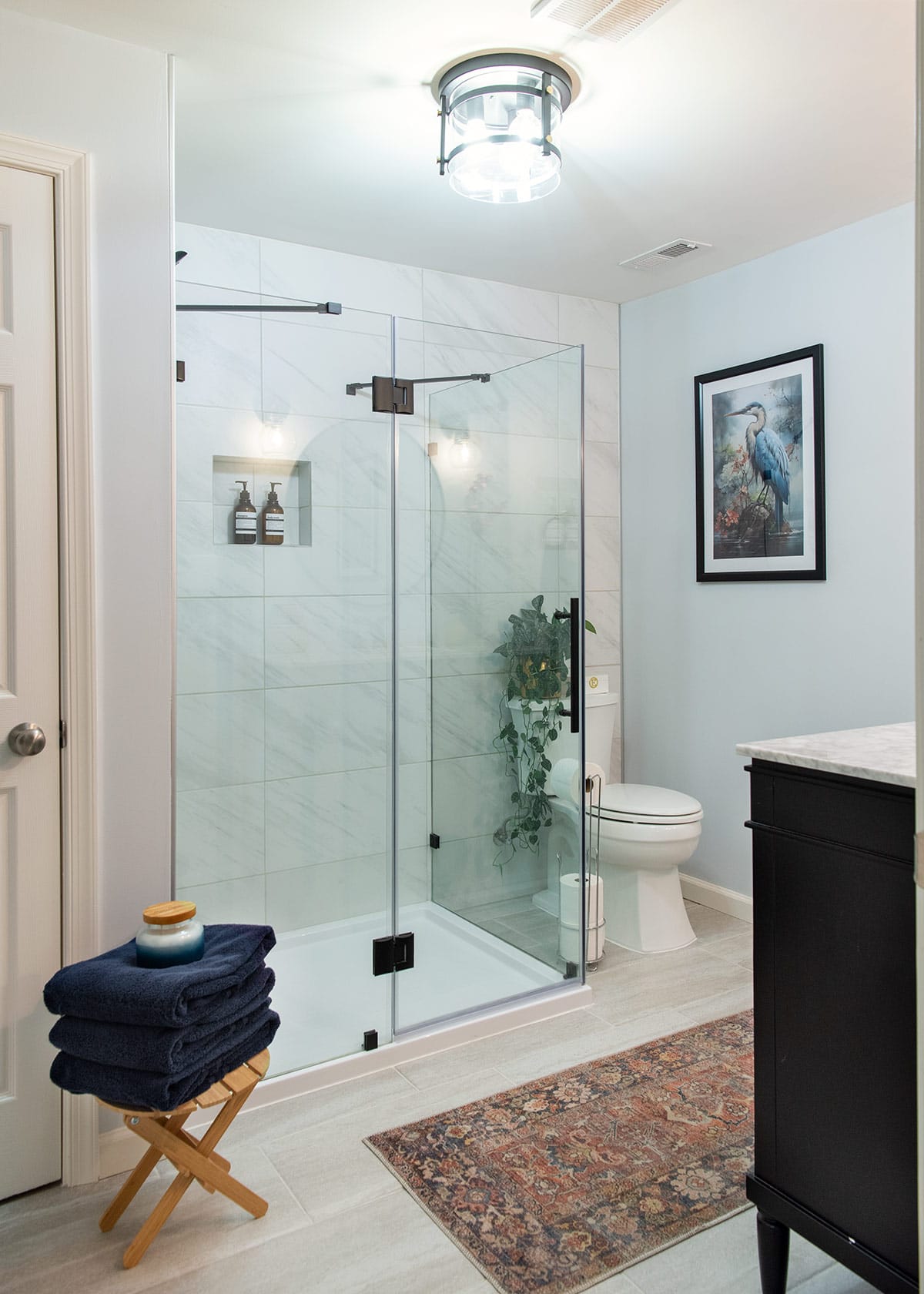
Credit: www.cravingsomecreativity.com
Diy Vs Professional Installation
Deciding between DIY and professional installation is key in basement bathroom design. This choice affects cost, time, and final quality. Some tasks are easy to do alone. Others need expert skills. Understanding the difference helps avoid costly mistakes.
When To Hire A Pro
Complex plumbing requires professional knowledge. Professionals ensure pipes and drains work correctly. Electrical wiring also needs expert handling to prevent hazards. Large tile work or custom cabinetry fits better with pros. Experts follow local building codes strictly. They have tools and experience to finish faster.
Simple Projects For Diy
Painting walls and ceilings is easy for beginners. Installing shelves or towel racks requires basic tools. Replacing a toilet or sink can be done with patience. Small grout repairs or caulking save money if done yourself. These tasks improve the space without heavy skills. They build confidence and keep costs low.
Safety And Code Compliance
Basement bathrooms need proper ventilation and waterproofing. Mistakes cause mold and water damage. Building codes protect your home and family. Permits often require inspections during and after work. Professionals know these rules well. DIYers must research local codes to avoid fines. Safety always comes first in any bathroom project.
Enhancing Functionality
Enhancing functionality in a basement bathroom is key to making the space practical and comfortable. Thoughtful design choices improve daily use and add value. Focus on smart features that fit the basement’s unique environment. This helps create a bathroom that feels fresh, safe, and easy to use.
Adding Showers And Bathtubs
Including a shower or bathtub boosts the bathroom’s utility. A walk-in shower saves space and suits smaller basements well. Choose water-resistant materials to handle moisture better. Bathtubs offer relaxation and appeal to families with children. Proper plumbing is essential to avoid leaks and drainage problems. This addition makes the basement bathroom a full-service space.
Ventilation And Mold Prevention
Good ventilation keeps air fresh and controls humidity. Installing an exhaust fan helps remove damp air quickly. Use a dehumidifier for extra moisture control in tight spaces. Mold can damage walls and harm health. Waterproof wall panels and floors reduce mold growth. Regular cleaning and airing out the room also protect against mold issues.
Accessibility Features
Design the bathroom for easy access to serve all users. Wider doorways and grab bars improve safety and comfort. Non-slip flooring prevents accidents on wet surfaces. A walk-in shower or tub with a seat aids those with limited mobility. Position fixtures at convenient heights for easier reach. These features make the basement bathroom user-friendly for everyone.
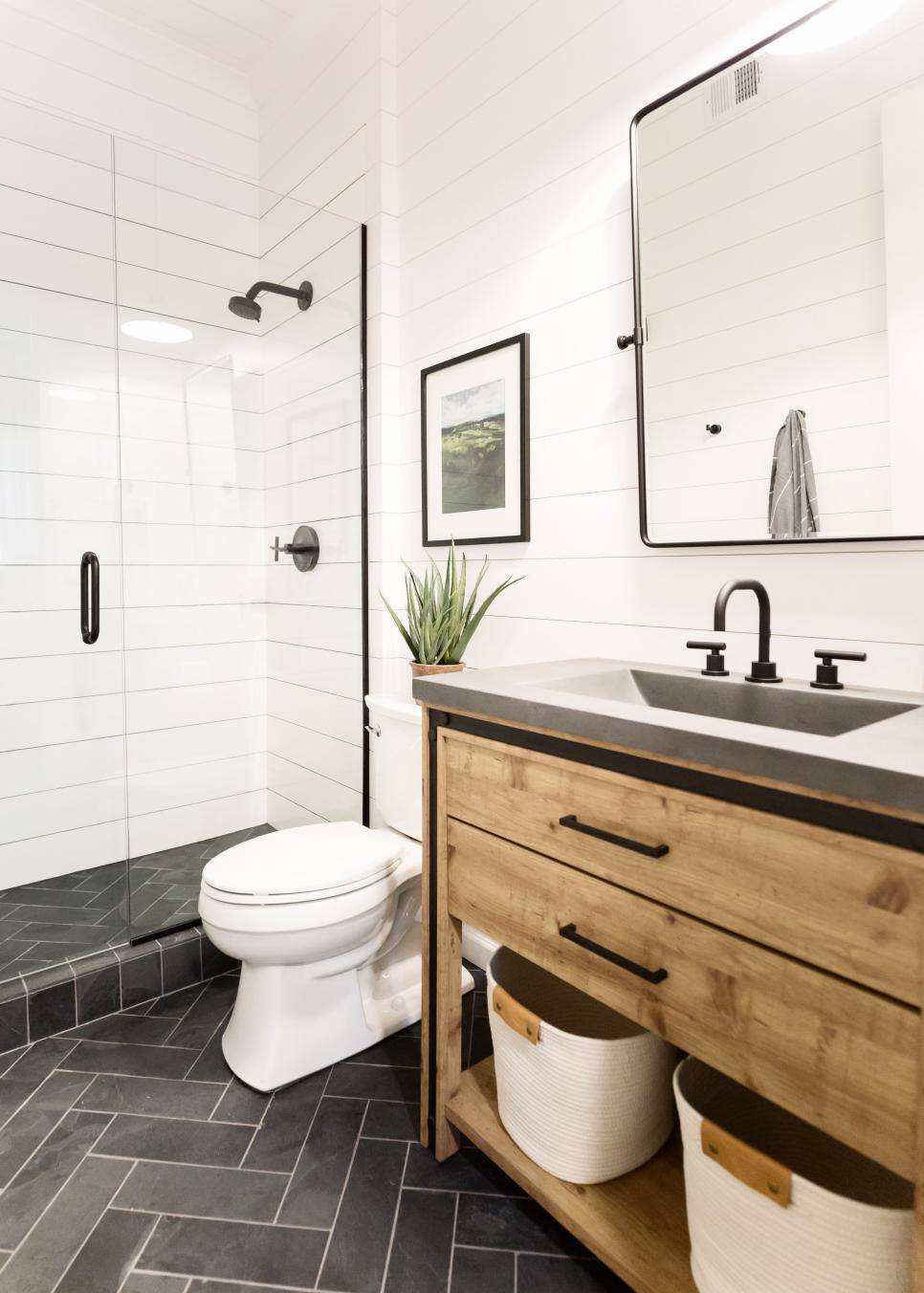
Credit: www.decoist.com
Cost-effective Ideas
Creating a basement bathroom on a budget does not mean sacrificing style or function. Cost-effective ideas make your space look great while saving money. Smart planning and simple choices help you achieve a beautiful bathroom without overspending.
Budget-friendly Fixtures
Choose fixtures that offer good quality at low prices. Look for basic sinks, toilets, and faucets that fit your style. Many brands provide affordable options that last long and look modern. Simple designs reduce installation costs and keep your bathroom practical. Buying fixtures during sales or clearance events saves even more.
Repurposing And Upcycling Materials
Use old materials to create a fresh look in your basement bathroom. Repurpose cabinets, shelves, or tiles from other rooms. Upcycling adds character and keeps costs low. Sand and paint old furniture to match your bathroom’s style. This approach reduces waste and gives your bathroom a unique, personal touch.
Energy-efficient Options
Pick energy-saving fixtures to lower utility bills. Low-flow toilets and faucets use less water without losing performance. LED lighting is bright, uses less power, and lasts longer. Installing a timer or motion sensor light switch can save more energy. Energy-efficient choices cut costs over time and help the environment.
Inspiration And Trends
Designing a basement bathroom blends creativity with current trends. It transforms often dark, unused spaces into bright, functional areas. Inspiration comes from color, fixtures, and technology that enhance comfort and style.
Trends focus on maximizing space and light while keeping the design simple. Small details make a big impact in basement bathrooms. Choosing the right elements can create a welcoming atmosphere.
Popular Color Palettes
Neutral tones remain a top choice for basement bathrooms. Shades like soft gray, beige, and white reflect light well. These colors open up the space and create a clean look.
Blue and green hues add a calming effect. These colors bring a touch of nature indoors. They work well with natural stone or wood accents.
Bold colors appear as accents. Deep navy or charcoal can highlight features. This adds depth without overwhelming the room.
Latest Fixture Designs
Sleek and modern fixtures dominate basement bathroom trends. Wall-mounted sinks save floor space and look stylish. Compact toilets with smooth lines fit in tight spots.
Matte black and brushed nickel finishes are popular. These finishes resist fingerprints and add elegance. Simple shapes and clean lines create a minimalist vibe.
Glass shower enclosures make the area feel larger. Frameless doors keep the look open and airy. Small corner showers maximize usable space.
Tech-integrated Bathrooms
Technology improves comfort and efficiency in basement bathrooms. Touchless faucets reduce germs and water waste. Heated floors add warmth to cold basement tiles.
Smart mirrors with LED lighting enhance visibility. Some mirrors include anti-fog features for convenience. Bluetooth speakers built into mirrors provide entertainment.
Ventilation fans with humidity sensors prevent mold growth. These fans turn on automatically when needed. Technology ensures the bathroom stays fresh and safe.
:max_bytes(150000):strip_icc()/2019_0221BasementBathroomFireclay-22-a6c8c21f10d6450d9cf3baabd6f5b56c.jpg)
Credit: www.thespruce.com
Frequently Asked Questions
Is A Basement Bathroom A Good Idea?
A basement bathroom boosts home value and convenience. It offers extra functionality for family and guests, making it a smart upgrade.
What Is The Cheapest Way To Put A Bathroom In The Basement?
The cheapest way to add a basement bathroom uses a macerating toilet system. It pumps waste to the main sewer line without breaking concrete. Install a sink and shower with a gray water pump to simplify plumbing and reduce labor and material costs.
How Much Does It Cost To Finish A 500 Sq Ft Basement With A Bathroom?
Finishing a 500 sq ft basement with a bathroom typically costs between $15,000 and $30,000. Costs vary by materials, labor, and plumbing complexity. Using a macerating toilet system can reduce plumbing expenses significantly. Always get multiple quotes for accurate budgeting and quality results.
Is $10,000 Enough For A Bathroom Remodel?
A $10,000 budget can cover a basic bathroom remodel with mid-range fixtures and minor updates. For extensive changes, expect higher costs.
Conclusion
Adding a bathroom in your basement makes the space more useful and comfortable. Simple design ideas can brighten and open the room. Choose fixtures that save space and add style. Good lighting and ventilation keep the bathroom fresh and inviting.
Small touches like mirrors and shelves improve both form and function. A well-planned basement bathroom brings convenience to your home. It can also increase your property’s value over time. Start with a clear plan and budget. This helps create a bathroom that fits your needs and space perfectly.


