
Are you looking to save space and cut down on energy bills at your home or office? Imagine having a setup that not only fits perfectly into your space but also uses energy smarter.
This means lower costs and a smaller carbon footprint—benefits you can enjoy every day. You’ll discover easy and effective ways to create energy-saving drawings for your home or office space. These ideas will help you plan smarter layouts and designs that keep comfort high and energy waste low.
Keep reading to find out how simple changes can make a big difference for your space and your wallet.

Credit: www.winbridgestore.com
Energy-saving Home Designs
Energy-saving home designs focus on reducing energy use and cutting costs. These designs improve comfort and protect the environment. Smart planning and materials help keep homes warm in winter and cool in summer. Below are key features that make homes more energy-efficient and sustainable.
Passive House Features
Passive houses use strong insulation to keep heat inside. Walls, roofs, and floors have multiple layers of insulation. Every gap and crack is sealed to stop drafts. The house faces the sun to capture natural heat in winter. Windows have three layers of glass to keep warmth in and cold out. Special ventilation systems bring fresh air without losing heat. This design lowers energy bills and keeps rooms cozy year-round.
Thermal Bridge-free Construction
Thermal bridges are weak spots where heat escapes easily. These often happen at corners or where materials meet. Thermal bridge-free construction avoids these gaps by using continuous insulation. Builders reduce features that cause heat loss, like small ledges or joints. This method keeps the home’s temperature steady and lowers heating and cooling needs. It helps save energy and reduces discomfort from cold spots.
Earth-sheltered Homes
Earth-sheltered homes use the ground’s natural insulation to save energy. These homes are built into hills or covered with soil. The earth keeps temperatures steady inside all year. In summer, the soil cools the house. In winter, it helps hold heat inside. This design cuts heating and cooling costs. It also protects the home from wind and weather damage. Earth-sheltered homes blend well with nature and use less energy.
Space-saving Layouts
Space-saving layouts are essential for both homes and offices. They help maximize available area without crowding the space. Well-planned layouts create a comfortable, efficient environment. They also reduce energy use by improving natural light and airflow. Smart design choices make small spaces feel larger and more functional.
Multi-functional Furniture
Multi-functional furniture serves more than one purpose. A sofa bed can be a seat by day and a bed by night. Desks with built-in shelves save floor space. Foldable tables and chairs provide flexibility. These pieces reduce clutter and free up space. Choosing such furniture helps save energy by minimizing the need for extra lighting and heating in larger areas.
Compact Office Setups
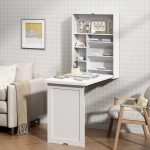
Compact office setups use small desks and chairs designed for tight spaces. Wall-mounted desks save floor space and keep the area open. Vertical arrangements make room for storage above the workspace. Compact setups reduce the need for large rooms. This lowers energy costs for heating, cooling, and lighting. Efficient layouts boost productivity without sacrificing comfort.
Smart Storage Solutions
Smart storage keeps items organized and out of sight. Built-in shelves use wall space efficiently. Under-desk drawers keep essentials close at hand. Modular storage units adjust to your needs. Good storage reduces clutter, making spaces feel bigger. Proper organization also helps reduce wasted energy by improving workflow and reducing the need for extra lighting.
Efficient Lighting And Appliances
Saving energy in your home or office starts with efficient lighting and appliances. These two elements use a large part of your electricity. Choosing the right options can lower energy use and reduce bills. Small changes bring big results over time.
Good lighting and smart appliances also improve comfort. They help create a cleaner and healthier space. Understanding their benefits makes it easier to pick the best solutions for your needs.
Led Lighting Benefits
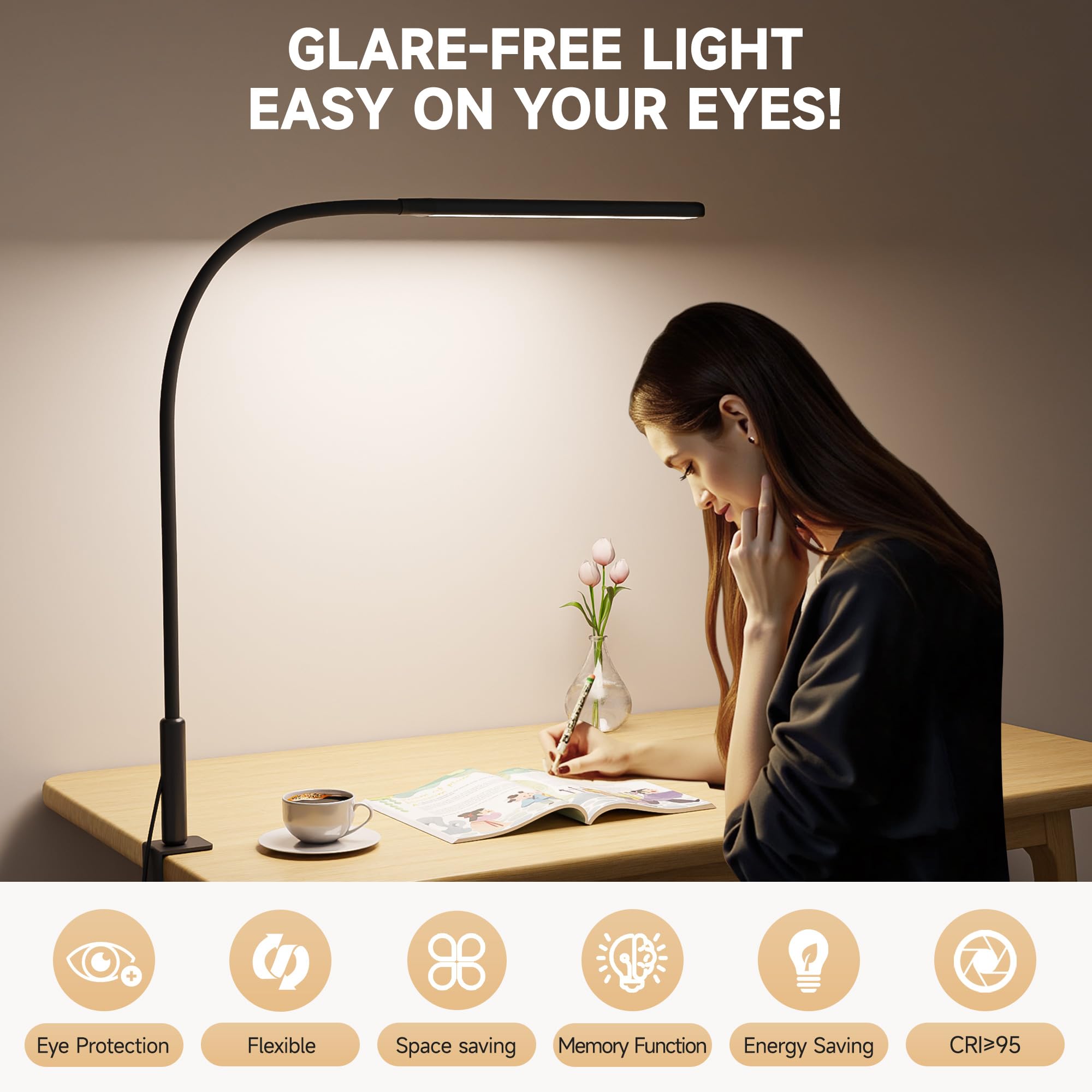
LED lights use less energy than traditional bulbs. They last much longer, reducing replacements. LEDs give bright, clear light that suits any room. They produce less heat, keeping spaces cooler. Using LED lighting cuts electricity costs significantly.
Energy-efficient Appliances
Appliances with energy-efficient labels use less power. They perform tasks well but consume less electricity. Choosing these appliances lowers your carbon footprint. They save money on utility bills every month. Look for ENERGY STAR certified products for quality and savings.
Smart Power Management
Smart plugs and power strips help control energy use. They turn off devices fully when not in use. Scheduling appliances reduces wasted power during idle times. Smart systems track energy consumption to find savings. Managing power smartly adds convenience and cuts costs.
Credit: www.amazon.com
Renewable Energy Integration
Integrating renewable energy in home or office spaces reduces electricity costs and carbon footprint. It also promotes sustainability and ensures energy independence. Smart use of renewable technologies fits well in small spaces. This allows efficient energy use without needing large installations. Options like solar panels, heat recovery systems, and battery storage can work together. They help save energy while keeping comfort and productivity high.
Solar Power Options
Solar panels convert sunlight into electricity for daily use. They are easy to install on rooftops or walls. Small, efficient panels suit limited spaces. Solar water heaters also reduce energy used for heating. Choosing the right size matches your energy needs and space. Solar power cuts reliance on grid electricity and lowers bills.
Heat Recovery Systems
Heat recovery systems save energy by recycling warmth from air or water. They capture heat from exhaust air and transfer it to fresh air. This keeps indoor air fresh and warm without extra heating. Compact units fit well in home or office settings. These systems improve comfort and reduce heating costs. Using heat recovery helps maintain a balanced indoor climate all year.
Battery Storage Solutions
Batteries store excess energy from solar panels or other sources. Stored energy can power your space during outages or peak times. Compact battery units work in limited areas without much noise. This storage increases energy independence and reliability. It also helps manage electricity use more efficiently. Batteries ensure you have power even when the sun is not shining.
Passive Solar Strategies
Passive solar strategies help reduce energy use by using the sun’s natural heat and light. These methods lower heating and cooling costs. They also create comfortable indoor spaces without much mechanical help. Simple design changes can make a big difference in saving energy in homes and offices.
Optimal Window Placement
Place windows mainly on the south side to catch winter sunlight. Use fewer windows on the north side to reduce heat loss. East and west windows can cause overheating, so keep them small. Proper window placement lets sunlight warm rooms naturally during cold months.
Shading Techniques
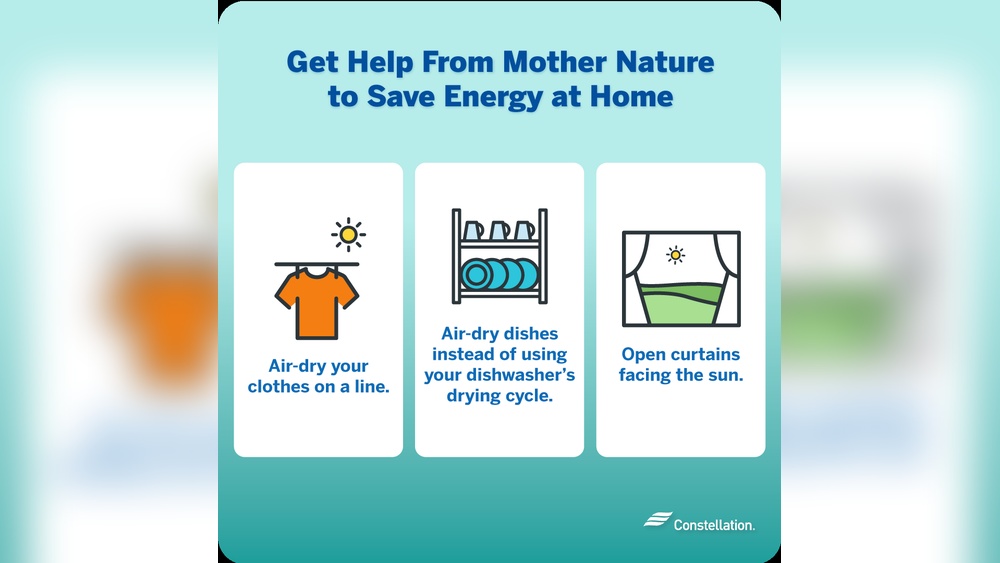
Use overhangs or awnings to block harsh summer sun. Trees and plants can provide natural shade around windows. Blinds and curtains help control light and heat inside. Shading keeps rooms cooler in summer without using air conditioning.
Thermal Mass Usage
Materials like concrete, brick, or stone absorb heat during the day. They release warmth slowly when temperatures drop at night. This balances indoor temperatures and reduces heating needs. Place thermal mass where sunlight hits directly for best effect.
Credit: blog.constellation.com
Insulation And Air Sealing
Insulation and air sealing are key to saving energy in homes and offices. They keep indoor temperatures steady by reducing heat loss and drafts. Proper insulation acts as a barrier to outside weather. Air sealing stops unwanted air leaks that waste energy. Together, they create a comfortable space and lower energy bills.
High-performance Insulation Types
Several insulation types offer strong energy savings. Spray foam insulation fills gaps and creates an airtight seal. Fiberglass batts are common and affordable for walls and ceilings. Rigid foam boards provide high insulation in thin spaces. Reflective insulation helps block radiant heat. Choosing the right type depends on your space and climate.
Sealing Air Leaks
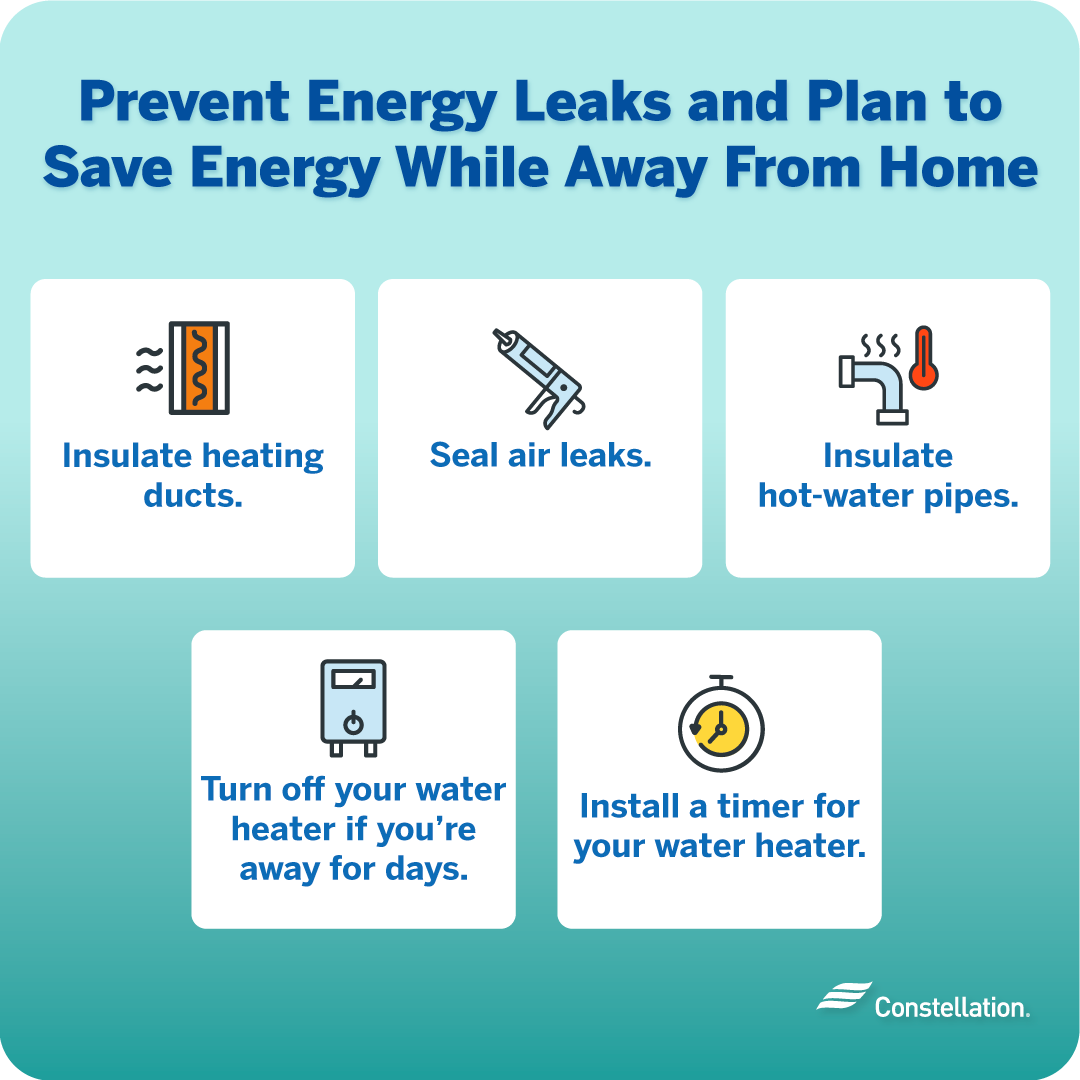
Air leaks let warm or cool air escape. Common leak spots include windows, doors, and attic hatches. Use weatherstripping around doors and windows to block drafts. Caulk small cracks in walls and baseboards. Seal gaps around pipes and vents with foam or caulk. Proper sealing improves comfort and reduces HVAC workload.
Impact On Energy Efficiency
Good insulation and sealing cut heating and cooling costs by up to 30%. They keep indoor air fresh and reduce moisture problems. Energy-efficient spaces need less work from heating and cooling systems. This lowers electricity use and carbon footprint. Investing in insulation and air sealing leads to long-term savings and comfort.
Drawing Energy-saving Plans
Designing energy-saving plans for home or office spaces is key to reducing utility bills and environmental impact. A well-thought-out plan focuses on efficient use of space and energy. Careful planning helps create comfortable, sustainable environments that use less power.
Energy-saving plans start with clear drawings. These show how spaces will look and function. They guide the placement of energy-efficient features. Drawing plans early saves money and effort later.
Sketching Floor Plans
Begin by sketching simple floor plans. Draw rooms, doors, and windows to scale. Include furniture and equipment to see space use clearly. Mark areas that get sunlight and shade. This helps decide where to place heating and cooling systems.
Use light colors or symbols to highlight energy zones. Identify spaces needing more insulation or ventilation. A clear floor plan shows how to maximize natural light and airflow.
Incorporating Energy Features
Add energy-saving features into your drawings. Mark locations for solar panels or skylights. Plan for energy-efficient lighting and smart thermostats. Note spots for high-performance windows and insulation.
Consider using green walls or roof gardens. These reduce heat and improve air quality. Include space for recycling and energy monitoring devices. These features make your plan practical and eco-friendly.
Tools And Resources
Use simple drawing tools like graph paper and pencils for first drafts. Digital apps offer easy ways to create detailed plans. Popular tools include SketchUp, Floorplanner, and AutoCAD.
Energy calculators help estimate savings from different features. Check local government websites for free guides and templates. These resources support smarter, energy-saving designs.
Frequently Asked Questions
What Is The Most Energy Efficient House Design?
The most energy-efficient house design is a Passive House. It features high insulation, airtight construction, thermal bridge-free design, and mechanical ventilation with heat recovery. It uses passive solar orientation, triple-glazed windows, energy-efficient appliances, and can integrate renewable energy for net-zero consumption.
What Are The 5 P’s Of Energy Conservation?
The 5 P’s of energy conservation are: Purpose, Planning, Prevention, Practice, and Promotion. They guide efficient energy use.
How Can An Office Reduce Its Energy Consumption?
An office can reduce energy use by switching to LED lighting, using energy-efficient appliances, and setting smart thermostats. Encourage employees to power down devices and maximize natural light. Regular maintenance of HVAC systems also improves efficiency and cuts consumption.
What Are The 10 Energy Conservation Ideas?
Ten energy conservation ideas include using LED lighting, sealing leaks, insulating walls, using energy-efficient appliances, installing programmable thermostats, utilizing solar energy, reducing water heating costs, turning off unused electronics, optimizing natural light, and maintaining HVAC systems regularly.
Conclusion
Saving energy in home or office spaces benefits both the environment and your wallet. Small changes in design and habits add up to big energy savings. Using natural light and efficient appliances helps reduce power use. Insulation and airtight construction keep temperatures steady and comfortable.
Simple steps like turning off unused devices save energy daily. Focus on smart, easy solutions for lasting impact. Start today to create a space that uses energy wisely and feels good.