
Imagine controlling your entire home without lifting a finger or cluttering your living space with bulky gadgets. What if your lights, thermostat, and security system could respond instantly to your voice, all while saving precious space?
This is exactly what the development of space-saving home automation using voice recognition systems promises. By combining cutting-edge voice technology with smart design, you can enjoy a seamless, convenient lifestyle that frees up your home and your hands. Ready to discover how this innovation can transform your daily routine and maximize your living area?
Keep reading to explore the future of smart, space-efficient living tailored just for you.
Credit: www.mdpi.com
Voice Recognition In Home Automation
Voice recognition plays a key role in modern home automation systems. It allows users to control devices using simple spoken commands. This technology helps save space by reducing the need for physical switches and remotes. Voice commands make managing lights, security, and appliances easier and more efficient. It also creates a cleaner, less cluttered home environment. Voice recognition brings convenience and accessibility to smart homes.
How Voice Recognition Works
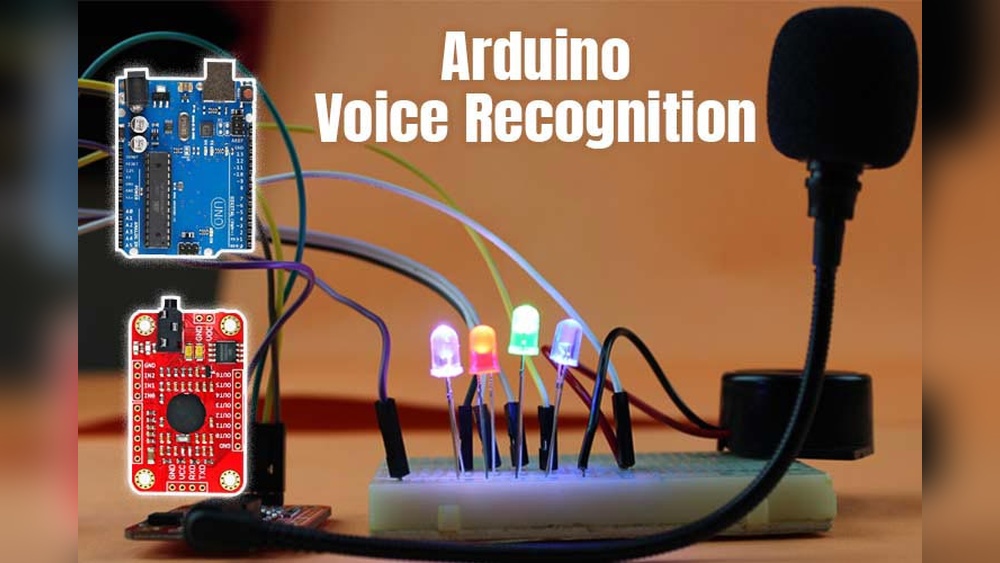
Voice recognition systems capture sound waves from speech. A microphone records the user’s voice and converts it into digital data. The system processes this data to identify words and phrases. It uses complex algorithms and language models to understand commands. Once recognized, the system sends instructions to connected devices. This process happens quickly, allowing real-time control of home appliances.
Advancements In Voice Technology
Recent improvements have made voice recognition more accurate and faster. Machine learning helps systems adapt to different accents and speech patterns. Noise-cancelling technology reduces errors caused by background sounds. Some systems now work offline, improving privacy and reliability. These advancements expand the use of voice control in everyday life. They make smart homes more user-friendly and accessible to all.
Popular Voice Assistants
Many popular voice assistants power home automation today. Amazon Alexa offers wide device compatibility and many skills. Google Assistant integrates well with Android devices and Google services. Apple’s Siri focuses on privacy and works seamlessly with Apple products. Each assistant provides unique features for controlling smart home devices. Users can choose based on their ecosystem and preferences.

Credit: quartzcomponents.com
Space Saving Smart Home Designs
Space saving smart home designs bring comfort and efficiency to small living areas. These designs use technology to reduce clutter and maximize usable space.
Smart homes with voice recognition allow easy control without extra devices. This helps keep rooms tidy and organized. The focus stays on simplicity and functionality.
Compact Device Integration
Smart home devices now come in smaller sizes. They fit into tight spaces without causing mess. Integration with existing furniture or walls is common.
Compact devices reduce the need for multiple gadgets. They combine sensors, microphones, and speakers in one unit. This saves space and cuts down on wiring.
Multi-functional Smart Devices
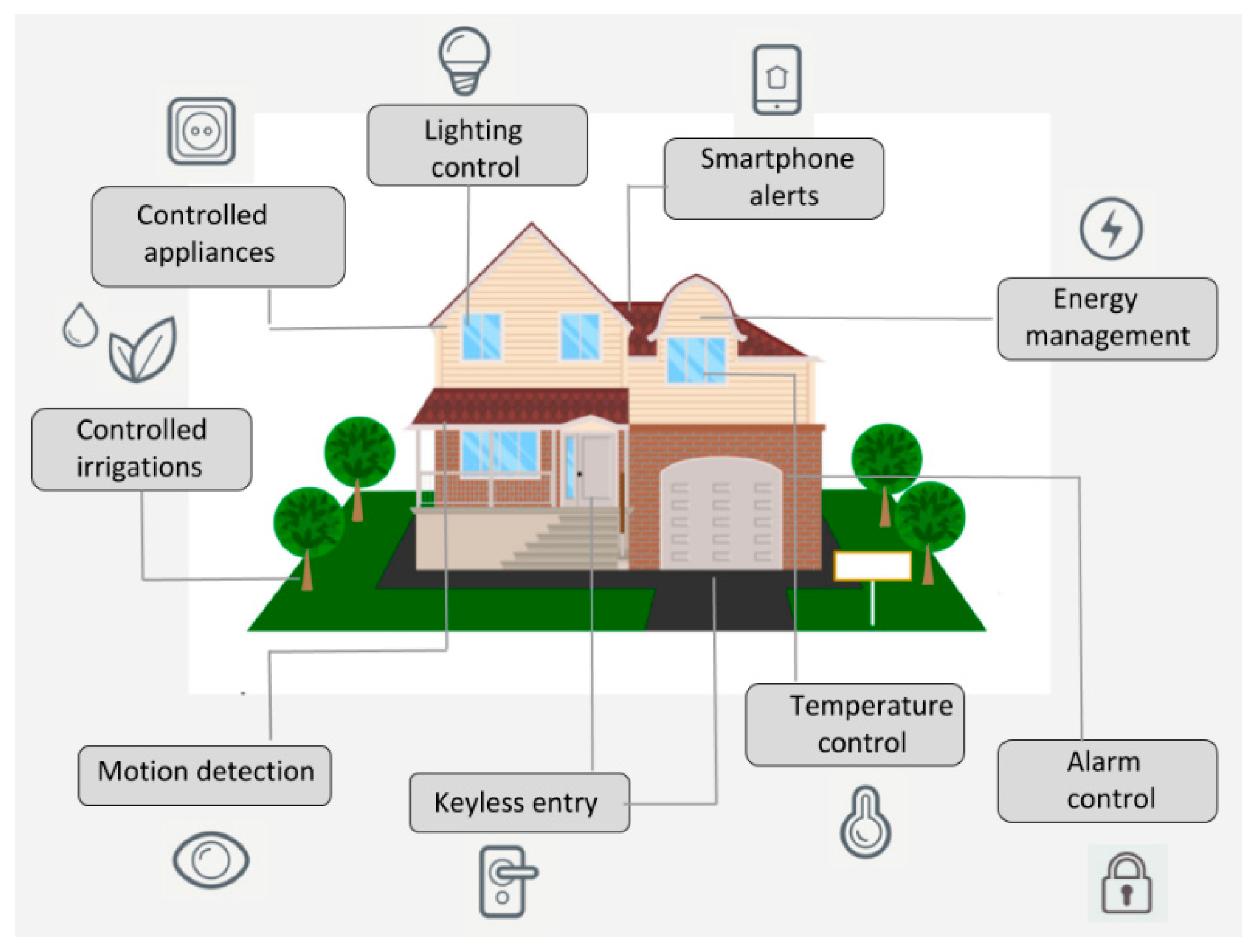
Devices that perform several tasks reduce the number of gadgets needed. A single device might control lighting, temperature, and security.
Multi-functionality means fewer devices on desks or shelves. It lowers clutter and frees up room for daily activities. Voice recognition adds hands-free control for all functions.
Wireless And Minimalist Setups
Wireless smart devices eliminate bulky cables and adapters. Minimalist designs focus on clean lines and simple forms. This creates a neat and modern home environment.
Wireless setups allow flexible placement of devices. Users can arrange gadgets in the best spots without worrying about cords. Voice commands work seamlessly across the system.
Benefits Of Voice-controlled Systems
Voice-controlled systems offer clear benefits for modern homes. These systems simplify daily tasks. They improve comfort and efficiency. Voice commands allow users to interact naturally with technology. This technology fits perfectly in space-saving home automation designs.
Hands-free Convenience
Voice control lets you operate devices without using your hands. This is useful while cooking or cleaning. You can adjust lights, temperature, or music by speaking. No need to find switches or remote controls. It saves time and effort every day.
Accessibility For Mobility Challenges
Voice systems help people with limited mobility use technology easily. Users can control many devices without physical movement. This increases independence and quality of life. Simple voice commands replace complex manual controls. It makes home automation more inclusive for everyone.
Energy Efficiency Improvements
Voice-controlled devices help reduce energy use. You can turn off lights or appliances quickly by voice. This prevents leaving devices on accidentally. Smart systems learn habits and suggest energy-saving settings. Voice commands make managing energy simple and fast.

Credit: www.leewayhertz.com
Security And Privacy Concerns
Security and privacy are major concerns in space-saving home automation using voice recognition. These systems collect and process sensitive voice data. Protecting this data from unauthorized access is critical. Users worry about hackers exploiting voice assistants. Trust in the technology depends on strong safeguards and privacy controls.
Risks Of Voice Assistant Hacking
Voice assistants connect to the internet, exposing them to hacking risks. Hackers may intercept voice commands or control devices remotely. Unauthorized access can lead to theft of personal information. Attackers might manipulate smart devices to cause damage or intrude on privacy. Weak passwords and outdated software increase vulnerability. Regular updates and secure authentication help reduce these risks.
Data Protection Strategies
Encrypting voice data is essential to protect user privacy. Secure cloud storage prevents unauthorized data leaks. Limiting data sharing with third parties minimizes exposure. Users should review privacy settings and control permissions. Strong passwords and multi-factor authentication add extra security layers. Clear policies on data use build user confidence in voice systems.
Offline And Local Voice Processing
Processing voice commands locally enhances privacy. It reduces the need to send data to external servers. Offline voice recognition lowers the risk of data breaches. Some devices store and analyze voice data only on the device. This approach limits exposure to hackers and improves response speed. Users gain more control over their sensitive voice information.
Implementation Technologies
Developing a space-saving home automation system using voice recognition involves various key technologies. These technologies work together to create efficient, compact, and user-friendly systems. Each component plays a role in processing commands, controlling devices, and managing data. Understanding these technologies helps in designing smarter, more reliable home automation solutions.
Iot Integration
Internet of Things (IoT) links all smart devices in a home. Sensors, lights, and appliances connect to a central network. This connection allows devices to communicate and respond to voice commands. IoT integration reduces the need for extra hardware, saving space. It also enables real-time control and monitoring from anywhere.
Embedded Systems And Microprocessors
Embedded systems use small microprocessors to control devices efficiently. These processors handle voice commands and execute tasks quickly. They are compact, making them ideal for space-saving designs. Low power consumption is another benefit, helping devices run longer without frequent charging.
Cloud Vs Local Processing
Voice recognition can happen in the cloud or locally on the device. Cloud processing uses powerful servers to analyze voice commands. It offers high accuracy but needs constant internet access. Local processing works offline, improving privacy and speed. Choosing the right method depends on user needs and system design.
Challenges In Voice-activated Automation
Voice-activated home automation promises convenience and efficient space use. Yet, several challenges limit its full potential. These issues affect user experience and system performance. Understanding these hurdles helps improve design and functionality. Below are key challenges in voice-activated automation systems.
Speech Recognition Accuracy
Speech recognition accuracy is crucial for smooth automation control. Background noise can confuse the system, causing errors. Misinterpretation leads to wrong commands being executed. Devices must distinguish between similar sounding words clearly. Continuous learning and updates improve recognition over time. Poor accuracy frustrates users and reduces trust in the system.
Language And Accent Variations
People speak different languages and accents at home. Voice systems often struggle with diverse pronunciations. This creates difficulty in understanding commands correctly. Systems need to support multiple languages and adapt to accents. Training with varied voice samples helps address this issue. Without this, users may find the system unreliable or slow.
System Latency And Reliability
System latency causes delays between command and action. Slow response reduces the user’s sense of control. Reliable systems must process voice commands quickly and consistently. Network issues or hardware limits can increase latency. Ensuring stable connections and efficient processing is essential. Unreliable systems risk user frustration and decreased usage.
Future Trends In Smart Living
The future of smart living is bright and full of innovation. Space-saving home automation using voice recognition is evolving fast. New trends promise to make homes smarter, more efficient, and easier to control. These advancements will change how people interact with their living spaces.
Ai-powered Voice Assistants
Voice assistants will become smarter and more intuitive. They will understand natural language better and respond faster. AI will help them learn user preferences over time. This means commands will feel more personal and accurate. Voice assistants will control multiple devices seamlessly. They will also offer proactive suggestions to improve comfort and security.
Personalized Automation Experiences
Smart homes will adapt to individual routines and habits. Automation settings will change based on time, mood, or activity. Voice recognition will identify who is speaking and tailor responses accordingly. This creates a unique experience for each family member. Personalization will extend to lighting, temperature, and entertainment preferences. The home will become more responsive and user-friendly.
Sustainable And Energy-saving Solutions
Smart living will focus more on saving energy and reducing waste. Voice-controlled systems will optimize power use in real time. Devices will switch off automatically when not needed. Integration with solar panels and smart grids will increase. Home automation will help users track and lower their energy consumption. This supports both the environment and household budgets.
Frequently Asked Questions
What Are The Top 3 Home Automation Companies?
The top 3 home automation companies are Samsung SmartThings, Apple HomeKit, and Amazon Alexa. They offer reliable, user-friendly smart home solutions.
What Are The Disadvantages Of Voice Controlled Home Automation?
Voice-controlled home automation can face privacy risks, misinterpret commands, require internet access, and struggle with background noise or accents.
What Advancements Have Been Made In Voice Recognition Software And How Does It Benefit Users With Mobility Challenges?
Voice recognition software now offers higher accuracy and faster response times. It enables hands-free control, improving accessibility for users with mobility challenges. Users can operate devices, communicate, and manage tasks easily, enhancing independence and convenience in daily life.
What Is The Best Voice Assistant For Smart Homes?
The best voice assistant for smart homes is Amazon Alexa, Google Assistant, or Apple Siri. Each offers strong device compatibility, ease of use, and smart features. Choose based on your preferred ecosystem and privacy needs.
Conclusion
Space-saving home automation with voice recognition brings convenience and efficiency. It simplifies daily tasks by using simple voice commands. This system fits well in small homes or apartments. Users can control devices without physical effort or extra space. Security and privacy remain important concerns to address.
Ongoing improvements make these systems more reliable and user-friendly. Voice-controlled automation supports better accessibility for many people. Embracing this technology helps create smarter, more comfortable living spaces.