
Imagine having a quiet, efficient kitchen tucked upstairs in your luxury home—your own private space to prepare meals, entertain guests, or simply enjoy a change of scenery while cooking. Small upstairs secondary kitchens are becoming a must-have feature for homeowners who value convenience, style, and functionality all in one.
Whether you want to keep the main kitchen pristine during gatherings or create a cozy spot for late-night snacks, this smart addition transforms how you live and entertain. Curious about how to design one that fits perfectly into your home without sacrificing luxury?
Keep reading to discover the secrets to making your upstairs secondary kitchen both beautiful and practical.
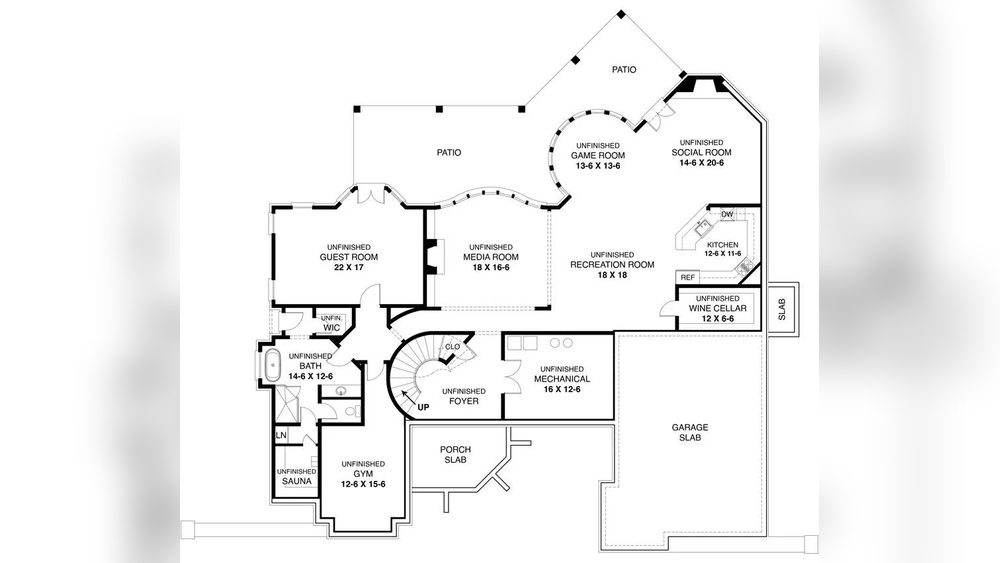
Credit: www.floorplans.com
Benefits Of Upstairs Secondary Kitchens
Upstairs secondary kitchens in luxury homes offer practical benefits that improve daily life. These small kitchens provide extra space for cooking and storage. They help keep the main kitchen clean and organized. Many homeowners enjoy the freedom and flexibility these kitchens bring. Below are key benefits that explain why adding an upstairs secondary kitchen makes sense.
Enhanced Convenience
Having a kitchen upstairs saves trips up and down stairs. Preparing snacks or meals becomes quicker and easier. Family members can access food without disturbing the main kitchen. This setup suits busy mornings and late-night cravings. It also supports independent living for guests or older children.
Entertaining Made Easy
Secondary kitchens simplify hosting parties or gatherings. Hosts can prepare food without crowding the main kitchen. Upstairs kitchens provide space for drinks, appetizers, or desserts. This reduces noise and mess in the main living area. Guests enjoy a smoother, more relaxed experience overall.
Added Property Value
Homes with multiple kitchens attract buyers seeking luxury and convenience. An upstairs kitchen signals thoughtful, practical design. It can increase resale value and market appeal. Buyers see it as a bonus feature for family living or rental potential. This addition makes the home stand out in competitive markets.
Designing Small Secondary Kitchens
Designing small secondary kitchens in luxury homes requires smart planning. These kitchens serve as extra cooking and prep areas, often upstairs. The challenge lies in fitting essential functions into limited space without losing luxury appeal.
Every inch counts. Thoughtful design can make these kitchens efficient and stylish. Careful choices in layout, appliances, and storage create a practical space that complements the main kitchen.
Maximizing Countertop Space
Countertops are vital in small secondary kitchens. Use every inch wisely. Installing continuous countertops without breaks helps maintain a clean look. Choose durable materials that resist stains and scratches.
Wall-mounted shelves free up surface area. Pull-out cutting boards add extra workspace when needed. Folding counters can provide flexibility without crowding the room.
Three Essential Work Zones
Organize the kitchen into three zones: prep, cooking, and cleaning. Each zone should have about four feet of countertop space. This setup helps keep tasks separate and efficient.
Place the prep zone near the refrigerator for easy access to ingredients. The cooking zone centers around the stove or cooktop. The cleaning zone includes the sink and dishwasher area.
Even in tight spaces, these zones improve workflow. Adjust the size and placement to fit your kitchen’s shape and size.
Compact And Multi-functional Appliances
Choose appliances designed for small spaces. Compact refrigerators, ovens, and dishwashers fit well in secondary kitchens. Multi-functional appliances save space by combining tasks.
Examples include microwave-oven combos and cooktops with built-in ventilation. Slim dishwashers and under-counter refrigerators maximize floor space.
These appliances keep the kitchen fully functional without overwhelming the room.
Smart Layouts For Efficiency
Smart layouts in small upstairs secondary kitchens boost efficiency without sacrificing style. These designs focus on clear task zones and smooth workflow. Proper planning ensures every inch works hard in luxury homes.
Efficiency starts with organizing the kitchen into specific areas. Thoughtful layout ideas help save time and reduce clutter. Even limited space can feel spacious with the right approach.
Zoning For Prep, Cooking, And Cleaning
Zoning divides the kitchen into three main areas: prep, cooking, and cleaning. Each zone supports a specific task to keep the kitchen organized.
The prep zone usually sits near the refrigerator for easy access to ingredients. It offers enough counter space for chopping and mixing. The cooking zone centers around the stove or cooktop for safety and convenience. The cleaning zone includes the sink and dishwasher, keeping messes contained.
This clear separation helps multiple people work without crowding. It also reduces back-and-forth steps, making meal preparation smoother.
Adapting The Work Triangle Concept
The classic work triangle links the fridge, stove, and sink in a triangular layout. This design minimizes movement and maximizes efficiency.
Small secondary kitchens must adapt this concept to fit tight spaces. Instead of perfect triangles, designers create compact, flexible layouts. Placing these three points close but not cramped improves flow.
Multi-functional appliances and smart storage support this adapted triangle. It helps keep the kitchen functional and easy to navigate.
Flexible Solutions For Limited Space
Small kitchens require flexible solutions to maximize utility. Pull-out counters, fold-down tables, and hidden storage add workspace without clutter.
Compact appliances save room while keeping performance high. Combining the sink with cutting boards or using corner cabinets improves space use.
Adjustable shelving and modular units allow customization as needs change. These solutions make small secondary kitchens highly efficient and comfortable.

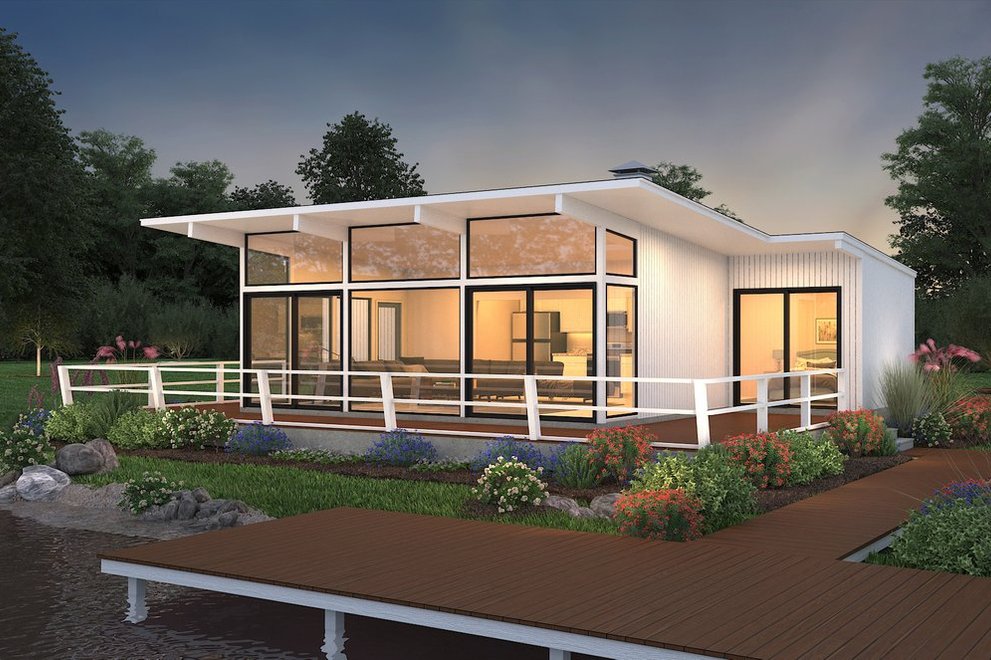
Credit: www.thehouseplancompany.com
Stylish Features In Secondary Kitchens
Secondary kitchens in luxury homes offer more than extra cooking space. They blend functionality with style, creating a space that complements the main kitchen. Stylish features make these small upstairs kitchens both practical and beautiful. They often showcase thoughtful design elements that elevate the home’s overall appeal.
High-end Finishes And Materials
Luxury secondary kitchens use premium materials to ensure durability and elegance. Quartz countertops resist stains and scratches while adding shine. Cabinetry often features rich wood or lacquered finishes for a sleek look. Brass or matte black hardware adds a modern touch without overwhelming the space. These finishes create a refined atmosphere that matches the home’s upscale style.
Integrated Storage Solutions
Smart storage keeps small kitchens organized and clutter-free. Pull-out pantry shelves maximize narrow spaces and keep items accessible. Built-in spice racks and drawer dividers simplify ingredient storage. Custom cabinetry hides appliances to maintain clean lines. These integrated options help maintain a tidy, efficient kitchen even in limited space.
Lighting To Enhance Ambiance
Lighting sets the mood and improves functionality in secondary kitchens. Under-cabinet LED strips provide task lighting for food prep. Recessed ceiling lights distribute soft, even illumination without shadows. Accent lights highlight design details or artwork, adding warmth. Combining layers of light creates a welcoming, stylish space ideal for cooking and socializing.
Role Of Sculleries In Luxury Homes
Sculleries have become essential in luxury homes. These small secondary kitchens offer practical benefits. They support the main kitchen by handling extra cooking and cleaning tasks.
Sculleries help keep the main kitchen neat and organized. They provide extra space for food prep, storage, and dishwashing. This makes hosting large gatherings easier and more efficient.
Purpose Of A Scullery
A scullery is designed for food preparation and cleanup. It holds appliances and utensils not used daily. This keeps the main kitchen clutter-free and functional.
It also offers extra storage for pantry items and cookware. Homeowners use sculleries to manage heavy cooking without disturbing the main kitchen area.
Keeping Mess Out Of Sight
Luxury homes use sculleries to hide mess and noise. Dirty dishes and cooking smells stay out of the main kitchen. This creates a calm and clean environment for guests and family.
Sculleries allow cooks to work without interruption. They keep the visible kitchen spotless, enhancing the home’s luxury appeal.
Scullery Vs. Secondary Kitchen
A scullery is smaller and focused on prep and cleaning. A secondary kitchen is a full kitchen with cooking and dining facilities. Both add value, but serve different needs.
Secondary kitchens may have ovens and refrigerators for independent use. Sculleries support the main kitchen by managing overflow tasks quietly.
Trends In Luxury Home Kitchen Design
Luxury home kitchens are evolving beyond the traditional single space. Homeowners seek functional, stylish, and versatile areas to prepare meals. Small upstairs secondary kitchens have become a popular trend in luxury homes. These kitchens offer convenience and privacy while maintaining elegance. They also help manage large households or frequent entertaining. The design shifts focus on efficiency and aesthetics to meet modern lifestyles.
Rise Of Dual Kitchens In Mansions
Many mansions now feature two kitchens to serve different needs. The main kitchen remains the showpiece for guests and family. A smaller secondary kitchen upstairs supports daily family use. It handles quick meals, snacks, or breakfast without disturbing main activities. This setup reduces clutter and keeps the main kitchen pristine. Dual kitchens also allow multiple cooks to work simultaneously. This trend adds comfort and practicality to large homes.
Second Kitchens In High-rises
High-rise luxury apartments increasingly include second kitchens. Space constraints make a full secondary kitchen hard to fit. Designers create compact, efficient kitchens on upper floors or near bedrooms. These kitchens offer convenience for late-night meals or private cooking. They enhance privacy and reduce trips to the main kitchen. Small second kitchens in high-rises blend modern appliances with sleek design. This trend suits urban living with luxury and functionality.
Butler’s Pantry And Secondary Kitchen Integration
Butler’s pantries are merging with secondary kitchens in luxury homes. This integration creates a seamless transition between prep and serving areas. The combined space stores utensils, dishware, and small appliances. It also provides extra counter space for meal prep and plating. Designers use hidden doors or sliding panels to connect these areas discreetly. This approach keeps the main kitchen clean during large events. The result is a smooth, efficient workflow for hosts and chefs.
Choosing Appliances For Small Kitchens
Choosing appliances for small upstairs secondary kitchens requires careful thought. Space is limited, but function cannot be compromised. Selecting the right appliances helps keep the kitchen efficient and stylish. Appliances must fit the space and meet daily needs without crowding the room.
Small kitchens benefit from appliances designed to save space and offer multiple functions. This approach keeps the kitchen organized and easy to use. Modern technology provides smart options that enhance convenience in compact spaces.
Space-saving Stoves And Ovens
Stoves and ovens in small kitchens should be compact yet powerful. Slimline ranges with two or four burners fit well in tight spaces. Wall-mounted ovens save countertop space and add a sleek look. Combination microwave and convection ovens offer multiple cooking options in one unit.
Compact Refrigerators And Dishwashers
Choosing smaller refrigerators keeps the kitchen uncluttered. Under-counter refrigerators or drawer-style models work well upstairs. Compact dishwashers with slim profiles clean dishes efficiently. Both appliances must match the kitchen’s size while providing enough capacity.
Smart Technology Features
Smart appliances bring convenience to small kitchens. Wi-Fi enabled ovens and refrigerators allow remote control and monitoring. Sensors help adjust cooking times and temperatures for better results. Voice control and app integration simplify daily kitchen tasks.

Credit: newatlas.com
Practical Tips For Installation
Installing a small upstairs secondary kitchen in a luxury home requires careful planning. This ensures the space is both functional and elegant. Practical tips help guide the process for smooth installation and lasting satisfaction.
Consider key factors like clearances, plumbing, electrical needs, and budgeting. These elements create a kitchen that blends luxury with efficiency. The following sections break down important details for a successful setup.
Optimal Kitchen Clearances
Maintain clearances to allow easy movement and safe cooking. A minimum of 36 inches between counters helps avoid crowding. Keep at least 42 inches in busy areas for comfort. Countertops should have three zones: prep, cooking, and cleaning. Each zone needs about four feet of workspace. Arrange appliances to form an efficient work triangle. This reduces steps during meal prep. Use compact or multi-functional appliances if space is tight. Good zoning improves flow and usability in small kitchens.
Plumbing And Electrical Considerations
Plan plumbing lines carefully for sinks, dishwashers, and refrigerators. Locate water supply and drainage points near the kitchen. Use energy-efficient fixtures to save water and power. Electrical outlets should support all appliances safely. Ensure circuits meet local codes and capacity needs. Install dedicated circuits for high-power devices like ovens. Consider under-cabinet lighting to brighten work areas. Proper planning prevents costly changes later and ensures safety.
Budgeting For Luxury And Efficiency
Set a budget that balances style and function. Choose high-quality materials that last and look good. Prioritize essential appliances before adding extras. Custom cabinetry adds elegance but can raise costs. Look for durable finishes that need little maintenance. Plan for lighting and ventilation systems within the budget. Allow extra funds for unforeseen expenses. Smart budgeting leads to a kitchen that feels luxurious and works well.
Frequently Asked Questions
What Is The 3×4 Kitchen Rule?
The 3×4 kitchen rule suggests having three separate countertop zones, each at least four feet long, for prep, cooking, and cleaning tasks. This layout boosts efficiency by organizing work areas near the refrigerator, stove, and sink. It enhances kitchen workflow and maximizes usable space.
What Is The Small Second Kitchen Called?
A small second kitchen is called a scullery. It serves as a prep and storage area, keeping mess out of the main kitchen.
Does A Second Kitchen Add Value To A Home?
A second kitchen can increase a home’s value by offering extra cooking space and enhancing functionality. It appeals to buyers seeking convenience and luxury.
Do Mansions Have Two Kitchens?
Many mansions feature two kitchens: a main kitchen for guests and a secondary, hidden kitchen for prep and cleanup.
Conclusion
Small upstairs secondary kitchens blend convenience with luxury in homes. They offer extra space for cooking and entertaining guests. Thoughtful design ensures every inch serves a purpose. These kitchens keep mess and noise away from main living areas. Compact appliances and clear zones boost efficiency and comfort.
Adding a second kitchen can also increase home value. Many homeowners enjoy the flexibility these spaces provide. Upstairs secondary kitchens meet modern lifestyle needs with style and function.


