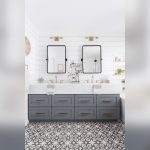
Looking to upgrade your floors with something both stylish and practical? Textured linoleum flooring could be exactly what you need.
It offers a unique combination of durability, easy maintenance, and a surface that adds depth and character to any room. Imagine walking barefoot on a floor that feels natural underfoot yet resists slips and hides wear and tear effortlessly. Whether you want to refresh your kitchen, bathroom, or workspace, textured linoleum can transform your space without breaking the bank.
Keep reading to discover how this flooring option can meet your needs and why it’s becoming a top choice for homeowners like you.
Benefits Of Textured Linoleum
Textured linoleum flooring offers many advantages that suit various spaces. It combines practical features with aesthetic appeal. This flooring type stands out for its strong performance and environmental benefits. Here are some key benefits of textured linoleum that make it a smart choice for homes and businesses.
Durability And Longevity
Textured linoleum is highly durable. It resists scratches, dents, and heavy foot traffic. This flooring type keeps its look for many years. Its surface texture helps hide minor wear and tear. Regular cleaning maintains its fresh appearance. Longevity reduces the need for frequent replacements.
Slip Resistance And Safety
The textured surface provides excellent slip resistance. It reduces the risk of falls in wet or busy areas. This makes it ideal for kitchens, bathrooms, and entryways. Safety improves for all family members or customers. Textured linoleum supports a secure walking surface without extra treatments.
Eco-friendly Qualities
Linoleum is made from natural materials like linseed oil and wood flour. It is biodegradable and low in harmful chemicals. This flooring helps reduce indoor air pollution. Many products come with eco-certifications for sustainability. Choosing textured linoleum supports greener building practices and healthier living spaces.

Credit: www.reddit.com
Design Options And Styles
Textured linoleum flooring offers a wide range of design options and styles. It suits many spaces, from homes to offices. This flooring type combines beauty and function. It enhances any room with its unique surface and vibrant look.
Explore various patterns, colors, and styles. Find options that fit your taste and needs. Textured linoleum makes it easy to create a stylish, durable floor.
Patterns And Colors
Textured linoleum comes in many patterns. You can choose simple or complex designs. Patterns include geometric shapes, stripes, and abstract art. The colors range from soft pastels to bold hues. This variety helps match any décor style. Bright colors can energize a room. Neutral tones create a calm, cozy feel.
Mimicking Natural Materials
Many textured linoleum styles mimic natural materials. It can look like wood, stone, or tile. This gives floors a classic, elegant appearance. You get natural beauty without high cost or maintenance. The textured surface adds realism and grip. It is perfect for areas prone to moisture or spills.
Customization Possibilities
Customization is a strong point of textured linoleum. You can choose size, shape, and finish. Some brands offer personalized designs and colors. This lets you create unique flooring that fits your style. Custom options help blend flooring with your interior theme. They also allow for creative patterns and borders.
Installation Tips
Installing textured linoleum flooring requires care and precision. Proper installation ensures durability and a clean finish. Follow these tips to get the best results and a smooth surface that lasts.
Surface Preparation
Start with a clean, dry, and flat surface. Remove old flooring, dirt, and debris thoroughly. Fix any cracks or holes in the subfloor. Use a leveling compound if the floor is uneven. Proper surface prep prevents bumps and wrinkles in the linoleum.
Professional Vs Diy Installation
Professional installers bring experience and the right tools. They ensure perfect alignment and secure adhesion. DIY installation saves money but needs patience and skill. Follow manufacturer instructions carefully for DIY projects. Measure twice, cut once to avoid mistakes.
Seaming And Finishing
Seams should be tight and even for a neat look. Use a seam roller to press down edges firmly. Apply seam sealer to prevent moisture damage and lifting. Trim excess material carefully for clean edges. Finish with baseboards or molding to hide edges and secure flooring.
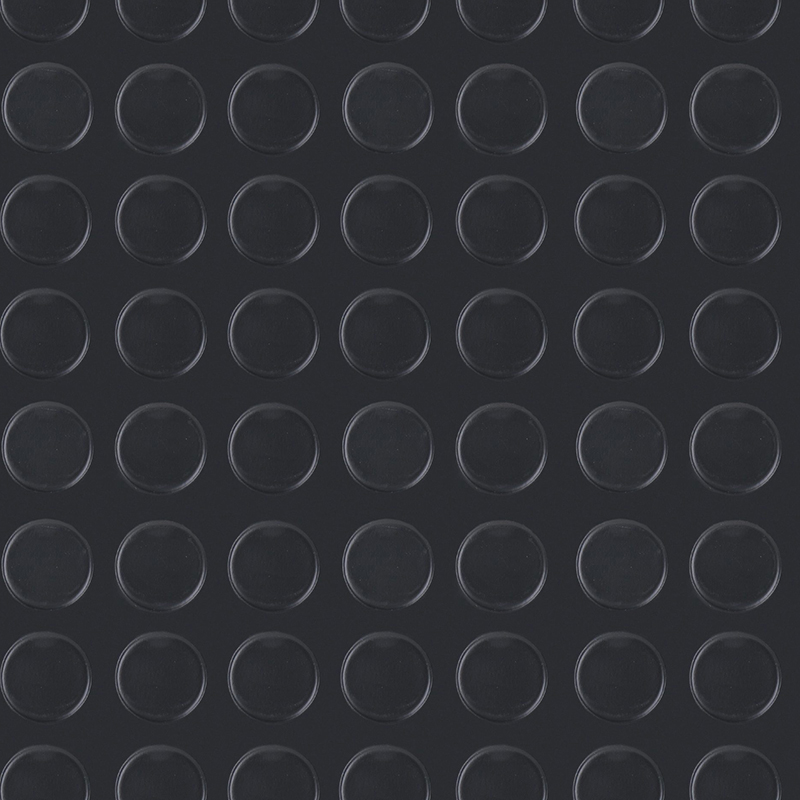
Credit: theinsidetrackinc.com
Maintenance And Cleaning
Textured linoleum flooring offers durability and style. Keeping it clean ensures it lasts longer and looks great. Proper maintenance stops dirt buildup and prevents damage. Follow simple steps for daily care and stain removal. Long-term care keeps floors smooth and fresh over years.
Daily Cleaning Techniques
Sweep or vacuum the floor daily to remove dust and dirt. Use a soft broom or vacuum with a hard floor setting. Mop the floor with warm water and a mild cleaner twice a week. Avoid harsh chemicals that can damage the texture. Dry the floor with a clean cloth to prevent water spots.
Dealing With Stains
Act quickly on spills to avoid permanent marks. Blot the stain gently with a soft cloth. Use a gentle cleaner mixed with water for tougher stains. Avoid scrubbing too hard as it can harm the surface. Rinse the area with clean water and dry it well.
Long-term Care
Apply a linoleum floor polish once or twice a year. This protects the texture and adds shine. Avoid dragging heavy furniture to prevent scratches. Place felt pads under furniture legs. Regularly inspect the floor for damage and repair small cracks promptly.
Applications In Modern Spaces
Textured linoleum flooring fits well in many modern spaces. Its versatility and durability make it a popular choice. This flooring type adds style and function to any room. It works well in homes, offices, and creative areas. The texture provides grip and reduces slips. It also hides wear better than smooth floors.
Residential Uses
Textured linoleum is great for kitchens and bathrooms. It stands up to moisture and heavy foot traffic. Many homeowners choose it for living rooms and hallways too. The texture gives a warm, natural look. It is easy to clean and maintain. Families with children find it practical and safe. It also fits well with modern and traditional decor.
Commercial Settings
Many businesses use textured linoleum in their spaces. Shops, restaurants, and offices benefit from its durability. It handles high foot traffic without wearing down. The slip-resistant surface is ideal for busy areas. It comes in many colors and patterns. This lets businesses match their brand style easily. Maintenance is simple, helping to save time and money.
Creative And Artistic Spaces
Art studios and galleries often select textured linoleum floors. The flooring supports heavy equipment and foot traffic. Its texture adds an interesting visual element. It helps prevent slips during active work. The variety of designs allows unique floor layouts. It can inspire creativity with its natural patterns. Cleaning is easy, keeping the space fresh and neat.
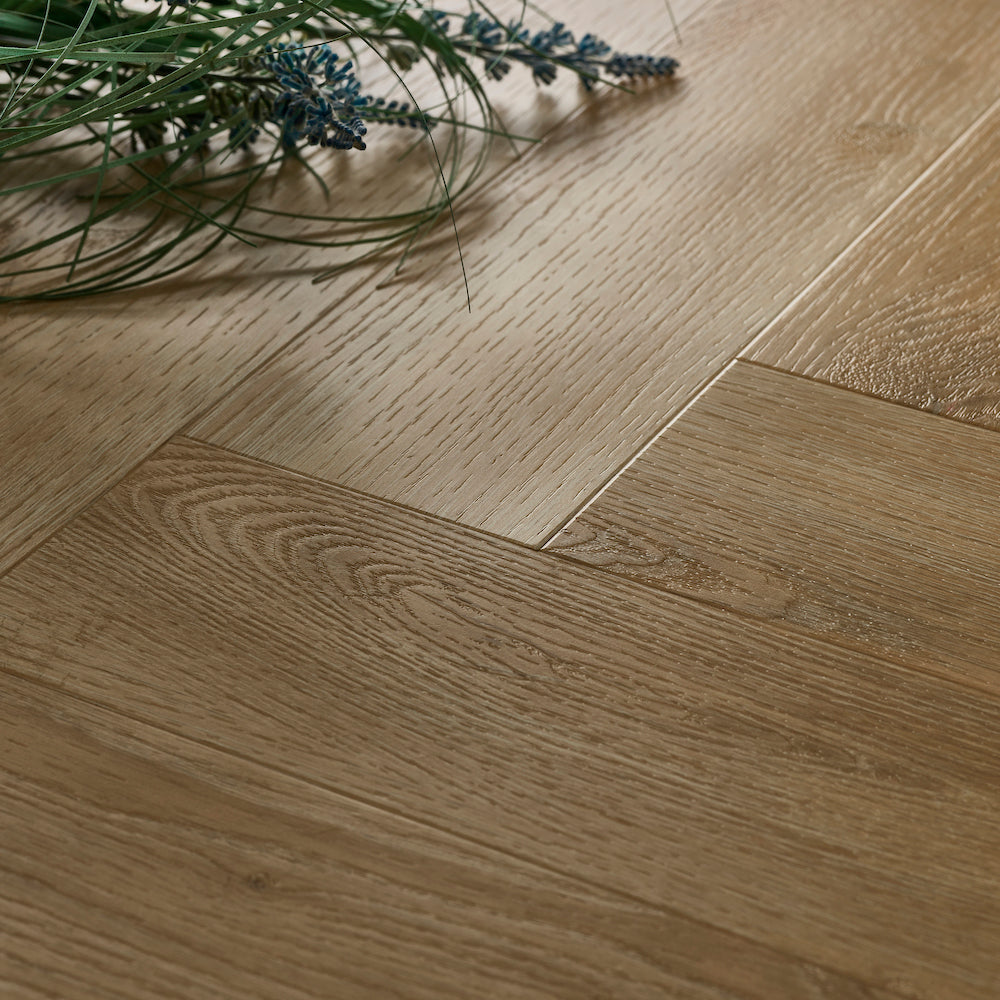
Credit: storiesflooring.co.uk
Comparing Linoleum With Other Flooring
Choosing the right flooring affects your home’s style and durability. Textured linoleum offers unique benefits. Comparing it with other options helps to decide what fits best in your space. Below is a clear look at how linoleum matches up against vinyl and hardwood floors. Also, learn about cost and performance differences.
Linoleum Vs Vinyl
Linoleum is made from natural materials like linseed oil and cork dust. Vinyl is synthetic, made from plastic. Linoleum breathes better and can reduce indoor air pollution. It has a natural, matte finish with unique textures. Vinyl is often shinier and comes in many patterns. Both resist water, but vinyl handles moisture better. Linoleum may need sealing to protect it from stains. Vinyl is easier to clean and maintain daily.
Linoleum Vs Hardwood
Hardwood flooring gives a classic, warm look. It is made from solid wood planks. Linoleum offers a softer feel underfoot and is warmer than hardwood. Hardwood can scratch and dent easily. Linoleum resists dents and scratches better. Hardwood requires refinishing over time. Linoleum only needs occasional sealing. Both add value to a home, but hardwood can be more expensive to install and maintain.
Cost And Performance Differences
Linoleum flooring usually costs less than hardwood but more than vinyl. It lasts 20 to 40 years if cared for well. Vinyl has a shorter lifespan, about 10 to 20 years. Hardwood can last over 50 years with proper care. Linoleum is eco-friendly and biodegradable. Vinyl is less eco-friendly due to plastic content. Performance-wise, linoleum offers good durability and comfort. Vinyl is best for moisture areas. Hardwood suits living rooms and bedrooms for style and value.
Where To Buy Textured Linoleum
Finding the right place to buy textured linoleum is key to a successful flooring project. This type of flooring offers durability and style, so choosing a reliable supplier matters. Options range from local stores to online shops, each with unique benefits. Explore where to buy textured linoleum to match your needs and budget.
Local Suppliers In Austin, Texas
Austin has several flooring stores offering textured linoleum. Visiting local suppliers lets you see samples in person. You get advice from experts familiar with Austin’s climate and style. Local stores also provide quicker delivery and easier returns. Supporting local businesses helps the community and ensures personalized service.
Online Retailers And Marketplaces
Online shops offer a wide range of textured linoleum options. You can compare prices and styles from different brands easily. Popular marketplaces like Amazon and Etsy feature many choices with customer reviews. Shopping online is convenient for busy people or those outside Austin. Check shipping policies to avoid delays or extra fees.
Selecting Quality Products
Focus on product durability and texture quality when choosing linoleum. Look for brands with good reputations and clear material details. Confirm the flooring suits your room’s traffic and moisture levels. Reading customer feedback helps spot potential issues early. Investing in quality linoleum saves money and effort over time.
Frequently Asked Questions
Can Vinyl Flooring Be Textured?
Yes, vinyl flooring can be textured to mimic natural materials like wood or stone. Textured vinyl adds grip and enhances design.
What Is Linoleum Flooring Called Now?
Linoleum flooring is now commonly called Marmoleum or sheet vinyl flooring. It remains eco-friendly and durable.
What Is The Difference Between Embossed And Textured Vinyl Flooring?
Embossed vinyl has raised patterns that mimic real textures. Textured vinyl features a consistent surface feel without raised designs. Both enhance grip and aesthetics but differ in surface depth and appearance.
Why Isn’t Linoleum Used Anymore?
Linoleum lost popularity due to durability issues and easier maintenance of vinyl flooring. Vinyl offers more design options and water resistance.
Conclusion
Textured linoleum flooring offers durability and style for any space. Its unique surface adds grip and reduces slips. Maintenance stays simple with regular cleaning routines. This flooring suits both homes and busy commercial areas. Choose textured linoleum for a practical, attractive floor option.
It blends function with a natural look easily. Consider it to enhance your room’s comfort and safety. A smart choice for long-lasting, low-maintenance floors.