Imagine stepping into a bathroom that feels like a charming time capsule from the 1920s—soft pastel walls, gleaming clawfoot tubs, and elegant geometric patterns that catch your eye. If you want to bring that timeless style into your own home, understanding 1920 bathroom designs is the key.
You’ll discover how colors like mint green, pink, and powder blue blend beautifully with classic black and white tiles. Picture those iconic freestanding tubs, pedestal sinks, and shiny chrome fixtures that add both function and flair. Whether you’re looking to renovate or simply love vintage aesthetics, this guide will help you create a bathroom that balances nostalgic charm with everyday comfort.
Ready to unlock the secrets of 1920s bathroom design? Let’s dive in.
Credit: www.stonecity.com
Colors And Palettes
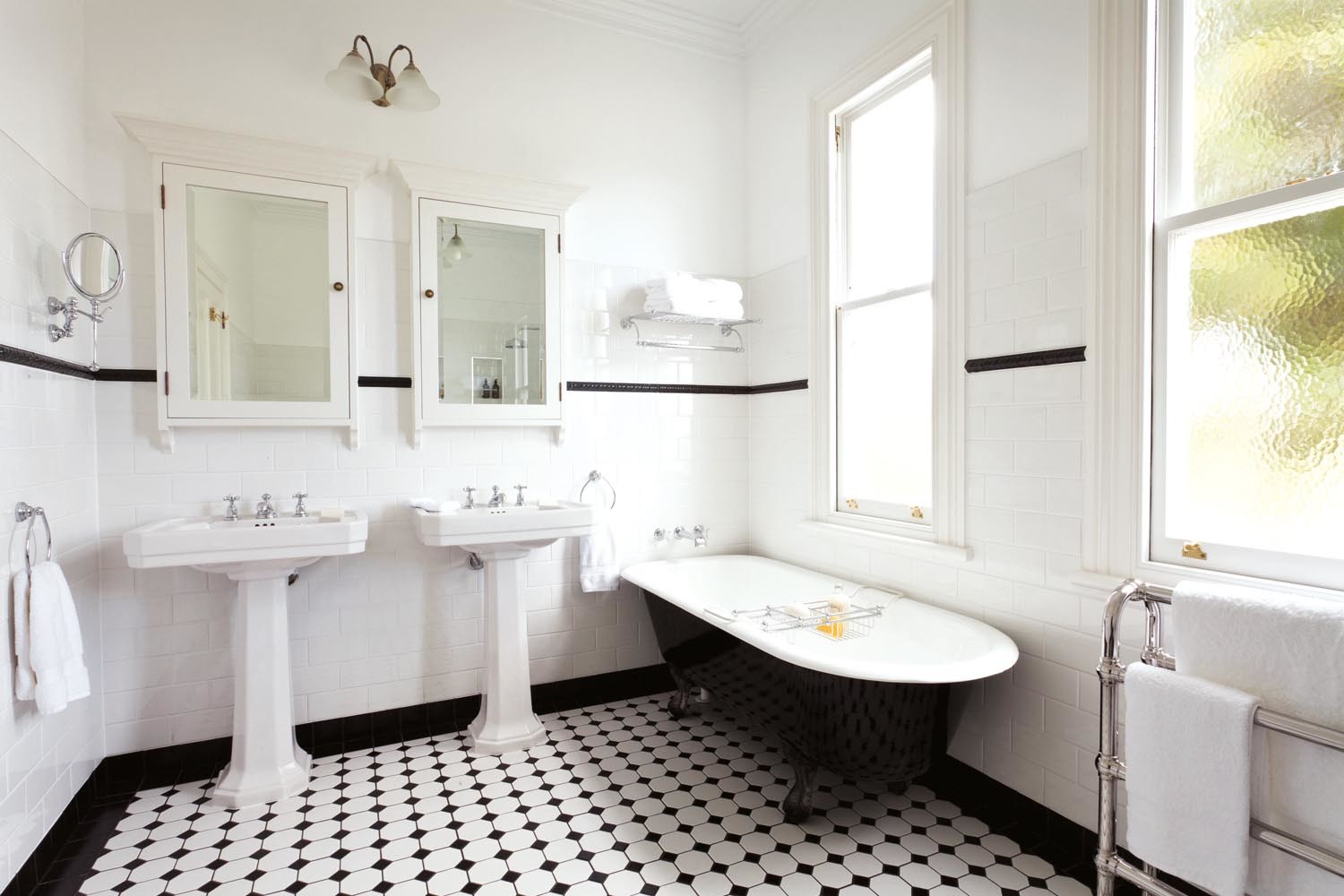
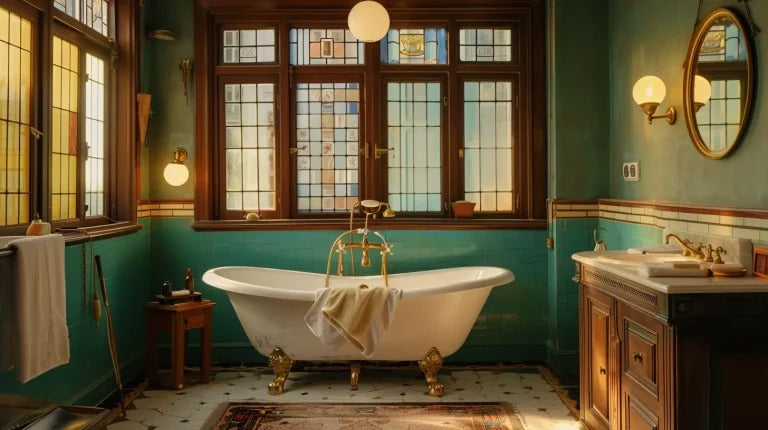
Tile patterns played a key role in 1920 bathroom designs. They added charm and character to the space. Porcelain and ceramic tiles created durable and stylish walls and floors. Soft pastel colors like mint green, pink, and powder blue were often paired with black and white tiles. These colors brightened the room and gave it a fresh look.
Art Deco inspired many tile patterns of the era. Geometric shapes, starbursts, fan designs, stripes, and borders appeared frequently. These patterns created visual interest and elegance. Bathrooms from the 1920s often used these classic tile arrangements to express style and sophistication.
Geometric Designs
Geometric tile patterns were a hallmark of 1920 bathroom decor. Squares, diamonds, and hexagons arranged in symmetrical layouts created bold visuals. These shapes often contrasted with soft pastel colors. Black and white tiles balanced the bright hues. The patterns gave a neat and orderly feel. Geometric designs made small bathrooms appear more spacious and structured.
Starbursts And Fan Shapes
Starburst and fan tile patterns added flair and movement. These shapes reflected the Art Deco fascination with modernity and light. Starbursts featured radiating lines like sun rays. Fan shapes curved outward like a half-circle. Both patterns were often placed as accents on floors or walls. They created focal points that caught the eye. These designs added energy without overwhelming the space.
Borders And Stripes
Tile borders and stripes framed bathroom walls and floors. Thin lines of contrasting colors outlined the room or separated sections. Borders could be simple stripes or more intricate patterns with repeating shapes. Stripes ran horizontally or vertically to elongate or widen the space. These details helped define the bathroom’s shape. They also added a refined and finished look to the tilework.
Credit: cottoncat.com
Tile Patterns
Fixtures and fittings in 1920 bathroom designs create a timeless and elegant look. These elements blend style and function perfectly. Classic shapes and materials define the era’s bathroom charm. The details add character and enhance the vintage feel. Each piece tells a story of early 20th-century craftsmanship.
Clawfoot And Roll-top Tubs
Clawfoot tubs stand out in 1920 bathrooms. Their raised feet give a sense of luxury. Roll-top tubs feature a smooth, curved edge. Both styles invite relaxation and comfort. Made from cast iron and coated with porcelain, they last long. These tubs serve as the room’s centerpiece. Their vintage appeal fits perfectly with period designs.
Pedestal Sinks
Pedestal sinks offer a simple yet classic touch. They save space while looking elegant. The tall, narrow base supports a wide basin. These sinks often have smooth curves and clean lines. Porcelain is the most common material used. Pedestal sinks blend well with other period fixtures. They keep the bathroom airy and uncluttered.
Chrome And Nickel Details
Chrome and nickel finishes shine in 1920 bathrooms. Faucets, taps, and handles often have these bright metals. They add a polished and clean look to the space. Nickel has a warmer tone, while chrome is cooler and shinier. These metals resist corrosion and wear well. They highlight the design’s attention to detail. Using chrome or nickel creates a cohesive vintage style.
Fixtures And Fittings
Lighting and mirrors played a vital role in 1920 bathroom designs. They enhanced the soft pastel colors and geometric patterns typical of the era. Light helped highlight the elegant fixtures and tiles. Mirrors added depth and brightness to small bathroom spaces.
Careful selection of lighting fixtures and mirrors created a balanced and stylish look. These elements combined practicality with Art Deco charm. Bathrooms from the 1920s often featured unique glass sconces and decorative lighting. Mirrored medicine cabinets offered both storage and visual appeal.
Frosted Glass Sconces
Frosted glass sconces were a popular choice for 1920 bathrooms. They softened the light, giving the room a warm, inviting glow. These sconces often had simple yet elegant designs. The frosted glass diffused harsh shadows and complemented pastel wall colors.
Mounted near the mirror or beside the bathtub, they balanced function and style. Their subtle light enhanced the bathroom’s relaxing atmosphere. Frosted glass sconces remain a charming nod to vintage bathroom lighting.
Decorative Fixtures
Decorative light fixtures added a touch of sophistication to 1920s bathrooms. Chrome or nickel plating was common for these fixtures, reflecting the Art Deco influence. Fixtures often featured geometric shapes or floral motifs. They served as focal points and elevated the room’s design.
These lights were more than practical tools; they were art. Stylish fixtures illuminated clawfoot tubs and pedestal sinks beautifully. Decorative lighting helped set the mood and highlighted key design features.
Mirrored Medicine Cabinets
Mirrored medicine cabinets were essential in 1920 bathroom layouts. They provided valuable storage while brightening the space with reflective surfaces. The mirrors often had beveled edges or etched designs. These details added elegance and matched the era’s decor.
Wall-mounted cabinets saved floor space and kept toiletries organized. Their reflective quality made small bathrooms feel larger and airier. Mirrored medicine cabinets combined utility and vintage style perfectly.
Lighting And Mirrors
Materials and surfaces define the charm of 1920 bathroom designs. They offer a mix of durability and style. These elements bring the vintage feel that stands the test of time.
Bathrooms from the 1920s often showcase rich textures and classic finishes. The materials used were chosen for both beauty and function. Their timeless appeal makes them popular in modern vintage-inspired bathrooms.
Porcelain And Ceramic Tiles
Porcelain and ceramic tiles were key in 1920 bathrooms. These tiles covered floors and walls with ease. They provided a clean, glossy finish that brightened the space.
Common patterns included geometric shapes and soft pastel colors. Tiles often featured starbursts, stripes, or fan shapes. These designs added an Art Deco flair to the rooms.
Besides aesthetics, these materials were easy to clean and water-resistant. This made them perfect for bathroom use. Their lasting quality means many original tiles still exist today.
Chrome Finishes
Chrome finishes were a popular choice for fixtures in the 1920s. Faucets, showerheads, and towel racks often gleamed with bright chrome. This finish added a sleek, modern touch to classic designs.
Chrome resisted rust and tarnish, keeping the bathroom looking fresh. It reflected light, enhancing the room’s brightness. This shiny metal was a symbol of elegance and cleanliness.
Using chrome also allowed for smooth, curved shapes in fixtures. This helped create the soft, rounded look typical of the era. Chrome remains a favorite finish in vintage style bathrooms.
Wood And Metal Accents
Wood and metal accents added warmth and contrast to 1920 bathrooms. Dark wood cabinets and shelves offered rich tones against pastel tiles. These accents created a cozy, inviting feel.
Metal details, such as brass or nickel, appeared on mirrors and drawer pulls. These touches balanced the coolness of tile and chrome. They also added subtle luxury and texture.
Wood was often varnished to protect it from moisture. Metal was polished to maintain its shine. Together, these materials highlighted craftsmanship and style in bathroom design.
Materials And Surfaces
Bathroom designs from the 1920s show clear differences between urban and rural styles. Cities had limited space and access to certain materials. Rural homes often had more room but fewer resources. These factors shaped how bathrooms looked and functioned in each setting. Understanding these contrasts helps appreciate the unique charm of each design.
Space Considerations
Urban bathrooms were usually small and compact. Designers focused on saving every inch of space. Fixtures were placed close together to fit the room. Rural bathrooms had more space to spread out. Larger tubs and sinks were common in countryside homes. The extra room allowed for more comfort and style.
Material Availability
Urban areas had easier access to modern materials. Porcelain tiles and chrome fixtures were popular in cities. Rural homes often used local materials like wood and stone. These natural materials gave rural bathrooms a rustic look. Limited supply meant fewer decorative details in the countryside.
Design Practicality
City bathrooms prioritized practicality due to space limits. Simple layouts and easy-to-clean surfaces were common. Rural designs focused on durability and function. Bathrooms had to withstand harsher conditions and less frequent maintenance. Both styles balanced beauty and usefulness in their own ways.
Credit: ohsobeautifulpaper.com
Storage Solutions
Modern adaptations of 1920 bathroom designs bring a fresh twist to classic styles. These updates blend old-world charm with today’s conveniences. This fusion creates spaces that are both stylish and practical. Designers focus on keeping the vintage spirit alive while adding modern comfort and technology.
Updating a 1920 bathroom means mixing textures, colors, and shapes. The goal is to honor the past without losing the benefits of modern design. These bathrooms often feature original elements alongside sleek new finishes. The result is a unique, inviting space that fits today’s lifestyle.
Mixing Vintage And Contemporary
Combining vintage pieces with contemporary items creates a balanced look. Classic clawfoot tubs sit next to modern faucets. Soft pastel tiles contrast with sleek, minimalist cabinets. This blend keeps the bathroom interesting and fresh. It allows homeowners to enjoy the best of both eras.
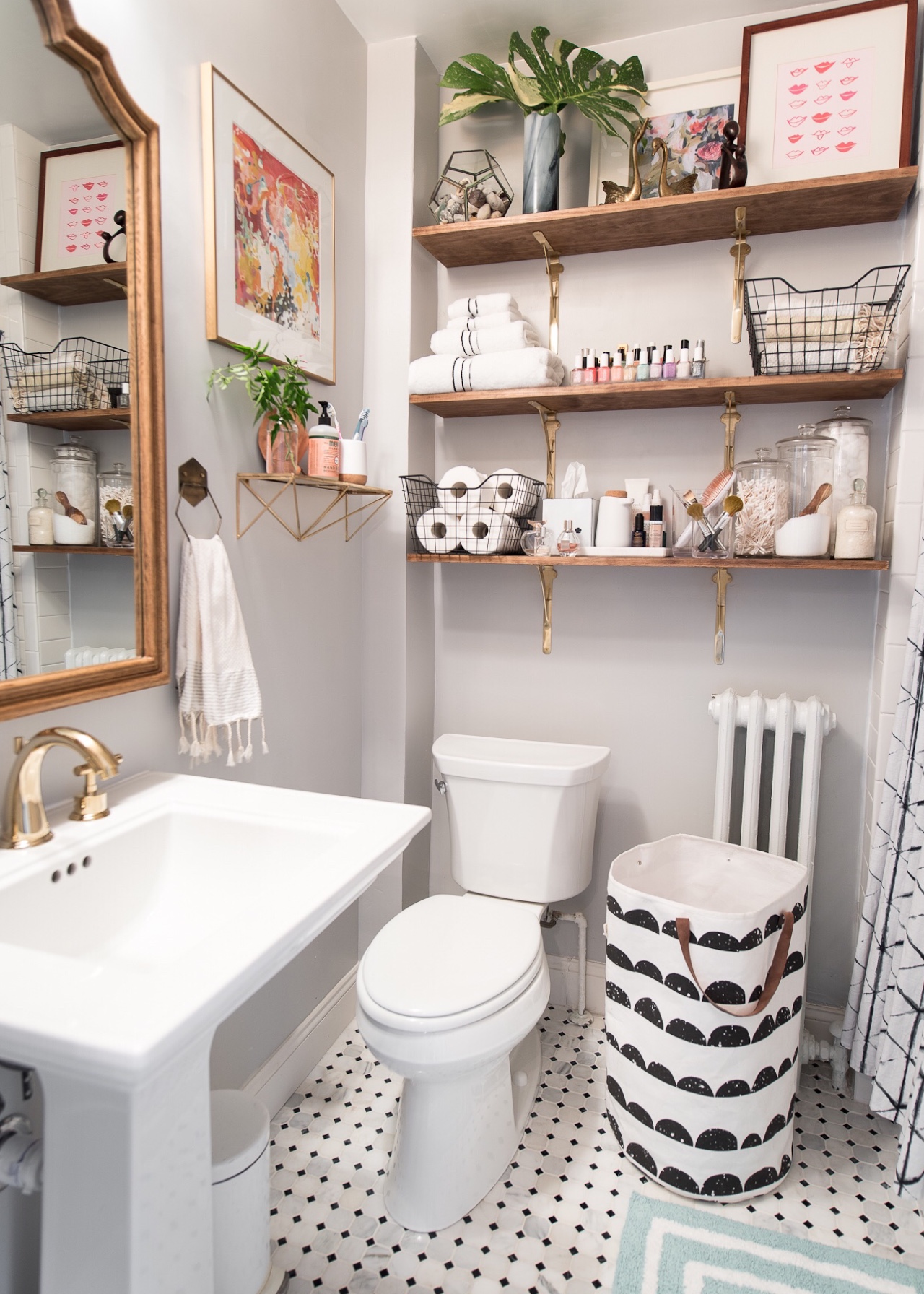
Adding modern lighting enhances vintage details. LED lights brighten intricate tile patterns and old-fashioned fixtures. Open shelving and simple mirrors improve functionality while respecting the original style. This mix is perfect for those who love history but want comfort too.
Restoring Classic Features
Restoring original elements preserves the bathroom’s character. Many 1920s homes still have porcelain sinks and tile floors. Careful cleaning and repair bring these features back to life. Replacing missing parts with matching materials keeps the look authentic.
Preserving wood trim, molding, and vintage glass adds depth. These details show craftsmanship from the past. Restoration focuses on quality and respect for the original design. It creates a strong connection to history and adds charm to modern homes.
Timeless Elegance In Today’s Homes
1920 bathroom designs offer timeless elegance that never fades. Soft pastel colors and geometric patterns add subtle beauty. These elements create calm, inviting spaces in any home.
Using classic materials like porcelain and chrome keeps the look polished. The style fits well with modern open floor plans and bright lighting. This elegance appeals to homeowners who want a stylish, yet cozy bathroom. It proves that old designs can shine in new homes.
Frequently Asked Questions
What Did Bathrooms In The 1920s Look Like?
Bathrooms in the 1920s featured pastel colors like mint green and pink, with Art Deco geometric tile patterns. They had freestanding clawfoot tubs, pedestal sinks, and chrome fixtures. Walls and floors often used porcelain tiles. Lighting included frosted glass sconces, and mirrored medicine cabinets provided storage.
What Type Of Tile Was Used In The 1920s?
Tiles in the 1920s featured pastel colors like mint green, pink, and blue. Porcelain and ceramic tiles showcased Art Deco geometric patterns such as stars, stripes, and fan shapes. Black and white tiles with bold borders also gained popularity in urban homes.
What Would A 1910 Bathroom Look Like?
A 1910 bathroom featured freestanding clawfoot tubs, pedestal sinks, pastel colors like mint and pink, and Art Deco geometric tiles. Walls and floors used porcelain tiles, with chrome fixtures and frosted glass sconces. Medicine cabinets were wall-mounted, and bulky wall showers appeared in some homes.
What Did A 1930 Bathroom Look Like?
A 1930 bathroom featured pastel colors like mint and pink, black-and-white tiles, clawfoot tubs, pedestal sinks, and Art Deco geometric patterns. Porcelain tiles, chrome fixtures, frosted glass sconces, mirrored medicine cabinets, and wall-mounted showers were common elements.
Conclusion
1920 bathroom designs bring vintage charm into modern homes. Soft pastel colors and geometric patterns create a timeless look. Freestanding clawfoot tubs and pedestal sinks add classic elegance. Chrome fixtures and frosted glass lighting brighten the space with style. These designs blend beauty with simple practicality.
Embracing this style can transform any bathroom into a cozy retreat. A touch of the 1920s inspires warmth and character today.