
When it comes to choosing the perfect flooring for your space, you want something that not only looks great but also feels right underfoot. That’s where textured floors come in.
Imagine walking on a surface that offers grip, style, and durability all at once. Whether you’re aiming to enhance safety in high-traffic areas or add a unique touch to your home or business, textured flooring can be the game-changer you’re looking for.
You’ll discover how textured floors can transform your environment, the different types available, and why they might be the best choice for your next flooring project. Ready to explore the world of textured floors and find the perfect fit for your needs? Let’s dive in.
Benefits Of Textured Floors
Textured floors offer several advantages that make them a popular choice for many spaces. They improve safety, add style, and last a long time. These benefits make textured flooring a smart investment for homes and businesses alike.
Enhanced Safety Features
Textured floors provide better grip compared to smooth surfaces. This reduces the risk of slips and falls, especially in wet areas. They are ideal for places like kitchens, bathrooms, and outdoor patios. The added traction helps protect children, elderly, and anyone moving quickly across the floor.
Aesthetic Appeal
Textured floors add depth and character to any room. They come in various designs, patterns, and finishes to match different styles. These floors can mimic natural materials like wood or stone, creating a warm and inviting look. The unique texture catches light differently, enhancing the room’s overall appearance.
Durability And Maintenance
Textured floors are tough and resist wear better than many smooth floors. They hide scratches and dirt well, keeping the floor looking clean longer. Maintenance usually requires simple cleaning with a mop or broom. Their strong surface withstands heavy foot traffic, making them perfect for busy areas.
Popular Types Of Textured Flooring
Textured flooring adds depth and character to any space. It also improves safety by reducing slips. Different materials offer various textures and durability levels. Here are popular types of textured flooring to consider.
Textured Tiles
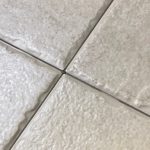
Textured tiles come in many styles and finishes. They can mimic natural stone, wood, or unique patterns. Porcelain and ceramic tiles are common choices. They resist moisture and are easy to clean. Textured tiles work well in kitchens, bathrooms, and outdoor areas.
Concrete Textures
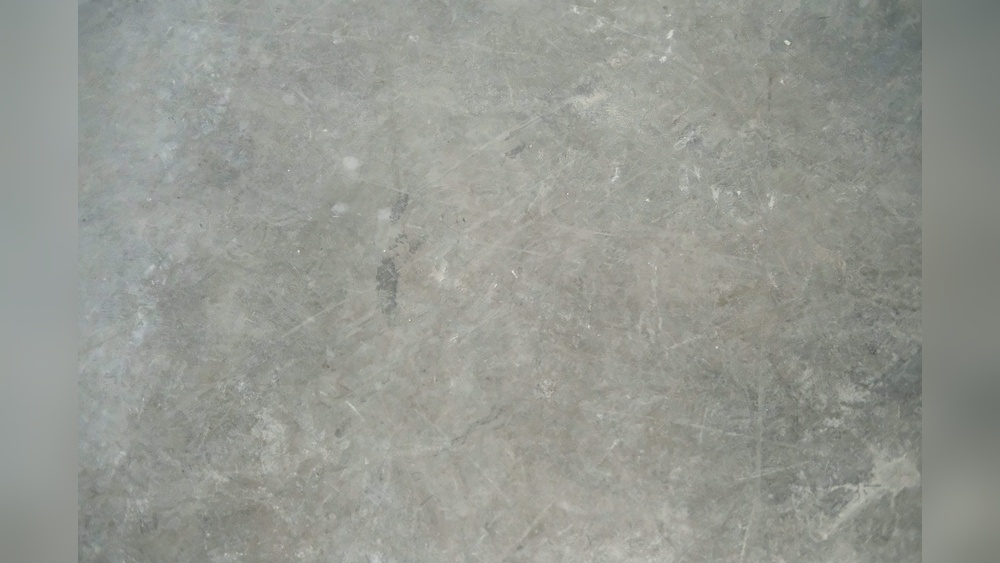
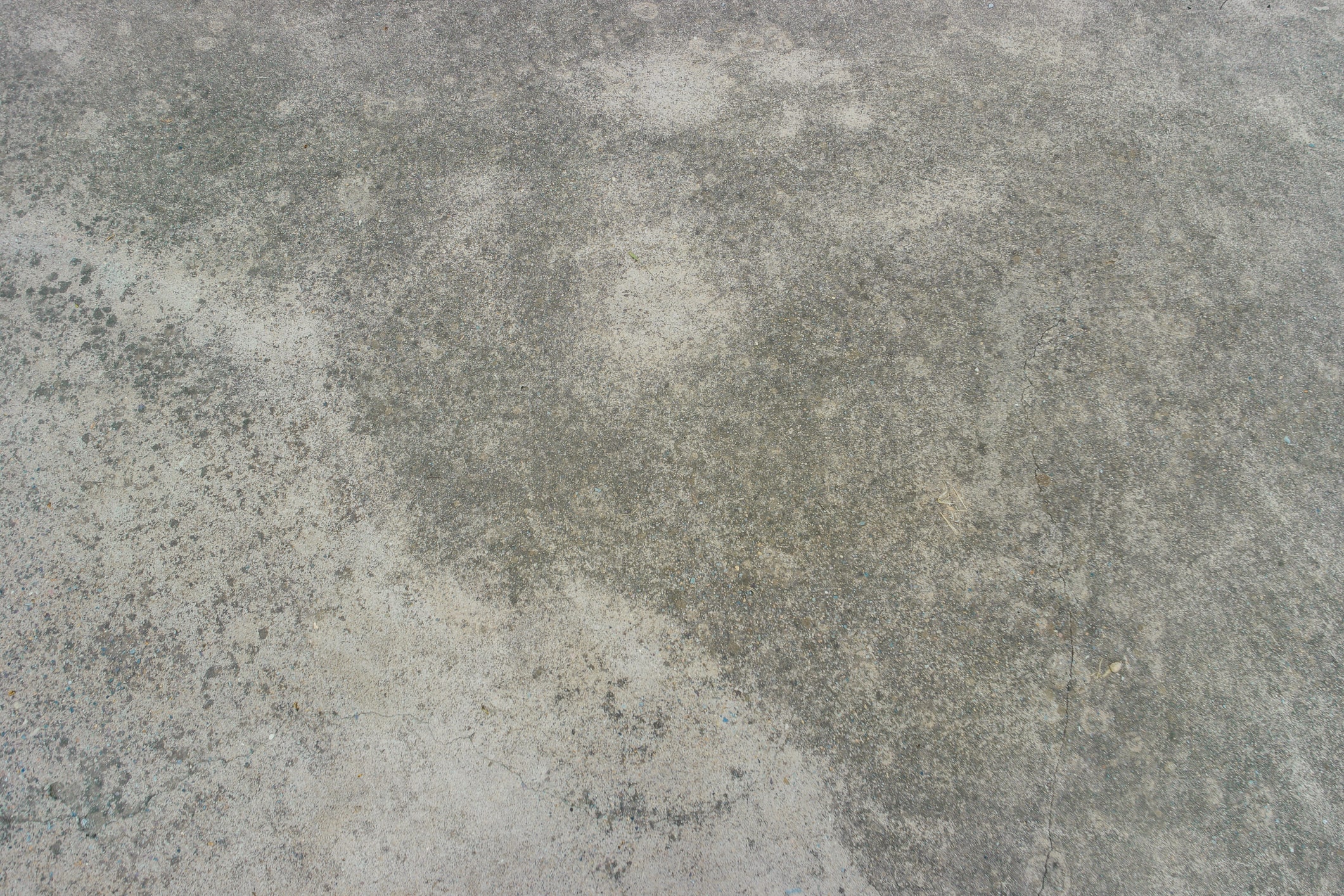
Concrete floors can have various textures like broom finish, stamped, or polished. These surfaces provide a modern, industrial look. Textured concrete is durable and low maintenance. It performs well in garages, basements, and commercial spaces. Concrete can be stained or colored for more style.
Laminate And Vinyl Options
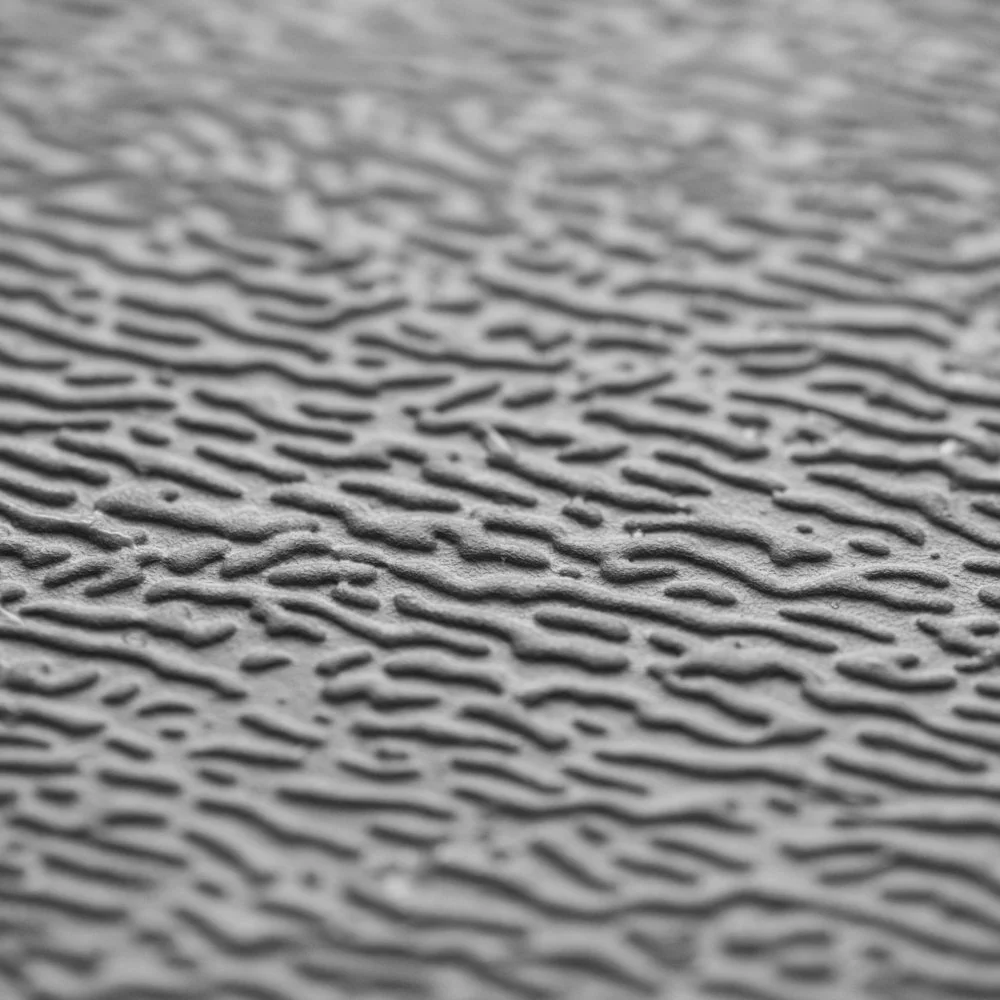
Laminate and vinyl floors often feature embossed textures. These mimic wood grain, stone, or tile surfaces. Both are affordable and easy to install. They resist scratches and moisture, making them ideal for busy households. Textured vinyl is soft underfoot and quiet when walked on.
Wood And Composite Floors
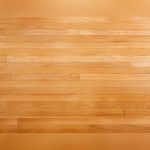
Wood floors can be wire-brushed, hand-scraped, or distressed for texture. These finishes highlight the wood grain and knots. Composite floors blend wood fibers and plastic for strength. They offer realistic textures with added durability. Textured wood floors add warmth and charm to any room.
Choosing The Right Texture
Choosing the right texture for your floor is key to its look and safety. Textured floors come in many patterns and finishes. Each texture offers different benefits. Picking the best one depends on where it will be used and how it fits your style.
Slip Resistance Levels
Slip resistance is important for safety. Some textures provide a rough surface that stops slipping. Others are smoother and better for low-risk areas. Check the slip rating of flooring materials. Higher slip resistance works well in wet or busy places.
Suitability For Indoor Vs Outdoor
Indoor floors need textures that are easy to clean and gentle on bare feet. Outdoor floors require tough textures that handle weather changes and dirt. Textures for patios and walkways should resist water and moss. Choose textures that fit the environment to last longer.
Matching Design Themes
Floor texture affects the room’s style. Rough stone textures add a rustic look. Smooth, subtle textures fit modern designs. Wood grain textures bring warmth to spaces. Match texture with your furniture and walls for a balanced look.

Credit: store.southernpaintandsupply.com
Installation Methods
Installing a textured floor involves several important steps. Choosing the right method affects the floor’s durability and appearance. This section explains different installation methods to help you decide what suits your project best.
Professional Vs Diy
Hiring a professional ensures a precise and clean finish. Experts have the tools and skills for complex surfaces. DIY installation saves money but needs patience and careful work. Mistakes can lead to uneven texture or damage. Consider your experience before starting a DIY textured floor project.
Preparation And Surface Requirements
Proper surface preparation is key to a strong textured floor. The floor must be clean, dry, and free of cracks. Uneven surfaces need leveling to avoid texture problems. Some materials require a primer to improve adhesion. Follow preparation steps carefully for best results.
Common Challenges
Achieving a consistent texture can be tricky. Uneven application may cause rough patches or smooth spots. Timing is crucial; applying texture too early or late affects bonding. Weather conditions like humidity can change drying times. Planning and patience help overcome these challenges.
Maintenance Tips
Proper maintenance keeps textured floors looking great and lasting longer. Follow simple care tips to protect your floors. Regular attention prevents damage and preserves texture.
Cleaning Best Practices
Use a soft broom or vacuum to remove dirt daily. Avoid harsh chemicals that can wear down textures. Clean spills quickly with a damp cloth. For deep cleaning, use mild soap and warm water. Rinse floors well to avoid sticky residue. Do not flood floors with water as it may cause damage.
Handling Wear And Tear
Place mats at entrances to catch dirt and grit. Use furniture pads to avoid scratches and dents. Rotate rugs and furniture to distribute wear evenly. Address small chips or cracks early to prevent bigger problems. Avoid dragging heavy items across textured floors.
Restoration Techniques
Light sanding can smooth out rough spots on wooden textured floors. Use a matching stain or sealant to restore color and protect surfaces. For tile floors, replace damaged tiles to keep the pattern intact. Professional refinishing may be needed for extensive damage. Regular sealing helps maintain texture and durability.
Applications In Austin, Texas
Textured flooring has become a popular choice in Austin, Texas. It offers both style and function. The unique surfaces add character and improve safety. Many spaces benefit from textured floors. Their versatility meets the needs of different environments. Here are some common applications of textured floors in Austin.
Residential Uses
Homeowners in Austin use textured floors for many reasons. These floors add grip, reducing slip risks in kitchens and bathrooms. Textured tiles create a rustic or modern look in living areas. Outdoor patios and walkways get extra traction with textured concrete. These floors also hide dirt and scratches well. They require little maintenance, which suits busy households.
Commercial And Public Spaces
Businesses and public places in Austin choose textured flooring for safety and durability. Restaurants prefer textured floors to prevent slips in kitchens and dining areas. Retail stores use textured surfaces to handle heavy foot traffic. Schools and community centers benefit from floors that resist wear and are easy to clean. Textured floors can withstand spills and stains, making them practical for busy spaces.
Climate Considerations
Austin’s hot and humid climate affects flooring choices. Textured floors help manage moisture by improving drainage and grip. They stay safer during rainy days and reduce the risk of falls. These floors also handle heat well, staying cool underfoot compared to smooth surfaces. Materials like textured stone and concrete are popular for their weather resistance. Choosing the right texture helps floors last longer in Austin’s climate.
Top Brands And Products
Choosing the right textured floor products starts with knowing the top brands. These brands offer durable, stylish, and safe flooring options. The best brands provide a variety of textures and finishes that fit different needs. From smooth to rough textures, they cover all styles for homes and businesses. Below are some popular sources for textured flooring products.
Floor And Decor Selection
Floor and Decor has a wide range of textured tiles and planks. They offer ceramic, porcelain, and natural stone options. Products like the Serenity Sands Textured Tile blend style with slip resistance. Their selection suits kitchens, bathrooms, and outdoor areas. Prices vary, allowing choices for many budgets. The store also provides detailed product descriptions to help buyers decide.
Home Depot And Lowe’s Options
Home Depot stocks popular textured flooring brands at affordable prices. Their Terra Italia Floor and Wall Tile is a favorite for its durability. Lowe’s offers vinyl floor tiles with textured surfaces, like the Armstrong Standard Excelon. These options are easy to install and maintain. Both stores provide online and in-store shopping with helpful customer support. Discounts and delivery services often make purchases easier.
Specialty Textured Tiles
Specialty tiles focus on unique textures and materials. Brands like TileBar offer ribbed matte porcelain tiles for a modern look. Rustico Tile & Stone sells non-slip Saltillo tiles ideal for wet areas. These specialty products add character and safety to floors. They are perfect for custom projects or specific design themes. Many specialty tiles come in various sizes and colors to match any decor.
Credit: www.lifefloor.com
Cost Factors
Understanding the cost factors of textured flooring helps make better decisions. Several elements influence the overall price. These include the materials used, the installation process, and the long-term value of the floor. Each factor plays a key role in budgeting for a textured floor project.
Material Price Ranges
Textured flooring materials vary widely in price. Natural stone and ceramic tiles tend to be more expensive. Vinyl and laminate options usually cost less. The texture type and quality also affect the price. Choosing the right material depends on your budget and style preferences.
Installation Expenses
Installation costs depend on the floor type and complexity. Some textured floors need special tools or skilled labor. Professional installation ensures durability and safety. DIY installation may save money but risks mistakes. Always consider installation fees as part of the total cost.
Long-term Value
Textured floors offer benefits beyond the initial price. They provide better grip and reduce slipping hazards. Durable materials last longer and need less maintenance. Investing in quality flooring can save money on repairs. Consider long-term value to get the best return on investment.
Credit: www.garageexperts.com
Frequently Asked Questions
What Is Textured Flooring?
Textured flooring features a raised or patterned surface for improved grip and aesthetic appeal. It enhances safety and adds style.
What Are The Disadvantages Of Textured Tiles?
Textured tiles can be harder to clean due to grooves trapping dirt. They may also feel rough underfoot and cost more than smooth tiles.
What Are The 5 Types Of Hard Flooring?
The five types of hard flooring are hardwood, tile, stone, laminate, and vinyl. Each offers durability and unique style options.
What Is The Rule Of 3 Flooring?
The rule of 3 flooring means installing three different flooring materials or patterns in one space. It balances aesthetics and functionality effectively.
Conclusion
Textured floors add style and safety to any space. They prevent slips and improve grip, perfect for busy homes. Different materials offer various looks and durability. Choose a texture that fits your lifestyle and design taste. Proper care keeps textured floors looking great for years.
Consider textured flooring for a practical, attractive upgrade. It enhances both comfort and function in your rooms.