
Are you tired of dull, plain concrete floors that make your space feel cold and lifeless? Imagine transforming your floors into stylish, textured surfaces that not only look great but also provide better grip and durability.
Concrete floor texture paint is the secret weapon you need to upgrade your floors quickly and affordably. Whether you want to refresh your garage, patio, or basement, this easy-to-apply solution gives your floors a fresh, modern look while protecting them from wear and tear.
Keep reading to discover how concrete floor texture paint can turn your floors into a stunning feature you’ll be proud of.

Credit: www.amandaseghetti.com
Benefits Of Concrete Floor Texture Paint
Concrete floor texture paint offers many advantages that improve both the look and function of floors. This type of paint adds a unique style while strengthening the surface. It is a cost-effective way to upgrade concrete floors in homes, garages, or commercial spaces.
Besides beauty, concrete floor texture paint also enhances floor safety and durability. It creates a finish that lasts longer under heavy use. This makes it a smart choice for busy areas that need extra protection.
Enhancing Aesthetics
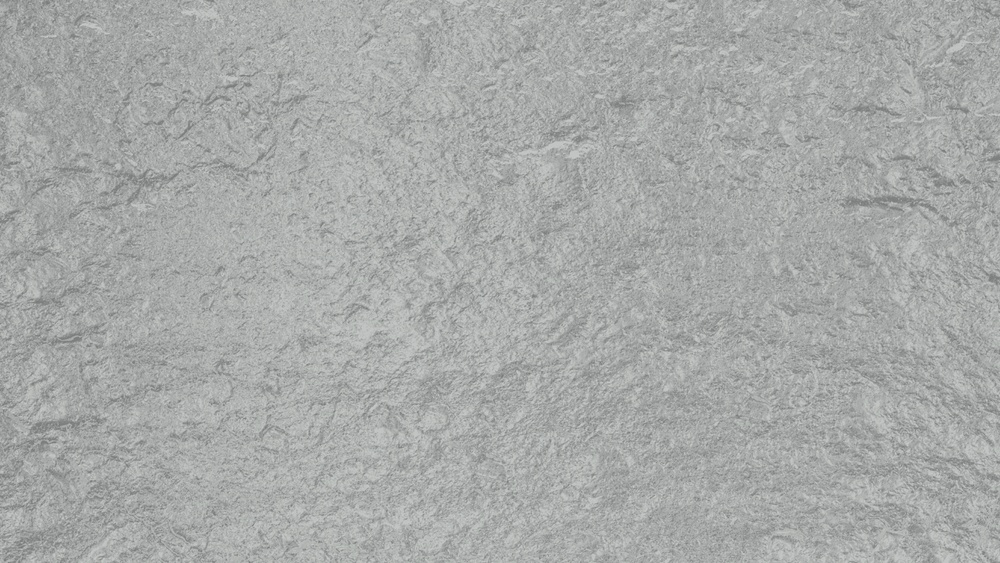
Texture paint adds depth and character to plain concrete floors. It comes in various patterns and colors that brighten dull spaces. This paint hides cracks and stains well, giving floors a fresh and clean look. The textured surface adds visual interest, making rooms feel more inviting.
Improving Durability
This paint forms a tough layer that protects concrete from wear and tear. It resists chipping, cracking, and fading over time. The coating shields floors from moisture and chemicals, extending their life. Maintenance becomes easier since the surface stays strong and smooth.
Increasing Slip Resistance
Textured paint creates a non-slip surface on concrete floors. It reduces the risk of slips and falls, especially in wet areas. This feature makes floors safer for families, employees, and visitors. It is ideal for garages, patios, kitchens, and other high-traffic spots.
Types Of Texture Paints
Concrete floor texture paint comes in several types. Each type offers unique benefits and finishes. Choosing the right texture paint depends on your floor’s use and style preferences. Below are some common types of texture paints used on concrete floors.
Epoxy-based Coatings
Epoxy-based coatings create a tough, durable surface on concrete floors. These coatings resist stains, chemicals, and heavy foot traffic. They bond well with concrete and provide a glossy finish. Epoxy texture paints are ideal for garages, warehouses, and commercial spaces. The surface can be smooth or have added texture for slip resistance.
Acrylic Paints
Acrylic paints dry quickly and are easy to apply. They offer good color retention and resist fading under sunlight. Acrylic texture paints are less durable than epoxy but still protect concrete well. They are suitable for patios, walkways, and indoor floors. These paints allow a matte or slightly textured finish that adds grip and style.
Polyurethane Finishes
Polyurethane finishes provide a flexible and strong protective layer. They resist abrasion, UV rays, and moisture damage. These finishes enhance the texture and color of concrete floors. Polyurethane texture paints work well in both indoor and outdoor settings. Their smooth yet textured surface helps prevent slips and adds shine.
Choosing The Right Texture Paint
Choosing the right texture paint for your concrete floor is key to achieving lasting beauty and durability. The correct paint enhances the floor’s look and protects it from wear. It also ensures safety with the right grip for your space.
Consider different factors before buying. These factors help you pick the best texture paint to meet your needs.
Consider Surface Conditions
Check if the concrete is smooth or rough. Surface cracks or stains affect paint adhesion. Clean the floor well before painting. Some texture paints work better on rough surfaces. Others need very smooth floors. Match the paint type to your floor condition.
Evaluate Traffic And Usage
Think about how much foot or vehicle traffic the floor will get. High traffic areas need strong, durable paint. Low traffic areas can use lighter texture paints. Consider the type of use. Garage floors need different paint than patios. Choose paint made for your floor’s activity level.
Color And Pattern Options
Texture paints come in many colors and patterns. Choose colors that match your style and space. Patterns can hide dirt and wear well. Light colors brighten a room but show stains. Dark colors hide stains but make spaces smaller. Pick colors and patterns that fit your needs and taste.
Preparing Concrete Floors
Preparing concrete floors is essential before applying texture paint. Proper preparation ensures the paint sticks well and lasts longer. It also helps the floor look smooth and attractive. Skipping these steps can cause peeling or uneven texture.
Cleaning And Repairing
Start by removing dirt, dust, and grease from the floor. Use a broom, vacuum, or mop to clean thoroughly. Check for cracks or holes in the concrete. Fill these gaps with a concrete patch or filler. Let repairs dry fully before moving on.
Etching And Priming
Etching opens the concrete pores for better paint adhesion. Use a concrete etcher or muriatic acid solution carefully. Rinse the floor well and let it dry. After etching, apply a primer made for concrete surfaces. Primer helps paint bond and prevents peeling.
Ensuring Dryness
The floor must be completely dry before painting. Moisture can cause paint to bubble or not stick. Check the weather forecast to avoid painting on rainy days. Allow the floor to dry at least 24 hours after cleaning and etching.
Application Techniques
Applying concrete floor texture paint requires the right techniques for a lasting finish. Proper methods ensure the paint adheres well and creates the desired texture. Each approach has unique benefits and suits different project needs. Understanding these methods helps achieve a professional look on your concrete floors.
Using Rollers And Brushes
Rollers and brushes are common tools for applying texture paint. Rollers cover large areas quickly and provide even coats. Brushes work well for edges and corners. Use a thick-nap roller for better texture coverage. Apply paint in smooth, consistent strokes. Avoid overloading the roller or brush to prevent drips and uneven texture.
Spray Application Methods
Spraying offers a fast and uniform application. Use a texture sprayer or airless paint sprayer for best results. Hold the sprayer at a steady distance from the floor. Move in slow, overlapping passes to avoid thin spots. Spraying works well on rough or uneven surfaces. It creates a fine, consistent texture layer quickly.
Layering For Texture
Layering paint builds depth and enhances texture. Apply a base coat first and let it dry completely. Add a second coat with a thicker application or a different texture pattern. Each layer adds dimension and grip to the floor surface. Allow each layer to dry before adding the next. This method improves durability and visual interest.

Credit: www.titanapplicators.com
Maintenance Tips
Maintaining your concrete floor texture paint helps keep it fresh and durable. Proper care extends the life of your floor’s appearance. Follow simple steps to preserve its beauty and strength.
Regular Cleaning Practices
Clean the floor often to avoid dirt buildup. Use a soft broom or vacuum to remove dust. Mop with warm water and mild detergent. Avoid harsh chemicals that can damage the paint. Dry the surface well after cleaning to prevent moisture issues.
Repairing Chips And Cracks
Check the floor regularly for chips or cracks. Small damages can grow if left alone. Use a concrete patch or filler to fix these spots. Smooth the repair area and let it dry completely. Prompt repairs keep the floor safe and looking good.
Reapplying Coatings
Over time, the paint may fade or wear out. Plan to reapply the coating every few years. Clean the floor thoroughly before applying new paint. Choose the same or compatible paint for best results. Recoating restores protection and refreshes the texture.
Popular Brands And Products
Choosing the right concrete floor texture paint is key to a durable and attractive finish. Popular brands offer various options that combine texture and protection. These products work well for both indoor and outdoor floors.
Many trusted brands provide quality texture paints. They differ in texture style, finish, and durability. Buyers can find options suitable for patios, garages, basements, and more.
Top Choices At Home Depot
Home Depot stocks several popular texture paints for concrete floors. BEHR PREMIUM offers a tan granite grip coating that adds a natural stone look. It suits both interior and exterior use. Drylok’s latex base concrete floor paint is another option, known for its strong adhesion and water resistance. Rust-Oleum also supplies concrete and garage floor paints with satin finishes. These products enhance slip resistance and durability.
Options From Lowe’s
Lowe’s carries a range of decorative concrete coatings. Kilz Decorative Concrete Coating is a popular choice for textured finishes. It provides good coverage and color retention. SpreadRock Granite Stone Coating offers a granite stone texture that works well inside or outside. Lowe’s paints are easy to apply and maintain, making them a solid pick for DIY projects.
Specialty Products Online
Specialty online stores provide unique texture paint products. Some brands focus on natural granite fleck sprays and non-skid coatings. These products often include clear epoxy options for added floor protection. Online specialty paints come in various textures and colors, perfect for custom projects. They cater to specific needs beyond standard retail offerings.
Creative Design Ideas
Concrete floor texture paint offers exciting ways to transform plain floors. Creative design ideas add style and personality to any space. These ideas help enhance the look while protecting the floor. Simple techniques can create stunning effects that catch the eye. Here are some popular design ideas that work well with concrete floor texture paint.
Stone And Granite Effects
Stone and granite effects mimic natural rock surfaces on concrete floors. These effects add depth and elegance to any room. Use different shades of paint to create speckles and veins. Rollers or sponges help achieve the rough texture of granite. This design fits well in kitchens, patios, and entryways. It offers a durable and attractive finish that lasts long.
Custom Patterns And Colors
Custom patterns allow for unique and personalized floor designs. Geometric shapes, stripes, or even floral motifs brighten up dull floors. Choose colors that match your room’s theme or contrast for bold looks. Stencils and painter’s tape assist in making clean lines and sharp edges. This method turns ordinary concrete into a vibrant art piece.
Combining Texture With Epoxy
Combining texture paint with epoxy coating enhances both beauty and durability. Epoxy adds a glossy, hard finish that protects textured surfaces. The textured base prevents slipping while epoxy seals the floor against stains. This combo works great in garages, basements, and commercial spaces. It offers a sleek, professional appearance with practical benefits.
Common Challenges And Fixes
Painting a concrete floor with texture paint brings style and durability. Yet, challenges arise during and after application. Knowing common problems helps keep floors attractive and long-lasting. Simple fixes can save time and money. This section explores typical issues and their solutions for textured concrete floor paint.
Dealing With Peeling Paint
Peeling paint happens when the floor is dirty or damp. Always clean the surface thoroughly before painting. Remove dust, oil, and loose debris. Use a concrete cleaner for best results. Check for moisture in the concrete. If found, let the floor dry completely.
Apply a primer designed for concrete floors. This helps paint stick better. Choose high-quality texture paint made for concrete. Avoid painting in very humid or cold conditions. If paint peels later, scrape off loose spots. Sand the area smooth, then repaint with primer and paint.
Avoiding Uneven Texture
Uneven texture occurs from wrong tools or technique. Use a roller or brush suited for textured paint. Stir paint well before and during application. Apply paint in thin, even coats. Thick layers cause clumps and rough patches.
Work quickly but carefully to spread paint uniformly. Overlapping strokes help blend texture. Test the paint on a small area first. Fix uneven spots by lightly sanding and repainting. Patience and steady hands create smooth, consistent texture.
Handling Moisture Issues
Moisture under concrete ruins paint adhesion. Test moisture by taping plastic sheet on floor for 24 hours. If condensation forms, moisture is a problem. Use a moisture barrier before painting. Seal cracks and leaks to stop water flow.
Choose paint with moisture resistance. Avoid painting floors prone to water exposure. Ventilate the area well to speed drying. Moisture control prevents peeling, bubbling, and mold growth. Regular checks help spot moisture problems early.

Credit: www.shutterstock.com
Frequently Asked Questions
What Can I Paint A Concrete Floor With?
Paint concrete floors with epoxy, latex, acrylic, or concrete-specific floor paints. Use textured or non-slip coatings for safety and durability.
Is Painting Concrete Floors A Good Idea?
Painting concrete floors enhances durability, improves appearance, and resists stains. Proper surface prep and quality paint ensure lasting results.
What Type Of Paint Is Best For A Concrete Floor?
Epoxy paint is best for concrete floors due to durability and resistance. Acrylic and latex paints work well for indoor, low-traffic areas. Choose non-slip textured paints for safety. Proper surface preparation ensures long-lasting results.
How To Add Texture To Concrete Floor?
Add texture to a concrete floor by applying textured paint, using a roller with a stone or grit additive, or stamping patterns while wet.
Conclusion
Concrete floor texture paint offers a simple way to improve your space. It adds grip and style to dull surfaces. The paint lasts long and resists wear well. You can apply it yourself with basic tools. Choose a color and texture that fits your needs.
This option keeps floors safe and looks great too. Try it for a fresh, clean, and sturdy floor finish.