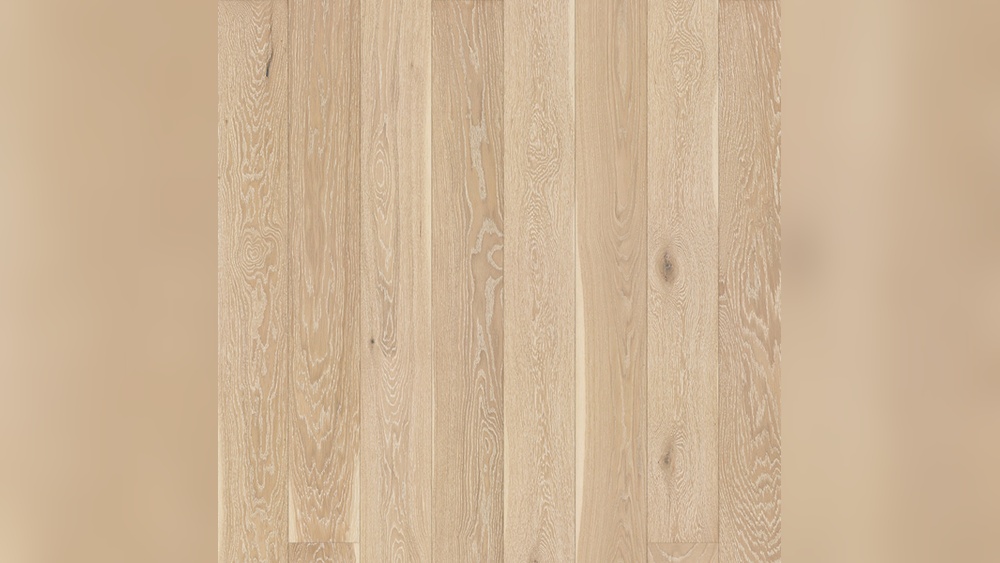

When choosing flooring for your home, texture plays a huge role in how your space looks and feels. Engineered wood flooring texture offers a unique blend of natural beauty and practical design that can transform your rooms.
But what exactly makes its texture so special? And how can it affect your comfort, style, and even maintenance? If you want flooring that combines the warmth of real wood with durability, understanding the texture of engineered wood is key.
Keep reading to discover how this flooring option can elevate your home’s atmosphere and what you need to know before making your choice.
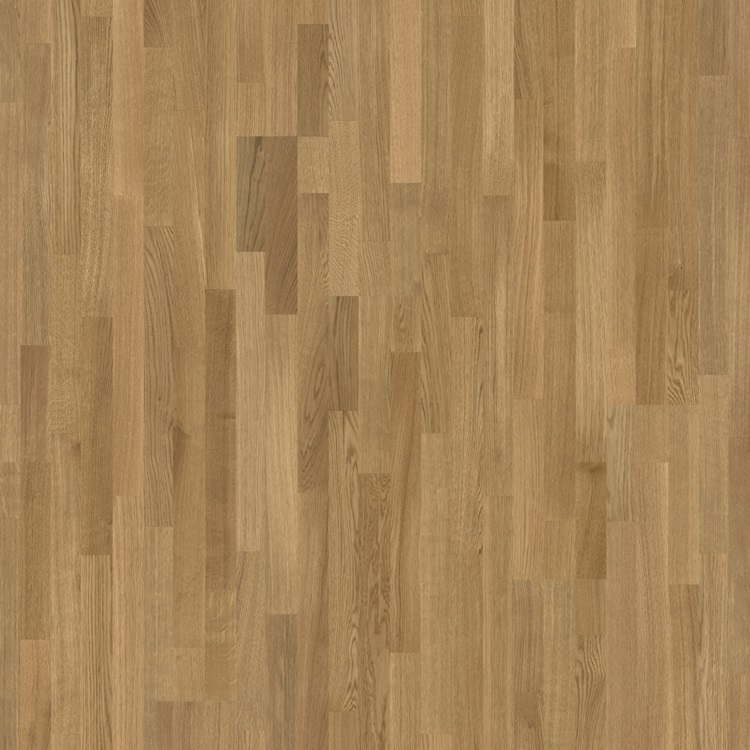
Credit: redfloorindia.in
Types Of Engineered Wood Textures
Engineered wood flooring offers a variety of textures that enhance its beauty and feel. Each texture type gives a unique look and touch to your floors. Choosing the right texture can change the mood of a room and highlight the wood’s natural charm.
Textures also affect the flooring’s durability and maintenance. They can range from very smooth to deeply rustic. Understanding these types helps in selecting the best fit for your home’s style and needs.
Smooth And Satin Finishes
Smooth finishes provide a sleek, modern look. They feel soft and even underfoot. Satin finishes add a subtle shine without being glossy. Both types highlight the wood grain clearly. They are easy to clean and maintain. Ideal for contemporary and minimalist interiors.
Wire-brushed And Hand-scraped
Wire-brushed textures show the wood’s natural grain with a slightly rough feel. This technique removes the soft wood, leaving a textured surface. Hand-scraped finishes mimic the look of old, worn wood. They have small grooves and marks made by hand tools. Both add character and depth to the floor. They hide scratches and dirt better than smooth finishes.
Distressed And Reclaimed Styles
Distressed wood has intentional dents, scratches, and marks to look aged. Reclaimed styles use wood that once belonged to old buildings or furniture. These floors tell a story and bring warmth. They suit rustic, farmhouse, and vintage designs. Distressed and reclaimed floors often feel rougher but add strong visual interest.

Credit: thewoodenfloorstore.com
Choosing Texture For Different Rooms
Choosing the right texture for engineered wood flooring changes how a room feels and performs. Texture affects the look and the grip underfoot. It also impacts how well the floor hides scratches or dirt. Each room has unique needs that influence the best texture choice.
High-traffic Areas
Rooms like hallways and entryways see lots of foot traffic. A textured surface, such as wire-brushed or hand-scraped, hides scratches and dents better than smooth finishes. These textures add grip, reducing slips and falls. Choose darker tones or distressed textures to mask dirt and wear.
Moisture-prone Spaces
Kitchens and bathrooms face moisture and spills often. Smooth or low-texture floors clean easily and resist water damage better. Avoid deep grooves or rough textures that trap moisture and dirt. Engineered wood with a matte finish provides a balance between style and practical cleaning.
Living And Dining Rooms
These spaces benefit from a warm and inviting feel. Medium textures like hand-scraped or wire-brushed add character without being too rough. They create a cozy look and feel while still hiding minor wear. Smooth finishes work well if you want a sleek, modern design.
Benefits Of Textured Surfaces
Textured surfaces in engineered wood flooring offer several practical and visual benefits. These surfaces bring depth and character to floors, making spaces feel warm and inviting. Beyond looks, texture plays a key role in maintaining the floor’s condition and safety over time.
Enhanced Aesthetic Appeal
Textured floors add a natural, rich look that smooth floors often lack. The grain patterns and grooves create shadows and highlights. This effect makes each plank look unique and more authentic. It gives rooms a cozy, handcrafted feel that suits many interior styles.
Concealing Wear And Tear
Small scratches and dents blend into the textured surface. This helps the floor keep its fresh appearance longer. Heavy foot traffic and daily use leave less visible marks. The texture hides dust and dirt better than flat floors, reducing the need for constant cleaning.
Improved Slip Resistance
Textured flooring offers better grip underfoot. This reduces the risk of slipping, especially in busy homes or commercial spaces. The uneven surface helps shoes and bare feet stay steady. It is a safer choice for families with children or elderly members.
Common Drawbacks Of Engineered Wood Textures
Engineered wood flooring offers an attractive look and easier installation. Still, its texture comes with some drawbacks that affect its long-term appeal and durability. Understanding these common issues helps homeowners make smarter choices for their flooring needs.
Limited Refinishing Options
The top veneer on engineered wood is thin. This layer can only be sanded a few times before it wears out. Unlike solid hardwood, it cannot be refinished many times. Once the surface is damaged or worn, replacement may be necessary.
Susceptibility To Scratches And Dents
Engineered wood textures can show scratches easily. Heavy furniture or sharp objects can leave marks. Dents may also occur if heavy items fall on the floor. The finish helps protect, but it is not immune to damage.
Moisture And Humidity Sensitivity
Moisture can harm engineered wood flooring textures. Excess humidity causes warping or swelling. Water spills left unattended may damage the layers beneath. Proper care and moisture control are essential for longevity.
Impact Of Texture On Flooring Durability
Texture plays a key role in the durability of engineered wood flooring. It affects how the floor stands up to daily wear and tear. Different textures impact the floor’s resistance to scratches, dents, and other damage. Choosing the right texture helps maintain the floor’s appearance and lifespan.
Wear Layer Thickness And Longevity
The wear layer is the top surface of engineered wood flooring. A thicker wear layer means better protection against damage. Floors with thicker wear layers last longer and can be refinished more times. Thin wear layers may show wear faster and have a shorter life span.
Effect On Maintenance And Cleaning
Texture influences how easy it is to clean the floor. Smooth textures are simpler to sweep and mop. Rough or embossed textures can trap dirt and dust, needing more effort to clean. Proper texture choice reduces maintenance time and keeps floors looking fresh.
Resistance To Fading And Stains
Textured surfaces can hide stains and fading better than smooth ones. Floors with natural or wire-brushed textures show less wear from sunlight and spills. Choosing the right texture helps protect the floor’s look in high-traffic areas and bright rooms.
Installation Tips For Textured Flooring
Installing engineered wood flooring with texture requires special care. Textured surfaces add beauty but need precise handling. Proper installation ensures durability and a flawless look. Follow these tips to get the best results from your textured flooring.
Click-lock Vs Glue-down Methods
Click-lock flooring is easier to install. It snaps together without glue or nails. This method suits DIY beginners and saves time. Glue-down installation offers a stronger bond. It works well on concrete or uneven subfloors. Choose glue-down for heavy traffic areas. Both methods suit textured flooring but consider your skill level and floor type.
Preparing Subfloor For Textured Surfaces
A smooth, clean subfloor is vital. Remove dust, dirt, and debris before installation. Check for moisture and fix any dampness issues. Level the floor to avoid bumps under textured planks. Use a moisture barrier if needed. Proper preparation prevents damage and ensures the texture stays intact.
Professional Vs Diy Installation
DIY installation can save money and be rewarding. Simple click-lock floors are best for beginners. Textured surfaces may need careful alignment and tools. Professionals have experience with complex patterns and glue-down methods. They finish the job faster and with fewer mistakes. Decide based on your confidence, budget, and floor complexity.
Maintenance Strategies For Textured Floors
Textured engineered wood floors add beauty and depth to any room. Their unique surfaces need special care to stay attractive and last longer. Proper maintenance keeps the texture looking fresh and protects the wood beneath. Follow these strategies to clean, prevent damage, and repair your textured floors effectively.
Cleaning Techniques For Different Textures
Each texture type requires a gentle cleaning method. Smooth textures need simple sweeping or vacuuming with a soft brush. Wire-brushed or hand-scraped floors trap dirt easily. Use a microfiber mop to reach crevices without scratching.
Avoid harsh chemicals and excessive water. Use pH-neutral cleaners made for wood floors. Lightly dampen the mop instead of soaking it. Dry the floor quickly to prevent moisture damage. Regular cleaning stops dirt buildup that dulls the texture.
Preventing Damage And Wear
Place mats at entrances to catch grit and dust. Furniture pads stop scratches from moving chairs and tables. Avoid walking on floors with high heels or cleats, which can dent wood.
Maintain stable indoor humidity between 35% and 55%. Wood expands or contracts outside this range, causing cracks or gaps. Keep sunlight exposure low by using curtains or blinds. UV rays fade textures and colors over time.
Refinishing And Repair Options
Textured floors have a thinner top layer than solid wood. Refinishing is possible but limited to a few times depending on veneer thickness. Use light sanding and hand tools to preserve texture patterns.
Minor scratches can be fixed with wood fillers or stain markers matching the floor color. Deep damage may require replacing individual planks. Hire a professional for repairs to maintain the floor’s look and value.
Popular Engineered Wood Species And Textures
Engineered wood flooring offers a variety of species and textures to suit different tastes. Each wood type has distinct grain patterns and finishes. This variety allows homeowners to find floors that match their style and home atmosphere.
Understanding popular engineered wood species helps in choosing the right texture and look. The choice affects both the floor’s durability and aesthetic appeal. Below, key wood species and their common textures are explored.
Oak Variants And Their Finishes
Oak is a top choice for engineered wood floors. It features a strong grain pattern that adds character. White oak shows a straighter, uniform texture. Red oak has a more pronounced grain with natural waves.
Finishes include smooth, wire-brushed, and hand-scraped. Smooth oak offers a sleek, modern look. Wire-brushed oak highlights the grain by removing soft wood. Hand-scraped oak adds rustic charm with its uneven surface.
Hickory And Acacia Textures
Hickory is known for its rugged texture and color contrast. It has a bold grain with knots and streaks. This wood gives floors a lively, natural feel. Acacia shows a smoother surface but with unique grain swirls.
Both woods often come with matte or satin finishes. The textures work well in casual or rustic interiors. Their toughness also makes them ideal for busy homes.
Exotic Woods With Unique Surfaces
Exotic species like Brazilian cherry and tigerwood bring rich colors and rare grains. Their surfaces often show dramatic patterns and deep hues. These woods are prized for their distinctive look.
Textural options include hand-scraped and wire-brushed finishes. These enhance the exotic wood’s natural beauty. Such floors add a touch of luxury and uniqueness to any room.
Environmental And Health Considerations
Choosing engineered wood flooring involves more than just style and durability. Environmental and health impacts play a crucial role in making the right choice. Understanding these factors helps create a safer and greener home environment.
Voc Emissions And Indoor Air Quality
Volatile Organic Compounds (VOCs) are chemicals that can release from flooring materials. High VOC levels may cause headaches, allergies, and respiratory problems. Engineered wood flooring with low VOC emissions improves indoor air quality. Look for products labeled as low-VOC or no-VOC. Proper ventilation during and after installation also reduces indoor pollution.
Sustainable Sourcing And Certifications
Wood sourced responsibly protects forests and wildlife. Certified flooring ensures wood comes from managed forests. Look for certifications like FSC (Forest Stewardship Council) or PEFC (Programme for the Endorsement of Forest Certification). These labels guarantee sustainable practices. Choosing certified wood supports environmental conservation and reduces deforestation risks.
Choosing Low-emission Flooring
Selecting flooring with low emissions protects your family’s health. Check product details for emissions standards such as CARB (California Air Resources Board) or GREENGUARD certification. These standards limit harmful chemicals in flooring materials. Low-emission flooring creates a safer indoor space and reduces long-term health risks.
Trends In Engineered Wood Flooring Textures
Engineered wood flooring textures are evolving with new styles and finishes. These trends bring fresh looks to homes and commercial spaces. Texture impacts the feel and appearance of flooring, making it a key choice for many buyers. Different textures can create unique atmospheres, from rustic charm to sleek modernity.
Many designers and homeowners prefer textures that add depth and character. Engineered wood offers a variety of options, combining beauty with durability. These trends focus on enhancing natural wood appeal while fitting various interior styles.
Wide Plank And Mixed Width Designs
Wide plank flooring offers a spacious, open look. It highlights the wood grain and natural knots. Mixed width designs add variety and interest to the floor. This combination creates a rustic and dynamic feel. Wide planks often make rooms appear larger and more inviting.
Mixed widths break uniformity, giving floors a handcrafted appearance. These designs suit both traditional and modern spaces. They offer flexibility in styling and layout choices.
Matte And Natural Finishes
Matte finishes are popular for their subtle and soft look. They reduce glare and show fewer scratches. Natural finishes enhance the wood’s original color and texture. Both finishes create a warm and organic atmosphere.
These options avoid the overly shiny, artificial appearance. They emphasize the wood’s true beauty and grain patterns. Matte and natural finishes are easy to maintain and blend well with various decor styles.
Combining Textures For Visual Interest
Mixing textures adds depth and complexity to flooring design. For example, pairing smooth and wire-brushed surfaces creates contrast. This mix highlights the wood’s natural variations and craftsmanship.
Combining textures can define different areas in open-plan homes. It also adds tactile appeal underfoot, making spaces more engaging. Layered textures work well with neutral colors and natural materials.

Credit: www.tileclub.com
Frequently Asked Questions
What Is The Disadvantage Of Engineered Hardwood?
Engineered hardwood has limited refinishing due to a thin veneer, is prone to moisture damage, scratches, and quality varies by manufacturer.
What Are The Different Finishes For Engineered Wood Flooring?
Engineered wood flooring finishes include matte, satin, semi-gloss, and high-gloss. Textured options like wire-brushed and hand-scraped add character. UV-cured and aluminum oxide finishes enhance durability and scratch resistance. These finishes protect and highlight the wood’s natural beauty.
Does Engineered Wood Feel Like Real Wood?
Engineered wood feels very similar to real wood due to its natural veneer top layer. It offers authentic texture and warmth but may lack the depth of solid wood. Quality and finish affect how closely it mimics real wood’s look and feel.
Can You Mop An Engineered Floor?
Yes, you can mop an engineered floor using a damp mop. Avoid excessive water to prevent damage or warping. Use a mild cleaner designed for engineered wood for best results. Dry the floor promptly after mopping to maintain its finish and durability.
Conclusion
Engineered wood flooring offers a unique texture that enhances any room’s look. It combines real wood’s beauty with practical design. The surface feels natural and adds warmth underfoot. Remember, the thin top layer limits how often you can refinish it.
Keep it clean and dry to avoid damage. Choosing quality flooring ensures better durability and appearance. Overall, this flooring suits many homes with style and function in mind.