
Are you considering bamboo flooring for your home or office? The texture of bamboo floors can transform your space, giving it a fresh, natural look that’s both stylish and eco-friendly.
But what exactly makes bamboo floor texture so unique? Whether you want a smooth, sleek finish or a more rustic, hand-scraped feel, understanding the texture can help you choose the perfect style for your needs. You’ll discover everything you need to know about bamboo floor texture—how it looks, feels, and performs—so you can make a confident decision that enhances your space beautifully.
Keep reading to unlock the secrets behind this popular flooring choice and find out if it’s right for you.
Bamboo Flooring Styles
Bamboo flooring offers a variety of styles that suit different tastes and spaces. Each style has a unique texture and appearance. Understanding these styles helps in choosing the right bamboo floor for your home or office. Below are the main bamboo flooring styles that highlight texture and grain patterns.
Vertical Grain Patterns
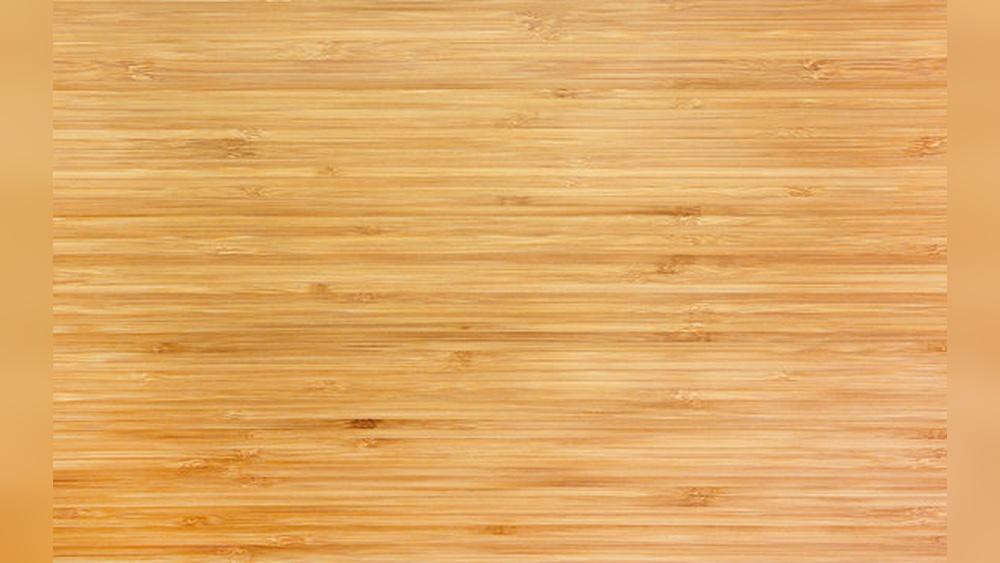
Vertical grain bamboo flooring shows long, thin stripes. The bamboo strips are placed upright. This creates a clean and smooth look. Vertical grain floors have a consistent pattern. They often appear lighter and more uniform. This style suits modern and minimalist interiors.
Horizontal Grain Patterns
Horizontal grain patterns display wider stripes. The bamboo strips lie flat, showing the nodes. This texture is more natural and rustic. It highlights the bamboo’s unique growth rings. Floors with horizontal grain add warmth and character to rooms.
Strand Woven Texture
Strand woven bamboo is made by compressing bamboo fibers. This process creates a dense, hard surface. The texture is more rugged and varied. Strand woven floors are very durable. They work well in high-traffic areas. The look is rich with a mix of grain styles.
Carbonized Vs Natural Finish
Natural finish bamboo keeps its original light color. It looks fresh and bright. Carbonized bamboo is heat-treated to darken the wood. This process deepens the color to warm browns. Carbonized finish adds a rich tone but softens hardness. Choose natural for brightness and carbonized for warmth.
Texture Variations
Bamboo flooring offers a range of textures that influence its look and feel. Texture variations create unique styles for different spaces. These textures affect comfort, grip, and aesthetics. Understanding them helps choose the best bamboo floor for your home.
Smooth And Polished Surfaces
Smooth bamboo floors have a sleek, shiny finish. They feel soft underfoot and reflect light well. Polished surfaces highlight the natural grain of bamboo. These floors suit modern and minimalist interiors. They are easy to clean but may be slippery when wet.
Wire-brushed And Hand-scraped Finishes
Wire-brushed bamboo floors have a textured, rustic look. The brushing removes the soft wood, exposing the grain. Hand-scraped finishes add a handcrafted feel with uneven grooves. Both finishes hide scratches and dirt better than smooth floors. They bring warmth and character to any room.
Matte Vs Glossy Textures
Matte bamboo floors offer a soft, natural appearance. They reduce glare and show fewer marks. Glossy textures create a bright, polished look. They highlight the bamboo’s natural patterns vividly. Choosing matte or glossy depends on your style and maintenance preference.
Color Options
Bamboo flooring offers a wide range of color options that suit various interior styles. The natural texture of bamboo enhances these colors, creating warm and inviting spaces. Choosing the right shade can highlight your room’s character and design.
Light And Natural Tones
Light bamboo floors have soft, creamy hues. These tones brighten rooms and make spaces feel larger. The natural finish shows bamboo’s unique grain and texture clearly. Light colors fit well in modern and minimalist homes. They pair easily with different wall colors and furniture styles.
Medium And Warm Hues
Medium bamboo tones bring warmth and richness to your floors. These shades include honey and caramel colors. They add a cozy feeling without making rooms dark. Medium hues highlight bamboo’s natural patterns with more depth. These colors work great in traditional and rustic interiors.
Dark And Carbonized Shades
Dark bamboo floors have deep, rich colors like espresso and chocolate. Carbonized bamboo is heat-treated to achieve these darker tones. These shades create dramatic and elegant spaces. Dark floors hide dirt and scratches better than lighter ones. They match well with bold décor and modern designs.

Credit: flooringhardwood.com
Design Patterns
Bamboo flooring offers more than durability and eco-friendliness. Its design patterns bring style and character to any room. Different layouts change the look and feel of your space. Choosing the right pattern can highlight the natural beauty of bamboo textures. Below are some popular design patterns for bamboo floors.
Traditional Plank Layouts
The traditional plank layout is simple and classic. Bamboo boards run parallel across the floor. This pattern enhances the natural grain of bamboo. It works well in both modern and rustic interiors. The straightforward design makes rooms appear longer and wider. It also allows easy installation and maintenance.
Chevron And Herringbone Patterns
Chevron and herringbone create dynamic, eye-catching designs. Both patterns use short bamboo planks arranged in a zigzag style. Chevron has ends cut at an angle for a clean, V-shaped look. Herringbone places planks in a staggered, broken zigzag form. These patterns add texture and depth to floors. They fit well in contemporary and traditional homes.
Parquet And Mosaic Styles
Parquet and mosaic styles offer intricate, artistic designs. Parquet uses small bamboo pieces in geometric shapes like squares and rectangles. Mosaic patterns combine various shapes and colors for a unique floor art. These styles highlight the fine texture of bamboo. They suit elegant spaces needing a touch of sophistication.
Durability Factors
Bamboo flooring offers a unique blend of beauty and strength. Understanding its durability factors helps in making the right choice. These factors affect how well the floor stands up to daily use and environmental changes.
Scratch And Dent Resistance
Bamboo is harder than many hardwoods. This makes it resistant to scratches from pets or furniture. High-quality bamboo floors have a strong finish that protects against dents. Still, heavy objects can leave marks. Regular care keeps the surface smooth and looking new.
Moisture And Humidity Effects
Bamboo reacts to moisture differently than wood. It can swell or warp if exposed to water for long periods. Engineered bamboo flooring handles humidity better than solid bamboo. Using mats and cleaning spills quickly reduces damage. Proper installation also helps maintain stability in damp areas.
Sunlight And Discoloration
Sunlight can change the color of bamboo floors over time. Natural bamboo may darken or fade under direct sunlight. Carbonized bamboo has a deeper tone but also fades with exposure. Using window coverings and rotating rugs protects the floor’s original look. This keeps your floor vibrant and fresh for years.
Maintenance Tips
Maintaining bamboo floor texture keeps its natural beauty and durability. Proper care extends the floor’s life and preserves its smooth surface. Simple habits protect bamboo floors from everyday wear and tear. Follow these tips to keep your floors looking fresh and clean.
Cleaning Techniques
Use a soft broom or vacuum with a hardwood setting to remove dust. Mop with a damp cloth, not soaking wet, to avoid water damage. Choose a pH-neutral cleaner made for bamboo or hardwood floors. Avoid harsh chemicals or abrasive tools that can scratch the surface. Clean spills immediately to prevent stains and moisture harm.
Preventing Damage
Place mats at doorways to reduce dirt and grit on the floor. Use felt pads under furniture legs to prevent scratches. Avoid walking on bamboo floors with high heels or cleats. Keep pet nails trimmed to reduce surface marks. Control indoor humidity to prevent bamboo from warping or cracking.
Refinishing Options
Bamboo floors can be refinished to restore their original look. Light sanding removes surface scratches and dullness. Apply a fresh coat of finish to protect and enhance the texture. Professional refinishing is recommended for deep damage or large areas. Regular refinishing can keep bamboo floors looking new for years.
Eco-friendly Benefits
Bamboo flooring offers more than just a beautiful texture. It supports a healthier planet and home. Choosing bamboo means choosing eco-friendly benefits that matter. This section explains why bamboo stands out as a green flooring option.
Sustainability Of Bamboo
Bamboo grows rapidly, much faster than hardwood trees. It can reach maturity in just 3 to 5 years. This fast growth allows for frequent harvesting without harming the environment. Bamboo plants also regenerate from the roots, so replanting is not needed. This reduces soil erosion and preserves natural habitats.
Renewable Resource Advantages
Bamboo is a renewable resource that renews itself naturally. Unlike hardwood, bamboo does not require replanting after harvesting. It absorbs carbon dioxide and releases oxygen during growth. This helps reduce greenhouse gases and fight climate change. Bamboo flooring production uses less water and energy than many other materials.
Indoor Air Quality Impact
Bamboo flooring often has low levels of harmful chemicals. Many bamboo floors use non-toxic adhesives and finishes. This improves indoor air quality by reducing volatile organic compounds (VOCs). Cleaner air inside the home supports better health for all family members. Bamboo floors are a safe choice for allergy sufferers and sensitive individuals.

Credit: www.sketchuptextureclub.com
Installation Methods
Choosing the right installation method for bamboo flooring affects its durability and appearance. Each technique suits different room types and subfloor conditions. Understanding these methods helps ensure a smooth and lasting finish.
Floating Floors
Floating floors do not attach to the subfloor directly. Instead, planks interlock and rest on a foam underlayment. This method is quick and easy, ideal for DIY projects. It works well over concrete or uneven surfaces. Floating floors allow bamboo to expand and contract naturally.
Glue-down Application
Glue-down installation uses adhesive to fix bamboo planks to the subfloor. This method provides strong stability and reduces noise. It suits concrete slabs and areas with moisture concerns. Proper glue and surface preparation are essential for lasting results. Glue-down floors feel solid underfoot and resist shifting.
Nail-down Techniques
Nail-down installation secures bamboo planks to a wooden subfloor with nails or staples. This method is traditional and offers excellent durability. It requires a wood subfloor and professional tools. Nail-down floors hold firmly and perform well in high-traffic spaces. Careful nailing prevents damage to the bamboo surface.
Cost Considerations
Choosing bamboo flooring means understanding its cost factors. Cost affects the choice of texture and style. Knowing expenses helps plan your budget correctly. This section breaks down the main cost areas to consider.
Material Price Range
Bamboo flooring prices vary by quality and type. Strand-woven bamboo costs more than horizontal or vertical grain. Expect prices from $2 to $8 per square foot. Higher quality textures and finishes raise the price. Look for durable bamboo to get the best value.
Installation Costs
Installation adds to the total cost of bamboo flooring. Professional fitting costs between $3 and $6 per square foot. Complex textures or patterns may increase labor time. Some bamboo floors are easier to install as DIY projects. Choose the right installation method to suit your budget.
Long-term Value
Bamboo flooring offers strong durability and easy maintenance. It can last 20 years or more with care. Its natural resistance to wear keeps the texture looking good. Bamboo adds value to your home over time. Consider long-term savings when comparing costs.
Popular Brands And Products
Bamboo flooring has grown popular for its durability and eco-friendliness. Many brands offer various options to suit different needs and styles. Knowing the best brands and products helps you find the right bamboo floor texture.
These brands provide solid, engineered, and water-resistant bamboo floors. Each type has unique features and benefits. Below are some popular choices in each category.
Solid Bamboo Options
Solid bamboo floors are made from whole bamboo strips. They offer a natural look with strong textures. Brands like Floor and Decor Eco Forest provide premium solid bamboo planks. These come in carbonized and natural finishes. Solid options are durable and easy to refinish.
Engineered Bamboo Choices
Engineered bamboo combines bamboo layers over plywood. This makes floors more stable in humid areas. Floor and Decor Aquaguard
Water-resistant Models
Water-resistant bamboo floors resist moisture and spills. Home Depot’s Lifeproof Bamboo Haven

Credit: stockcake.com
Frequently Asked Questions
What Is The Downside Of Bamboo Flooring?
Bamboo flooring can scratch and dent easily compared to hardwood. It is sensitive to moisture, causing warping or swelling. Quality varies, affecting durability and appearance. Some types may emit VOCs. Limited color options may not suit all decor styles.
Can I Use Swiffer Wet On Bamboo Floors?
Swiffer Wet can be used on bamboo floors, but avoid excessive moisture. Use it sparingly to prevent damage.
What Is The Texture Of Bamboo?
Bamboo has a smooth, fine-grained texture with natural vertical fibers. It feels hard and durable underfoot.
Are Bamboo Floors High Maintenance?
Bamboo floors require moderate maintenance. Regular cleaning and avoiding excessive moisture keep them durable and looking good.
Conclusion
Bamboo floor texture brings natural beauty to any space. Its unique patterns add warmth and style. Easy to clean and maintain, it suits busy homes well. This flooring choice supports eco-friendly living with sustainable materials. Choosing bamboo means investing in durability and timeless appeal.
Let your floors reflect nature’s charm and strength. Explore bamboo textures to find the perfect fit for your home.