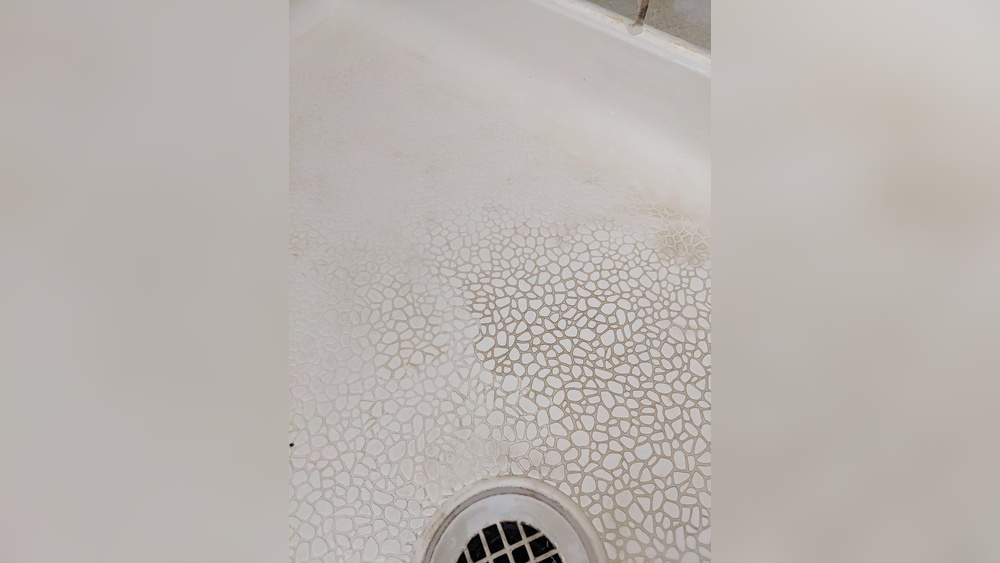

Your textured shower floor can be a magnet for soap scum, grime, and slippery buildup. If you’ve noticed it looking dull or feeling slick, you’re not alone—and the good news is, cleaning it doesn’t have to be a struggle.
Imagine stepping into a shower that feels fresh, safe, and sparkling clean every single day. You’ll discover simple, effective ways to tackle dirt and stains on your textured shower floor, using easy-to-find ingredients and tools. Keep reading, and you’ll learn how to restore your shower floor’s grip and shine, making every shower a refreshing experience.

Credit: www.reddit.com
Choosing The Right Cleaner
Choosing the right cleaner is key to keeping your textured shower floor spotless. The wrong product can damage the surface or leave residue behind. Textured floors need gentle care but still require strong cleaning power. This section explores types of cleaners that work best for these surfaces.
Natural Cleaners
Natural cleaners are safe and effective for textured shower floors. Ingredients like baking soda and vinegar help remove dirt and soap scum. They are gentle on the surface and reduce the risk of damage. Plus, they do not leave harmful chemicals behind. Use a paste of baking soda and water for scrubbing. Spray vinegar to dissolve grime and rinse well with water.
Commercial Products
Commercial cleaners designed for bathrooms can tackle tough stains on textured floors. Choose products labeled safe for textured or non-slip surfaces. These cleaners often contain mild abrasives and surfactants that break down dirt. Always follow the instructions on the label for best results. Test a small area first to ensure no discoloration or damage occurs.
Avoiding Harsh Chemicals
Avoid cleaners with bleach, ammonia, or strong acids on textured floors. Harsh chemicals can erode the texture and cause discoloration. They may also make the floor slippery, increasing the risk of falls. Stick to mild, non-abrasive formulas to protect both the surface and your safety. Gentle cleaning keeps textured floors looking fresh and safe longer.
Preparing The Shower Floor
Preparing the shower floor is a crucial first step before deep cleaning. It ensures dirt and grime lift easily without damaging the textured surface. Proper preparation saves time and improves cleaning results.
Start by clearing out the shower area. Remove any mats, bottles, or accessories. This gives you full access to the floor and prevents any obstructions.
Removing Loose Debris
Begin by sweeping or vacuuming the floor gently. Loose hair, dust, and soap scum can hide in the texture. Removing these particles helps prevent scratching during scrubbing. Use a soft brush or handheld vacuum for best results.
Rinsing The Surface
Next, rinse the floor with warm water. This softens any stuck-on residue. Use a handheld showerhead or a bucket of water. Make sure the water reaches all corners and textured areas. Rinsing prepares the surface for cleaning products to work effectively.
Daily Maintenance Tips
Keeping a textured shower floor clean daily helps prevent tough stains and buildup. Simple actions after each use maintain freshness and safety. Follow these easy steps for better hygiene and longer floor life.
Quick Rinse After Use
Rinse the shower floor with warm water after every shower. This removes soap residue and loose dirt. Use a handheld showerhead or a cup to pour water evenly. It stops grime from settling into the texture. A quick rinse takes just a minute but makes a big difference.
Preventing Soap Scum Build-up
Soap scum forms when soap mixes with minerals in water. Wipe the floor with a squeegee or soft cloth after rinsing. This removes excess water and prevents scum from hardening. Avoid harsh cleaners that can damage the textured surface. Mild soap or vinegar solutions work well for regular cleaning. Regular care keeps your shower floor clean and safe.
Cleaning Techniques
Cleaning a textured shower floor needs care and the right methods. The texture can trap dirt and soap scum easily. Using proper cleaning techniques keeps it fresh and safe. Below are some simple ways to clean these floors effectively.
Baking Soda And Vinegar Method
This method uses natural ingredients that work well on grime. Sprinkle baking soda over the floor surface. Then spray white vinegar on top. The mixture will fizz and help lift dirt. Let it sit for 10 minutes. Scrub gently with a soft brush and rinse with warm water. This method is safe and eco-friendly.
Using A Soft Brush
A soft brush reaches into the textured areas without damaging them. Choose a brush with soft bristles to avoid scratches. Dip the brush in soapy water or your cleaning mix. Scrub the floor with gentle, circular motions. Focus on corners and grooves where dirt hides. After scrubbing, rinse the floor well to remove residue.
Employing Power Tools Safely
Power tools can speed up cleaning but need careful handling. Use a low-speed setting to protect the textured surface. Attach a soft brush or pad designed for delicate floors. Keep the tool moving to avoid damage. Test a small area first to check for any harm. Always wear gloves and eye protection for safety.
Tackling Tough Stains
Tough stains on a textured shower floor need strong cleaning methods. These stains often come from soap scum, hard water, and mildew. Removing them requires careful steps to avoid damaging the texture. Use the right products and techniques to restore your shower floor’s look.
Applying Paste Cleaners
Paste cleaners work well on stubborn stains. Make a paste by mixing baking soda and water. Spread the paste evenly over the stained areas. Let it sit for 10 to 15 minutes. The paste loosens dirt and grime in the textured surface. After resting, scrub gently with a soft brush. Rinse thoroughly with warm water to remove residue.
Soaking And Scrubbing
Soaking helps soften tough stains before scrubbing. Fill a spray bottle with white vinegar or a mild cleaning solution. Spray the textured floor and let it sit for 15 to 20 minutes. This breaks down mineral deposits and soap build-up. Use a scrub brush with firm bristles to clean the surface. Focus on stained spots with circular motions. Rinse well to clear away loosened dirt.
Using Specialized Stain Removers
Specialized stain removers target specific problems like mold and mildew. Choose a product safe for textured floors. Follow the instructions carefully for best results. Apply the remover directly to the stains. Let it work for the time suggested on the label. Scrub gently with a brush to lift stains. Rinse completely to avoid chemical buildup. Repeat if necessary for deep stains.
Dealing With Mold And Mildew
Mold and mildew grow easily on textured shower floors. Their rough surfaces trap moisture and soap scum. This creates a perfect place for spores to thrive. Removing them keeps your shower safe and fresh. It also stops stains and odors from settling in.
Cleaning textured floors needs care. Strong scrubbing can damage the texture. Choosing the right cleaning method helps keep the surface intact and mold-free.
Natural Remedies
Baking soda and vinegar make a simple cleaning paste. Apply it to moldy areas and let it sit for 15 minutes. Scrub gently with a soft brush. Rinse with warm water to remove residue. Tea tree oil mixed with water also kills mold spores. Spray it on and leave it to dry. These natural products clean well without harsh chemicals.
Commercial Solutions
Many store-bought cleaners target mold and mildew. Choose one made for textured surfaces. Follow label instructions carefully. Use gloves and ensure good ventilation. Spray on the floor and wait the recommended time. Scrub lightly with a brush. Rinse thoroughly to avoid slippery residue. These cleaners are strong but require safe use.
Preventive Measures
Keep your shower dry after use. Wipe the floor with a squeegee or towel. Use a fan or open a window to reduce humidity. Clean the floor weekly to stop buildup. Avoid leaving wet towels or mats inside. Regular care prevents mold from returning and keeps the shower fresh longer.
Drying And Protecting The Floor
Drying and protecting the textured shower floor is crucial after cleaning. Proper drying prevents mold and mildew growth. Protection keeps the surface safe from stains and damage. Follow simple steps to maintain a fresh and durable shower floor.
Effective Drying Methods
Start by removing excess water with a squeegee or towel. Use a microfiber cloth to absorb moisture from grooves and texture. Open bathroom windows or turn on the exhaust fan to speed up drying. A small fan can help circulate air in the shower area. Avoid standing water to reduce slip hazards and mold risk.
Applying Protective Coatings
Choose a sealant made for textured shower floors. Apply a thin, even layer using a sponge or brush. Let the coating dry completely before using the shower again. Reapply the protective layer every few months to maintain effectiveness. Protective coatings help repel water and prevent stains. They also make future cleaning easier and faster.

Credit: www.reddit.com
Tools For Efficient Cleaning
Cleaning a textured shower floor requires the right tools for quick and thorough results. Using efficient tools saves time and removes dirt from grooves easily. Proper equipment also protects the surface from damage.
Brush Types
Choose brushes with firm bristles to scrub textured floors well. Nylon brushes work best because they clean deeply without scratching. Small handheld brushes help reach tight corners and edges. Avoid metal brushes that can damage the surface.
Cleaning Attachments
Attach scrubber heads to a drill for faster cleaning. Power scrubbers with rotating heads remove grime efficiently. Soft sponge attachments work well for gentle cleaning. Use attachments designed for textured surfaces to avoid wear.
Safety Gear
Wear gloves to protect your hands from harsh cleaners. Safety goggles keep your eyes safe from splashes. Use non-slip shoes to prevent falls on wet floors. Proper gear keeps you safe during the cleaning process.
Credit: www.youtube.com
Frequently Asked Questions
How To Clean A Textured Bathroom Floor?
Mix baking soda and water into a paste. Scrub the textured floor with a stiff brush. Rinse thoroughly with warm water. For tough stains, use a commercial cleaner safely. Dry the floor to prevent slips and mold growth.
What Cleaner To Use On Pebble Shower Floor?
Use a gentle cleaner like mild dish soap or a baking soda paste. Scrub with a soft brush to protect pebble texture. Avoid harsh chemicals to prevent damage and maintain natural stone beauty. Rinse thoroughly and dry to prevent mold and mildew buildup.
How Do You Clean The Bottom Of A Textured Bathtub?
Make a baking soda paste or use a commercial cleaner like Bar Keepers Friend. Apply, scrub with a stiff brush, then rinse thoroughly.
Are Textured Shower Trays Hard To Clean?
Textured shower trays can trap dirt, making cleaning slightly more challenging than smooth trays. Regular scrubbing with a soft brush and mild cleaner keeps them clean and prevents buildup effectively.
Conclusion
Cleaning a textured shower floor takes simple steps and patience. Use gentle scrubbing with appropriate cleaners to avoid damage. Regular cleaning stops grime buildup and keeps surfaces safe. A clean shower floor feels fresh and looks inviting every day. Small efforts protect your bathroom’s beauty and hygiene.
Keep tools handy and clean often for best results. Your textured floor will stay bright and slip-free longer.