
Are you looking to transform your bathroom into a stylish, modern space that feels open and inviting? Wet bathroom designs might be exactly what you need.
Imagine a sleek, fully waterproofed room where the shower blends seamlessly with the rest of the space—no bulky shower doors or curtains to break the flow. This approach not only maximizes space but also adds a touch of luxury and accessibility to your home.
Whether you want to make your bathroom easier to use or simply crave a fresh, contemporary look, understanding wet bathroom designs can help you create a space that fits your lifestyle perfectly. Keep reading to discover how wet rooms can elevate your bathroom experience and what you need to know before making the switch.

Credit: 34stjohn.com
Design Elements
Design elements shape the look and feel of wet bathrooms. They ensure the space is practical and stylish. Choosing the right components creates a safe, elegant, and comfortable environment. Each element must work well in a wet area to prevent damage and maintain beauty.
Waterproofing Techniques
Waterproofing is essential for wet bathrooms. It stops water from seeping into walls and floors. Common methods include liquid membranes, waterproof boards, and cementitious coatings. These create a strong barrier against moisture. Proper waterproofing extends the bathroom’s lifespan and prevents mold growth.
Flooring Options
Flooring must be slip-resistant and durable in wet bathrooms. Popular choices include textured tiles, natural stone, and vinyl. Tiles with a matte finish reduce slipping risks. Floor slopes help water drain quickly. Warm underfloor heating adds comfort without harming waterproof layers.
Wall Finishes
Wall finishes need to resist water and stains. Ceramic or porcelain tiles are common for their durability and easy cleaning. Glass panels and waterproof paint also work well. Avoid materials that absorb moisture or fade over time. Smooth surfaces keep the space fresh and hygienic.
Lighting Ideas
Lighting improves both function and mood in wet bathrooms. Use recessed ceiling lights for even brightness. LED strips around mirrors add style and help with grooming. Choose fixtures rated for damp areas to ensure safety. Soft, warm light creates a relaxing atmosphere.
Luxury Features
Luxury features transform wet bathroom designs into serene, spa-like retreats. These elements combine style and comfort, enhancing your daily routine. Each feature adds a touch of elegance and practical benefit.
Rainfall Shower Systems
Rainfall shower systems mimic gentle rain for a relaxing experience. Water flows evenly from a wide showerhead mounted overhead. This feature creates a soothing, natural feel in your wet bathroom. It turns simple showers into moments of calm and luxury.
Underfloor Heating
Underfloor heating warms the bathroom floor, making it cozy and inviting. It eliminates cold tiles, especially during winter months. This invisible heating system works quietly and efficiently. Enjoy warm feet and a comfortable atmosphere every day.
Modern Fixtures
Modern fixtures blend sleek design with high functionality. Chrome, brushed nickel, and matte black finishes add style. Touchless faucets and smart controls improve hygiene and ease of use. These fixtures elevate the look while simplifying bathroom tasks.
Integrated Storage
Integrated storage keeps the wet bathroom neat and clutter-free. Built-in shelves and recessed niches hold toiletries within easy reach. This smart use of space maintains the clean, open feel of the room. It helps organize essentials without spoiling the design.
Space Planning
Space planning is crucial in wet bathroom designs. It ensures a smooth flow and efficient use of the available area. Proper planning makes the bathroom safe, functional, and visually appealing. It helps to avoid clutter and maximizes comfort.
Each element must fit well within the space. This creates a balanced and relaxing environment. Thoughtful space planning improves the overall bathing experience.
Layout Configurations
Different layout options suit various bathroom sizes and shapes. Common layouts include linear, L-shaped, and U-shaped designs. Positioning the shower area near drains simplifies plumbing. Placing the shower away from the door reduces water splashes. Careful layout avoids wasted space and eases movement.
Accessibility Solutions
Wet bathrooms offer excellent accessibility for all users. Level floors without steps prevent trips and falls. Wide entrances allow easy wheelchair access. Grab bars near the shower add extra support. Adjustable shower heads and seats improve comfort. These features make the bathroom safe and user-friendly.
Open Plan Designs
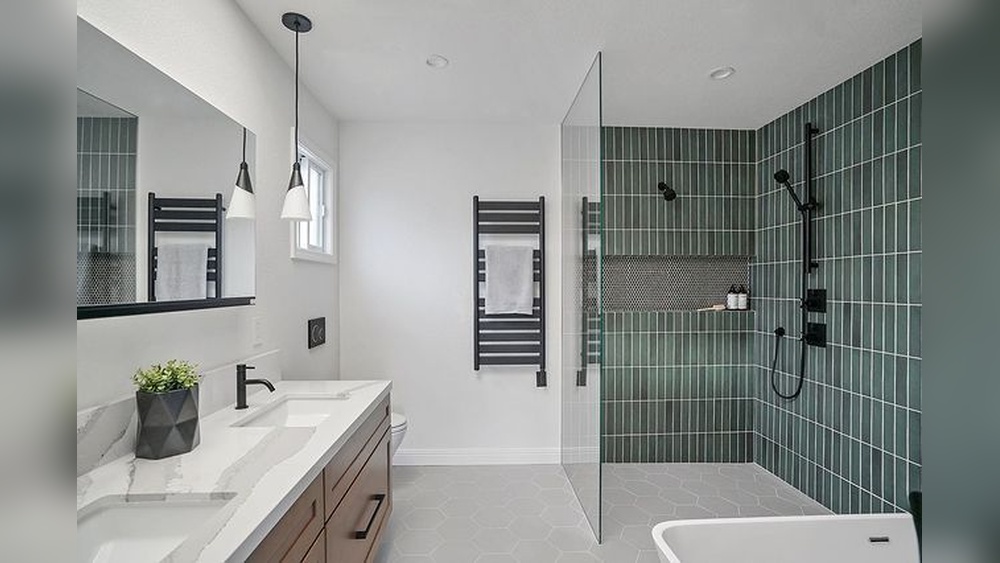
Open plan wet bathrooms remove barriers like shower screens. This creates a spacious and airy feel. Open designs enhance natural light flow throughout the room. They suit modern homes and small spaces well. Proper drainage and waterproofing are essential to avoid water spread.
Zoning Strategies
Zoning divides the bathroom into wet and dry areas. This keeps sinks and toilets dry and clean. Using different floor materials or slight level changes marks zones clearly. Zoning improves hygiene and comfort. It also helps in organizing the space efficiently.
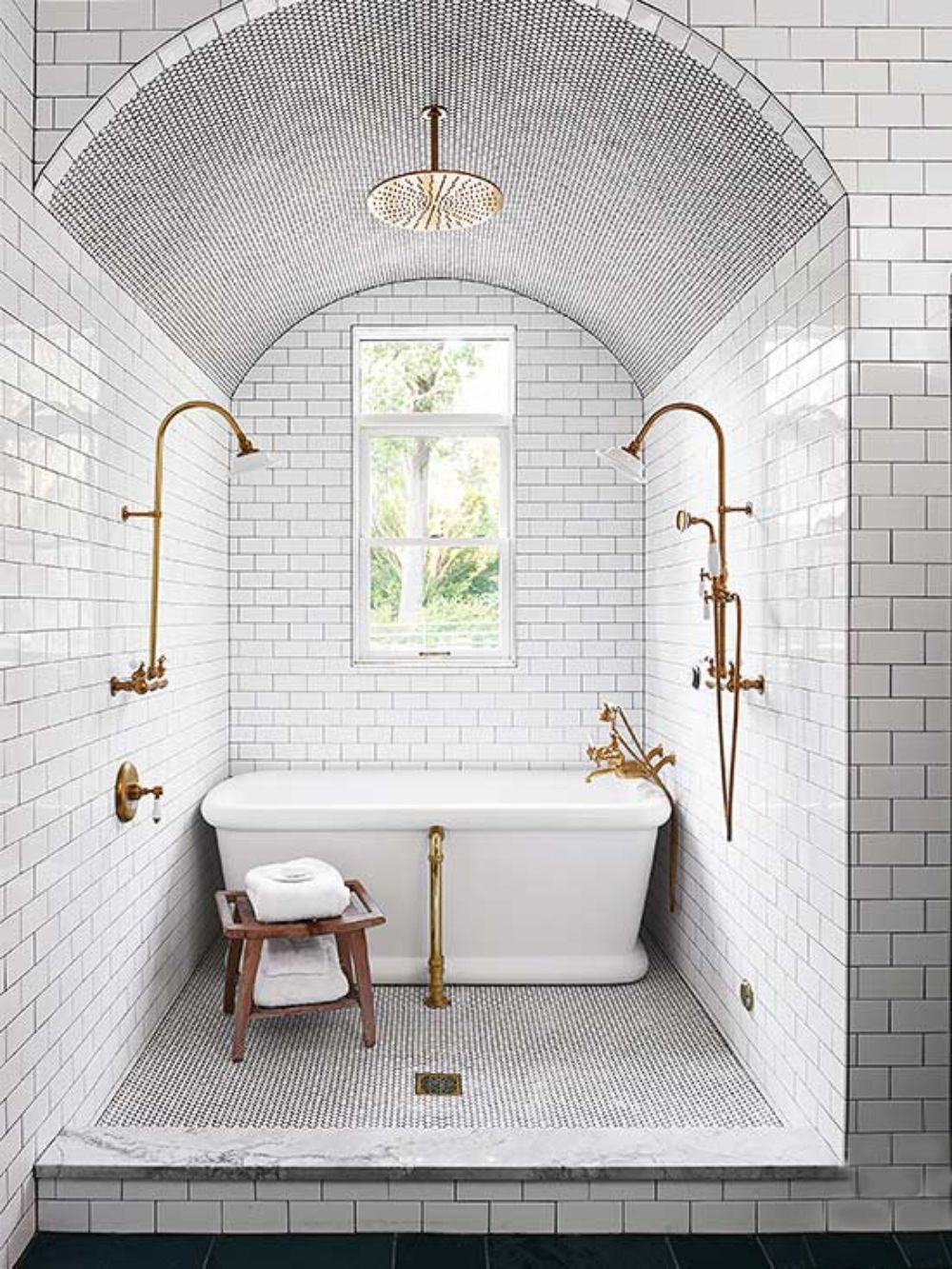
Credit: farmhouseliving.com
Material Choices
Choosing the right materials is key in wet bathroom designs. The materials must resist water and moisture. They need to be durable and easy to clean. Style also plays a big role in material choice. The right materials create a safe and attractive wet bathroom.
Tile Varieties
Ceramic and porcelain tiles are popular for wet bathrooms. They resist water well and come in many colors and patterns. Large tiles reduce grout lines, making cleaning easier. Textured tiles add slip resistance, improving safety. Mosaic tiles offer detailed designs and vibrant looks.
Natural Stone
Natural stone like marble, granite, and slate add luxury to wet bathrooms. Stone offers a unique and timeless look. It is strong and water-resistant but needs sealing to prevent stains. Stone tiles bring warmth and texture, blending beauty with function.
Glass Elements
Glass adds brightness and openness to wet bathrooms. Clear or frosted glass panels separate wet and dry areas without blocking light. Glass shelves and accents create a modern, clean look. Tempered glass is safe and easy to maintain in wet spaces.
Metal Accents
Metal fixtures and accents enhance wet bathroom style. Stainless steel and brushed nickel resist rust and moisture. Metals appear in faucets, towel racks, and shower frames. They add shine and contrast, balancing softness from tiles and stone.
Cost Factors
Understanding the cost factors of wet bathroom designs helps plan your budget wisely. Wet bathrooms require specific materials and skilled labor to ensure durability and safety. The costs vary depending on waterproofing, materials, labor, and fixtures. Each element plays a key role in the final price.
Waterproofing Expenses
Waterproofing is essential for wet bathrooms. It prevents water damage and mold growth. The process involves sealing floors and walls with special membranes or coatings. High-quality waterproofing materials cost more but offer better protection. Labor for waterproofing can be time-consuming and adds to expenses.
Material Costs
Materials impact the overall budget greatly. Tiles, flooring, and wall coverings must resist water and humidity. Ceramic and porcelain tiles are popular choices. Natural stones like granite or marble increase costs. Choosing durable yet affordable materials helps control expenses.
Labor And Installation
Professional installation is crucial for wet bathrooms. Skilled workers ensure proper waterproofing and fitting of materials. Labor costs depend on the project size and complexity. More detailed designs require extra time and expertise, raising the price. Always hire experienced installers to avoid future issues.
Fixture Selection
Fixtures add style and function to wet bathrooms. Shower heads, drains, and taps must be water-resistant. Standard fixtures cost less but may lack durability. Premium brands and modern designs increase costs. Selecting fixtures carefully balances style, quality, and budget.

Credit: 34stjohn.com
Maintenance Tips
Maintaining a wet bathroom design ensures it stays functional and fresh. Regular care prevents damage and costly repairs. Simple maintenance routines keep the space safe and hygienic.
Cleaning Techniques
Use mild cleaners for daily cleaning to protect waterproof surfaces. Avoid harsh chemicals that can damage tiles and seals. A soft brush or cloth removes dirt and soap scum effectively. Rinse surfaces thoroughly with water after cleaning. Keep drains clear to prevent blockages and water pooling.
Mold Prevention
Good ventilation reduces moisture and stops mold growth. Use exhaust fans or open windows during and after showers. Wipe down wet surfaces regularly to remove excess water. Apply mold-resistant sealants to grout and corners. Check for leaks that could cause damp spots.
Regular Inspections
Inspect tiles and grout for cracks or gaps every few months. Check seals around drains and fixtures for wear or damage. Look for signs of water damage on walls and floors. Early detection of problems saves money and effort. Schedule professional checks if unsure about waterproofing.
Repair Strategies
Fix small cracks or chips in tiles immediately to prevent water seepage. Replace damaged grout or sealant to maintain waterproof barriers. Repair leaks in plumbing and fixtures without delay. Use appropriate materials made for wet environments. Consult experts for major repairs to ensure safety.
Style Inspirations
Wet bathroom designs offer unique style options that blend function and beauty. These spaces embrace moisture with smart waterproofing and creative layouts. Style inspirations vary from sleek to cozy, giving homeowners many ways to express taste. Designers use colors, textures, and layouts to craft inviting wet areas. Each style creates a distinct mood and enhances the bathing experience.
Explore some popular style inspirations for wet bathrooms below.
Minimalist Designs
Minimalist wet bathrooms focus on clean lines and simple shapes. Neutral colors like white, gray, and black dominate the space. Hidden storage and wall-mounted fixtures keep clutter away. The open layout makes the bathroom feel larger and airy. This style suits those who value calm and order in their space.
Spa-like Ambiance
Spa-like wet bathrooms mimic luxury wellness centers. Soft lighting and natural materials create a relaxing vibe. Features like rain showers, wooden benches, and plants add to the calm. Gentle colors such as beige, light green, and pale blue soothe the senses. This design turns daily routines into peaceful rituals.
Bold Color Schemes
Bold colors bring energy and personality to wet bathrooms. Deep blues, rich greens, or even black tiles make a strong statement. Contrasting grout lines and colorful fixtures add visual interest. This style suits those who want a dramatic and modern look. It also helps define different zones in an open wet room.
Natural And Organic Looks
Natural wet bathrooms use materials like stone, wood, and bamboo. Earthy tones such as brown, tan, and moss green connect the space to nature. Textured tiles and live plants add warmth and softness. This style promotes a grounded and peaceful atmosphere. It fits perfectly in homes aiming for eco-friendly designs.
Practical Advice
Practical advice can make wet bathroom designs easier to plan and execute. Understanding costs, selecting contractors, and knowing legal needs help avoid problems. Deciding between DIY or hiring pros affects the project’s success and safety. This section offers simple tips for each area.
Cost Management
Wet bathrooms need careful budgeting. Waterproofing is a major expense. Materials like tiles and sealants add to costs. Labor costs rise with complex designs. Set a clear budget and add a buffer for surprises. Compare prices of supplies before buying. Small changes can save money without losing quality.
Choosing Contractors
Pick contractors with wet bathroom experience. Check their reviews and past work. Ask for detailed quotes and timelines. Confirm they use proper waterproofing methods. Good communication prevents misunderstandings. Trustworthy contractors ensure a safe, lasting wet bathroom.
Planning Permissions
Some areas need permits for wet room installations. Check local building rules early. Permits ensure work meets safety standards. Ignoring permits can cause fines and delays. Submit plans for approval before starting. Keep copies of all permission documents.
Diy Vs Professional
DIY saves money but requires skill. Wet bathrooms involve water and electricity risks. Mistakes can cause leaks and damage. Professionals bring knowledge and tools. They finish work faster and safer. Choose DIY only if confident in skills. Otherwise, hire a professional for peace of mind.
Frequently Asked Questions
What Is A Wet Style Bathroom?
A wet style bathroom is a fully waterproofed space where the shower blends seamlessly with the rest of the bathroom, without a separate enclosure. This design offers a sleek, open look and improves accessibility by eliminating barriers like shower doors or trays.
Are Wet Bathrooms A Good Idea?
Wet bathrooms offer a sleek, accessible design that suits modern homes. They improve mobility but require thorough waterproofing. Proper installation ensures durability and prevents water damage. Wetrooms save space and enhance luxury but may cost more upfront due to labor and materials.
How Much Does A Wet Bathroom Cost?
A wet bathroom typically costs between $5,000 and $15,000. Costs vary by size, materials, and labor. Waterproofing and plumbing changes increase expenses. Choosing affordable tiles and keeping existing plumbing helps reduce costs. Premium features like underfloor heating raise the budget.
Getting multiple quotes ensures the best price.
What Is The Downside Of A Wetroom?
Wetrooms require extensive waterproofing, increasing costs and installation complexity. They can also cause water to spread across the floor, needing careful drainage. Maintenance may be higher, and some users find the open layout less private compared to traditional bathrooms.
Conclusion
Wet bathroom designs offer a modern, open feel that suits many homes. They make cleaning easier and improve accessibility for everyone. Waterproofing is key to keep the space safe and dry. Choosing the right materials helps balance style and budget.
A well-planned wet bathroom adds value and comfort. Consider your space and needs carefully before starting. This design blends function with simple elegance beautifully.