
When it comes to designing a bathroom that truly meets your needs as you age, safety and comfort should be at the top of your list. Imagine stepping into a space where every feature is thoughtfully placed to prevent slips, ease movement, and give you confidence every time you use it.
Your bathroom can be more than just functional—it can be a sanctuary that supports your independence and peace of mind. You’ll discover simple yet powerful design ideas tailored specifically for elderly people. From grab bars to non-slip floors, and from lighting to layout, these tips will help you create a bathroom that feels safe, stylish, and perfectly suited to your lifestyle.
Keep reading to learn how to transform your bathroom into a space that truly works for you.
Safety Features
Safety features play a key role in bathroom design for elderly people. Bathrooms can be risky due to wet surfaces and limited mobility. Installing the right safety elements reduces falls and injuries. These features create a secure and comfortable space.
Grab Bars And Handrails
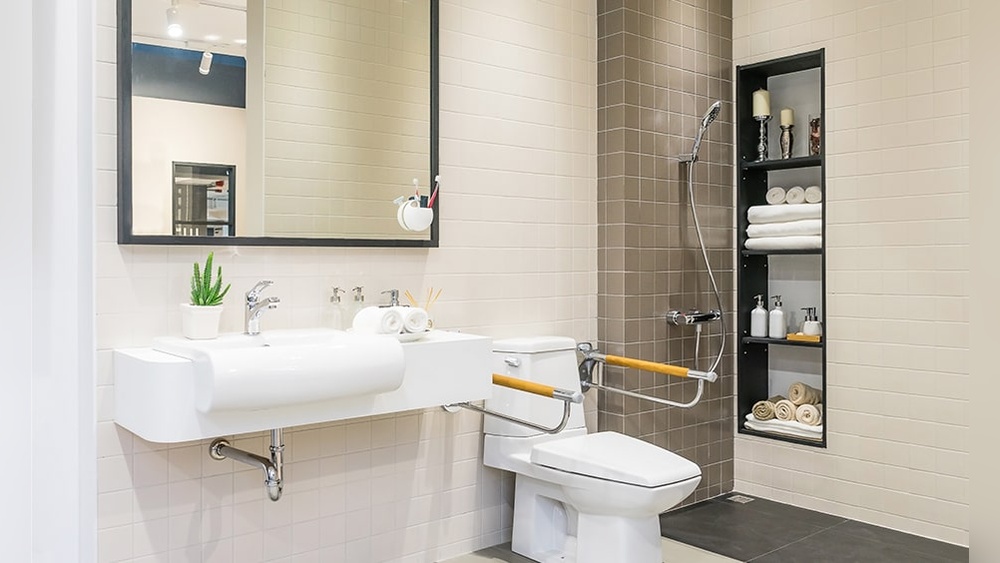
Grab bars and handrails offer strong support. Place them near the toilet, shower, and bathtub. They help elderly users stand, sit, and move safely. Choose bars with a non-slip surface and sturdy mounting. Proper placement boosts confidence and prevents accidents.
Non-slip Flooring Options
Non-slip flooring prevents slips on wet surfaces. Use materials like textured tiles or slip-resistant vinyl. Avoid smooth, glossy floors that become slippery when wet. Adding bath mats with rubber backing also improves grip. Safe flooring keeps elderly users steady on their feet.
Raised Toilet Seats
Raised toilet seats reduce strain on knees and hips. They make sitting down and standing up easier. Choose models with built-in armrests for extra support. These seats fit most standard toilets and improve comfort. Raised seats lower the risk of falls during bathroom use.
Adequate Lighting
Adequate lighting brightens the bathroom and reduces shadows. Install bright, glare-free lights near mirrors and walkways. Night lights help navigation in the dark without harsh brightness. Good lighting enhances visibility, making the bathroom safer and easier to use.
Credit: royalbathrooms.co.uk
Accessibility Enhancements
Accessibility enhancements in bathroom design improve safety and comfort for elderly users. Thoughtful features reduce risks and support independence. These changes create a welcoming space that fits their needs.
Walk-in Showers And Bathtubs
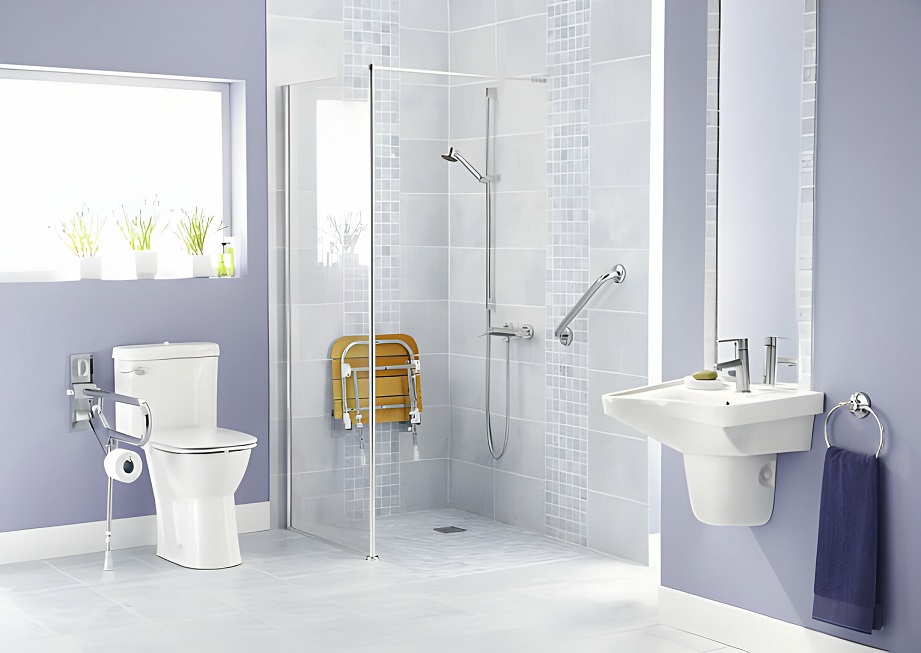
Walk-in showers remove the need to step over high edges. They provide easy access and reduce fall risks. Bathtubs with doors allow safe entry and exit. Non-slip floors and built-in seats add extra support.
Widened Doorways
Widened doorways allow easier entry for walkers or wheelchairs. Standard doors may be too narrow for mobility aids. Wider openings prevent accidents and improve movement. This change helps elderly people use the bathroom independently.
Adjustable Sink Heights
Adjustable sinks fit different heights and mobility levels. They help users avoid bending or stretching. This feature supports wheelchair users and those who stand. Easy adjustments make daily routines simpler and safer.
Easy-to-use Fixtures
Fixtures with large handles or lever controls are simpler to operate. They require less strength and hand coordination. Temperature controls with clear markings prevent burns. These fixtures promote comfort and reduce frustration for elderly users.
Stylish Design Ideas
Creating a bathroom for elderly people can blend style with safety. Stylish design ideas help make bathrooms both beautiful and practical. Thoughtful choices in fixtures, colors, seating, and storage improve comfort and ease of use. These elements ensure the space feels welcoming and supports independence.
Modern Fixtures With Safety
Select fixtures that offer modern style and safety features. Lever handles are easier to use than knobs. Anti-scald faucets protect against hot water burns. Walk-in tubs and low-threshold showers prevent tripping. Choose fixtures with a sleek look that also meet safety needs.
Color Schemes For Visibility
Use contrasting colors to improve visibility and depth perception. Darker colors on floors and lighter walls help define space. Bright colors can highlight important areas like grab bars. Avoid overly busy patterns that cause confusion. Simple, clear color schemes enhance safety and style together.
Comfortable Seating Solutions
Include seating that feels secure and comfortable. Shower chairs with sturdy arms provide support. Built-in benches offer rest without clutter. Padded seats increase comfort during use. Seating should match the bathroom’s style while aiding mobility.
Storage Solutions For Convenience
Design storage that is easy to reach and organize. Open shelves keep items visible and accessible. Cabinets with pull-out drawers reduce bending. Use baskets or containers to group essentials. Storage should keep the bathroom tidy and functional for elderly users.
Smart Technology Integration
Smart technology integration enhances bathroom safety and comfort for elderly people. These innovations help create a secure and easy-to-use space. Smart features reduce risks and support independence in daily routines.
Motion-sensor Lighting
Motion-sensor lighting turns on lights automatically when someone enters. It prevents falls by ensuring the bathroom is always well-lit. No need to search for switches in the dark. It also saves energy by turning off lights when no one is present.
Temperature Control Systems
Temperature control systems keep water at a safe and comfortable level. They prevent scalding by limiting maximum water temperature. Users can set their preferred temperature easily. This system offers peace of mind and avoids sudden hot or cold shocks.
Emergency Alert Devices
Emergency alert devices provide quick help if accidents happen. They can be worn as pendants or bracelets. Pressing a button sends an alert to caregivers or family members. Some devices also detect falls automatically and call for help.
Voice-activated Features
Voice-activated features allow hands-free control of bathroom devices. Elderly users can turn lights, fans, or faucets on and off by speaking. This reduces the need to move around or touch switches. Voice control adds ease and comfort to the bathroom experience.
Planning And Layout Tips
Designing a bathroom for elderly people requires careful planning. The layout must support safety and ease of use. Thoughtful design helps prevent accidents and promotes independence. Focus on space, pathways, safety equipment, and style. A well-planned bathroom feels comfortable and secure.
Maximizing Space For Mobility
Space is vital for easy movement. Clear floor space allows wheelchairs or walkers to turn. Avoid clutter and bulky furniture. Use wall-mounted fixtures to save room. A spacious bathroom reduces falls and frustration.
Clear Pathways And Turning Areas
Paths should be wide and free of obstacles. A minimum of 36 inches wide is ideal for walking aids. Allow at least 60 inches diameter for turning wheelchairs. Keep floors even and slip-resistant. Bright lighting helps elderly see pathways clearly.
Placement Of Safety Equipment
Install grab bars near toilets and showers. Place them at a comfortable height for easy reach. Use non-slip mats inside and outside the shower. Handheld showerheads add flexibility and safety. Emergency pull cords provide quick help if needed.
Balancing Functionality And Aesthetics
Choose fixtures that are both practical and attractive. Soft colors create a calm, welcoming space. Use easy-to-clean surfaces for hygiene. Select faucets and handles that are simple to use. A beautiful bathroom can boost mood and confidence.

Credit: www.designcafe.com
Cost Considerations
Planning a bathroom redesign for elderly people involves careful cost considerations. Balancing safety, comfort, and budget matters most. Thoughtful spending ensures the space meets specific needs without overspending. Knowing where to invest and save helps create a practical bathroom. Several factors influence the total cost and options available.
Budget-friendly Upgrades
Simple changes can improve safety and comfort without high costs. Installing grab bars, non-slip mats, and raised toilet seats are affordable options. Replacing showerheads with handheld models adds convenience and costs little. Small upgrades reduce fall risks and increase independence. These changes fit tight budgets and still enhance usability.
Insurance And Medicare Insights
Some bathroom modifications may qualify for insurance or Medicare coverage. Coverage varies by plan and specific medical needs. Documentation from doctors often helps with claims approval. Check policies to see which adaptations are eligible. Understanding benefits can reduce out-of-pocket expenses significantly.
Professional Remodeling Services
Hiring experts ensures the bathroom meets safety standards. Professionals recommend the best materials and designs for elderly users. They handle plumbing, electrical work, and precise installations. Costs vary by project size and complexity but offer peace of mind. Skilled remodelers can prevent costly mistakes and delays.
Diy Vs. Professional Installation
DIY projects may save money but require skills and time. Simple tasks like installing grab bars suit DIY efforts. Complex work such as plumbing needs professional help for safety. Incorrect installation can cause accidents or damage. Evaluate your abilities honestly before deciding on DIY or hiring pros.

Credit: www.angi.com
Frequently Asked Questions
What Is The Best Bathroom Remodel For The Elderly?
The best bathroom remodel for the elderly includes grab bars, non-slip floors, raised toilets, walk-in showers, and wide doorways for easy access.
How Can I Make My Bathroom Elderly Friendly?
Install grab bars near toilets and showers for support. Use non-slip flooring and raised toilet seats. Widen doorways and lower sink heights for easy access. Ensure good lighting and clear pathways to prevent falls.
Does Medicare Cover Bathroom Remodeling For Seniors?
Medicare usually does not cover bathroom remodeling for seniors. Coverage applies only to medically necessary durable medical equipment, not home modifications.
How To Design A Bathroom For Aging In Place?
Design a bathroom for aging in place by adding grab bars, non-slip floors, raised toilets, wide doorways, and adjustable sinks for safety and ease.
Conclusion
Designing bathrooms for elderly people improves safety and comfort daily. Simple changes reduce fall risks and ease movement. Installing grab bars, non-slip flooring, and proper lighting helps greatly. Walk-in showers and raised toilets add convenience and independence. Prioritizing these features supports aging in place with dignity.
Thoughtful bathroom design makes life easier and safer for seniors. Small updates create a big difference in elderly care. Consider these tips to make bathrooms more senior-friendly today.