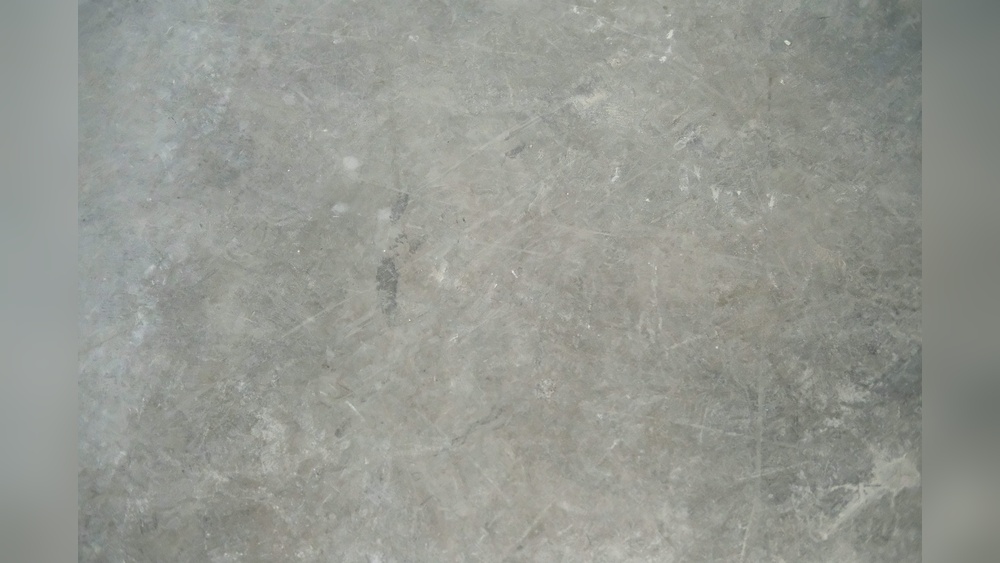

When it comes to your floors, texture isn’t just about looks — it’s about how your space feels the moment you step in. Imagine the difference between a smooth, polished surface and a rough, natural finish under your feet.
Which one makes you feel more comfortable, safe, or inspired? Your choice of floor texture can transform the entire atmosphere of your home or workspace. Whether you want warmth, durability, or a striking visual appeal, understanding floor textures helps you make decisions that truly match your lifestyle and style.
Ready to discover how the right floor texture can elevate your space? Keep reading to explore the options and find what fits you best.
Floor Texture Types
Floor texture plays a key role in the look and feel of any space. Different textures can change the room’s mood and safety. Choosing the right floor texture depends on style, comfort, and use. Below are common floor texture types to consider for your home or office.
Polished Surfaces
Polished floors offer a sleek and shiny finish. They reflect light, making rooms appear brighter. Common materials include marble, granite, and polished concrete. These surfaces are easy to clean but can be slippery when wet. Polished textures work well in modern and formal spaces.
Rough Textures
Rough floor textures provide grip and prevent slips. They add a tactile feel underfoot and bring a natural look. Examples are textured concrete, slate, and rough stone tiles. These floors suit outdoor areas and busy rooms needing extra safety. Rough surfaces hide dirt and wear better than smooth ones.
Natural Materials
Natural floor textures come from wood, bamboo, cork, and stone. Each has a unique grain or pattern that adds warmth. Wood floors can be smooth or slightly textured depending on the finish. Natural materials create a cozy atmosphere and are eco-friendly choices. They require regular care to keep their beauty.
Synthetic Options
Synthetic floor textures include vinyl, laminate, and rubber. These materials mimic natural looks or offer bold patterns. They are durable, affordable, and easy to install. Synthetic floors resist stains and moisture well. They fit well in kitchens, gyms, and play areas.
Material Choices
Choosing the right material for floor texture shapes a room’s style and feel. Each material offers unique patterns, durability, and comfort. Understanding these options helps you pick the best fit for your space.
Consider the look, maintenance, and lifespan of each material. Also, think about how the texture affects safety and cleaning.
Wood Varieties
Wood floors bring warmth and natural charm. Oak, maple, and walnut are popular choices. Each type has distinct grains and colors. Wood textures can be smooth or hand-scraped for a rustic look. They suit living rooms and bedrooms well. Wood requires regular care to avoid scratches and moisture damage.
Stone And Marble
Stone and marble floors add elegance and strength. Granite, slate, and travertine offer rough or polished finishes. Marble shines with smooth, cool surfaces. These materials are ideal for high-traffic areas. They resist wear but can be slippery if too smooth. Stone floors need sealing to prevent stains.
Luxury Vinyl
Luxury vinyl mimics wood and stone textures affordably. It is soft underfoot and water-resistant. Vinyl comes in planks or tiles with realistic patterns. It suits kitchens, bathrooms, and basements. Easy installation and low maintenance make it popular. The texture feels less cold than stone or tile.
Resin And Epoxy
Resin and epoxy create seamless, glossy floors. These materials can be textured with patterns or smooth finishes. They offer strong resistance to chemicals and scratches. Epoxy floors work well in garages and commercial spaces. They require professional application and occasional polishing. The shiny surface enhances room brightness.
Color Trends
Color trends play a big role in floor texture design. They set the mood of a room and affect how spacious or cozy it feels. Choosing the right color can enhance the texture and bring out the best in your flooring material.
Many popular colors reflect current design styles. Some focus on warmth and comfort, while others highlight boldness or natural beauty. Each color trend creates a unique atmosphere and complements different interior styles.
Warm Wood Tones
Warm wood tones bring a cozy, inviting feel to floors. Shades like honey, caramel, and chestnut add richness and depth. These colors work well in living rooms and bedrooms. They pair nicely with soft fabrics and natural light. Warm wood tones help spaces feel grounded and welcoming.
Neutral Shades
Neutral shades like beige, gray, and taupe offer a clean, modern look. They create a calm, balanced backdrop for furniture and decor. These colors suit minimalist and contemporary styles. Neutral floors also make rooms appear larger and brighter. They provide great flexibility for future design changes.
Bold And Dark Colors
Bold and dark colors make a strong statement. Deep blues, charcoal, and black add drama and elegance. These shades highlight texture details and create contrast. Dark floors work well in large spaces or rooms with plenty of light. They give a sleek, sophisticated vibe to interiors.
Natural Earthy Hues
Natural earthy hues include shades like terracotta, olive green, and clay. These colors connect indoor spaces with nature. They bring warmth and organic charm to floors. Earthy tones are perfect for rustic or bohemian designs. They create a relaxed, grounded atmosphere in any room.

Credit: www.flickr.com
Sustainable Flooring
Sustainable flooring offers eco-friendly options that protect the planet. It uses materials that are renewable, recycled, or have a low environmental impact. Choosing sustainable floors reduces waste and conserves natural resources.
These floors often feature natural textures that add warmth and character to any space. They bring a unique look while supporting green building practices. Sustainable flooring is a smart choice for healthy homes and offices.
Bamboo And Cork
Bamboo grows fast and is highly renewable. It regenerates without needing replanting, making it a great eco-friendly floor option. Bamboo floors are durable and provide a smooth, natural texture.
Cork comes from the bark of cork oak trees. The bark is harvested without cutting down trees. Cork floors are soft underfoot and offer natural insulation. Both bamboo and cork resist moisture and mold, perfect for many rooms.
Reclaimed Wood
Reclaimed wood uses old wood from buildings, barns, or factories. It reduces the need for new lumber and keeps wood out of landfills. Each piece has a unique texture with knots, grains, and marks from its past life.
This flooring adds character and history to any space. It is strong and long-lasting. Reclaimed wood floors also cut down on deforestation and lower carbon footprints.
Eco-friendly Finishes
Eco-friendly finishes use natural oils, water-based stains, or low-VOC sealants. These finishes protect floors without harmful chemicals. They keep indoor air clean and safe.
Such finishes highlight the natural texture of wood or cork. They help floors last longer while being gentle to the environment. Choosing safe finishes supports healthier living spaces.
Texture Techniques
Texture techniques shape how floors look and feel. They add character and improve safety. These methods change the surface to suit different styles and uses. Each technique offers a unique finish and texture.
Sandblasting
Sandblasting uses high-pressure sand to roughen floors. This method creates a gritty texture for better grip. It removes surface dirt and smoothness. Sandblasted floors resist slipping, ideal for outdoor spaces.
Flamed Finishes
Flamed finishes expose stone to intense heat. The rapid heating cracks the surface, making it rough. This texture looks natural and feels coarse. It works well for granite and other hard stones.
Bush Hammering
Bush hammering uses a tool with small points. It strikes the floor to create tiny pits and holes. The result is a rugged, non-slip surface. This technique enhances stone and concrete floors.
Hand-painted Designs
Hand-painted designs add artistic texture to floors. Skilled painters create patterns that feel slightly raised. This technique adds color and charm to plain floors. It works best for indoor areas needing visual interest.
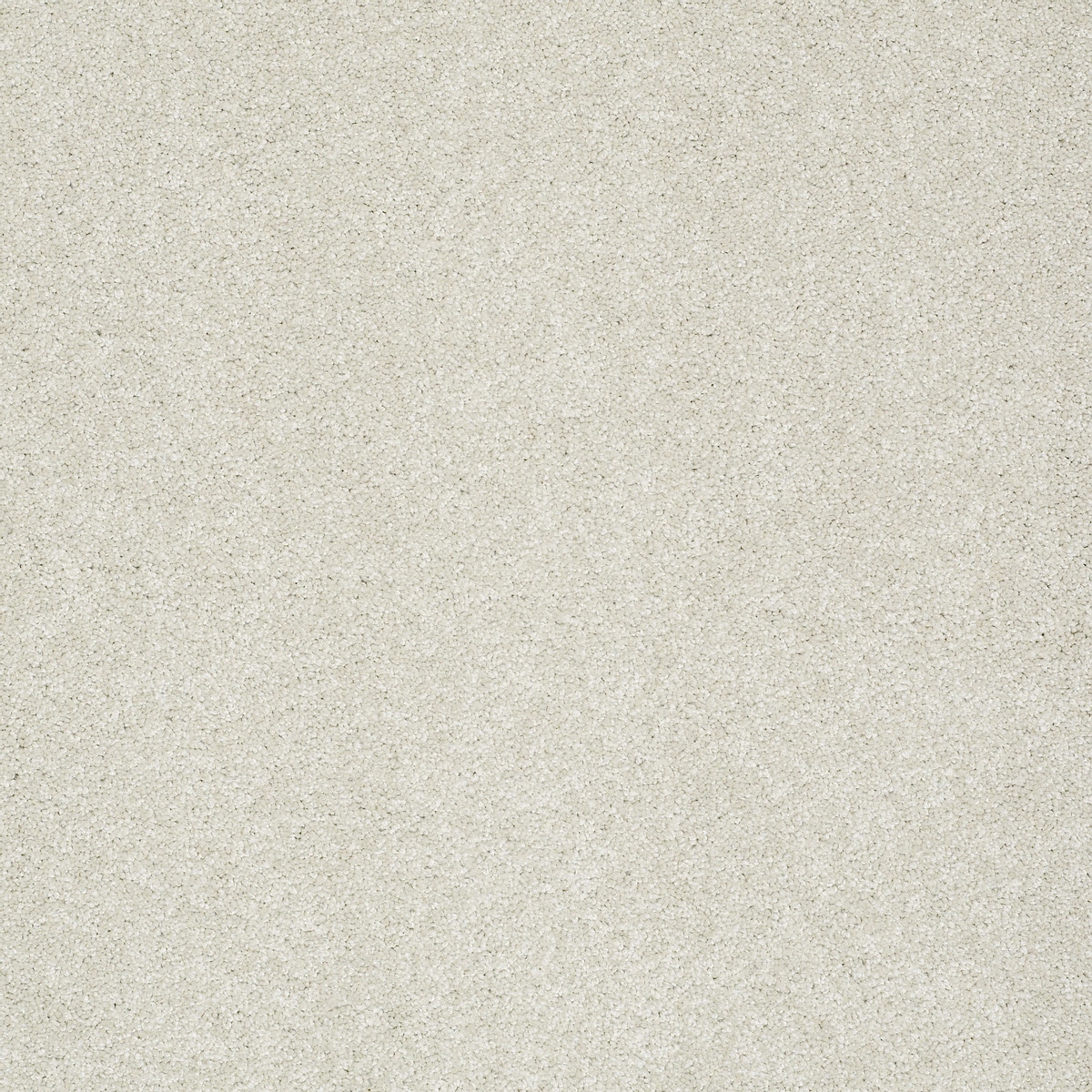
Credit: www.buildersinteriors.com
Practical Benefits
Choosing the right floor texture brings many practical benefits. These benefits improve the floor’s performance and your everyday experience. Textured floors offer advantages that go beyond looks. They help protect surfaces and make maintenance easier. Understanding these benefits helps in making smart floor decisions.
Durability And Maintenance
Floor textures add strength to the surface. They hide scratches and scuffs better than smooth floors. Textured floors resist wear and tear from heavy use. Cleaning is simpler because dirt does not show easily. This reduces the need for constant upkeep. Textured floors last longer, saving money over time.
Slip Resistance
Textured floors provide better grip underfoot. This reduces the risk of slips and falls. Rough surfaces improve safety in wet or oily conditions. Homes and workplaces benefit from safer floors. Slip-resistant textures meet safety standards. This is especially important in busy or wet areas.
Waterproof Options
Some textured floors come with waterproof features. These floors prevent water damage and warping. Waterproof textures are ideal for kitchens and bathrooms. They block moisture from seeping into the floor layers. This keeps floors looking new and strong. Waterproof floors also resist mold and mildew.
Cost Comparisons
Textured floors can vary in price. Some options cost more upfront but reduce repair expenses. Others offer affordable installation with moderate durability. Comparing costs helps balance budget and quality. Long-term savings come from less maintenance and fewer replacements. Choose textures that fit your needs and wallet.
Design Ideas
Choosing the right floor texture sets the tone for any room. It reflects your style and creates a mood. Texture can make floors look soft, rough, shiny, or matte. These design ideas help you pick the perfect floor texture for your space.
Modern Minimalist
Sleek and simple textures suit modern minimalist rooms. Smooth concrete or polished stone floors work well. They offer a clean and calm look. Neutral colors like gray, white, or beige keep the space airy. Minimal texture means less visual clutter and more focus on shapes.
Rustic Charm
Rustic floors feel warm and inviting. Think rough wood planks or textured stone tiles. Natural imperfections add character and depth. Earthy tones like browns and tans enhance the cozy vibe. These textures bring nature inside and create a relaxed atmosphere.
Luxury Elegance
Glossy marble or finely grained hardwood floors suggest luxury. Smooth, reflective textures catch light beautifully. Rich colors such as deep browns, blacks, or whites add sophistication. Detailed patterns or inlays increase the elegance factor. These floors make any room feel upscale.
Eclectic Mix
Combining different floor textures creates a bold, eclectic style. Pair rough stone with smooth tiles or wood with concrete. Mixing textures adds interest and personality. Use contrasting colors or patterns for a unique look. This style suits creative spaces and adventurous homeowners.

Credit: www.freepik.com
Installation Tips
Installing floor texture correctly improves both appearance and durability. Follow key tips to ensure a smooth and lasting finish. Proper steps make your floor safe and attractive.
Surface Preparation
Clean the floor thoroughly before starting. Remove dust, grease, and old coatings. Repair cracks and holes to create a flat surface. A smooth base helps the texture stick better. Let the floor dry completely before applying texture.
Choosing Professionals
Experts have the right tools and skills for best results. They know how to prepare surfaces and apply textures evenly. Hiring professionals saves time and reduces mistakes. Ask for references and check past work before hiring.
Diy Considerations
Choose simple textures if you work alone. Use quality products designed for easy application. Follow instructions carefully for mixing and spreading texture. Practice on a small area first to gain confidence. Work in a well-ventilated space for safety.
Maintenance Advice
Keep the floor clean by sweeping regularly. Use mild cleaners to avoid damaging the texture. Avoid dragging heavy furniture to prevent scratches. Repair small damages quickly to stop them from growing. Regular care extends the floor’s life and beauty.
Frequently Asked Questions
What Is The Texture Of The Floor?
The floor texture varies from smooth and polished to rough or matte finishes. It depends on materials and design choices. Common textures include wood grain, stone, tile patterns, or concrete finishes, providing both aesthetic appeal and functional grip.
Is It Cheaper To Tile Or Epoxy A Floor?
Epoxy flooring typically costs less than high-quality tile installation. Epoxy offers affordable materials and faster application, reducing labor expenses. However, tile prices vary widely based on material and design. Overall, epoxy usually provides a more budget-friendly flooring solution compared to tiling.
What Is The Rule Of 3 Flooring?
The rule of 3 flooring means dividing a room into three sections for balanced design. It guides tile or plank placement for visual harmony. This technique enhances aesthetics by creating rhythm and proportion in floor layouts. It simplifies planning and improves overall floor appearance.
What Is The Flooring Trend For 2025?
The 2025 flooring trend highlights sustainable materials, natural textures, and warm tones. Popular choices include reclaimed wood, textured tiles, and eco-friendly vinyl. Homeowners prefer durable, easy-to-maintain surfaces that combine style with functionality, enhancing cozy and inviting spaces.
Conclusion
Choosing the right floor texture changes the look and feel of any space. Smooth floors offer a clean, modern style. Rough textures add grip and prevent slips. Each texture suits different rooms and uses. Think about comfort, safety, and design before deciding.
With the right texture, floors become both beautiful and practical. Explore options to find what fits your needs best. Simple choices make a big difference in your home or office.