
When it comes to your bathroom, design isn’t just about looks—it’s about comfort, hygiene, and making the most of your space. If you’re thinking about a latrine bathroom design, you want a setup that’s practical yet inviting.
You might wonder how to blend functionality with style, especially in a smaller area or a unique setting. You’ll discover smart ideas that transform ordinary latrines into clean, efficient, and even elegant spaces. Whether you’re upgrading an existing bathroom or planning a new one, the tips here will help you create a space that works perfectly for you and your family.
Keep reading to find out how simple design choices can make a big difference in your daily routine.
Modern Latrine Styles
Modern latrine styles bring fresh ideas to bathroom design. They mix comfort with smart use of space. These styles create a calm and clean look. Each style offers unique benefits for any home or public place.
Designers focus on simple shapes, soothing colors, and natural materials. This helps make latrines more inviting and easier to maintain. Below are three popular modern latrine styles that stand out today.
Minimalist Designs
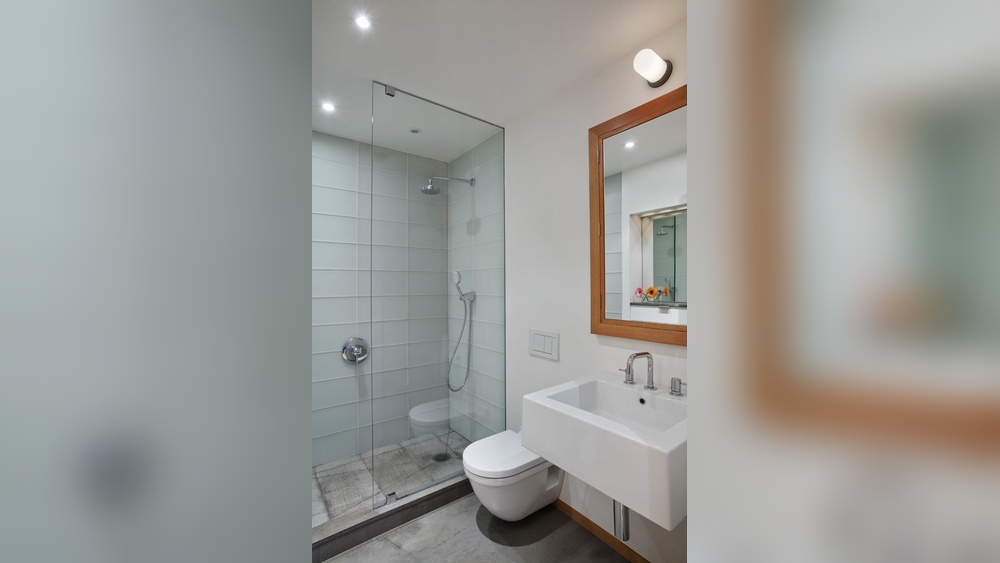
Minimalist latrine designs use clean lines and plain colors. They avoid extra decorations to keep the space uncluttered. This style makes small latrines feel larger and brighter.
Fixtures are simple and functional, often wall-mounted. Storage is hidden to keep the room tidy. Minimalist styles suit homes and offices that want a sleek, modern look.
Spa-inspired Features
Spa-inspired latrines focus on relaxation and comfort. Soft lighting and natural tones create a peaceful mood. Materials like wood and stone add warmth and texture.
Features might include heated seats, gentle water sprays, or aromatherapy options. This style turns a basic latrine into a small retreat. It fits luxury homes and upscale public spaces.
Organic Shapes And Forms
Organic latrine designs use curves and natural shapes. These forms mimic nature and feel smooth to the eye. Rounded edges and flowing lines soften the space.
Fixtures blend into the room with shapes inspired by shells or leaves. This style adds a unique, artistic touch to any bathroom. It works well in creative homes and boutique hotels.
Color Palettes
Choosing the right color palette is key for latrine bathroom design. Colors affect mood and space perception. The palette can make a small room feel larger or cozier. It also sets the tone for cleanliness and comfort. Different palettes offer unique styles and atmospheres. Below are some popular color themes for latrine bathrooms.
Warm Earthy Tones
Warm earthy tones bring natural comfort indoors. Shades like terracotta, beige, and soft browns create a welcoming space. These colors remind us of soil, wood, and clay. They pair well with plants and natural materials. Earthy tones hide dirt better and feel grounded. This palette suits rustic or traditional latrine designs.
Moody And Bold Hues
Moody colors add drama and style to latrine bathrooms. Deep blues, charcoal grays, and rich greens create a strong visual impact. These hues work well with modern fixtures and metallic accents. Bold colors make small spaces feel intimate and luxurious. They require good lighting to avoid a gloomy look. Use moody palettes for a chic, contemporary feel.
Neutral And Soft Shades
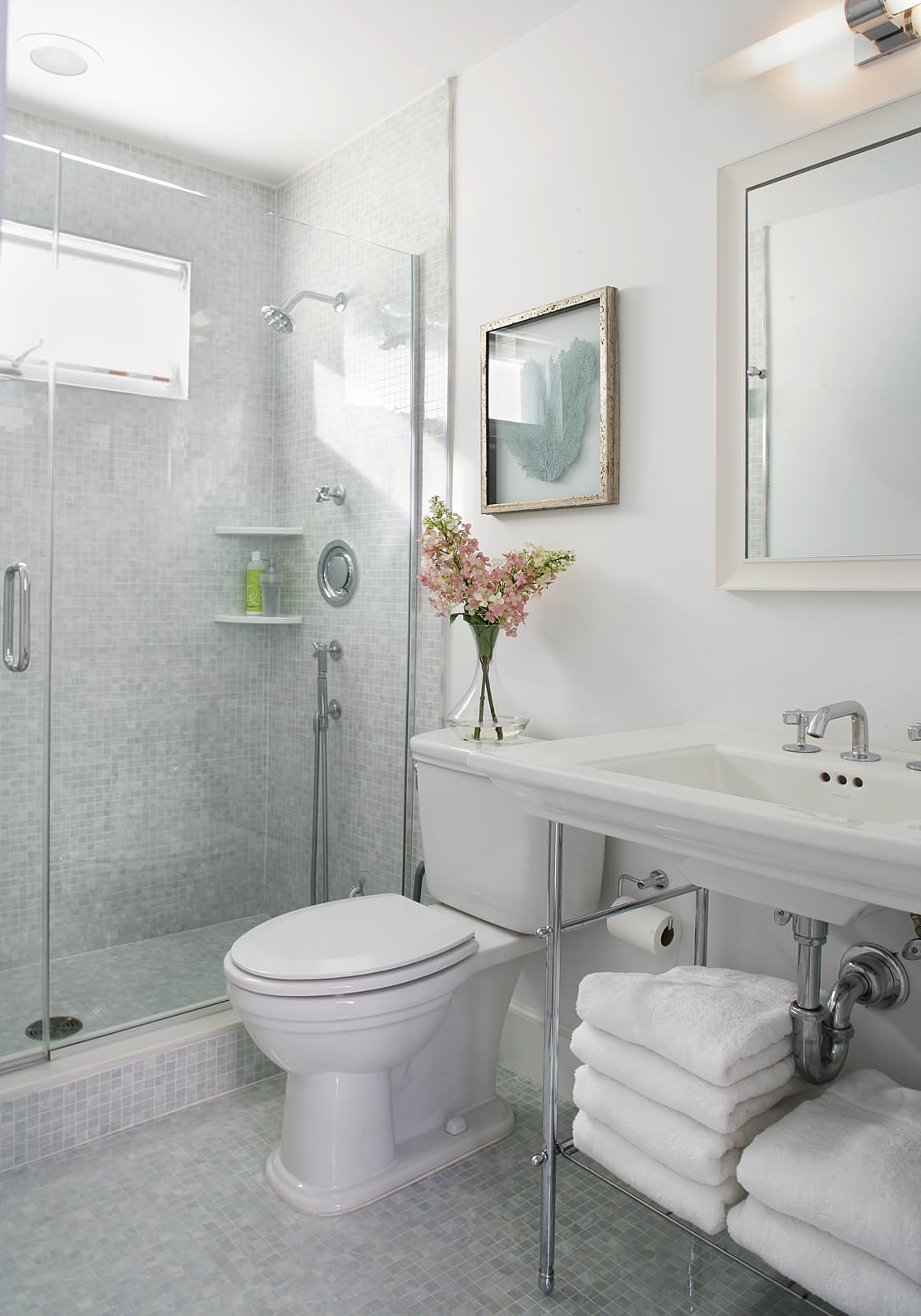
Neutral and soft shades offer a clean and calm environment. Whites, light grays, and pastel tones brighten the space. These colors reflect light and make rooms appear larger. Soft shades help create a peaceful atmosphere ideal for relaxation. They match many design styles and accessories. Neutrals are perfect for minimalist and classic latrine bathrooms.
Innovative Materials
Innovative materials bring fresh life to latrine bathroom design. They improve durability and style in small and large spaces. Choosing the right materials can create a clean, safe, and comfortable environment. Modern materials add texture, warmth, and eco-consciousness to the bathroom. They make maintenance easier and boost the overall appeal.
Textured Tiles And Surfaces
Textured tiles add depth and grip to bathroom floors and walls. They reduce slipping risks in wet areas. Patterns and shapes create interesting visual effects. These tiles work well around showers and sinks. They offer a modern look with practical benefits. Easy to clean and maintain, they last for years.
Natural Stone And Wood
Natural stone brings a timeless, elegant feel to bathrooms. Granite, marble, and slate add color and strength. Wood offers warmth and a cozy atmosphere. Treated wood resists moisture and decay. Combining stone and wood creates balance and contrast. Both materials require care but enhance bathroom character.
Eco-friendly Options
Eco-friendly materials support sustainable bathroom design. Bamboo, recycled glass, and reclaimed wood lower environmental impact. These materials often use less water and energy to produce. They help reduce waste and pollution. Choosing green options promotes a healthier home and planet. Many are stylish and durable for latrine bathrooms.
Credit: www.houzz.ie
Space Optimization
Optimizing space in latrine bathroom design makes small areas more functional and comfortable. Smart planning helps fit essential features without clutter. Efficient use of every inch creates a neat and practical environment. This approach suits homes with limited bathroom space.
Compact Layouts
Compact layouts arrange fixtures close yet comfortable. Positioning the toilet, sink, and shower efficiently saves space. Using corner sinks or small toilets frees up more room. Clear floor space allows easy movement inside the latrine.
Wall-mounted Fixtures
Wall-mounted fixtures lift toilets and sinks off the floor. This design frees floor space and makes cleaning easier. Floating vanities add a modern look and increase usable area. Choosing slim or recessed fixtures improves openness in tight spaces.
Storage Solutions
Good storage keeps the latrine tidy and organized. Use shelves above the toilet or inside cabinets to store essentials. Vertical storage uses wall space without crowding the floor. Hidden storage behind mirrors or under sinks hides clutter effectively.
Lighting Techniques
Lighting plays a key role in latrine bathroom design. It affects safety, comfort, and mood. Good lighting helps users see clearly and feel relaxed. Different lighting techniques serve different purposes. Combining these techniques creates a balanced and functional bathroom space.
Ambient And Task Lighting
Ambient lighting provides overall illumination. It fills the bathroom with soft, even light. This lighting helps users move safely and comfortably. Task lighting focuses on specific areas. It brightens places like the sink or mirror. This lighting aids in grooming and cleaning. Using both types ensures the bathroom is well-lit and practical.
Accent Lights
Accent lights highlight design features or decorations. They add depth and style to the bathroom. Small LED strips or spotlights work well for accent lighting. These lights create visual interest and a cozy atmosphere. Accent lighting can emphasize tiles, artwork, or architectural details. It enhances the bathroom’s aesthetic without overpowering the space.
Natural Light Integration
Natural light improves bathroom brightness and air quality. It reduces the need for artificial lighting during the day. Windows or skylights are common ways to bring in natural light. Frosted glass or blinds keep privacy while allowing light inside. Natural light makes the bathroom feel open and fresh. Incorporating it supports energy savings and a pleasant environment.

Credit: www.youtube.com
Smart Features
Smart features in latrine bathroom design improve comfort and hygiene. These features use technology to make daily use easier and cleaner. They help save water and reduce germs without extra effort.
Smart bathrooms feel modern and thoughtful. They offer convenience through automation and sensors. This section explores key smart features that enhance any latrine bathroom.
Automated Toilets
Automated toilets open and close lids by themselves. They flush automatically after use. This reduces contact with surfaces and keeps the toilet clean. Some models include heated seats for extra comfort. Many have built-in bidets for better hygiene. These toilets save water by using sensors to control flush volume. They make bathrooms more sanitary and user-friendly.
Touchless Faucets
Touchless faucets turn on with hand movements. They stop water flow when hands move away. This saves water and lowers germ spread. Sensors detect the exact time to release water. They keep sink areas dry and clean. These faucets require less cleaning and help maintain hygiene. They are ideal for latrine bathrooms used by many people.
Humidity Control Systems
Humidity control systems keep air fresh and dry. They remove excess moisture to prevent mold and bad smells. Some systems use fans with smart sensors. These sensors activate only when needed. Proper humidity control protects walls and fixtures. It creates a healthier bathroom environment. These systems improve comfort and reduce maintenance needs.
Decor And Accessories
Decor and accessories shape the personality of a latrine bathroom. They bring warmth and style to an often overlooked space. Small touches can create a calm and inviting atmosphere. Choosing the right elements improves comfort and visual appeal.
Greenery And Plants
Plants brighten any bathroom with fresh green color. Small potted plants fit well on shelves or windowsills. Succulents and ferns thrive in humid environments. Greenery helps clean the air and reduces odors naturally. Choose easy-care plants to keep the space lively with little effort.
Mirrors And Medicine Cabinets
Mirrors enlarge the room and add light. A well-placed mirror reflects natural and artificial light. Medicine cabinets offer hidden storage to keep essentials organized. Select cabinets with sleek designs to match the bathroom style. Both mirrors and cabinets improve function and aesthetics.
Textiles And Rugs
Textiles add softness and color to the floor and walls. Choose absorbent rugs that prevent slipping and add warmth. Towels and curtains in matching tones create a cohesive look. Textiles help reduce noise and make the bathroom feel cozy. Opt for washable materials for easy care and hygiene.

Credit: www.housebeautiful.com
Cohesive Design Themes
Cohesive design themes create a unified and pleasing look in latrine bathrooms. They help tie all elements together, making the space feel complete. Choosing a clear theme guides the selection of colors, materials, and fixtures. This approach avoids visual clutter and confusion. It also enhances comfort and style in a small, functional area.
Tile-drenched Looks
Tiles cover walls and floors to form a seamless surface. Using the same tile style across the room creates a strong visual flow. Patterns or colors can add interest without breaking unity. Tiles are easy to clean, making them perfect for bathrooms. This design choice balances beauty with practicality effectively.
Monochromatic Schemes
Monochromatic schemes use different shades of one color. This simplifies the design and feels calm and orderly. Light tones can make the space look larger and brighter. Darker shades add depth and a cozy mood. This approach suits minimalists and those who prefer subtle elegance.
Blending Traditional And Modern
Mixing traditional and modern styles adds charm and freshness. Classic fixtures combine with sleek lines for balanced contrast. Warm wood or vintage details soften modern materials like glass or metal. This blend respects heritage while embracing current trends. The result is a timeless, inviting bathroom space.
Frequently Asked Questions
What Is The Golden Rule For Bathroom Layouts?
The golden rule for bathroom layouts is to ensure functional flow by placing fixtures for easy access and maintaining adequate space for movement. Prioritize comfort, privacy, and efficient use of space to create a practical and visually pleasing bathroom design.
What Is The Latest Trend For Bathrooms?
The latest bathroom trends feature warm, earthy colors, textured surfaces, organic shapes, and spa-like, minimalist designs for a cozy feel.
What Is The Best Placement For A Toilet In A Bathroom?
Place the toilet away from the bathroom door for privacy. Ensure enough space around it for comfort. Position near plumbing for efficiency. Avoid placing it directly opposite the shower or bathtub to maintain hygiene and aesthetics.
What Are The Three Types Of Bathroom Layouts?
The three types of bathroom layouts are linear, L-shaped, and U-shaped. Each optimizes space and functionality differently.
Conclusion
Designing a latrine bathroom requires smart planning and simple choices. Use space wisely to keep the area clean and functional. Choose materials that are easy to clean and last long. Light colors and good lighting create a fresh, inviting feel.
Adding storage helps reduce clutter and keeps things organized. Small details, like proper ventilation, improve comfort and hygiene. Thoughtful design makes daily use easier and more pleasant. A well-planned latrine bathroom meets basic needs with comfort and style. Keep it simple, practical, and neat for the best results.