
Are you looking to add a touch of natural elegance to your design projects? High resolution wood floor textures can transform your work by bringing warmth, depth, and realism that instantly capture attention.
Whether you’re creating digital art, designing interiors, or developing game environments, having access to sharp, detailed wood textures makes all the difference. You’ll discover how the right wood floor texture can elevate your visuals, where to find the best high-quality options, and tips to use them effectively.
Ready to make your designs stand out with stunning wood floors? Let’s dive in.

Credit: www.vecteezy.com
Benefits Of High Resolution Wood Textures
High resolution wood textures offer many benefits for designers and creators. They bring wood surfaces to life with sharp, clear details. These textures help projects look natural and professional. Using high resolution images improves the overall quality of visual presentations. Designers can rely on these textures for accurate and versatile design solutions.
Enhanced Visual Detail
High resolution wood textures show fine grain and knots clearly. Every line and pattern appears crisp and distinct. This level of detail adds depth and realism to designs. Low resolution textures often look blurry or pixelated. High resolution ensures sharpness even in large displays or prints. It allows viewers to see the natural beauty of wood up close.
Realistic Material Representation
These textures capture the true look of wood surfaces. Color variations, shadows, and highlights appear natural. This makes designs feel authentic and believable. Realistic textures improve the user’s experience with digital or printed materials. The natural feel helps in architectural visualization and interior design projects. It also supports product presentations needing genuine wood appearance.
Versatility In Design Use
High resolution wood textures fit many creative needs. They work well in web design, games, and 3D modeling. Designers can easily resize or crop without losing quality. These textures also suit backgrounds, overlays, and detailed close-ups. Their flexibility saves time and effort in different projects. This makes them a valuable resource in any design toolkit.

Credit: www.freepik.com
Types Of Wood Floor Textures
Wood floor textures bring warmth and character to any space. Their variety offers many design options. Each type has unique patterns and grains. Understanding these helps in choosing the right style. High resolution wood floor textures capture details perfectly. This section explores popular wood floor texture types.
Oak And Hardwood Variations
Oak is a classic choice for wood floors. It features a strong grain and durability. Variations include red oak and white oak. Hardwood floors also include maple, hickory, and ash. These woods have fine textures and natural patterns. They fit both traditional and modern interiors well.
Dark Wood And Exotic Species
Dark wood textures add depth and richness. Species like walnut and mahogany offer dark tones. Exotic woods such as teak and rosewood show unique grains. These woods bring luxury and boldness to floors. Their textures often feature tight grains and rich colors.
Parquet And Patterned Floors
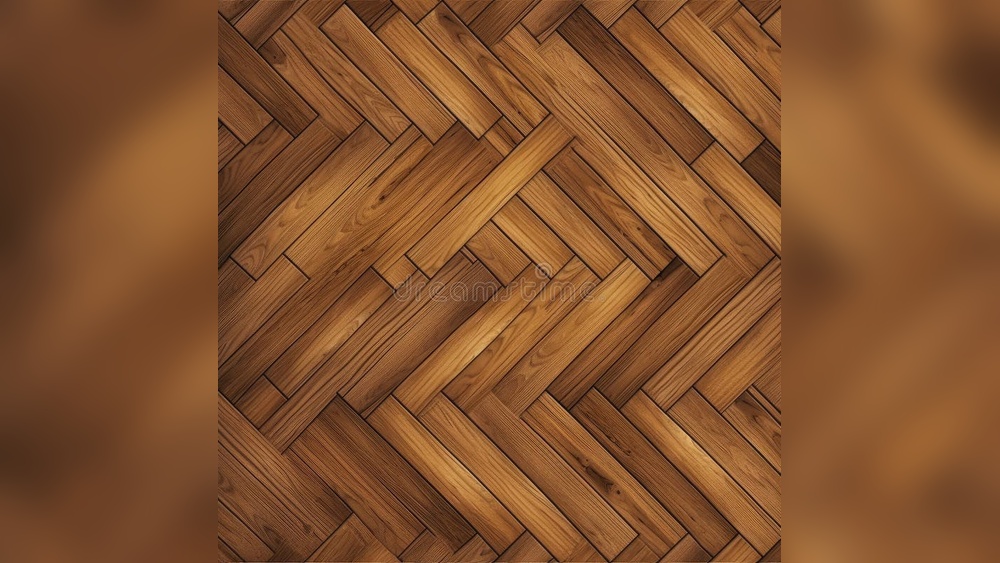
Parquet floors use small wood pieces arranged in patterns. Common designs include herringbone and chevron. These floors create visual interest with texture and shape. Patterned floors often combine different wood types. They add elegance and style to any room.
Sources For Quality Wood Textures
Finding quality wood textures is essential for realistic and attractive designs. High resolution wood floor textures add detail and depth to your projects. Multiple sources offer great wood textures that fit different budgets and needs. Exploring these options helps you pick the best texture for your work.
Free Resource Platforms
Free platforms provide a wide variety of wood textures without cost. Websites like Freepik and Poly Haven offer high resolution, seamless wood floor textures. These textures often come with licenses allowing commercial use. They are perfect for beginners or projects with tight budgets. The quality varies, but many are suitable for professional use.
Premium Stock Image Providers
Premium stock sites offer exclusive, high-quality wood floor textures. Providers such as Adobe Stock and iStock have vast libraries of detailed images. These platforms ensure textures are professionally shot and edited. They usually include extended licenses for commercial projects. Premium textures save time and guarantee consistency in design.
Custom Texture Creation
Custom texture creation allows full control over the wood floor look. Artists can photograph real wood or design textures digitally. This method ensures unique textures tailored to specific needs. It works well for branding or when exact wood types are required. Custom textures may cost more but deliver unmatched originality.

Credit: pngtree.com
Using Wood Textures In Design Software
Using high resolution wood floor textures in design software enhances project realism. These textures bring natural wood details into digital creations. Designers can apply them in various programs to improve visual appeal and depth.
Integration With 3d Modeling Tools
3D modeling tools like Blender and SketchUp support wood textures easily. Import textures as image files and map them onto 3D surfaces. Adjust scale and orientation to match the floor’s dimensions. This process adds realistic wood grain and patterns to models. Textures help simulate light reflections and shadows on wooden floors. This creates a more natural and immersive scene for viewers.
Applying Textures In Photoshop
Photoshop users can apply wood floor textures to images or designs quickly. Open the texture file and place it over the target area. Use blending modes like Multiply or Overlay to merge textures smoothly. Layer masks allow selective texture application. This method adds depth without overpowering the original design. Adjust brightness and contrast to match the lighting of the project. Photoshop offers control to refine wood texture effects precisely.
Optimizing Textures For Rendering
Optimizing wood floor textures improves rendering speed and quality. Resize textures to fit the project’s resolution needs. Large files can slow down rendering and increase memory use. Compress textures using formats like JPEG or PNG without losing detail. Use seamless textures for smooth repetition across surfaces. Proper optimization ensures faster previews and final renders. This balance keeps images sharp and software responsive.
Tips For Realistic Wood Floor Rendering
Creating realistic wood floor renderings requires attention to detail and technique. A high resolution wood floor texture alone does not guarantee realism. Proper lighting, seamless texture application, and color correction play crucial roles. Follow these tips to enhance your wood floor visuals and bring them to life in any design project.
Lighting And Shadows
Lighting sets the mood and depth of your wood floor. Use soft, natural light to highlight wood grain and texture. Shadows add contrast and make the floor appear three-dimensional. Avoid flat lighting that washes out details. Experiment with light angles to show wood patterns clearly. Subtle shadows between planks increase realism.
Seamless Texture Application
Seamless textures prevent visible edges in your wood floor rendering. Use high resolution seamless wood floor textures to ensure smooth repetition. Align grain direction consistently across the floor. Avoid stretching or compressing textures, which cause distortion. Proper UV mapping helps maintain texture scale and proportion. Blend edges carefully for natural transitions.
Color Correction And Enhancement
Adjust colors to match the wood species and lighting environment. Enhance contrast to bring out grain details. Warm tones often create a cozy, inviting feel. Use saturation sparingly to avoid unnatural hues. Correct color balance to remove unwanted tints. Fine-tune brightness for optimal visibility without glare.
Common Challenges And Solutions
High resolution wood floor textures bring life to digital projects. They add depth and realism. Yet, working with these textures has challenges. Understanding common problems helps find effective solutions. This section covers key issues and how to handle them efficiently.
Avoiding Repetition In Patterns
Repeating patterns can make wood floors look artificial. To avoid this, use seamless textures that blend edges smoothly. Vary the placement of texture tiles for a natural look. Adding subtle color or grain shifts breaks monotony. Small changes create a more authentic floor surface.
Managing File Sizes
High resolution textures can be very large. Large files slow down loading and use more storage. Compress images without losing quality using tools like PNG or JPEG. Resize textures to the needed dimensions only. Optimize files to balance clarity and performance effectively.
Ensuring Compatibility Across Platforms
Different software and devices handle textures differently. Use common file formats like JPEG, PNG, or TIFF for broad support. Test textures in multiple applications to check how they display. Adjust color profiles to maintain consistent appearance. This ensures your wood floor textures look good everywhere.
Trends In Wood Floor Textures
Wood floor textures shape the style and feel of any space. Trends in wood floor textures change to match design needs and lifestyle. Each texture adds character and warmth to rooms. Today’s trends focus on natural beauty, sustainability, and simplicity.
Sustainable And Eco-friendly Looks
Eco-friendly wood textures gain popularity fast. Reclaimed wood offers a rustic, natural charm. Bamboo and cork floors provide green alternatives. These materials reduce environmental impact. Their textures highlight nature’s imperfections, making floors unique. Sustainable choices appeal to eco-conscious homeowners and designers.
Aging And Distressed Effects
Aged and distressed wood textures create vintage vibes. Scratches, knots, and worn spots tell stories. This style adds warmth and history to spaces. It works well in cozy, traditional, and farmhouse designs. Distressed textures hide dirt and wear, perfect for busy homes.
Modern Minimalist Styles
Minimalist wood floors focus on clean lines and simplicity. Smooth, matte finishes dominate this trend. Light tones like ash or maple brighten rooms. Minimalist textures create calm and spacious feels. These floors match contemporary furniture and décor easily.
Frequently Asked Questions
What Is High Resolution Wood Floor Texture?
High resolution wood floor texture refers to detailed, sharp images of wood flooring. These textures capture wood grain, knots, and color variations clearly. They are ideal for digital design, 3D modeling, and architectural visualization projects requiring realistic wood surfaces.
Where Can I Download Free Wood Floor Textures?
You can download free wood floor textures from websites like Poly Haven, Freepik, and Pexels. These platforms offer high-quality, royalty-free wood textures suitable for commercial and personal use, often with seamless patterns for easy application in design software.
How To Use Wood Floor Textures In Design Projects?
Wood floor textures are applied as surface patterns in graphic design, 3D modeling, and rendering. Import the texture into your software and map it onto floor surfaces to add realism. Adjust scale and lighting for the best natural appearance.
Why Choose High Resolution Textures For Wood Flooring?
High resolution textures provide finer detail and clarity, enhancing realism in visual projects. They prevent pixelation when zoomed or printed large. This quality is essential for professional designs, virtual staging, and architectural presentations.
Conclusion
High resolution wood floor textures bring warmth and realism to designs. They enhance any project with natural beauty and detail. Using clear, detailed images creates a professional and polished look. Choose textures that fit your style and needs easily. These textures work well in architecture, games, and digital art.
Always pick high-quality images for the best results. Simple, realistic wood textures make spaces feel inviting and cozy. Explore different wood patterns to find the perfect match for your work. Quality textures save time and improve overall design appeal.