
When it comes to designing a residential handicap bathroom, you want a space that combines safety, comfort, and style. Imagine a bathroom where every feature is thoughtfully placed to make your daily routine easier and more independent.
From wide doorways to curbless showers, grab bars, and accessible sinks, these design elements can transform your bathroom into a haven of accessibility. You’ll discover inspiring residential handicap bathroom designs pictures that show how smart layouts and practical fixtures come together beautifully.
Whether you’re remodeling for yourself or a loved one, these ideas will help you create a bathroom that feels welcoming and works perfectly for your needs. Keep reading to find the perfect design inspiration that will make your bathroom safer and more comfortable today.
Credit: allorausa.com
Wide Doorways And Entryways
Wide doorways and entryways are essential in residential handicap bathroom designs. They allow easy access for wheelchairs and walkers. Wider openings prevent accidents and provide comfort. These spaces create a welcoming and functional bathroom environment. Careful planning ensures smooth movement and safety for all users.
Turning Radius Needs
The turning radius is the space needed for a wheelchair to turn around. A minimum of 60 inches diameter is recommended. This area should be free from obstacles and clutter. Proper turning space helps users move without strain. It improves independence and confidence inside the bathroom.
Non-slip Flooring Choices
Non-slip flooring reduces the risk of falls in wet areas. Materials like textured tiles or rubberized surfaces work well. Avoid smooth or glossy finishes that become slippery. Choose flooring that is easy to clean and maintain. Good traction enhances safety for everyone in the bathroom.
Curbless Entry Benefits
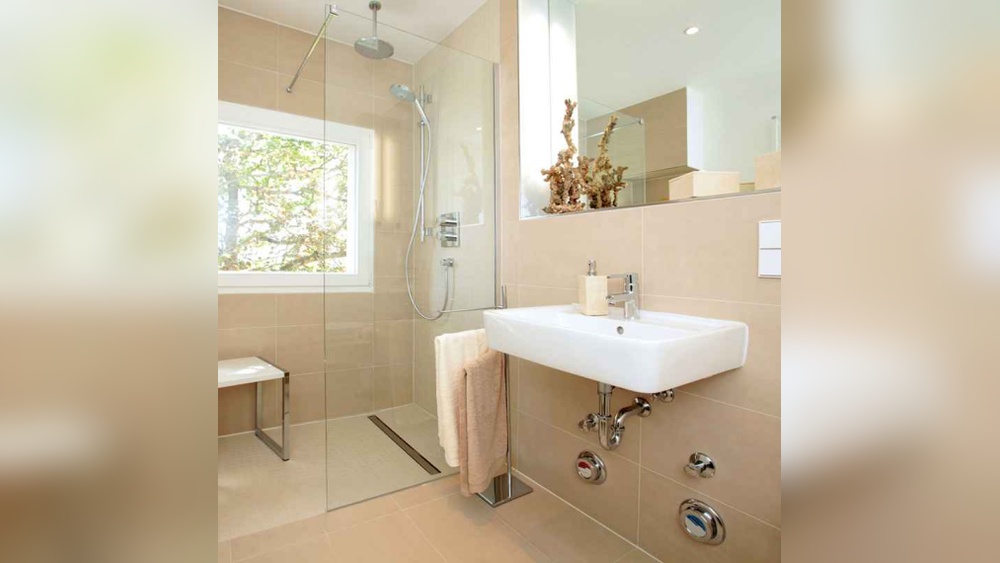
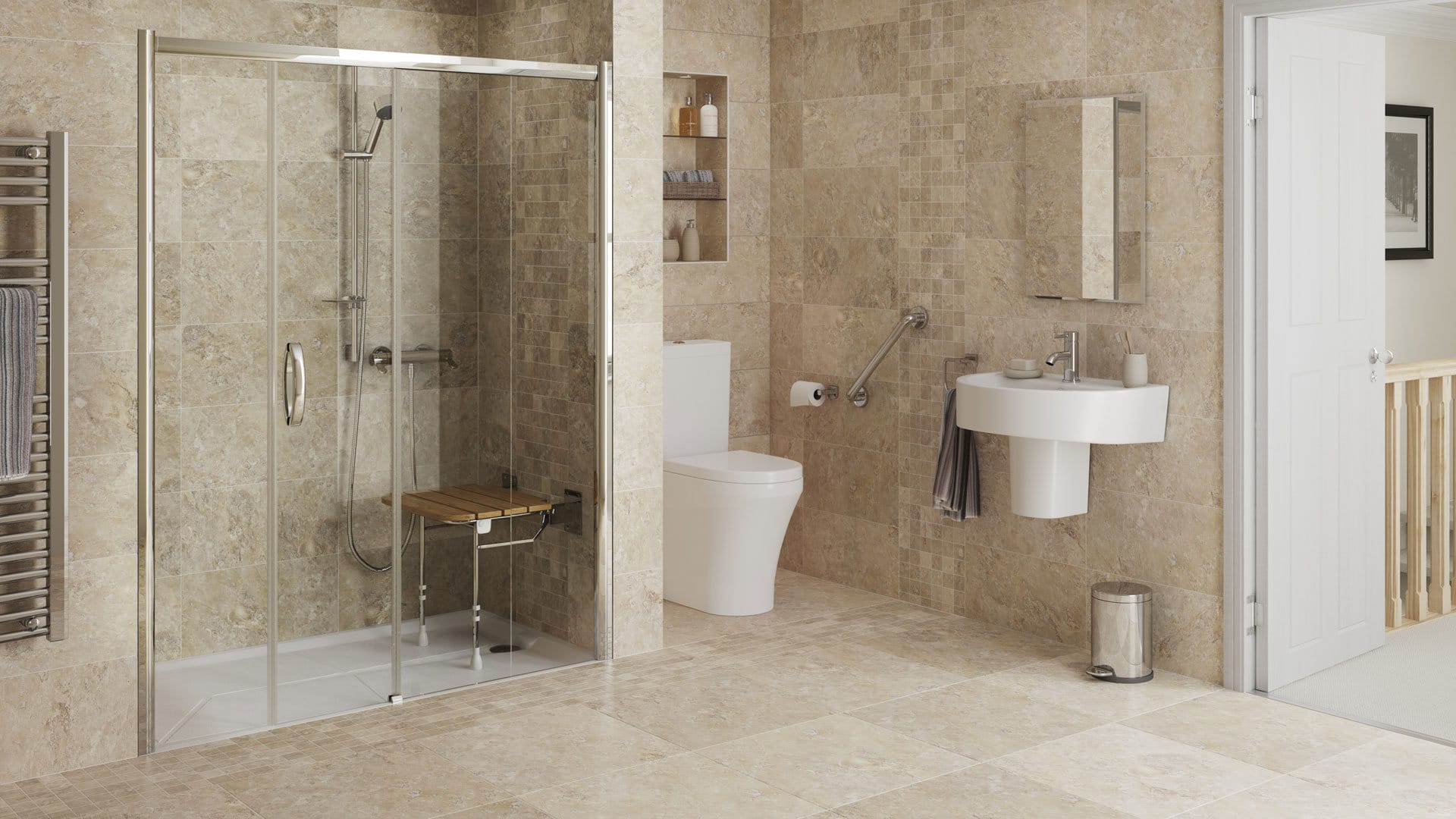
Curbless or walk-in showers eliminate the need to step over a threshold. This design reduces tripping hazards and eases access. It supports users with mobility aids like wheelchairs and walkers. Curbless entries also simplify cleaning and maintenance. They create a seamless, modern look that blends with wide doorways.
Credit: liveinplacedesigns.com
Shower And Bathtub Features
Designing showers and bathtubs for residential handicap bathrooms requires thoughtful features. These features improve safety, comfort, and independence. Proper design helps users move easily and feel secure. The right shower and bathtub elements make daily routines simpler.
Roll-in Shower Options
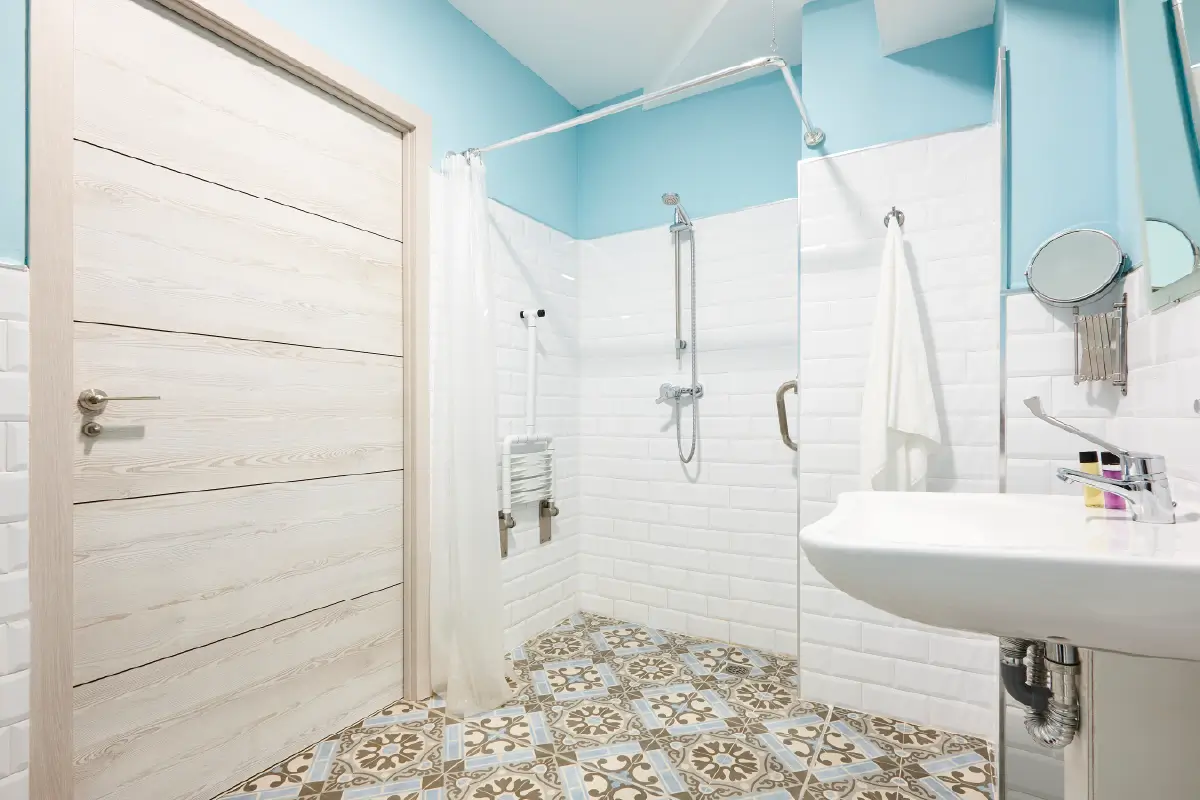
Roll-in showers have no steps or curbs. This allows easy wheelchair access. They often include a wide entry and smooth floor surface. Some designs feature built-in benches for resting. Non-slip flooring keeps the shower safe and secure.
Safety Grab Bars
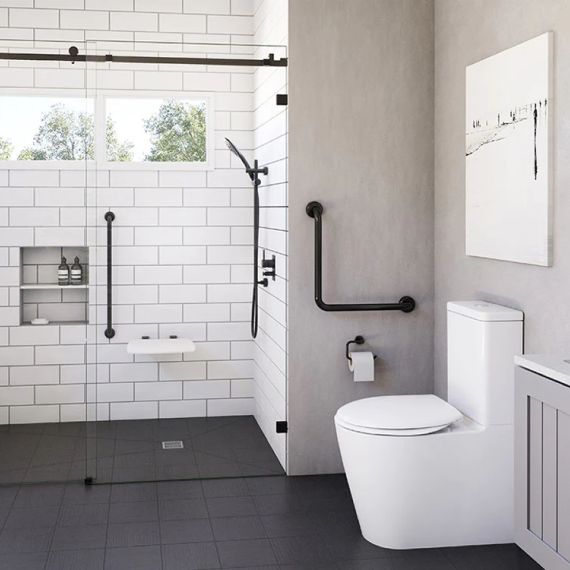
Grab bars provide essential support in showers and tubs. They help users balance and prevent falls. Bars should be strong and placed where users need them most. Typical spots include near the shower seat and entrance. Using grab bars boosts confidence and safety.
Accessible Shower Controls
Controls must be easy to reach and operate. Lever handles or push buttons work well. Controls placed at a lower height suit wheelchair users. Temperature controls should prevent sudden hot water bursts. Clear labels make settings simple to understand.
Convenient Shower Accessories
Accessories increase comfort and usability in the shower. Handheld showerheads offer flexible water direction. Soap dispensers and shelves should be within arm’s reach. Shower seats provide a place to rest during bathing. Thoughtful accessory placement aids independence.
Toilet Accessibility
Toilet accessibility plays a key role in residential handicap bathroom designs. It ensures comfort and safety for users with mobility challenges. A well-designed accessible toilet supports independence and ease of use. Thoughtful features help reduce strain and prevent accidents. Every detail matters in creating a functional space.
Supportive Grab Bars
Grab bars provide essential support around the toilet. They help users sit down and stand up safely. Installing bars on both sides enhances balance and stability. Choose bars that are sturdy and securely anchored. Position them at heights convenient for the user.
Reachable Flush Controls
Flush controls should be easy to reach from a seated position. Place buttons or levers within arm’s length to avoid stretching or bending. Consider automatic or touchless flush options for added convenience. Controls must be simple to operate for users with limited hand strength.
Bidet And Washlet Options
Bidets and washlets improve hygiene and comfort for many users. These fixtures reduce the need for excessive movement after toilet use. Select models with simple controls and adjustable water pressure. Heated seats and dryers offer additional comfort. They contribute to a more accessible and user-friendly bathroom.
Credit: www.mrhandyman.com
Sink And Vanity Designs
The sink and vanity area is a key part of any handicap bathroom design. It must provide comfort and easy access for users with mobility challenges. Thoughtful designs make daily routines simpler and safer. The right choices in clearance, height, faucets, and storage enhance usability.
Clearance For Wheelchairs
Clear space under the sink allows wheelchair users to get close. A minimum of 27 inches of knee clearance is ideal. Open areas without cabinets make moving easier. Avoid sharp edges and protrusions for safety. This space helps users wash hands or brush teeth comfortably.
Lowered Counter Heights
Counters should be lower than standard height, usually about 34 inches. This height fits most wheelchair users well. It prevents stretching or straining to reach the sink or mirror. Adjustable height vanities offer flexible options. Lower counters improve comfort and independence.
Easy-to-use Faucets
Faucets with lever handles or touchless sensors work best. They require less strength and dexterity to operate. Single-lever faucets allow quick temperature control. Avoid knobs that twist tightly or need fine motor skills. Faucets placed at the front of the sink are easier to reach.
Accessible Storage Solutions
Storage should be within easy reach, between 15 and 48 inches high. Pull-out drawers and shelves offer better access than deep cabinets. Open shelving keeps items visible and reachable. Consider sliding doors instead of hinged ones. Organized storage supports users in finding essentials quickly.
Lighting And Safety Enhancements
Lighting and safety enhancements are vital in residential handicap bathroom designs. They ensure users can move confidently and reduce the risk of accidents. Thoughtful lighting and safety features create a secure and comfortable environment.
Improved Visibility
Bright, even lighting helps users see all bathroom areas clearly. Avoid harsh shadows that cause confusion or falls. Use layered lighting, including overhead lights and wall sconces. Nightlights provide safe guidance during nighttime visits.
Accessible Switches And Outlets
Place light switches and outlets within easy reach, around 36 to 48 inches from the floor. Use rocker or touch switches for easier operation. Position outlets away from water sources but close enough for convenience. Ensure they comply with accessibility standards.
Additional Grab Bars
Install grab bars near the toilet, shower, and bathtub for extra support. Choose sturdy, slip-resistant bars that can hold weight securely. Position bars horizontally or at an angle to assist with standing and sitting. Their presence greatly enhances user safety.
User-friendly Hardware
Use lever-style handles on faucets and doors for easy gripping. Avoid round knobs that require twisting. Select hardware with a smooth finish and enough size for users with limited hand strength. This choice improves independence and comfort.
Universal Design Principles
Universal design principles create bathrooms that work for everyone. They focus on ease, safety, and comfort for all users. These principles help make spaces accessible without looking clinical. The goal is a bathroom that anyone can use, regardless of age or ability.
Designing a bathroom with universal principles means thinking ahead. Wide doorways and open layouts allow easy movement. Features like curbless showers and accessible sinks improve usability. This approach benefits families, seniors, and guests alike.
Designing For All Ages
Bathrooms should serve children, adults, and seniors well. Lower sinks and easy-to-reach shelves help young users. Grab bars and non-slip floors support older adults. Adjustable showerheads fit all heights. A design that grows with the family saves future remodeling costs.
Flexible Accessibility Features
Install features that adapt to changing needs. Grab bars that double as towel racks add function. Handheld showerheads offer control and comfort. A toilet with space on both sides allows wheelchair access. Clear floor space helps people use walkers or wheelchairs freely.
Blending Style With Function
Accessible bathrooms can look stylish and modern. Choose finishes and colors that suit your home’s decor. Use sleek grab bars and fixtures that blend in. Lighting should be bright but soft to avoid glare. Design details can create a warm, inviting bathroom anyone enjoys.
Inspirational Bathroom Pictures
Inspirational bathroom pictures showcase how to blend accessibility with style. These images highlight smart designs that make bathrooms safe and comfortable. They help homeowners visualize practical solutions for handicap-friendly spaces. Seeing real examples sparks ideas for creating functional and inviting bathrooms.
Modern Accessible Bathrooms
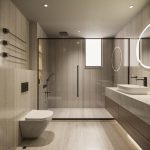
Modern accessible bathrooms focus on clean lines and open space. Wide doorways allow easy wheelchair access. Curbless showers with glass panels create a seamless look. Grab bars match the sleek fixtures and add safety without clutter. Floating vanities provide clear space underneath for wheelchair users. Neutral colors and bright lighting enhance visibility and calmness.
Traditional Designs With Accessibility
Traditional designs combine classic style with accessible features. Wooden cabinets and vintage tiles keep a warm, cozy feel. Larger doorways and reinforced walls hide grab bars inside elegant molding. Roll-in showers use traditional materials with modern safety elements. Raised toilets and sinks blend smoothly into the classic look. Accessibility does not mean losing charm or comfort.
Creative Space Utilization
Creative space utilization maximizes every inch in small bathrooms. Corner sinks and wall-mounted toilets free floor space. Fold-down seats in showers provide rest without blocking movement. Shelves and storage fit into unused walls for easy reach. Mirrors placed low improve visibility for seated users. Thoughtful layouts ensure comfort and independence in tight areas.
Frequently Asked Questions
How To Design A Bathroom For A Disabled Person?
Design a disabled bathroom with wide doorways, curbless showers, grab bars, and accessible fixtures. Ensure non-slip flooring, clear space under sinks, and lever-style faucets. Install reachable controls, proper lighting, and sturdy support bars for safety and convenience.
How Big Should A Handicap Bathroom Be In A Home?
A handicap bathroom should allow a 60-inch diameter turning radius for wheelchairs. Doors must be at least 32 inches wide. Include a curbless shower, grab bars, and accessible fixtures for ease and safety.
What Is The Golden Rule For Bathroom Layouts?
The golden rule for bathroom layouts is ensuring accessibility with wide doorways, clear floor space, and reachable fixtures. Prioritize safety by adding grab bars and non-slip flooring. Design for ease of use with curbless showers, comfortable toilet heights, and lever-style faucets.
Does Medicare Pay For A Handicap Bathroom Remodel?
Medicare typically does not cover handicap bathroom remodels. Coverage applies only if modifications are medically necessary and prescribed by a doctor. Some Medicare Advantage plans may offer limited benefits. Check specific plan details and eligibility before proceeding with remodeling expenses.
Conclusion
Accessible bathroom designs improve safety and comfort for everyone. Wide doorways and curbless showers help with easy movement. Grab bars and handheld showerheads add extra support and convenience. Fixtures like higher toilets and open-space sinks make daily tasks simpler. Non-slip floors reduce fall risks and enhance stability.
Thoughtful layouts provide enough turning space for wheelchairs. Small changes create big differences in usability and independence. Use these ideas to inspire your own handicap-friendly bathroom design. Safe, practical, and stylish spaces benefit all family members.