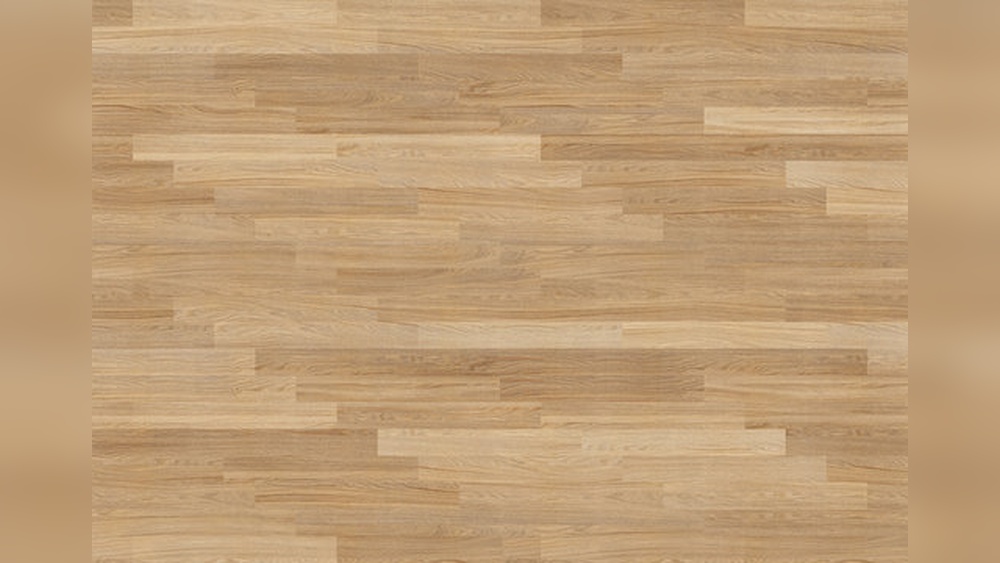

Are you looking to elevate your design projects with floor textures that blend perfectly without visible edges? Seamless floor textures are the secret weapon you need.
They allow you to create realistic, continuous surfaces that enhance any space—whether it’s a cozy home, a sleek office, or a stunning virtual environment. You’ll discover how seamless floor textures work, where to find the best ones, and tips on using them to make your floors look flawless.
Ready to transform your designs and impress everyone who sees them? Keep reading to unlock the full potential of floor texture seamless solutions.
Types Of Seamless Floor Textures
Seamless floor textures create smooth, continuous surfaces without visible joints. These textures enhance any space by offering a clean, modern look. Various types of seamless floor textures suit different rooms and styles. Each type brings unique benefits and visual appeal.
Wood Textures
Wood textures give a warm, natural feel to floors. Seamless wood floors mimic planks without gaps. They work well in living rooms and bedrooms. These textures add depth and richness while staying easy to clean.
Stone And Marble
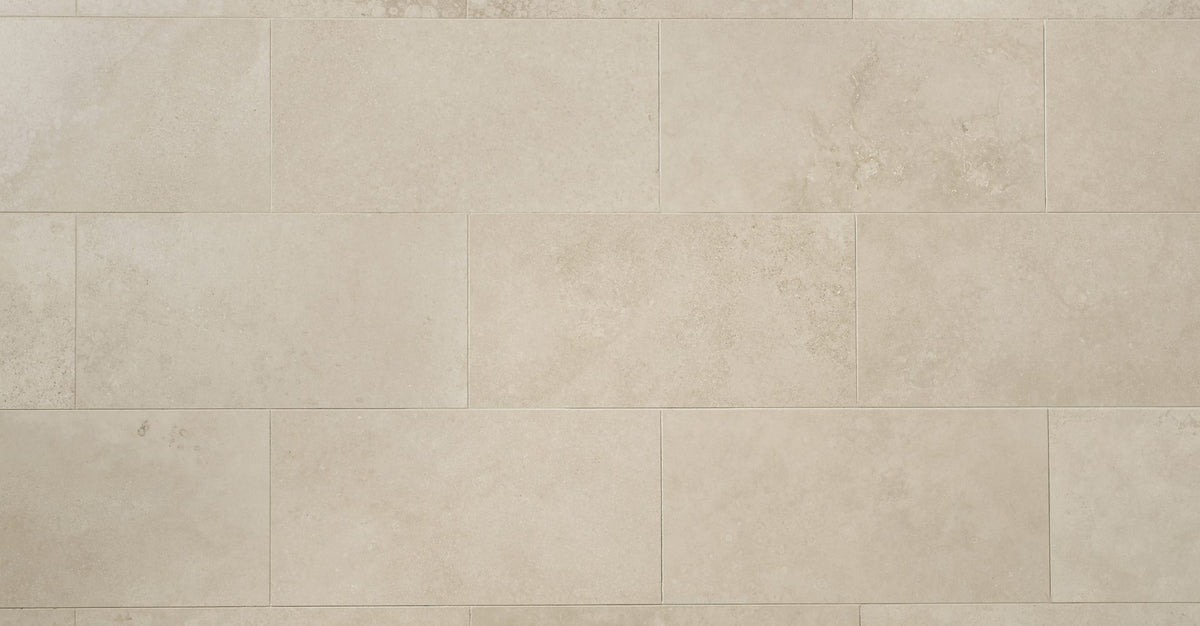
Stone and marble textures offer a classic, elegant look. Seamless designs avoid grout lines and cracks. They bring a luxurious feel to halls and bathrooms. These textures are durable and resist wear over time.
Concrete And Polished Concrete
Concrete textures suit industrial and modern interiors. Polished concrete adds shine and smoothness. Seamless concrete floors are strong and easy to maintain. They fit well in kitchens, garages, and commercial spaces.
Vinyl And Bathroom Tiles
Vinyl textures imitate other materials like wood or stone. Seamless vinyl floors are water-resistant and soft underfoot. Bathroom tiles with seamless patterns prevent water seepage. These floors are practical and stylish for wet areas.
Kitchen Floor Patterns
Kitchen floors need tough, stain-resistant surfaces. Seamless textures create neat, continuous patterns. Popular options include geometric shapes and subtle color blends. These floors combine beauty with easy cleaning.

Credit: www.sketchuptextureclub.com
Sources For High-quality Textures
Finding high-quality seamless floor textures is essential for any design or 3D project. Reliable sources save time and ensure your work looks professional. Various platforms offer textures that fit different needs and budgets. This section highlights top sources to get textures that are both seamless and high quality.
Free Texture Libraries
Free texture libraries provide a vast range of seamless floor textures at no cost. These sites allow easy downloading without complicated sign-ups. Examples include Poly Haven and Freepik. They offer wood, stone, marble, and tile textures suitable for many projects. The textures often come with high resolution and PBR maps for realism.
Premium Stock Image Platforms
Premium platforms offer exclusive textures with enhanced quality and variety. Adobe Stock and Dreamstime are popular choices. These platforms provide seamless floor textures with professional finishes. You get access to large collections, including rare and detailed patterns. Paid licenses ensure you can use textures safely in commercial work.
Specialized Texture Websites
Some websites focus only on textures and materials. Architextures and Poliigon stand out as specialists. These sites offer carefully curated seamless floor textures with different materials. They include parquet, ceramic, and natural stone floors. These sources often provide extra tools like maps for lighting and bump effects.
Community And Forum Resources
Design communities and forums share textures created by users worldwide. Platforms like SketchUp Texture Club offer user-generated seamless floor textures. These sources encourage collaboration and free sharing. You can find unique and experimental designs not found elsewhere. Forums also provide advice on texture application and editing tips.
Creating Seamless Floor Textures
Creating seamless floor textures is essential for realistic digital designs. These textures allow floors to repeat endlessly without visible borders. This effect makes virtual spaces look natural and continuous. Achieving seamlessness requires precise tools and careful editing. The texture must tile perfectly while keeping detail and realism intact.
Texture Generation Tools
Several tools help create seamless floor textures easily. Software like Photoshop and Substance Designer are popular choices. They offer features to clone, blend, and smooth edges. Some tools use algorithms to automatically generate seamless patterns. These tools save time and increase accuracy in texture creation.
Editing And Tiling Techniques
Editing textures involves removing harsh edges and matching colors. Techniques like offsetting the image help spot seams clearly. Using clone and healing brushes removes visible lines. Tiling tests ensure the texture repeats without gaps or overlaps. Proper alignment is key to a smooth, continuous floor surface.
Maintaining Realism And Detail
Keeping texture details sharp makes floors look authentic. High-resolution images capture fine grains and patterns. Avoid stretching or squashing textures during tiling. Adding subtle variations prevents repetitive patterns from standing out. Lighting and shadows also enhance the natural appearance of the floor.
Design Ideas Using Seamless Textures
Seamless floor textures offer endless design possibilities. They create smooth, continuous patterns that enhance any space. These textures provide a clean and polished look. They allow creativity without visible breaks or edges. Explore these design ideas to use seamless textures effectively.
Geometric And Herringbone Patterns
Geometric and herringbone patterns bring energy and style to floors. The seamless texture keeps the pattern flowing perfectly. This design adds visual interest and depth. It works well in modern and classic interiors. Use subtle colors or bold contrasts for different effects.
Natural Stone Looks
Natural stone seamless textures give an elegant and timeless feel. They mimic marble, granite, or slate without grout lines. This creates a clean and spacious appearance. Stone textures add luxury to kitchens, bathrooms, and entryways. They combine durability with refined aesthetics.
Modern Concrete Finishes
Concrete textures suit minimalist and industrial styles. Seamless concrete floors look sleek and uniform. They create a cool, urban vibe in any room. This texture is easy to maintain and pairs well with metal and wood. It offers a neutral backdrop for colorful decor.
Classic Wood Planks
Classic wood plank textures bring warmth and comfort. Seamless wood flooring looks natural and smooth. It fits traditional and contemporary designs alike. Wood tones range from light oak to rich walnut. This texture adds character and a cozy atmosphere.
Applying Textures In Projects
Applying floor textures seamlessly enhances the quality of various creative projects. Textures add depth and realism to flat surfaces. They make digital and physical designs more appealing and believable. Using seamless textures prevents visible repetition and edges, creating smooth, continuous surfaces.
Seamless floor textures are essential in many fields. They improve visual consistency and save time during the design process. The right texture can change the entire feel of a room or environment. Below are key areas where seamless floor textures play a vital role.
3d Modeling And Visualization
In 3D modeling, seamless floor textures bring models to life. They cover floors without visible lines or breaks. This makes models look polished and professional. Designers use these textures to showcase products, buildings, and interiors. It helps clients understand the final look more clearly.
Interior Design Renderings
Interior designers rely on seamless textures for realistic renderings. These textures simulate real-world materials like wood, tile, or stone. They help present design ideas with accuracy. This allows designers to experiment with colors and patterns. Clients see a true preview of their spaces before construction.
Game Environment Texturing
Game developers use seamless floor textures to create immersive worlds. Textures repeat smoothly across large surfaces without distraction. This enhances player experience by avoiding texture breaks. Developers combine these textures with lighting and shadows. The result is a believable and engaging game environment.
Architectural Presentations
Architects use seamless floor textures in presentations to impress clients. These textures show realistic flooring options for buildings. They help communicate design choices clearly. Visual accuracy helps in decision-making and approvals. Seamless textures maintain a clean, professional look in renderings.

Credit: www.sketchuptextureclub.com
Optimizing Performance With Seamless Textures
Optimizing performance with seamless floor textures improves load times and visual quality. Seamless textures create smooth, continuous patterns without visible edges. This makes 3D environments and digital designs look more natural and professional. Efficient use of these textures reduces memory use and speeds up rendering. Careful preparation of texture files helps balance quality and system demands.
File Formats And Compression
Choosing the right file format affects texture quality and size. Common formats include JPEG, PNG, and TIFF. JPEG compresses images well but may lose some detail. PNG keeps transparency and sharp edges but uses more space. TIFF supports high quality but is large. Use compression to reduce file size without losing visible detail. This keeps textures light for faster loading.
Resolution Considerations
Texture resolution impacts both appearance and performance. High resolution shows fine details but uses more memory. Low resolution loads faster but may look blurry. Match resolution to the final display size and device power. For floors, moderate resolution often works best. Avoid using oversized textures that slow down rendering.
Balancing Quality And Speed
Find a balance between texture quality and system speed. High-quality seamless textures improve realism. Lower quality speeds up rendering and saves resources. Test textures on target devices to ensure smooth performance. Use mipmaps to load lower resolution textures at a distance. Optimize textures for the best visual effect with minimal lag.
Credit: www.explorematerial.com
Frequently Asked Questions
What Is A Seamless Floor Texture?
A seamless floor texture is an image that repeats without visible edges. It creates a continuous surface look. This is ideal for 3D modeling, games, or interior design visualizations. It ensures smooth, realistic floor appearances without distracting seams.
Why Use Seamless Floor Textures In Design?
Seamless textures help maintain design consistency over large areas. They prevent repetitive patterns from standing out. This improves realism and visual appeal in digital and architectural projects. They save time by avoiding manual tile adjustments.
Where Can I Find Free Seamless Floor Textures?
Free seamless floor textures are available on sites like Freepik, Poly Haven, and SketchUp Texture Club. These platforms offer high-quality wood, stone, marble, and concrete textures. Always check licensing terms for commercial use.
How To Apply Seamless Floor Textures Effectively?
Apply textures using proper UV mapping in 3D software to avoid distortion. Adjust scale to match real floor dimensions. Ensure lighting and shadows complement the texture for realism. Test tiled areas to confirm seamless repetition.
Conclusion
Seamless floor textures create smooth, natural surfaces for any design. They help avoid visible edges and patterns that distract the eye. Using these textures improves the look and feel of floors in digital projects. Many free and paid options are available online for easy access.
Choose textures that match your style and project needs. Experiment with different materials like wood, stone, or marble. This adds realism and depth to your work. Keep your floors simple yet detailed for the best results. Seamless textures make your floors look polished and professional every time.