
Are you looking to transform your floors into something truly eye-catching and durable? Floor concrete texture offers you the perfect blend of style and strength, giving your space a unique character that stands out.
Whether you want a sleek polished finish or a rugged, non-slip surface, understanding the different concrete textures can help you choose the right look and feel for your home or business. You’ll discover how various floor concrete textures work, why they matter, and how they can elevate your space—making your floors not just functional, but stunning too.
Keep reading to find out how to make your floors a highlight of your design!
Concrete Texture Types
Concrete textures add character and function to floors. They improve grip, appearance, and durability. Different texture types offer varied looks and benefits. Choosing the right texture depends on the space and use.
Broom Finish
Broom finish is a simple, classic texture. After pouring, a broom is dragged across the wet concrete. This creates fine grooves. These grooves provide good slip resistance. It is common for outdoor sidewalks and driveways. The texture is rough but not harsh on shoes.
Polished Concrete
Polished concrete has a smooth, shiny surface. It is made by grinding the concrete with diamond pads. The surface becomes glossy and reflective. Polished concrete is easy to clean and maintain. It suits indoor spaces like homes and shops. This texture adds a modern, sleek look.
Stamped Concrete
Stamped concrete mimics natural materials like stone or wood. Patterns are pressed into the wet concrete. Colors can be added for a realistic effect. It is popular for patios and pool decks. Stamped concrete combines beauty with durability. It offers many design options.
Exposed Aggregate
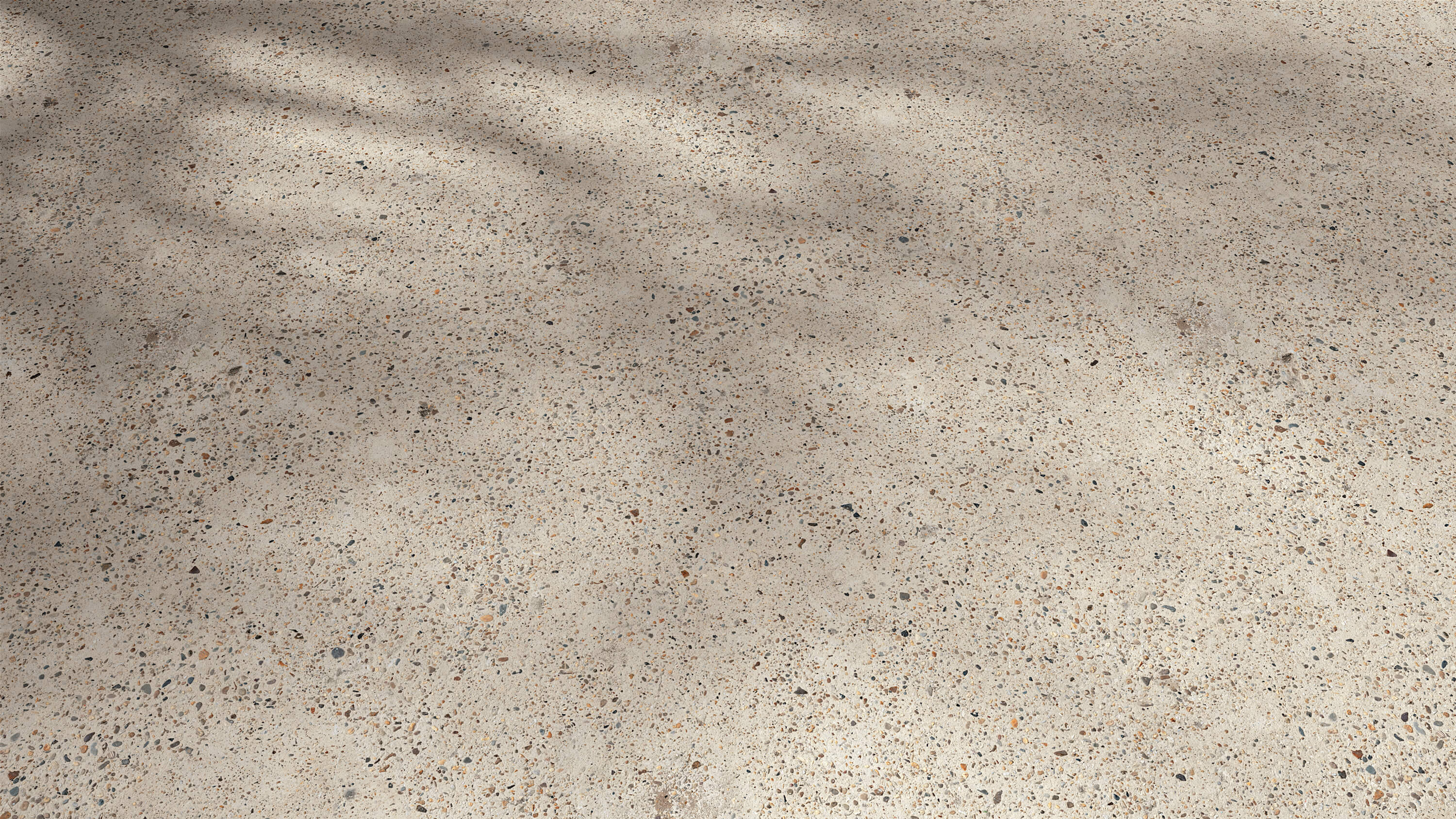
Exposed aggregate reveals small stones on the surface. The top layer of concrete is removed to show the stones. This texture is rough and decorative. It provides excellent slip resistance. Exposed aggregate is common for walkways and garden paths. It blends well with natural surroundings.
Decorative Concrete Techniques
Decorative concrete techniques transform plain floors into stunning surfaces. These methods add texture, color, and patterns. They improve both the look and function of concrete floors. Each technique offers a unique style and feel. Homeowners and businesses use these options to upgrade their spaces.
Stamped Patterns
Stamped patterns mimic natural materials like stone, brick, or wood. Special molds press into wet concrete. This creates detailed, realistic designs. Colors can be added to enhance the effect. Stamped concrete is popular for patios and walkways. It provides beauty without the cost of natural materials.
Hammered Texture
Hammered texture gives concrete a rough, uneven surface. Workers use hammers or chisels to create this effect. The finish looks handmade and rustic. It adds grip and reduces slipperiness. Hammered texture works well in outdoor areas exposed to water. It blends well with natural surroundings.
Non-skid Spray Overlays
Non-skid spray overlays improve safety on concrete floors. They add a thin, rough layer to prevent slipping. These overlays can be clear or tinted with color. They work on existing concrete surfaces without major repairs. Ideal for garages, pool decks, and ramps. This technique keeps floors safe and attractive.
Enhancing Concrete Surfaces
Concrete surfaces can be plain and dull without proper treatment. Enhancing these surfaces improves both their look and durability. Various methods add texture, color, and protection to concrete floors. These enhancements help create attractive, long-lasting floors suitable for many uses.
Texture Enhancers
Texture enhancers add grip and style to concrete floors. Tools like stamps create patterns resembling stone or wood. Broom finishes give a rough surface to prevent slipping. Exposed aggregate reveals small stones for a unique look. These textures make floors safer and more appealing.
Coloring Options
Concrete floors can be colored to match any design. Stains soak into the surface, producing natural shades. Dyes offer vibrant colors with deep penetration. Integral pigments mix into the concrete for long-lasting color. These options allow customization without losing texture.
Sealing And Protection
Sealing concrete protects it from stains and wear. Sealers also enhance color and texture depth. They create a barrier against water, oil, and dirt. Regular sealing extends the floor’s life and keeps it looking fresh. Choose a sealer based on the floor’s use and finish.
Functional Concrete Textures
Functional concrete textures serve practical purposes beyond aesthetics. They improve durability, safety, and structural performance. Different textures suit various applications and environments. These textures help floors withstand heavy use and harsh conditions. They also enhance grip and reduce slip risks.
Ribbed Floors
Ribbed floors feature raised ridges across the surface. These ribs add strength and stiffness to the slab. They reduce the concrete amount needed, saving materials. This design supports heavy loads efficiently. Ribbed floors are common in industrial and parking structures. The texture also helps with drainage and traction.
Waffle Slabs
Waffle slabs have a grid of square or rectangular depressions. This pattern lowers the slab’s weight without losing strength. The design increases stiffness for large spans. Waffle slabs are used in commercial buildings and bridges. Their unique texture improves load distribution and reduces material use. The surface looks like a waffle, giving it its name.
Slip Resistance
Slip resistance is vital for safety on concrete floors. Textured surfaces prevent slipping in wet or oily conditions. Common methods include broom finishes and exposed aggregates. These textures create rough surfaces that improve grip. Slip-resistant floors reduce accidents and injuries. They are essential in public spaces and workplaces.
Concrete Texture Inspiration
Concrete floor texture adds character and style to any space. It transforms plain concrete into a design feature. Different textures create unique looks and feel underfoot. Texture choices suit various settings, from cozy indoor rooms to rugged outdoor areas. Exploring texture ideas can inspire your next project. Below are some inspiring applications of concrete textures.
Indoor Applications
Textured concrete floors bring warmth and depth to indoor spaces. Smooth polished concrete offers a sleek, modern look. Broom-finished concrete adds subtle grip and a natural touch. Exposed aggregate reveals stones for a rustic vibe. These textures work well in kitchens, living rooms, and basements. They are durable and easy to maintain. Concrete textures indoors also improve slip resistance.
Outdoor Patios And Decks
Outdoor areas benefit from textured concrete that combines beauty and safety. Stamped concrete mimics stone, brick, or tile patterns. It enhances patios and pool decks with decorative flair. Non-slip textures like broom or exposed aggregate prevent accidents. Textured finishes withstand weather and heavy foot traffic. They also resist fading and cracking. Outdoor concrete textures create inviting, functional spaces.
Commercial Spaces
Concrete texture suits commercial floors requiring durability and style. Polished concrete floors provide a clean, reflective surface for stores and offices. Ribbed or waffle slab textures add strength and reduce slip risks in industrial settings. Textured finishes handle heavy equipment and constant use. They reduce maintenance costs and extend floor life. Well-chosen concrete textures improve safety and aesthetics in businesses.

Credit: www.freepik.com
Diy Concrete Texturing Tips
Creating textured concrete floors adds beauty and grip to plain surfaces. DIY texturing saves money and lets you customize designs. Simple tools and clear steps make the process easy. Below are helpful tips for DIY concrete texturing.
Tools Needed
- Trowel for smoothing the surface
- Concrete broom for rough texture
- Stamping mats or rollers for patterns
- Float to level the concrete
- Spray bottle with water to keep concrete moist
- Protective gloves and safety glasses
Step-by-step Process
Start by pouring fresh concrete evenly in the area. Use the float to smooth the surface gently. Wait until the concrete begins to firm but is still soft enough to work.
Apply texture using a broom or stamping mats. For broom finish, drag the broom across the surface evenly. For stamped texture, press the mats firmly and lift carefully.
Spray water lightly to keep concrete moist during texturing. Let concrete cure fully before walking or placing heavy items.
Common Mistakes To Avoid
- Texturing too early or too late, causing poor impressions
- Using dirty or wet tools that ruin the finish
- Applying uneven pressure when stamping or brooming
- Not protecting the area from rain or debris during curing
- Skipping the curing process, leading to cracks
Sourcing Concrete Textures
Sourcing the right concrete textures is key to creating realistic and attractive floor designs. Concrete textures add depth and character to your projects. They help show the material’s roughness, smoothness, or patterns clearly. Finding quality textures can be simple when you know where to search.
Several places offer a wide variety of concrete floor textures. These sources provide images and patterns that fit different styles and needs. Understanding the options available will help you choose the best textures for your work.
Stock Photo Resources
Stock photo websites offer a large collection of concrete textures. These sites provide high-resolution images suitable for design and construction projects. Popular platforms like iStock and Adobe Stock have many options to explore. Images here often come with licenses that allow commercial use.
Stock photos are easy to access and usually well-organized by texture type. This saves time during your search. You can find textures showing rough, polished, stamped, or brushed concrete surfaces. Using stock photos gives your project a professional look.
Texture Libraries
Texture libraries specialize in providing seamless and tileable concrete textures. These libraries focus on patterns that repeat without visible edges. This feature is great for covering large areas in digital designs. Arroway Textures and Materials of the World offer detailed concrete floor textures.
These libraries often include different finishes and conditions of concrete floors. They may offer samples like wet concrete, aged surfaces, or stamped patterns. Texture libraries provide tools for designers to create realistic environments easily.
Free Vs Premium Options
Free concrete textures are available on platforms like Unsplash and Freepik. These options are good for small projects or personal use. Free textures usually have some limitations, such as lower resolution or fewer style choices.
Premium textures come with higher quality and more variety. Paid options often include commercial licenses and extra features. Premium sources provide support and regular updates. Choosing between free and premium depends on your project’s needs and budget.

Credit: kibrisemlakmerkezi.com
Credit: materialsoftheworld.com
Frequently Asked Questions
What Is Poor Man’s Concrete?
Poor man’s concrete is a low-cost material made by hydrating raw ash in a pond, forming a hard, compacted platform.
What Is Textured Concrete Called?
Textured concrete is commonly called stamped concrete. It features patterns imprinted using special tools for decorative finishes.
What Are Popular Concrete Texture Styles?
Popular concrete texture styles include broom finish, polished concrete, stamped concrete, and exposed aggregate. Each style offers distinct visual and tactile effects.
What Is A Ribbed Concrete Floor Texture?
A ribbed concrete floor texture features raised ridges or grooves for added strength and slip resistance. It enhances durability and reduces material use.
Conclusion
Choosing the right floor concrete texture enhances both look and safety. Textured concrete can prevent slips and add style. Simple finishes like broom or stamped concrete offer practical benefits. Each texture suits different spaces and needs. Maintaining concrete floors keeps textures effective and attractive.
Explore options to find the best fit for your project. Quality textures improve durability and comfort underfoot. Concrete textures blend function with aesthetic appeal easily.